
Introduction
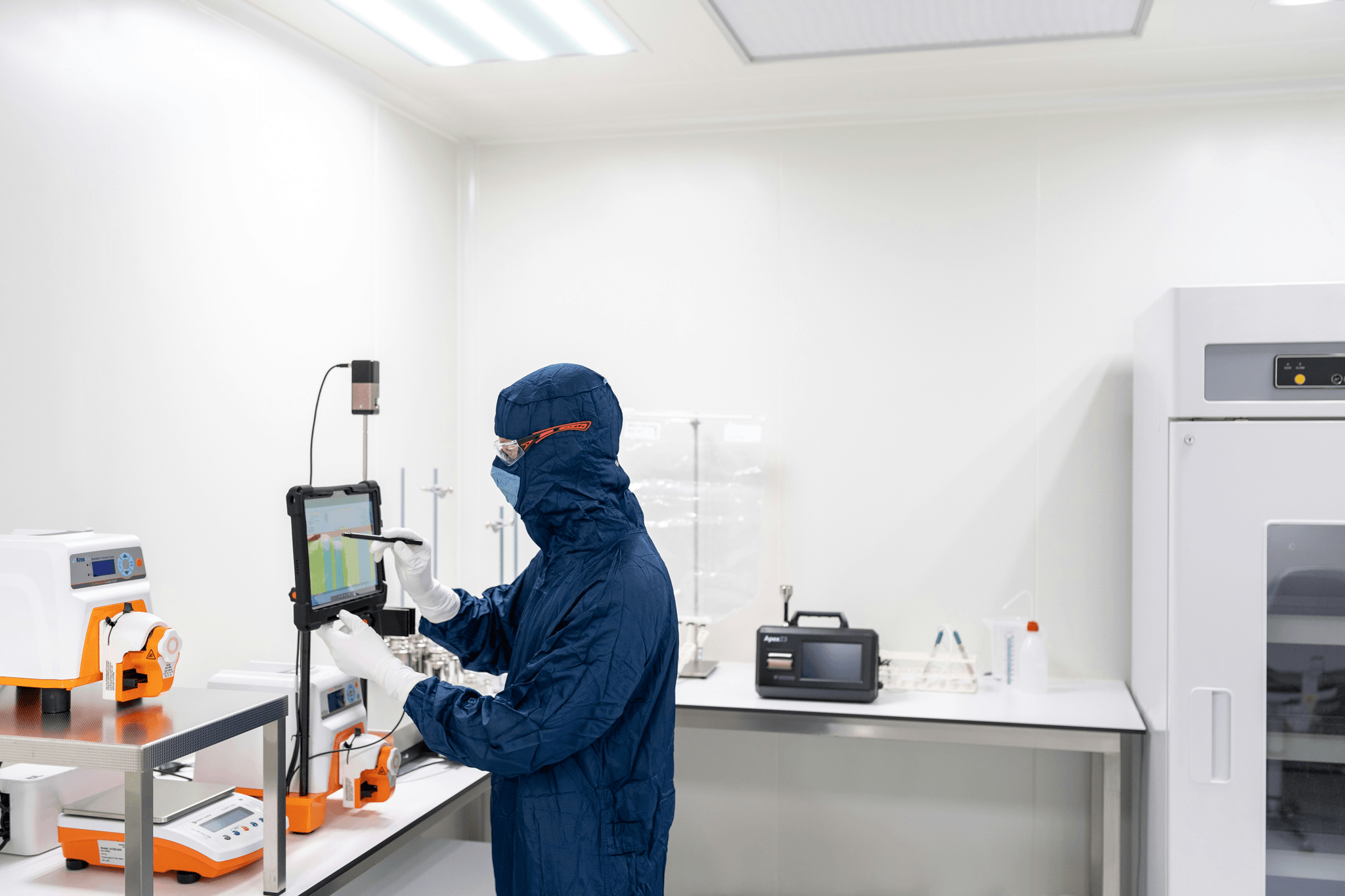
Ensuring a pristine surface before applying any coating powder is no small feat, and that’s where a reliable Surface Dust Test comes into play. This test helps identify whether blast-cleaned surfaces meet the strict standards test for cleanliness, preventing future coating failures. Using the right measurement tape and specialized test equipment is essential to accurately gauge dust levels, while personal safety equipment and protective gear keep inspectors safe during the process.
A thorough understanding of how surface dust impacts coating quality and durability can save projects from costly rework down the line. Excess dust on blast-cleaned surfaces can compromise adhesion, leading to peeling or corrosion over time—definitely not what you want when aiming for long-lasting protection. Regularly conducting Surface Dust Tests according to industry standards ensures that each surface passes muster before moving forward with application.
Standards and test procedures in surface dust measurement are designed to create consistency across projects worldwide. These standards specify how to prepare samples, what equipment to use, and how to interpret results—making sure every inspection is reliable and repeatable. Incorporating proper techniques with quality test equipment guarantees accurate results, helping teams make informed decisions about surface readiness before applying coatings or protective layers.
The Fundamentals of Surface Dust Test
Understanding the basics of a Surface Dust Test is essential for ensuring that blast-cleaned surfaces are adequately prepared for coating application. This test helps identify residual dust particles that could compromise coating adhesion and durability. Conducting a proper Surface Dust Test according to standards test procedures guarantees the surface’s cleanliness, preventing costly rework and ensuring long-term project success.
A key aspect of performing a reliable Surface Dust Test involves selecting the right test equipment. Items like measurement tape are crucial for measuring dust residue levels accurately, while specific tapes designed for measurement provide consistent results without contaminating the surface. Using high-quality tape for measurement ensures that dust levels are assessed precisely, aligning with industry standards test requirements and avoiding false readings caused by inferior equipment.
Sample preparation and surface cleaning techniques play a pivotal role in obtaining valid results during a Surface Dust Test. Proper cleaning removes loose coating powder and other contaminants, allowing the test equipment to detect residual dust effectively. Additionally, employing personal safety equipment and protective gear during sample collection safeguards testers from potential hazards associated with dust particles or chemical residues on blast-cleaned surfaces.
Selecting the Right Measurement Tools
Choosing the appropriate measurement tools is crucial for a successful Surface Dust Test, especially when working on blast-cleaned surfaces. The accuracy of your results hinges on selecting high-quality test equipment and the right tape for measurement. Using reliable tools ensures compliance with standards test procedures and helps identify dust residues that could compromise coating powder adhesion or durability.
Choosing the Best Tape for Measurement and Measurement Tape
When it comes to measuring surface dust levels, not all tapes are created equal. A sturdy, adhesive measurement tape designed specifically for surface testing provides precise readings without damaging delicate blast-cleaned surfaces. Opting for a high-quality measurement tape also minimizes errors during the Surface Dust Test, ensuring you meet industry standards and avoid costly rework.
The Role of Test Equipment in Ensuring Accurate Results
Accurate results in a standards test depend heavily on using proper test equipment tailored for dust measurement on coated surfaces. This includes specialized tools like surface dust gauges, particle counters, or even simple but reliable swabs and wipes that can effectively collect coating powder samples. Investing in top-tier test equipment not only guarantees reliable data but also streamlines the process of interpreting results and making informed decisions about surface cleanliness.
Using Personal Safety Equipment During Testing
Safety should always come first during any Surface Dust Test; personal safety equipment is non-negotiable when working around potentially contaminated or dusty environments. Wearing protective equipment such as gloves, masks, goggles, and coveralls shields you from inhaling or coming into contact with coating powder or other debris that could compromise your health. Remember, adhering to safety protocols while conducting tests ensures your well-being and helps maintain the integrity of your measurements.
Conducting the Surface Dust Test

Performing a Surface Dust Test is a critical step in ensuring that blast-cleaned surfaces meet industry standards. A thorough understanding of the process helps prevent contamination and guarantees reliable results. Using proper test equipment, selecting the right tape for measurement, and adhering to standardized procedures are essential for accurate assessment of dust residue on surfaces before coating application.
Step-by-Step Testing Process According to Industry Standards
Begin by preparing the surface through careful cleaning to remove loose dust and debris, ensuring that only residual surface dust remains for testing. Next, select an appropriate measurement tape or tape for measurement—preferably one designed specifically for surface testing—to gently press onto the cleaned area, capturing dust particles effectively. Follow the standards test procedures by applying consistent pressure when using test equipment such as specialized tapes or swabs; this consistency is key to obtaining comparable results across different surfaces and projects. After collecting samples, carefully examine them under magnification if necessary, then compare your findings against industry benchmarks to determine compliance.
Tips for Preventing Contamination and Ensuring Reliability
To keep your Surface Dust Test reliable, always wear personal safety equipment and protective equipment like gloves and masks during sampling—dust particles are tiny but mighty! When handling test equipment or tapes for measurement, avoid touching areas that will contact the surface directly; contamination can skew results significantly. Additionally, conduct tests in a controlled environment free from airborne dust or other contaminants that could interfere with measurements—this ensures your coating powder analysis remains precise and trustworthy.
Documenting and Interpreting Test Data
Accurate documentation is vital—record all relevant details such as date, location, type of test equipment used, and environmental conditions during testing. When interpreting data from your Surface Dust Test, compare measured dust levels against industry standards test thresholds; deviations may indicate inadequate cleaning or potential issues with coating adhesion if not addressed promptly. If results fall outside acceptable limits, repeat the test using new samples or different spots on the surface to verify accuracy before making any critical decisions about proceeding with coating applications.
Interpreting Test Results and Compliance
Once you've completed your Surface Dust Test, the next step is to carefully compare your results against industry standards test requirements. This involves reviewing the amount of dust residue left on the blast-cleaned surface and determining if it falls within acceptable limits defined by relevant standards. Using a measurement tape for measurement or specialized test equipment can help quantify dust levels accurately, ensuring your findings are reliable and compliant with industry benchmarks.
Troubleshooting common testing challenges often revolves around issues like contamination or improper sample preparation. For example, using the wrong tape for measurement or neglecting proper surface cleaning techniques can lead to misleading results. Ensuring you wear personal safety equipment and protective equipment during testing not only keeps you safe but also maintains the integrity of your measurements, especially when handling coating powder or dust residues that could skew data.
Knowing when to redo the surface dust test is crucial—if initial results are borderline or inconsistent, it's wise to repeat the process after addressing potential contamination sources. Reassessing with proper test equipment and verified measurement tape ensures accuracy before making critical coating decisions. Remember, adhering strictly to standards test procedures guarantees that your surface preparation meets quality benchmarks, reducing costly rework later on.
Best Practices for Maintaining Surface Cleanliness
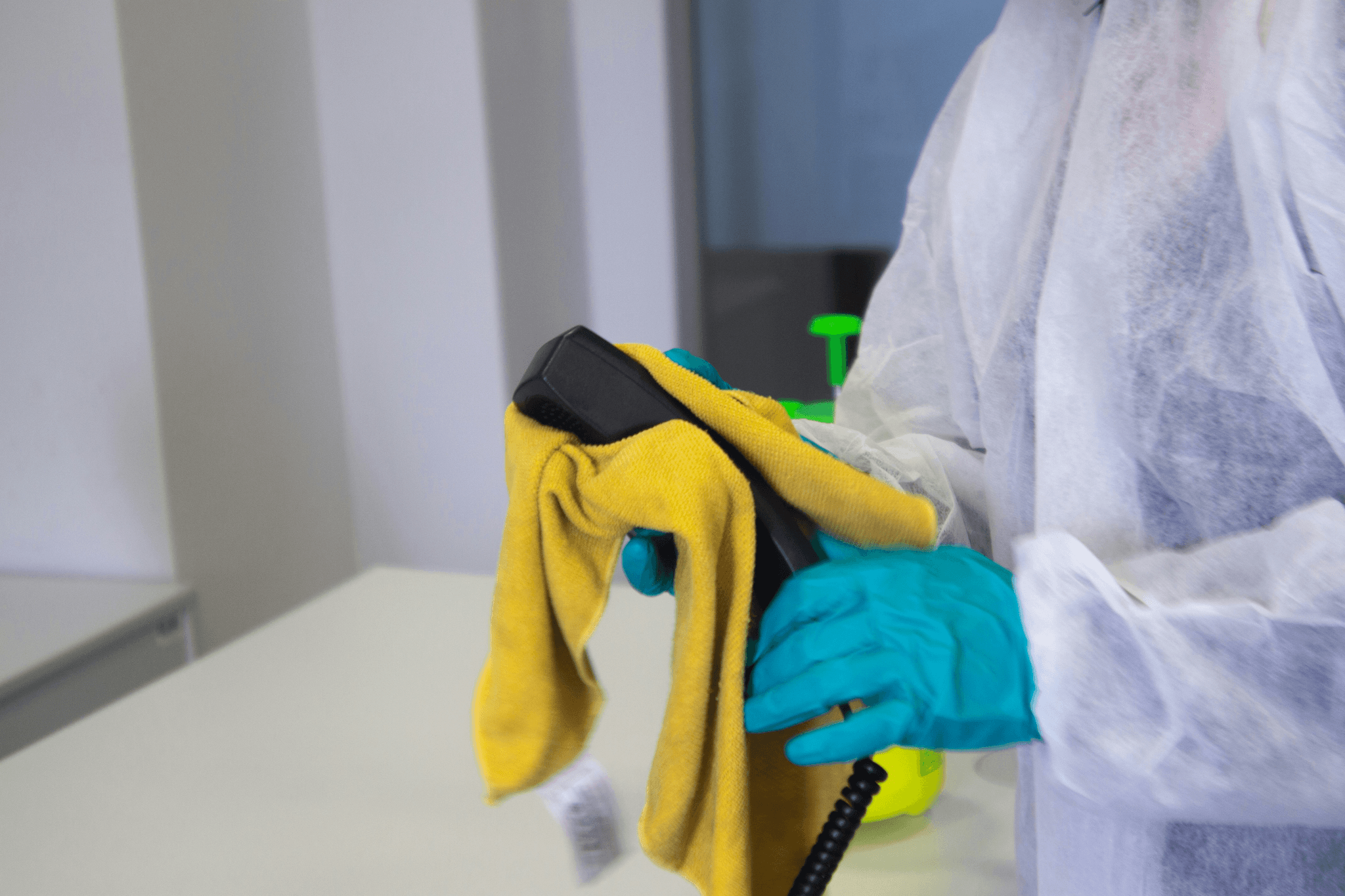
Maintaining a pristine blast-cleaned surface is crucial for ensuring that the surface dust remains minimal and doesn't compromise the coating process. Regularly conducting a surface dust test helps identify areas where dust residue might be lingering, allowing for targeted cleaning before applying any coating powder. Incorporating proper measurement tape techniques and selecting the right tape for measurement can significantly improve the accuracy of these tests, ensuring compliance with industry standards test protocols.
To effectively minimize dust residue on blast-cleaned surfaces, it’s essential to establish a routine cleaning schedule that aligns with standards test requirements. Using reliable test equipment during surface dust testing ensures that residual dust levels are within acceptable limits, preventing costly rework or coating failures down the line. Protecting workers with personal safety equipment and protective equipment during cleaning processes not only keeps safety in check but also reduces contamination risks that could skew test results.
Collaborating with quality inspection services like China Inspection Pro can elevate your cleanliness standards by providing expert oversight during surface dust testing. Their team can advise on best practices for cleaning and maintaining surfaces, ensuring all procedures meet or exceed industry standards test criteria. When partnering with professionals, you gain confidence that your surfaces are prepared perfectly—ready for coating application without unexpected surprises caused by excess dust.
The Role of Standards Test and Quality Inspection Agencies
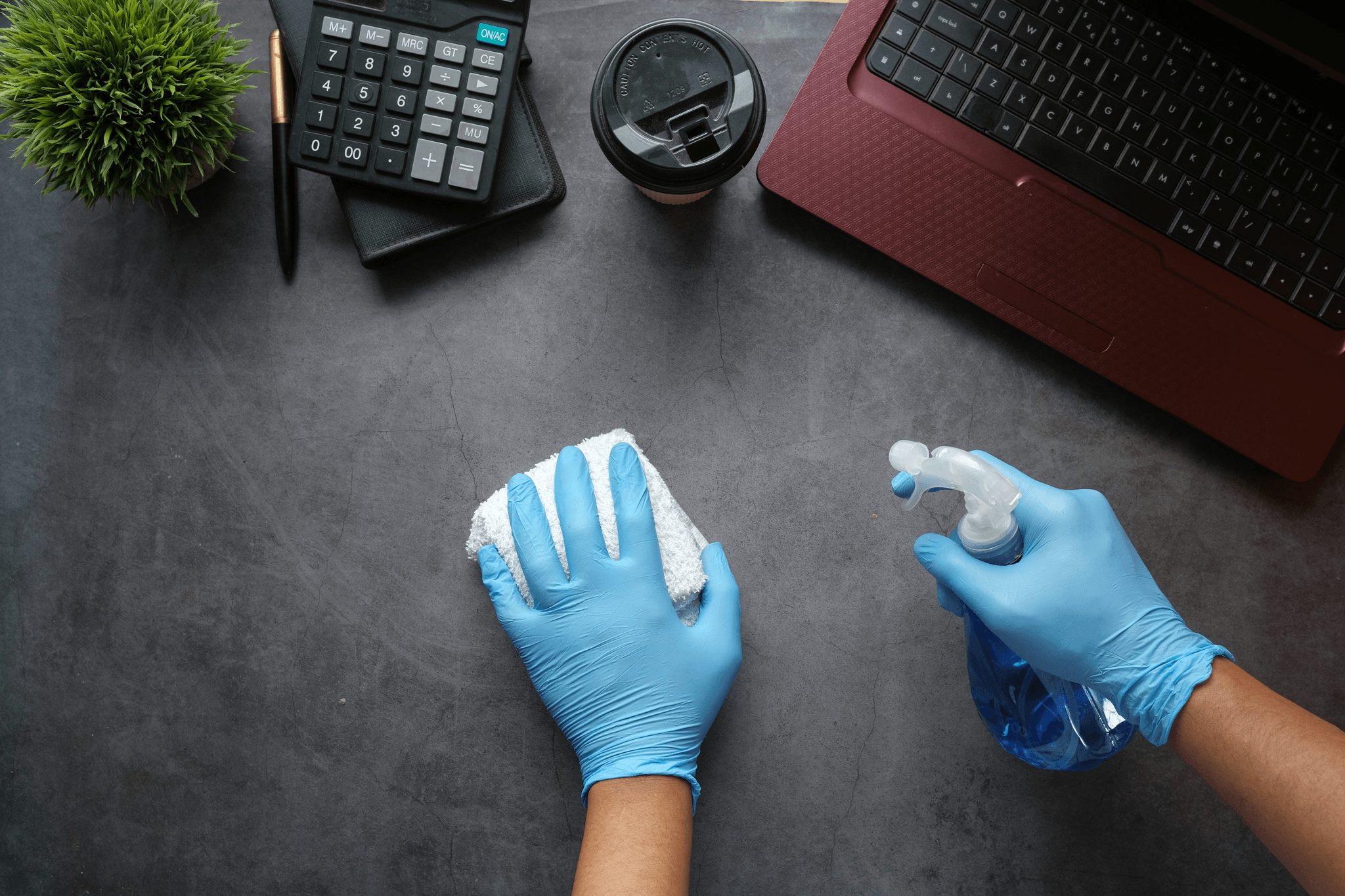
Standards test and quality inspection agencies play a pivotal role in maintaining the integrity of surface dust testing processes, especially when it comes to ensuring compliance with industry benchmarks. These agencies utilize specialized test equipment designed for accurate measurement tape readings and precise assessments of surface dust levels. By adhering to rigorous protocols, they help prevent contamination and guarantee that the tape for measurement results truly reflect the cleanliness of blast-cleaned surfaces, which is essential before applying coating powder.
In addition, professional agencies like China Inspection Pro leverage their expertise to interpret test findings effectively. They understand that a surface dust test isn’t just about passing or failing; it’s about translating those results into actionable steps for improving surface preparation. Using high-quality measurement tape and reliable test equipment, these inspectors ensure that every detail—down to personal safety equipment—is meticulously observed, providing clients with confidence in their surface cleanliness standards.
Furthermore, these agencies emphasize the importance of proper protective equipment during testing procedures to safeguard personnel from potential hazards associated with handling coating powders or contaminated surfaces. Their comprehensive approach combines strict adherence to standards test protocols with advanced tools, making sure that each surface dust test delivers trustworthy data. This commitment helps companies meet industry standards consistently while fostering continuous improvement in surface preparation practices.
Conclusion
Ensuring surface preparation meets industry standards is the foundation of a durable, high-quality coating. Conducting a meticulous Surface Dust Test using the right measurement tape for measurement and reliable test equipment helps identify dust residues that could compromise coating adhesion and longevity. When you combine proper sample preparation with adherence to standards test protocols, you're setting the stage for a flawless finish that withstands the test of time.
Ensuring Surface Preparation Meets Industry Standards
The key to meeting industry standards lies in thorough surface dust testing before applying any coating powder. Using appropriate tape for measurement ensures you accurately assess dust levels, preventing contamination from slipping through unnoticed. Investing in high-quality measurement tape and test equipment not only improves accuracy but also demonstrates your commitment to quality assurance during surface cleaning processes.
The Impact of Accurate Surface Dust Testing on Project Success
Accurate surface dust testing plays a pivotal role in project success, as it directly influences coating durability and overall performance. When proper personal safety equipment and protective equipment are used during testing, it minimizes risks while maintaining reliable results. By interpreting test data correctly and adhering to standards test procedures, project teams can prevent costly rework caused by overlooked dust residues or improper surface preparation.
Why Partnering with Certified Inspection Experts Is Essential
Partnering with certified inspection experts like China Inspection Pro ensures your surface dust tests are performed according to rigorous standards, utilizing top-tier test equipment designed specifically for this purpose. These professionals bring expertise in selecting the right tools—such as specialized tape for measurement—and implementing best practices that guarantee accurate results every time. Engaging such experts transforms raw data into actionable insights, ultimately elevating your project's quality and compliance.