
Introduction

In today’s fast-paced world, understanding the intricacies of a Facility Audit is more crucial than ever. These audits serve as comprehensive evaluations of facilities, ensuring they meet safety standards and operational efficiency. With the rising complexities in various industries, knowing why facility audits are important can help organizations streamline their processes and enhance compliance.
Understanding Facility Audits
A Facility Audit is a systematic examination of a facility's operations, safety protocols, and overall effectiveness. The goal is to identify areas for improvement while ensuring adherence to regulatory requirements and industry standards. By grasping the concept of facility audits, businesses can better appreciate how these evaluations contribute to long-term success.
Benefits of Conducting Facility Audits
Conducting regular facility audits brings a plethora of benefits that extend beyond mere compliance checks. They enhance safety measures, optimize operational efficiency, and ultimately reduce long-term costs associated with mishaps or inefficiencies. Moreover, understanding the benefits allows organizations to prioritize their audit schedules and allocate resources effectively.
Types of Facility Audits Explained
Facility audits are not one-size-fits-all; they come in various forms tailored to specific needs and industries. From safety audits assessing compliance with health regulations to energy audits focusing on sustainability practices, each type serves a distinct purpose. Familiarizing oneself with the different types of facility audits can empower organizations to choose the right approach for their unique circumstances.
What is a Facility Audit?
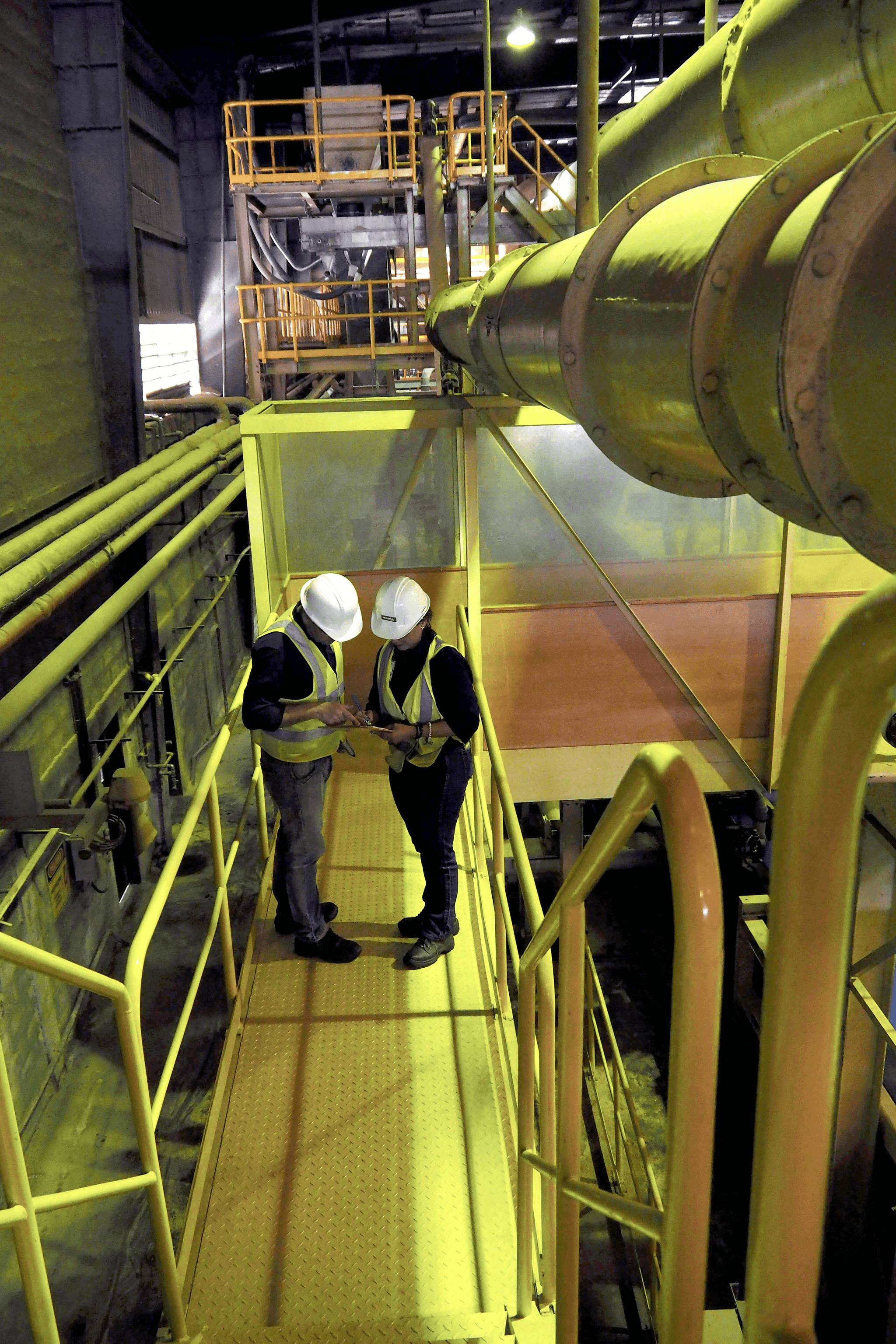
A Facility Audit is a systematic evaluation of a facility's operations, safety protocols, and compliance with regulations. The purpose of this audit is to identify areas for improvement, ensure adherence to industry standards, and enhance overall operational efficiency. By conducting a thorough Facility Audit, organizations can mitigate risks and optimize their resources effectively.
Definition and Purpose
At its core, a Facility Audit serves as an assessment tool that helps organizations understand their current operational state. The primary purpose is to evaluate compliance with safety regulations and operational standards while identifying potential inefficiencies or hazards within the facility. Ultimately, the insights gained from a Facility Audit guide decision-making processes aimed at enhancing safety protocols and improving overall performance.
Importance in Different Industries
Facility Audits are crucial across various industries such as manufacturing, healthcare, education, and hospitality. In manufacturing settings, for instance, these audits help maintain machinery efficiency and workplace safety standards—essential for minimizing downtime. Meanwhile, in healthcare facilities, regular audits ensure compliance with health regulations and safeguard patient welfare; thus highlighting why are Facility Audits important in maintaining industry integrity.
Key Components of a Facility Audit
Several key components make up an effective Facility Audit: documentation review, physical inspections, employee interviews, and data analysis are just the tip of the iceberg. These elements work together to provide a comprehensive overview of the facility’s operations while identifying strengths and weaknesses. Furthermore, understanding what should be included in a Facility Audit ensures that no critical aspect goes overlooked during evaluations.
Why are Facility Audits Important?
Facility audits play a crucial role in maintaining the integrity and efficiency of any organization. By systematically evaluating various aspects of a facility, these audits ensure that safety standards are upheld, operations run smoothly, and resources are managed wisely. Understanding why facility audits are important can lead to significant improvements across multiple dimensions of an organization.
Enhancing Safety and Compliance
One of the primary reasons facility audits are vital is their ability to enhance safety and compliance within an organization. Regularly conducting a facility audit helps identify potential hazards, ensuring that safety protocols are not only established but also followed. Moreover, compliance with industry regulations is critical; failing to adhere can result in significant penalties and operational setbacks.
In industries such as manufacturing or healthcare, where safety is paramount, the importance of facility audits cannot be overstated. They provide a structured approach to evaluate existing practices against regulatory requirements, thereby minimizing risks associated with non-compliance. Ultimately, enhancing safety through effective auditing fosters a culture of accountability and vigilance among employees.
Optimizing Operational Efficiency
Facility audits serve as a catalyst for optimizing operational efficiency by pinpointing areas where resources may be wasted or processes can be streamlined. Through careful examination during a facility audit, organizations can identify bottlenecks in workflows or redundancies that hinder productivity. This leads to more effective allocation of resources and improved overall performance.
Moreover, understanding how to conduct a facility audit effectively allows organizations to gather data that reveals insights into their operations. By analyzing this information, companies can make informed decisions about necessary adjustments for greater efficiency. In this way, regular auditing becomes not just about compliance but also about continuous improvement in operational excellence.
Reducing Long-Term Costs
Another compelling reason why facility audits hold immense value is their potential for reducing long-term costs associated with maintenance and operations. By identifying issues early on—whether they pertain to equipment malfunction or inefficient processes—organizations can address them before they escalate into costly problems requiring extensive repairs or replacements during future audits.
Additionally, incorporating insights from previous audits enables businesses to implement preventative measures that reduce the likelihood of future issues arising again in subsequent evaluations—essentially creating a cycle of continuous improvement through strategic investment in maintenance practices highlighted during each facility audit process. This proactive approach ultimately leads to lower operational costs over time while enhancing overall organizational sustainability.
The Evolution of Facility Audits and the Role of Technology

The landscape of facility audits has transformed significantly over the years, driven by advancements in technology and an increasing emphasis on compliance and efficiency. Initially, facility audits were rudimentary checklists conducted manually, often resulting in inconsistent evaluations. However, as industries evolved, so did the methodologies surrounding facility audits, leading to a more structured approach that integrates modern technology.
Historical Perspective on Facility Audits
Facility audits have been around for decades, with their roots tracing back to basic safety inspections aimed at ensuring compliance with regulations. In the early days, these audits were primarily focused on physical inspections without much analytical depth or follow-up actions. Over time, as industries recognized the importance of regular assessments for operational success and safety—essentially answering Why are Facility Audits Important?—the audit process became more formalized and comprehensive.
Impact of Technology on Audits
The advent of technology has revolutionized how facility audits are conducted today. With tools like automated data collection software and mobile applications, conducting a facility audit is now faster and more accurate than ever before. Technologies such as IoT sensors provide real-time data that can be analyzed to identify areas needing improvement or immediate attention—enhancing not only efficiency but also safety standards across various sectors.
Future Trends in Facility Auditing
Looking ahead, we can expect further innovations in the field of facility auditing driven by artificial intelligence and machine learning algorithms. These technologies will likely enable predictive analytics that help organizations foresee potential issues before they arise—making it easier to answer questions like What Should Be Included in a Facility Audit? Moreover, as remote work continues to gain traction post-pandemic, virtual audits may become commonplace, allowing for flexible yet thorough evaluations regardless of location.
How to Conduct a Facility Audit?

Conducting a facility audit is akin to giving your business a health check-up; it’s essential for identifying strengths, weaknesses, and opportunities for improvement. A well-structured approach ensures that the audit is thorough and effective, addressing all critical areas of concern. By following the right steps and utilizing appropriate resources, you can ensure your facility meets industry standards and operates efficiently.
Step-by-Step Guide
To embark on a successful facility audit, start with planning and preparation. First, define the scope of the audit—what areas will you cover? Next, gather relevant documents such as previous audits, safety reports, and maintenance records to create a baseline for evaluation.
Once you have your plan in place, assemble an audit team that includes diverse expertise from various departments. This collaborative effort enhances the quality of insights gathered during the audit process. Afterward, conduct walkthroughs of your facility while taking notes on compliance with regulations and operational efficiency.
Finally, compile all findings into a comprehensive report detailing observations, recommendations for improvements, and action items. This report serves as both documentation of compliance and a roadmap for future enhancements in operations. Regularly revisiting this process will help answer Why are Facility Audits Important? by continuously aligning practices with industry standards.
Necessary Tools and Resources
Equipping yourself with the right tools is crucial when conducting a facility audit effectively. Start by leveraging auditing software that can streamline data collection and analysis; these tools often include customizable checklists tailored to different types of facility audits. Additionally, consider using mobile applications that allow auditors to capture real-time observations directly from their devices.
Don’t forget about physical resources! Essential items like clipboards, cameras for visual documentation, measuring tools for assessing space usage or equipment condition should also be on hand. Lastly, access to industry guidelines or regulatory documents will provide context during evaluations—ensuring that every aspect aligns with current standards.
Collaboration with Experts, such as China Inspection Pro
When tackling complex audits or unfamiliar regulations within your industry sector—collaboration is key! Engaging experts like China Inspection Pro can significantly enhance your auditing process by providing specialized knowledge tailored to specific requirements or challenges faced during audits. Their experience can help navigate intricate compliance issues while offering insights into best practices derived from years in the field.
Moreover, involving external auditors brings an objective perspective that internal teams may overlook due to familiarity bias with existing processes or systems in place at your facility. This collaboration not only enriches findings but also fosters an environment geared towards continuous improvement—a vital component when considering What Should Be Included in a Facility Audit?
In conclusion, conducting an effective facility audit requires careful planning along with utilizing appropriate tools while embracing collaboration with experienced professionals like China Inspection Pro who bring added value through their expertise.
What Should Be Included in a Facility Audit?

Conducting a thorough Facility Audit is essential for ensuring safety, compliance, and operational efficiency. But what exactly should you include in this process? Let’s break down the essential elements that make up a comprehensive Facility Audit.
Essential Elements and Documentation
A successful Facility Audit hinges on detailed documentation and key elements that provide insights into the facility's operations. First and foremost, an inventory of all assets is crucial; this includes equipment, machinery, and any other physical resources. Additionally, records of maintenance schedules, safety inspections, and compliance certifications must be included to demonstrate adherence to regulations—because who wants a surprise inspection from the authorities?
Another critical component is evaluating environmental conditions such as air quality and waste management practices. These aspects not only ensure compliance with environmental standards but also enhance employee well-being—an often overlooked yet vital part of Why are Facility Audits Important? Lastly, gather feedback from staff about their experiences within the facility; their insights can shine light on areas needing improvement.
Checklist for Thorough Evaluation
Creating a checklist can streamline your Facility Audit process significantly. Start by listing all the areas to be assessed: safety protocols, emergency exits, equipment condition, and cleanliness standards should top your list. This systematic approach ensures that no stone is left unturned during your evaluation.
Include specific criteria for each area on your checklist; for instance, under safety protocols, you might note whether fire extinguishers are accessible or if first aid kits are stocked appropriately. Additionally, consider using technology to enhance your checklist—apps designed for audits can help capture data more efficiently while allowing real-time updates as you conduct your evaluation. This aligns perfectly with The Evolution of Facility Audits and the Role of Technology.
Best Practices for Effective Audits
To ensure that your Facility Audit yields actionable insights rather than just paperwork piled high on someone’s desk, follow some best practices. First off, engage stakeholders from various departments in the audit process; diverse perspectives can uncover hidden issues that might otherwise go unnoticed—after all, collaboration is key when considering Who is Responsible for Conducting Facility Audits?
Secondly, maintain transparency throughout the audit process by communicating findings promptly to relevant parties; this fosters an environment where continuous improvement thrives rather than stagnates due to lack of communication. Finally—and perhaps most importantly—make audits a regular occurrence rather than a one-off event; regular assessments keep everyone accountable while reinforcing why these audits matter in optimizing operational efficiency.
Who is Responsible for Conducting Facility Audits?
When it comes to conducting a Facility Audit, the responsibility often lies with a diverse group of individuals, each bringing their unique expertise to the table. Facility managers and staff play a crucial role in the audit process, ensuring that their knowledge of the facility's operations and compliance standards is effectively utilized. However, external auditors also hold significant importance in this equation, providing an objective perspective that can uncover issues that might be overlooked internally.
Roles of Facility Managers and Staff
Facility managers are typically at the forefront of any Facility Audit, tasked with overseeing daily operations and ensuring compliance with safety regulations. Their intimate understanding of the facility allows them to identify potential areas for improvement during audits, making them invaluable assets in this process. Staff members also contribute by providing insights into operational challenges they face daily, which can directly impact audit findings.
In addition to identifying issues, facility managers are responsible for implementing corrective actions based on audit recommendations. This may involve adjusting workflows or investing in new technologies—reflecting the evolution of facility audits and the role of technology in enhancing operational efficiency. Ultimately, collaboration among facility staff ensures that audits are not just a checkbox exercise but rather a pathway to continuous improvement.
Importance of External Auditors
While internal teams play a vital role in conducting Facility Audits, external auditors bring an essential layer of objectivity and expertise to the process. These professionals often have extensive experience across various industries and types of facilities, allowing them to provide insights that internal teams may miss due to familiarity bias. Their independent evaluation can help organizations understand why Facility Audits are important—not just for compliance but also for operational excellence.
External auditors utilize standardized methodologies that ensure thorough evaluations across different types of facility audits—be it safety checks or environmental assessments. They also stay updated on evolving regulations and best practices within industries so they can guide organizations toward optimal compliance strategies effectively. This synergy between internal knowledge and external expertise creates a comprehensive audit process that enhances overall performance.
Collaborative Efforts in Audit Processes
The best results from any Facility Audit come from collaborative efforts between internal teams and external auditors working together harmoniously. Establishing clear communication channels before starting an audit can help both parties understand their roles better while setting expectations for what should be included in a Facility Audit report. This teamwork fosters an environment where everyone feels empowered to voice concerns or suggest improvements based on their experiences.
Moreover, collaboration helps tackle common challenges in facility audits by pooling resources and knowledge from both sides—internal staff who know day-to-day operations best and external auditors who provide fresh perspectives on industry standards. Training sessions prior to audits can enhance cooperation further while equipping all involved with tools necessary for success during evaluations like checklists or documentation guidelines found under What Should Be Included in a Facility Audit?.
In summary, when it comes down to who is responsible for conducting facility audits, it’s clear that both internal stakeholders like facility managers/staff members as well as external auditors play pivotal roles—each bringing distinct advantages towards achieving successful outcomes through effective collaboration!
What are the Common Challenges in Facility Audits and How Can They Be Overcome?
Conducting a Facility Audit can be a bit like navigating a maze—full of twists, turns, and potential pitfalls. While these audits are essential for ensuring safety, compliance, and efficiency, they often come with their own set of challenges that can hinder the process. Identifying these obstacles early on is crucial for implementing effective strategies to ensure the audit runs smoothly.
Identifying Potential Obstacles
One of the first hurdles in any Facility Audit is resistance to change from staff members who may feel threatened by the scrutiny. This can lead to a lack of cooperation or even misinformation during the audit process. Additionally, inadequate preparation or lack of resources can severely limit the effectiveness of an audit, making it difficult to gather necessary data or documentation.
Another common challenge involves understanding what should be included in a Facility Audit; without clear guidelines, auditors may overlook critical areas that require attention. Moreover, varying standards across different industries complicate matters further, as each sector may have unique compliance requirements that must be met. Finally, time constraints often pressure teams to rush through audits rather than conducting thorough evaluations.
Strategies for Tackling Challenges
To overcome these obstacles associated with Facility Audits, it's essential to foster a culture of transparency and collaboration within your organization. Engaging staff early in the process can help alleviate fears and encourage open communication about potential issues they might face during the audit. Providing clear guidelines on what should be included in a Facility Audit will also streamline preparations and ensure everyone is on the same page.
Utilizing technology can significantly enhance the effectiveness of audits by automating data collection and analysis processes—making it easier for teams to focus on critical evaluations rather than getting bogged down by paperwork. Regular training sessions tailored around How to Conduct a Facility Audit will equip team members with up-to-date knowledge about industry standards and best practices while reinforcing their confidence in tackling challenges head-on.
The Role of Training and Continuous Improvement
Training plays an integral role in overcoming challenges related to Facility Audits; ongoing education ensures that all team members are familiar with current regulations and evolving industry standards. By investing in regular training programs focused on What are the Different Types of Facility Audits?, organizations empower their employees with knowledge that enhances both individual performance and overall audit outcomes.
Continual improvement also hinges on feedback loops established after each audit cycle—analyzing what worked well versus what didn’t provides invaluable insights into refining future processes. Implementing lessons learned not only boosts efficiency but also reinforces commitment towards maintaining high safety standards across facilities while addressing Why are Facility Audits Important?
In conclusion, recognizing common challenges faced during facility audits is vital for successful execution; however, proactive strategies such as fostering collaboration among staff members through training initiatives pave pathways toward overcoming these obstacles effectively.
Conclusion

As we wrap up our exploration of facility audits, it’s clear that these assessments are not just a box to tick but a vital component in maintaining the integrity and efficiency of any organization. Understanding the importance of facility audits can lead to significant improvements in safety, compliance, and operational efficiency. The evolution of facility audits, especially with the role of technology, has transformed how we approach these evaluations and will continue to shape their future.
Key Takeaways on Facility Audits
Facility audits serve as essential tools for identifying risks and enhancing operational efficiencies across various industries. They help organizations understand their compliance status while also addressing potential hazards before they escalate into serious issues. Moreover, knowing what should be included in a facility audit ensures that all critical areas are assessed thoroughly, enabling informed decision-making.
The Future of Facility Auditing
The future of facility auditing is poised for exciting advancements driven by technology and evolving industry standards. As we delve deeper into digital tools and analytics, conducting a facility audit will become more streamlined and efficient than ever before. With the integration of AI and IoT technologies, facilities can expect real-time monitoring capabilities that enhance proactive measures for maintenance and compliance.
Encouraging Regular Audits for Success
Regularly scheduled facility audits can lead to sustained success by fostering a culture of continuous improvement within organizations. By understanding who is responsible for conducting facility audits—whether it's internal teams or external auditors—companies can ensure accountability throughout the process. Additionally, addressing common challenges in facility audits head-on through training and resource allocation will pave the way for smoother operations and enhanced safety protocols.