
Introduction
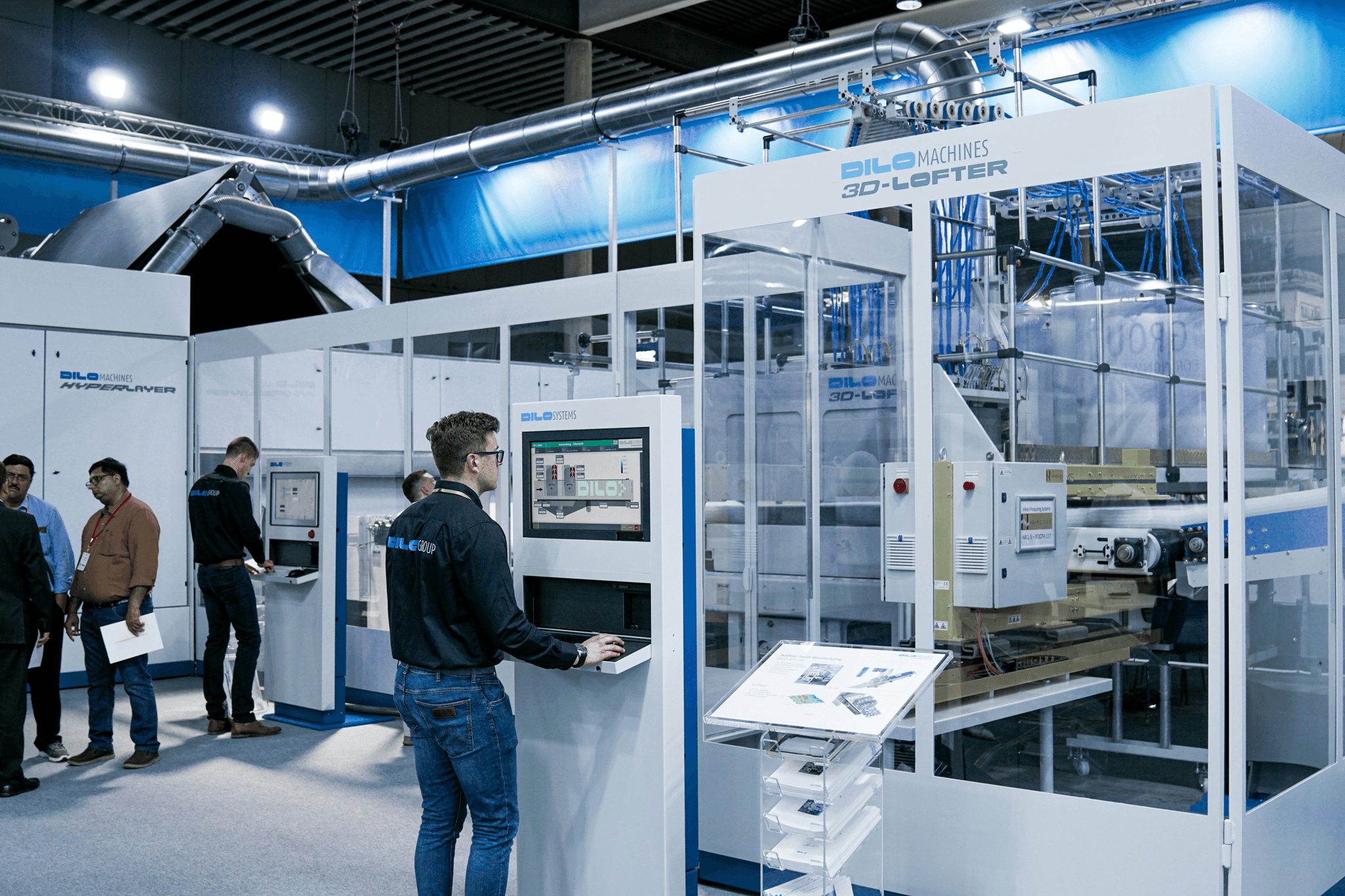
In the fast-paced world of manufacturing, ensuring quality from the very start is crucial. This is where the Initial Production Check (IPC) comes into play, serving as a vital checkpoint to assess product quality before mass production begins. By understanding what an Initial Production Check entails, companies can significantly enhance their production processes and outcomes.
Understanding Initial Production Checks
An Initial Production Check (IPC) is a systematic evaluation conducted early in the production cycle to verify that manufacturing processes are in line with established standards and specifications. The primary goal of an IPC is to identify any potential issues before they escalate, allowing for timely interventions that can save both time and resources. By grasping the essence of what an IPC involves, organizations can better prepare themselves for successful production runs.
Importance of Initial Production Checks
The significance of performing an Initial Production Check cannot be overstated; it serves as a safeguard against defects and inconsistencies that could tarnish a company's reputation. Implementing an IPC fosters a culture of quality assurance, ultimately enhancing customer satisfaction and trust in the brand. Moreover, by addressing issues early on through an IPC, companies can mitigate risks that may lead to costly recalls or reworks down the line.
Overview of the IPC Process
The IPC process involves several key steps designed to ensure thorough evaluation and compliance with quality standards. Initially, companies must prepare adequately by gathering necessary documentation and establishing criteria for inspection. Following this preparation phase, qualified inspectors execute checks using specialized tools and techniques tailored for effective assessments—laying the groundwork for a successful production journey ahead.
What is an Initial Production Check?

An Initial Production Check (IPC) is a systematic evaluation conducted at the beginning of a manufacturing process to ensure that products meet specified standards and requirements. This proactive measure allows companies to identify potential issues early, preventing costly mistakes down the line. By understanding what an Initial Production Check entails, businesses can better appreciate its significance in maintaining quality and efficiency.
Defining IPC and Its Purpose
So, what is an Initial Production Check (IPC)? It’s essentially a quality control procedure carried out before mass production begins. The purpose of an IPC is to verify that the initial samples conform to design specifications and regulatory standards, thereby ensuring that any deviations can be addressed promptly.
The IPC serves as a critical checkpoint in the production timeline, allowing manufacturers to confirm that processes are set up correctly before full-scale operations commence. By identifying problems at this stage, companies can avoid larger-scale failures later on. Ultimately, this process helps establish a solid foundation for product quality right from the start.
Key Objectives of an IPC
The key objectives of conducting an Initial Production Check revolve around ensuring product quality and compliance with set standards. First and foremost, companies aim to detect any discrepancies between the actual products and their intended specifications during this check. Additionally, another objective is to verify that all equipment used in production meets operational requirements.
Moreover, through effective communication among stakeholders during the IPC process, potential risks can be mitigated early on—enhancing overall project management efficiency. Companies also strive for continuous improvement by using findings from these checks as feedback for future production cycles. In essence, each IPC serves not only as a safeguard but also as a learning opportunity for enhanced performance.
Benefits of Conducting an IPC
Conducting an Initial Production Check offers numerous benefits that extend beyond mere compliance with regulations or standards. Firstly, it significantly enhances quality assurance by identifying defects or issues before they escalate into larger problems during mass production—saving time and resources in the long run. Secondly, it plays a pivotal role in boosting customer satisfaction; when products meet or exceed expectations consistently due to rigorous checks like these, customer loyalty tends to increase.
Another benefit worth noting is cost efficiency through early detection; addressing issues at this stage minimizes waste associated with rework or recalls later on in the production cycle. Furthermore, having robust inspection processes fosters trust between manufacturers and clients—demonstrating commitment to delivering high-quality products consistently over time. As such, investing in Initial Production Checks proves invaluable for both operational success and reputation management within competitive markets.
Why Should Companies Perform an IPC?

In today’s competitive market, understanding the value of an Initial Production Check (IPC) is crucial for companies aiming to maintain high standards and customer satisfaction. An IPC acts as a safety net, ensuring that production processes align with quality expectations and regulatory requirements. By integrating IPC into their operations, businesses can significantly enhance their overall efficiency and product reliability.
Quality Assurance and Risk Mitigation
Quality assurance is at the heart of any successful production process, and this is where the Initial Production Check shines. Conducting an IPC allows companies to identify potential defects early in the manufacturing stage, reducing the risk of costly recalls or customer complaints later on. By addressing issues proactively through an IPC, companies not only safeguard their reputation but also mitigate financial risks associated with poor quality products.
Enhancing Customer Satisfaction
Customer satisfaction hinges on delivering products that meet or exceed expectations, which makes performing an Initial Production Check essential. When businesses conduct thorough IPCs, they demonstrate a commitment to quality that resonates with consumers. Satisfied customers are more likely to become repeat buyers and brand advocates, ultimately driving sales and fostering long-term loyalty.
Cost Efficiency Through Early Detection
The financial implications of conducting an Initial Production Check cannot be overstated; early detection of defects can save companies significant amounts in rework costs and lost sales opportunities. By identifying problems during production rather than post-delivery, companies can streamline their processes and reduce waste—both in materials and time. This cost efficiency not only boosts profit margins but also allows businesses to allocate resources more effectively for future projects.
When is the Best Time to Conduct an IPC?
Timing can make or break the effectiveness of an Initial Production Check (IPC). Understanding when to conduct an IPC is crucial for maximizing its benefits, ensuring that potential issues are identified early in the production process. The right timing not only enhances quality but also streamlines operations and saves costs down the line.
Timing Factors for Effective IPC
Several factors influence when to perform an Initial Production Check. For instance, the complexity of the product being manufactured, the length of the production cycle, and supplier reliability all play significant roles in determining optimal timing. Ideally, an IPC should occur after a sufficient number of initial units have been produced but before mass production begins, allowing time for adjustments based on findings.
Another critical factor is aligning IPC with major production milestones. This ensures that checks are integrated into key phases rather than being treated as a last-minute effort. By strategically scheduling your IPCs around these milestones, companies can react swiftly to any issues that arise and maintain a steady flow toward their production goals.
Integrating IPC into Production Schedules
Incorporating Initial Production Checks into existing production schedules requires careful planning and communication among teams. Establishing a clear timeline that includes designated slots for IPCs helps ensure that everyone involved understands their responsibilities and deadlines. This proactive approach minimizes disruptions while allowing teams to address any concerns before they escalate.
Moreover, integrating IPCs into regular workflows encourages a culture of quality assurance within organizations. When teams anticipate these checks as part of their routine rather than as additional tasks, it fosters accountability and diligence across all levels of production staff. A well-timed IPC can serve as both a checkpoint and a motivator for continuous improvement in quality standards.
Case Studies on Timing Success
Looking at successful case studies reveals how timely Initial Production Checks can lead to remarkable outcomes. One company specializing in consumer electronics implemented an IPC just after their first batch was produced; this early intervention allowed them to identify design flaws that could have led to costly recalls later on. By acting promptly based on their findings from this initial check, they saved both time and resources while enhancing customer satisfaction significantly.
Another example comes from a textile manufacturer who scheduled their IPC during peak manufacturing periods but ensured it didn't interfere with output rates by staggering checks across various lines. This strategic timing not only maintained productivity but also provided valuable insights into potential quality issues without causing delays in delivery schedules. These cases illustrate how effective timing in conducting an Initial Production Check can lead to improved operational efficiency and customer trust.
What Are the Steps in Conducting an Initial Production Check?
Conducting an Initial Production Check (IPC) is a structured process that ensures quality and compliance right from the outset of production. This section will guide you through the essential steps involved in performing an IPC, emphasizing preparation, execution, and analysis. By understanding these steps, companies can better appreciate the significance of an IPC and its role in maintaining product standards.
Preparing for the IPC
Preparation is key to a successful Initial Production Check (IPC). Before diving into the actual inspection, it’s crucial to gather all necessary documentation, including specifications, quality standards, and production schedules. Additionally, assembling a qualified team with clear roles ensures that everyone knows their responsibilities during the IPC process.
Moreover, it's important to communicate with suppliers and production teams to set expectations for what will be checked during the IPC. This proactive approach not only streamlines the process but also reinforces why companies should perform an IPC—to catch potential issues before they escalate. Effective preparation lays a solid foundation for executing a thorough check later on.
Executing the Check: Key Procedures
Once preparations are complete, it's time to execute the Initial Production Check (IPC). The first step involves visually inspecting samples from the initial batch against established quality criteria. This includes checking dimensions, materials used, and overall workmanship—ensuring that everything aligns with what is expected based on prior agreements.
In addition to visual inspections, conducting functional tests may also be necessary depending on what is being produced. During this phase of an IPC, documenting findings meticulously is essential; this creates a record that can inform future decisions or adjustments needed in production processes. Following these key procedures helps mitigate risks associated with product flaws and enhances overall customer satisfaction.
Analyzing Results and Next Steps
After executing the check comes one of the most critical phases: analyzing results from your Initial Production Check (IPC). It's important to review all documented findings carefully to identify any discrepancies or areas needing improvement. This analysis not only highlights potential risks but also informs whether production can proceed as planned or if corrective actions are required.
Once results have been analyzed, companies must decide on next steps based on their findings—this could involve reworking products or adjusting manufacturing processes altogether. Engaging stakeholders in this discussion ensures transparency and fosters collaborative problem-solving efforts moving forward. Ultimately, thorough analysis post-IPC reinforces why companies should perform such checks regularly; it’s about continuous improvement rather than just compliance.
Who Performs Initial Production Checks?
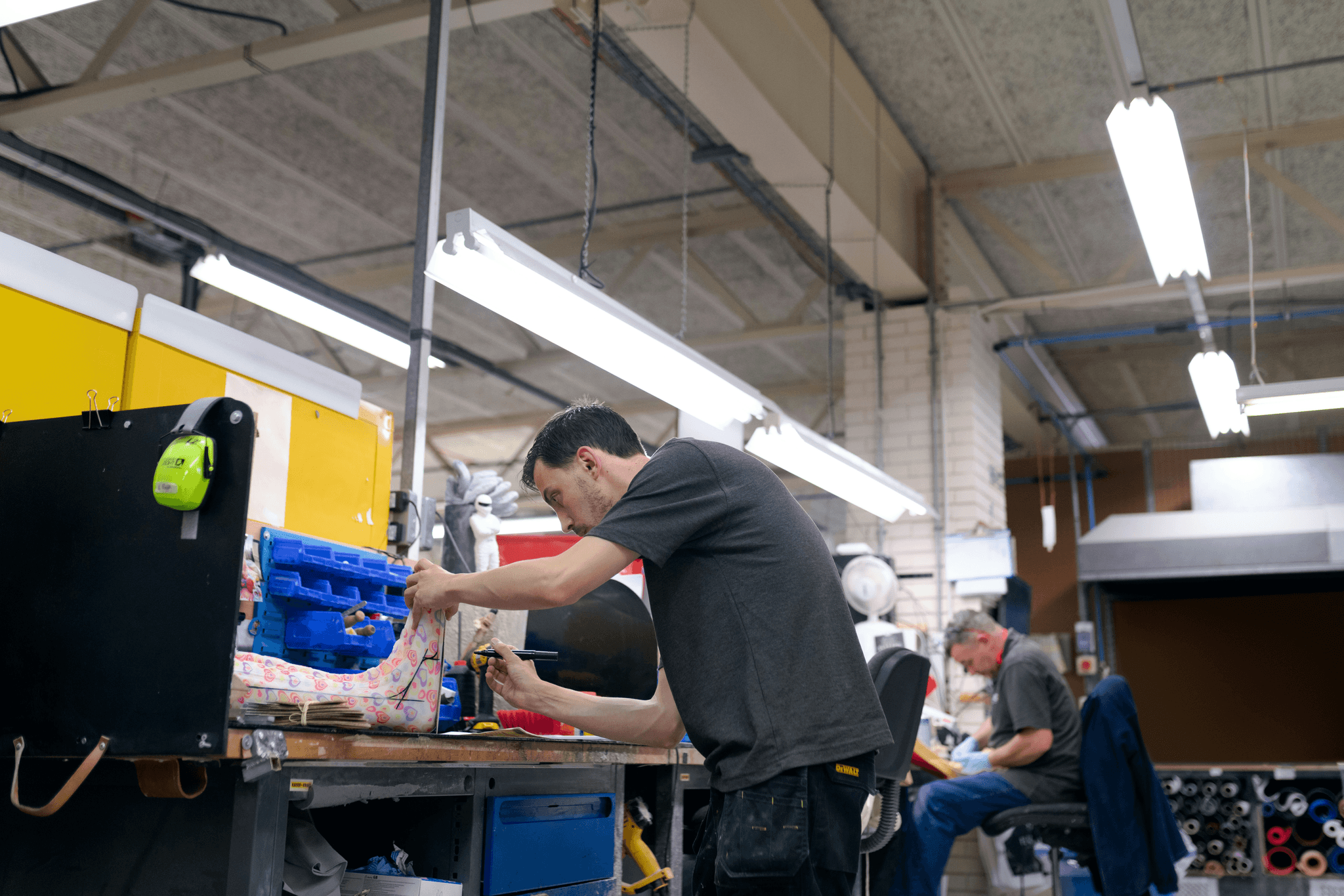
When it comes to conducting an Initial Production Check (IPC), various roles play a crucial part in ensuring that the process runs smoothly and effectively. These roles include quality control inspectors, production managers, and even external auditors who specialize in IPCs. Each of these individuals brings unique expertise to the table, contributing to the overall success of the IPC process.
Roles Involved in IPC
Quality control inspectors are often at the forefront of performing an Initial Production Check (IPC). They meticulously examine products during early production stages to ensure compliance with established standards and specifications. Meanwhile, production managers oversee the entire operation, coordinating between teams to facilitate a seamless IPC experience.
In addition to these primary roles, external auditors may also be engaged for their impartial perspective during an IPC. Their fresh eyes can identify potential issues that internal teams might overlook, adding another layer of thoroughness to the inspection process. Ultimately, collaboration among these roles is essential for effective execution of What is an Initial Production Check (IPC)?
Importance of Qualified Inspectors
Qualified inspectors are vital when considering Why Should Companies Perform an IPC? Their expertise not only ensures adherence to quality standards but also mitigates risks associated with defective products reaching consumers. An experienced inspector can detect subtle flaws that could escalate into significant problems if left unaddressed.
Moreover, having qualified inspectors on board enhances credibility with clients and stakeholders alike. Companies that prioritize quality assurance through well-trained personnel demonstrate their commitment to excellence and customer satisfaction. This is particularly relevant when discussing When is the Best Time to Conduct an IPC?—the sooner qualified inspectors can identify issues, the better for all involved.
Profiles of Leading Inspection Organizations
Several leading organizations specialize in conducting Initial Production Checks (IPCs) across various industries worldwide. These organizations employ highly trained professionals who utilize advanced techniques and tools tailored for effective inspections. Notable names include SGS, Bureau Veritas, and Intertek; each has carved out a niche by focusing on specific sectors while maintaining rigorous quality standards.
These organizations often provide comprehensive services beyond just conducting What Are the Steps in Conducting an Initial Production Check?. They may offer training programs for internal staff or consultation services aimed at enhancing overall production processes—further underscoring their role as invaluable partners in quality assurance efforts. By aligning with such reputable entities, companies reinforce their commitment to excellence during every stage of production.
What Tools and Techniques Are Utilized in IPC?

When it comes to conducting an Initial Production Check (IPC), the right tools and techniques can make all the difference between a smooth operation and a chaotic one. Companies need to equip themselves with essential equipment that not only streamlines the IPC process but also ensures accuracy and reliability. By leveraging innovative techniques, businesses can enhance their IPC processes, leading to better quality assurance outcomes.
Essential Equipment for Effective Checks
To perform an Initial Production Check effectively, companies should invest in essential equipment that aids in accurate inspections. This includes measuring tools like calipers, gauges, and scales to ensure product specifications are met. Additionally, visual inspection tools such as magnifying glasses or cameras can help identify defects early on, making them invaluable during the IPC process.
Moreover, having access to testing equipment like tensile testers or thermal imaging cameras can provide deeper insights into product performance during the Initial Production Check. These tools not only facilitate quality assurance but also contribute significantly to risk mitigation—one of the key reasons why companies should perform an IPC regularly. Ultimately, equipping teams with the right tools enhances their ability to catch issues before they escalate into costly problems down the line.
Innovative Techniques in the IPC Process
In today's fast-paced manufacturing landscape, relying solely on traditional methods for an Initial Production Check may not suffice; innovative techniques are essential for staying ahead of potential pitfalls. One such technique is implementing automated inspection systems equipped with AI technology that analyzes production samples rapidly and accurately. This approach significantly reduces human error while increasing efficiency during the IPC process.
Another cutting-edge technique involves utilizing data analytics software that collects real-time data from production lines during initial checks—allowing companies to make informed decisions instantly. By integrating these modern methodologies into their IPC processes, organizations can enhance customer satisfaction by ensuring high-quality products reach consumers without delays or defects.
How China Inspection Pro Enhances IPC
China Inspection Pro stands out as a leader in enhancing Initial Production Checks through its comprehensive suite of services designed specifically for manufacturers aiming for excellence. Their team utilizes state-of-the-art technology alongside highly trained inspectors who understand what is an Initial Production Check (IPC) inside out—ensuring rigorous adherence to quality standards throughout production cycles.
What sets China Inspection Pro apart is its commitment to continuous improvement; they employ feedback loops from previous inspections to refine their techniques further and adapt them according to industry trends and client needs. As a result, companies engaging with China Inspection Pro not only benefit from effective checks but also gain insights into best practices that inform future strategies—making it clear why organizations should prioritize performing an IPC consistently.
Conclusion
In summary, the Initial Production Check (IPC) is a crucial component of the manufacturing process that ensures quality and efficiency. By understanding what an Initial Production Check is and why companies should perform it, businesses can significantly enhance their production outcomes. This conclusion will highlight key takeaways, the role of IPC in quality improvement, and final thoughts on effective inspection strategies.
Key Takeaways on Initial Production Checks
The Initial Production Check serves as a proactive measure to identify potential issues before they escalate into costly problems. Companies that implement an IPC can expect improved product quality and reduced risk of defects, ultimately leading to better customer satisfaction. Understanding when is the best time to conduct an IPC can further amplify its benefits, ensuring that inspections are timely and relevant.
The Role of IPC in Quality Improvement
Quality improvement is at the heart of every successful manufacturing operation, and the Initial Production Check plays a vital role in this endeavor. By systematically evaluating production processes through IPCs, companies can pinpoint areas for enhancement and maintain high standards throughout their operations. This continuous focus on quality not only boosts brand reputation but also fosters long-term customer loyalty.
Final Thoughts on Effective Inspection Strategies
Incorporating effective inspection strategies like the Initial Production Check into production schedules is essential for any company aiming for success in today’s competitive market. Understanding who performs initial production checks and what tools and techniques are utilized can streamline this process even further. Ultimately, investing time and resources into robust IPC practices will yield significant dividends in terms of quality assurance, customer satisfaction, and operational efficiency.