
Introduction
In the dynamic world of supply chain management, Supplier Evaluation stands as a critical pillar for ensuring operational excellence and strategic partnerships. Understanding the essentials of Supplier Evaluation not only helps businesses assess their suppliers effectively but also enhances overall supply chain performance. This process is not just about checking off boxes; it’s about fostering relationships and ensuring that your suppliers align with your company’s goals and standards.
Understanding Supplier Evaluation Essentials
Supplier Evaluation refers to the systematic process of assessing potential or existing suppliers based on various criteria such as quality, reliability, and financial stability. By diving deep into what constitutes a thorough evaluation, organizations can identify strengths and weaknesses in their supplier base, ultimately leading to informed decision-making. This understanding sets the stage for exploring what are the benefits of conducting Supplier Evaluation, including risk mitigation and improved cost efficiency.
Key Reasons for Supplier Evaluation
There are numerous compelling reasons why businesses should prioritize Supplier Evaluation. Firstly, it enhances supplier relationships by fostering transparency and open communication channels between parties involved. Secondly, regular evaluations help mitigate risks within supply chains by identifying potential issues before they escalate into significant problems—something every organization wants to avoid!
The Process of Supplier Evaluation
The Supplier Evaluation process is structured yet flexible enough to adapt to different business needs and environments. It typically involves several steps: defining evaluation criteria, gathering data through various methods like surveys or audits, analyzing findings, and reporting results back to stakeholders for informed decision-making. Understanding how this process works is crucial for any organization looking to optimize its supplier partnerships effectively while addressing questions such as when should a supplier evaluation be conducted?
What is Supplier Evaluation?
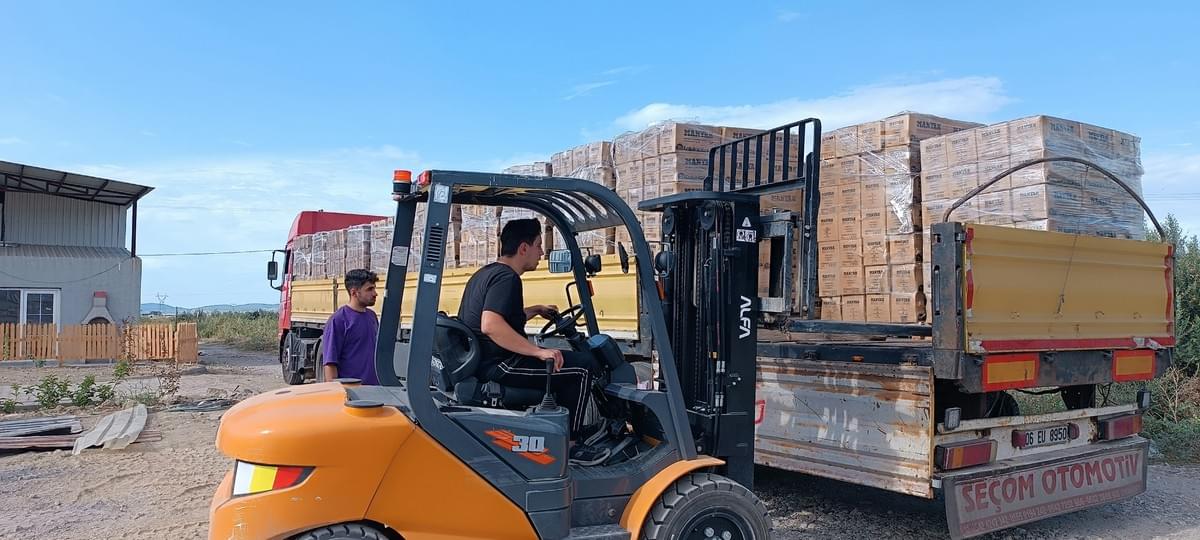
Supplier evaluation is a systematic process used by organizations to assess and select suppliers based on various criteria. This process involves gathering information about potential and existing suppliers to determine their capability, reliability, and overall fit with the organization's needs. By understanding what supplier evaluation entails, businesses can make informed decisions that enhance their supply chain efficiency.
Defining Supplier Evaluation
Supplier evaluation refers to the methods and criteria used to assess a supplier's performance and capabilities. It encompasses a range of activities, including reviewing financial stability, quality assurance processes, compliance with regulations, and overall reliability in delivering goods or services. Essentially, supplier evaluation aims to identify those suppliers who align best with an organization's strategic goals.
Importance in Supply Chain Management
The importance of supplier evaluation in supply chain management cannot be overstated; it serves as the backbone of effective procurement strategies. By regularly conducting thorough evaluations, companies can ensure they are working with suppliers who meet their quality standards while also providing cost-effective solutions. Moreover, a robust supplier evaluation process contributes significantly to risk mitigation by identifying potential issues before they escalate into larger problems.
Role in Quality Assurance
Quality assurance plays a vital role in supplier evaluation as it directly impacts product integrity and customer satisfaction. Evaluating suppliers for quality ensures that materials or services provided meet established standards consistently over time. By prioritizing quality through rigorous evaluations, organizations can minimize defects and enhance their reputation in the marketplace while also fostering stronger relationships with dependable suppliers.
What are the Benefits of Conducting Supplier Evaluation?
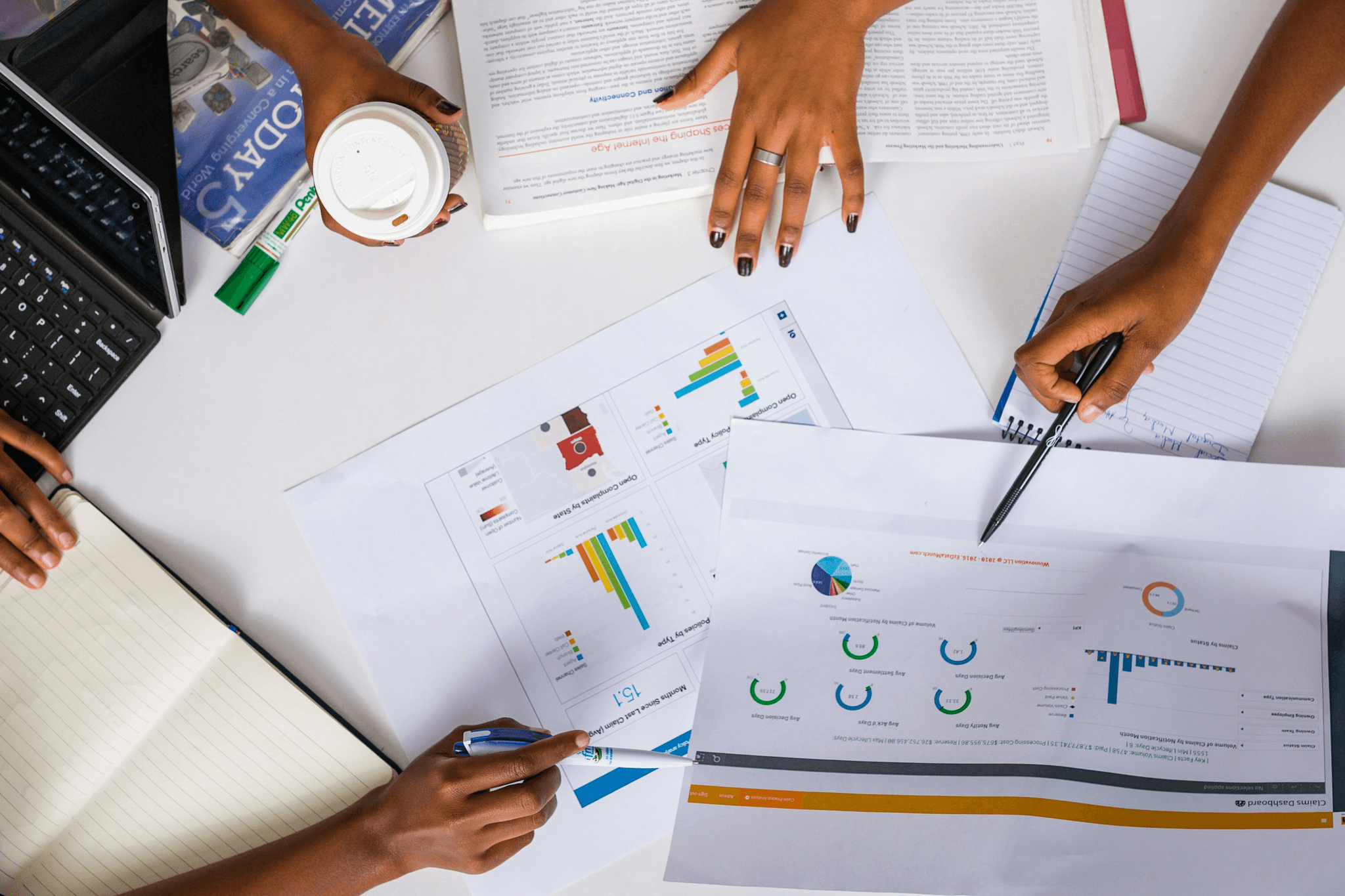
Conducting a Supplier Evaluation is not just a box-ticking exercise; it’s a strategic move that can significantly enhance your business operations. Understanding the benefits of supplier evaluation helps organizations to optimize their supply chains, strengthen relationships, and ultimately drive profitability. By exploring these advantages, companies can better appreciate the value that regular assessments bring to their procurement processes.
Enhancing Supplier Relationships
One of the most significant benefits of conducting supplier evaluations is the enhancement of supplier relationships. Regular evaluations create an open line of communication, allowing businesses to provide feedback and collaborate on improvements effectively. This collaborative spirit fosters trust and loyalty, which can lead to more favorable terms and conditions in future negotiations.
Furthermore, when suppliers know they are being evaluated regularly, they are more likely to maintain high standards in quality and service delivery. This proactive approach ensures that both parties are aligned in their goals, resulting in smoother operations and fewer misunderstandings over time. In essence, strong supplier relationships built through consistent evaluation can be a game-changer for any organization looking to thrive in a competitive market.
Mitigating Risks in Supply Chains
Supplier evaluation plays a crucial role in mitigating risks within supply chains by identifying potential weaknesses before they escalate into major issues. Through systematic assessments, businesses can pinpoint areas of concern such as financial instability or compliance issues that could disrupt operations down the line. By addressing these risks proactively, organizations can avoid costly disruptions and maintain continuity in their supply chain.
Moreover, understanding what are the key supplier evaluation criteria allows companies to develop tailored risk management strategies suited for each supplier relationship. For instance, if financial stability is identified as a risk factor during evaluations, companies can take steps such as diversifying suppliers or negotiating more favorable payment terms to safeguard against potential failures. Ultimately, effective risk mitigation through supplier evaluation leads to greater resilience against unforeseen challenges.
Improving Cost Efficiency
Another compelling advantage of conducting supplier evaluations is improved cost efficiency across various aspects of procurement and supply chain management. By analyzing performance data from evaluations—whether through survey-based assessments or on-site audits—organizations can identify opportunities for cost savings without sacrificing quality or service levels. This data-driven approach allows businesses to make informed decisions about which suppliers offer the best value for money.
Additionally, regular evaluations help organizations negotiate better pricing structures with suppliers based on performance metrics gathered during assessments. When suppliers know they’re being evaluated frequently on criteria like delivery times and product quality, they're incentivized to optimize their processes—often leading to lower costs for both parties involved. Thus, implementing effective methods for evaluating suppliers translates directly into enhanced profitability through smarter spending.
When Should a Supplier Evaluation be Conducted?

Knowing when to evaluate suppliers can significantly enhance the efficiency of your supply chain and ensure that your business maintains high standards. In this section, we will explore the optimal timing for initial evaluations, the frequency of regular assessments, and the specific trigger events that may necessitate re-evaluation.
Timing for Initial Evaluations
The timing for initial evaluations of suppliers is crucial in establishing a solid foundation for any business relationship. Typically, a Supplier Evaluation should be conducted before entering into any binding agreements or contracts with potential suppliers. This proactive approach ensures that you select partners who meet your quality standards and align with your business objectives right from the start.
Regular Assessment Frequency
Once you've established relationships with suppliers through initial evaluations, it's essential to implement a regular assessment frequency to maintain quality control. Regular Supplier Evaluations can vary depending on industry standards or specific contractual obligations but are generally recommended at least annually. By consistently evaluating supplier performance, businesses can identify areas for improvement and ensure compliance with evolving quality standards.
Trigger Events for Re-Evaluation
Sometimes circumstances change unexpectedly; this is where trigger events come into play in determining when a Supplier Evaluation should be conducted again. Significant changes such as mergers or acquisitions, shifts in market demand, or even changes in regulatory requirements could warrant an immediate re-evaluation of existing suppliers. Additionally, if there are noticeable declines in product quality or service levels during routine operations, it’s time to revisit those evaluations and make necessary adjustments.
What are the Key Supplier Evaluation Criteria?

When diving into the realm of Supplier Evaluation, it’s essential to understand that not all suppliers are created equal. The criteria used to evaluate suppliers can make or break your supply chain efficiency and effectiveness. By focusing on key evaluation criteria, businesses can ensure they partner with suppliers who not only meet their needs but also contribute positively to overall performance.
Assessing Quality and Reliability
Quality and reliability stand at the forefront of Supplier Evaluation criteria. When evaluating suppliers, businesses must consider their track record for delivering high-quality products consistently over time. Reliable suppliers help mitigate risks in supply chains by ensuring that materials or services are delivered on time and meet specified standards, thus enhancing the overall efficiency of operations.
A well-structured Supplier Evaluation process should include metrics such as defect rates, adherence to specifications, and historical performance data. These factors play a crucial role in determining whether a supplier can be trusted with critical components of your supply chain. Remember, choosing a reliable supplier is akin to laying a strong foundation for your business; it supports everything built upon it.
Financial Stability Considerations
Financial stability is another pivotal aspect of Supplier Evaluation that often gets overlooked until it's too late. Evaluating a supplier's financial health helps organizations assess potential risks associated with partnering with them. If a supplier is financially unstable, it could lead to disruptions in the supply chain—something no business wants on its plate.
Key indicators such as credit ratings, revenue trends, and profit margins should be scrutinized during evaluations. Understanding these financial metrics allows businesses to make informed decisions about whether they can depend on a supplier long-term or if they need to keep searching for alternatives. After all, when considering What are the Benefits of Conducting Supplier Evaluation?, ensuring financial stability is right at the top!
Evaluating Compliance and Certifications
Compliance with industry regulations and certifications forms yet another cornerstone of effective Supplier Evaluation criteria. In today's regulatory landscape, ensuring that suppliers adhere to legal standards is paramount for maintaining quality assurance throughout the supply chain process. Non-compliance can lead not only to legal repercussions but also damage your brand reputation—a risk no company should take lightly.
During evaluations, businesses should verify certifications relevant to their specific industry—be it ISO standards or safety regulations—and assess how well suppliers adhere to these requirements over time. This diligence ensures that you're working with suppliers who prioritize quality assurance as much as you do! Ultimately, understanding When Should a Supplier Evaluation be Conducted? becomes even more critical when compliance issues arise; regular assessments help catch any potential problems before they escalate.
In summary, focusing on quality and reliability, financial stability considerations, as well as compliance and certifications will set you up for success in your Supplier Evaluation efforts! Each criterion plays an integral role in shaping robust supplier relationships that enhance operational efficiency while mitigating risks—an absolute win-win situation!
What are the Different Types of Supplier Evaluations?
Supplier evaluation is a multifaceted process that can take various forms, each tailored to meet specific needs and objectives. Understanding the different types of supplier evaluations allows organizations to choose the best method for their unique circumstances. By leveraging these evaluation types effectively, businesses can optimize their supply chains and ensure they are working with the best suppliers.
Survey-Based Supplier Assessments
Survey-based supplier assessments are a popular method for gathering feedback directly from suppliers and relevant stakeholders. These surveys can cover a range of topics, including quality, delivery performance, and communication effectiveness. By asking targeted questions, organizations can gain valuable insights into supplier performance, which contributes to a comprehensive supplier evaluation process.
One of the key benefits of survey-based assessments is their ability to reach a broad audience without requiring extensive resources or time commitments. They allow businesses to gather data quickly and analyze trends over time, making it easier to identify areas for improvement. Additionally, these assessments often lead to enhanced supplier relationships as they show suppliers that their input is valued in the overall evaluation process.
On-Site Audits and Inspections
On-site audits and inspections represent a more hands-on approach to supplier evaluation that involves visiting the supplier's facilities. This method provides an opportunity for evaluators to assess processes in real-time and verify compliance with established standards or regulations. By observing operations firsthand, companies can better understand how suppliers manage quality assurance and risk mitigation.
Conducting on-site evaluations helps ensure that what is reported in surveys matches actual practices at the facility level—creating transparency in the relationship between buyers and suppliers. Furthermore, these audits often reveal potential issues before they escalate into larger problems within the supply chain. Ultimately, on-site inspections enhance credibility in the supplier evaluation process by providing concrete evidence of performance metrics.
Performance Scorecards
Performance scorecards are another effective tool within the realm of supplier evaluation that quantifies various aspects of supplier performance against predetermined criteria. These scorecards typically include metrics such as quality levels, delivery timelines, cost efficiency, and customer service ratings—providing a holistic view of how well a supplier meets expectations over time.
The use of performance scorecards allows organizations not only to track improvements but also to benchmark suppliers against one another or industry standards—making it easier to identify top performers versus those who may need additional support or development efforts. Moreover, by regularly updating scorecards based on ongoing evaluations—businesses align their goals with continuous improvement initiatives within their supply chains.
What are the Best Methods for Evaluating Suppliers?

Supplier evaluation is a critical aspect of supply chain management, and utilizing effective methods can streamline the process significantly. By employing modern techniques and tools, businesses can enhance their supplier evaluation practices while ensuring they reap all the benefits of conducting supplier evaluations. It’s not just about checking boxes; it’s about fostering relationships that contribute to overall success.
Utilizing Technology in Evaluations
In today's digital age, technology plays a pivotal role in supplier evaluation processes. Utilizing software solutions can automate data collection and analysis, making it easier to assess suppliers against key criteria efficiently. Furthermore, advanced analytics tools allow companies to visualize performance trends over time, helping stakeholders make informed decisions regarding when a supplier evaluation should be conducted.
Moreover, cloud-based platforms enable real-time collaboration among team members involved in the supplier evaluation process. This means that everyone from procurement to quality assurance can access up-to-date information on suppliers at any time. By leveraging technology effectively, organizations not only simplify their evaluations but also ensure they remain competitive in an ever-evolving marketplace.
Implementing Structured Feedback
Structured feedback is essential for effective supplier evaluations as it provides clarity and consistency throughout the assessment process. By establishing clear criteria based on what are the key supplier evaluation criteria—such as quality, reliability, and compliance—businesses can create standardized forms or scorecards for evaluating suppliers systematically. This approach ensures that every aspect of a supplier's performance is considered without bias.
Additionally, structured feedback encourages open communication between buyers and suppliers which enhances relationships over time. When suppliers receive constructive feedback based on well-defined parameters, they are more likely to understand areas for improvement and work collaboratively towards better outcomes. Ultimately, this method not only streamlines evaluations but also fosters continuous improvement within supply chains.
Engaging Third-Party Services like China Inspection Pro
Engaging third-party services such as China Inspection Pro offers an additional layer of expertise in the realm of supplier evaluation. These specialized firms provide objective assessments that help organizations gain insights into potential risks associated with their suppliers while ensuring compliance with industry standards. When considering what are the different types of supplier evaluations available, third-party audits stand out due to their impartiality and thoroughness.
Moreover, using third-party services allows companies to focus on core business functions while leaving detailed inspections and compliance checks to experts who specialize in these tasks. This partnership not only enhances efficiency but also mitigates risks within supply chains by providing comprehensive reports on vendor performance against established benchmarks from what are the benefits of conducting supplier evaluations?. In short, enlisting external help ensures thoroughness without overwhelming internal resources.
How Does the Supplier Evaluation Process Work?

The Supplier Evaluation process is an essential framework that ensures organizations select and maintain relationships with suppliers who meet their standards. This process not only enhances quality assurance but also aligns with the broader goals of supply chain management. By understanding how the Supplier Evaluation process works, businesses can maximize the benefits of conducting supplier evaluations, ensuring they choose partners who contribute positively to their operations.
Step-by-Step Evaluation Framework
A structured step-by-step evaluation framework is crucial for effective Supplier Evaluation. The first step often involves defining clear objectives and criteria based on what are the key supplier evaluation criteria relevant to your business needs. Next, data collection methods such as surveys or on-site inspections are deployed, followed by analyzing this data against established benchmarks to gauge supplier performance accurately.
Once the data has been analyzed, it’s important to compile findings into a comprehensive report that highlights strengths and weaknesses in supplier performance. This report serves as a roadmap for decision-making regarding future engagements or necessary improvements from suppliers. Finally, feedback loops should be established to ensure continuous monitoring and adaptation of evaluation criteria as market dynamics change.
Collaboration with Stakeholders
Collaboration is at the heart of an effective Supplier Evaluation process; it involves engaging various stakeholders within an organization who have a vested interest in supplier performance. Involving departments like procurement, quality assurance, and finance ensures that all aspects of what are the benefits of conducting supplier evaluations are considered holistically. By fostering open communication among these teams, organizations can gather diverse insights that enhance overall evaluation accuracy.
Stakeholder collaboration also facilitates alignment on what constitutes acceptable performance levels based on collective experiences and expectations from suppliers. Furthermore, involving stakeholders during evaluations helps build consensus around decisions made regarding supplier relationships—leading to stronger partnerships grounded in mutual understanding. Ultimately, this collaborative approach enriches the evaluation process by integrating multiple perspectives into decision-making.
Analyzing and Reporting Findings
Analyzing and reporting findings from Supplier Evaluations is where insights transform into actionable strategies for improvement or change. After collecting data through various methods—whether through survey-based assessments or performance scorecards—the next step is interpreting this information effectively against predetermined key criteria. This analysis should focus not just on identifying issues but also recognizing opportunities for enhancing supplier relationships.
Once analysis is complete, generating a detailed report becomes vital; it should summarize key findings while addressing specific areas such as compliance with regulations or financial stability considerations—elements critical when assessing risks within supply chains. Effective reporting not only communicates results clearly but also sets actionable recommendations for both suppliers and internal teams involved in maintaining those relationships moving forward.
Conclusion
In wrapping up our exploration of Supplier Evaluation, it’s clear that a robust evaluation process is essential for any organization looking to optimize its supply chain. Supplier Evaluation is not just a one-time task; it’s an ongoing commitment to fostering strong relationships and ensuring quality and compliance across the board. By understanding what are the benefits of conducting Supplier Evaluation, organizations can leverage these insights for better decision-making and strategic planning.
Key Takeaways on Supplier Evaluation
One of the key takeaways from our discussion on Supplier Evaluation is the critical role it plays in maintaining high standards within supply chains. Regular assessments help organizations identify potential risks early on, ensuring that they can address issues before they escalate into larger problems. Additionally, knowing when should a Supplier Evaluation be conducted—whether during initial onboarding or as part of regular reviews—can significantly impact overall supplier performance.
Future Trends in Supplier Evaluation
Looking ahead, we can expect several trends to shape how organizations approach Supplier Evaluations. The integration of advanced technologies such as artificial intelligence and data analytics will likely enhance the accuracy and efficiency of evaluations, making them more insightful than ever before. Moreover, as businesses increasingly recognize what are the key supplier evaluation criteria—including sustainability practices—the focus will shift towards evaluating suppliers not only on cost but also on ethical practices and environmental impact.
Importance of Continuous Improvement
Continuous improvement is essential in the realm of Supplier Evaluation; it's about evolving alongside your suppliers to adapt to changing market conditions and expectations. Organizations must regularly revisit their evaluation methods—what are the different types of supplier evaluations used, and refine them based on feedback and performance metrics collected over time. By embracing a culture where improvement is prioritized, businesses can ensure that their supplier relationships remain productive, compliant, and beneficial in the long run.