
Introduction
Toilets are often overlooked in the grand scheme of household maintenance, yet they play a crucial role in our daily lives. Understanding the need for toilet inspection is essential not just for hygiene but also for preventing costly repairs down the line. Regular inspections can help identify issues before they escalate, ensuring that your household toilet types function properly and efficiently.
Understanding the Need for Toilet Inspection
A thorough toilet inspection can uncover a variety of problems that might otherwise go unnoticed, from minor leaks to major structural failures. Ignoring these issues can lead to more significant complications, such as water damage or increased utility bills. By prioritizing inspections, homeowners can protect their investment and maintain a healthy living environment.
Common Toilet Issues and Their Impacts
Household toilets can suffer from various common problems, including clogs, leaks, and flushing issues. These problems not only disrupt daily routines but also pose risks like water waste and mold growth if left unaddressed. The impacts of neglecting these concerns highlight the importance of regular materials inspection and assembly inspection to keep toilets running smoothly.
Overview of the Inspection Process
The toilet inspection process encompasses several key steps: visual inspection, materials inspection, assembly inspection, coating inspection, and final inspection. Each step plays a vital role in identifying potential issues and ensuring that all components are functioning correctly. By following this comprehensive approach, homeowners can maintain their toilets effectively while avoiding unexpected headaches down the road.
Household Toilet Types

Differences Between Toilets
Household toilets can be broadly categorized into several types, including gravity-flush, pressure-assisted, and composting toilets. Gravity-flush toilets rely on the force of gravity to clear waste, while pressure-assisted models use compressed air for a more powerful flush. Composting toilets take a greener approach by breaking down waste through aerobic decomposition, making them ideal for off-grid living or eco-conscious households.
These differences in design not only affect how well each type functions but also dictate what inspectors should pay attention to during a thorough toilet inspection. For instance, gravity-flush systems might require more focus on water levels and tank mechanisms during materials inspection, whereas pressure-assisted models could present unique assembly inspection challenges due to their complex internal components.
Common Problems in Different Designs
Every household toilet type comes with its own set of common problems that can be uncovered during a meticulous toilet inspection. Gravity-flush toilets frequently suffer from clogs or weak flushes due to mineral buildup in the siphon jet or flapper malfunctions. On the other hand, pressure-assisted toilets may experience issues like leaks from the pressure vessel or problems with air compression.
Composting toilets often face challenges related to odor control and moisture levels; improper maintenance can lead to unpleasant smells and ineffective waste breakdown. Recognizing these typical issues allows inspectors to conduct visual inspections more effectively and address specific concerns based on the type of toilet being examined.
How Type Affects Inspection
The type of toilet significantly influences various aspects of the inspection process—from materials inspection to final assessments. Each design requires tailored approaches; for example, gravity-fed systems demand careful evaluation of tank components while composting units need an emphasis on airflow and moisture control mechanisms during assembly inspections.
Moreover, specific tools might be necessary depending on which household toilet type you’re inspecting; specialized wrenches or probes could come into play when dealing with unique features found in modern designs versus traditional ones. Ultimately, understanding how different types affect inspections helps ensure comprehensive evaluations that lead to better maintenance practices in your home.
Materials Inspection

Inferior materials can lead to a host of problems, from leaks to cracks, ultimately impacting the overall functionality of your household toilet types. Therefore, conducting a thorough materials inspection is essential for ensuring that your toilet remains in good working order.
Importance of Material Quality
Material quality is paramount during the toilet inspection process because it directly affects durability and reliability. Toilets made from high-quality materials are less likely to suffer from issues such as corrosion or cracking over time. By prioritizing material quality during inspections, homeowners can avoid costly repairs and extend the lifespan of their toilets.
Common Materials Used in Toilets
Toilets are typically constructed from various materials, each with its pros and cons. The most common materials include porcelain, which is favored for its durability and ease of cleaning; vitreous china, known for its glossy finish; and plastic, often found in lighter or portable designs. Understanding these household toilet types helps inspectors identify potential weaknesses associated with specific materials during inspections.
Signs of Material Failure
Recognizing signs of material failure is key to effective toilet inspection and maintenance. Cracks or chips on the surface may indicate that the porcelain or vitreous china has been compromised, while discoloration could signal deterioration due to water exposure or cleaning chemicals. Additionally, if you notice persistent leaks around connections or seals, it’s time to investigate further as these could point towards underlying material issues that need addressing.
Assembly Inspection
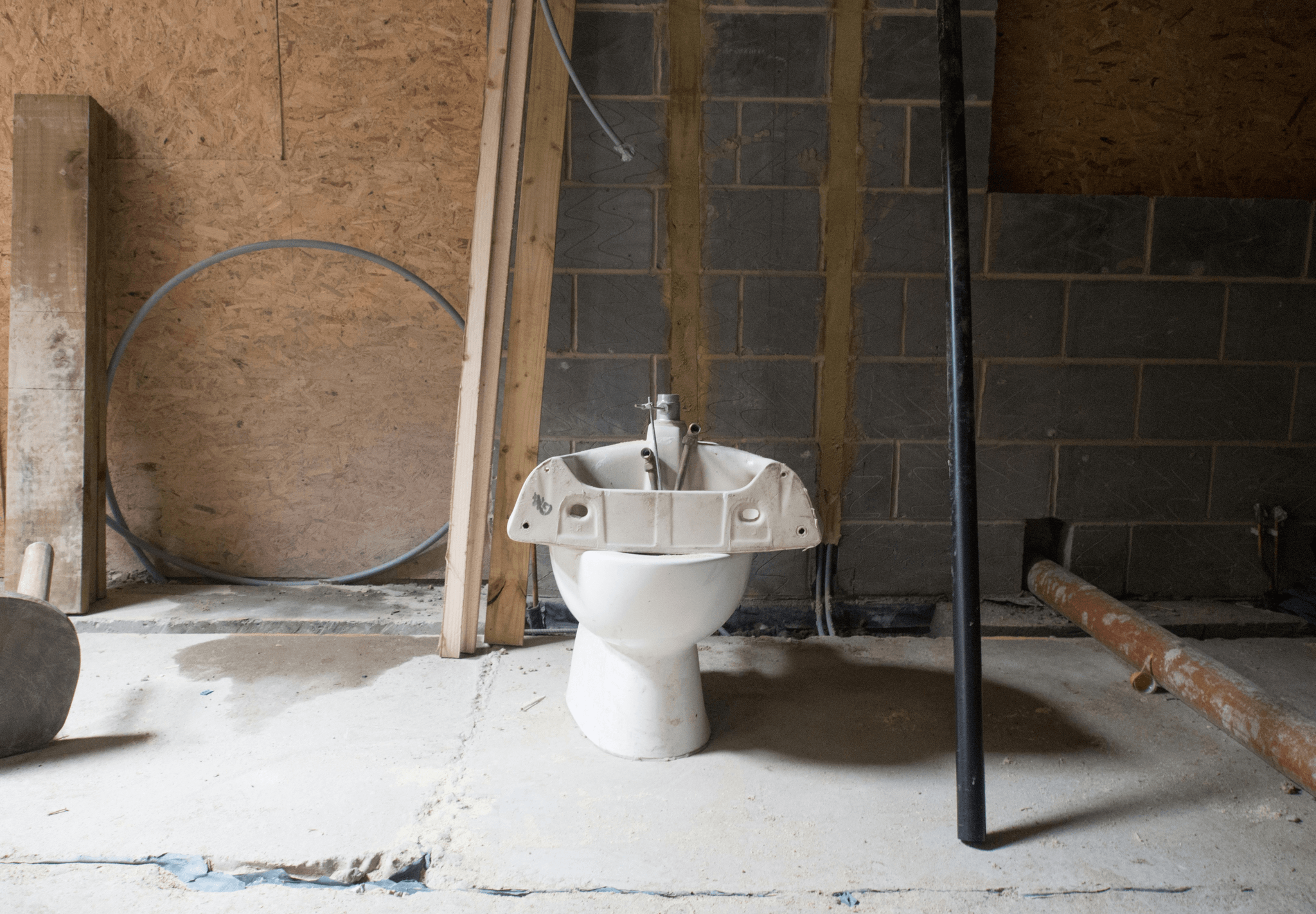
A thorough assembly inspection ensures that all components are properly fitted and function as intended, which is essential for preventing leaks and ensuring optimal performance. Understanding what to look for during this phase can save you time, money, and a whole lot of frustration.
Key Assembly Components to Check
During your toilet inspection, begin by focusing on key assembly components such as the tank, bowl, flush valve, fill valve, and the wax seal at the base. Each component plays a vital role in ensuring that your toilet operates smoothly; any malfunction can lead to significant issues down the line. Pay close attention to bolts and nuts securing these parts together; they should be tight but not overly so—just like your favorite pair of jeans after Thanksgiving dinner!
Ensuring Proper Connections and Seals
It's essential to ensure that all connections are secure during your assembly inspection; this includes checking for any loose fittings or worn-out seals. An improperly sealed connection can lead to leaks that not only waste water but also potentially cause damage to your bathroom floor or lower levels of your home. Use a little elbow grease when tightening connections—just don’t go overboard!
Tools Needed for Assembly Inspection
To conduct an effective assembly inspection, you'll need some basic tools at your disposal: a wrench or socket set for tightening bolts, screwdrivers for adjusting fittings, and possibly pliers for gripping stubborn parts. Don’t forget about a flashlight—this handy tool will illuminate those dark corners where leaks like to hide! Having these tools ready will make your inspection process smoother than ever.
Visual Inspection

This process allows you to spot potential issues before they escalate into costly repairs or major inconveniences. A thorough visual inspection can reveal everything from surface damage to hidden leaks, ensuring that your household toilet types are functioning optimally.
What to Look For Visually
During a visual inspection, there are several key areas to focus on. Start by examining the exterior of the toilet for any cracks or chips in the porcelain, as these can lead to leaks or structural failures over time. Additionally, check the tank and bowl for discoloration or mineral buildup, which could indicate water quality issues or improper maintenance practices.
Next, pay attention to the area around the base of the toilet—this is often where problems manifest first. Look for signs of moisture accumulation on the floor, which may suggest a leaking seal between the toilet and its flange. Lastly, don't forget about inspecting components such as handles and flush mechanisms; these should operate smoothly without any resistance.
Identifying Leaks and Damage
Identifying leaks during your visual inspection is crucial for preventing further damage in your bathroom environment. Start by looking for water pooling around the base of the toilet; this could signify a failed wax seal that needs immediate attention. Additionally, inspect supply lines connected to both the tank and shut-off valves; any corrosion or dampness here warrants further investigation.
Another telltale sign of potential trouble is discoloration on walls or ceilings below your bathroom—this indicates possible overflow or leak issues from above. If you notice any strange sounds coming from your toilet during flushing cycles (like gurgling), it’s worth investigating further as this could mean air trapped in pipes due to blockages or improper assembly inspections.
Documenting Visual Findings
Proper documentation is essential after conducting a thorough visual inspection of your toilet system. Take clear photographs of any damage you find—this will serve as valuable evidence if repairs are needed later on or if you're consulting with professionals about more extensive issues related to materials inspection and assembly inspection processes.
Additionally, maintain a checklist detailing each component inspected along with notes on their condition; this helps track recurring problems over time and can inform future maintenance decisions for different household toilet types in your home. Finally, don’t hesitate to share these findings with plumbing experts if you suspect larger systemic issues at play—they’ll appreciate having all relevant information upfront during their final inspections.
Coating Inspection
When it comes to toilet inspection, one often overlooked aspect is the condition of protective coatings. These coatings serve as a barrier against moisture, stains, and corrosion, ensuring that your household toilet types remain functional and visually appealing over time. Without proper coating maintenance, you may face issues that could lead to costly repairs or replacements.
Importance of Protective Coatings
Protective coatings are essential in maintaining the integrity of toilets by preventing water damage and rust formation. They not only enhance the toilet's aesthetic appeal but also contribute to its longevity by resisting wear and tear from everyday use. During the inspection process, assessing these coatings can reveal potential problems before they escalate into major concerns.
Types of Coatings Used
Various types of coatings are employed in toilet manufacturing, each designed for specific purposes. Common materials include ceramic glazes that provide a smooth finish for easy cleaning, as well as epoxy paints that offer additional durability against scratches and stains. Understanding these different coatings is crucial during both materials inspection and visual inspection phases to determine their effectiveness.
How to Evaluate Coating Condition
Evaluating the condition of protective coatings requires a keen eye during your toilet inspection process. Look for signs of chipping, peeling, or discoloration which may indicate underlying issues with material integrity or installation flaws from assembly inspection practices. Documenting these findings is vital; if you spot significant deterioration, it may be time for a final inspection by professionals who can assess whether repairs or replacements are necessary.
Final Inspection
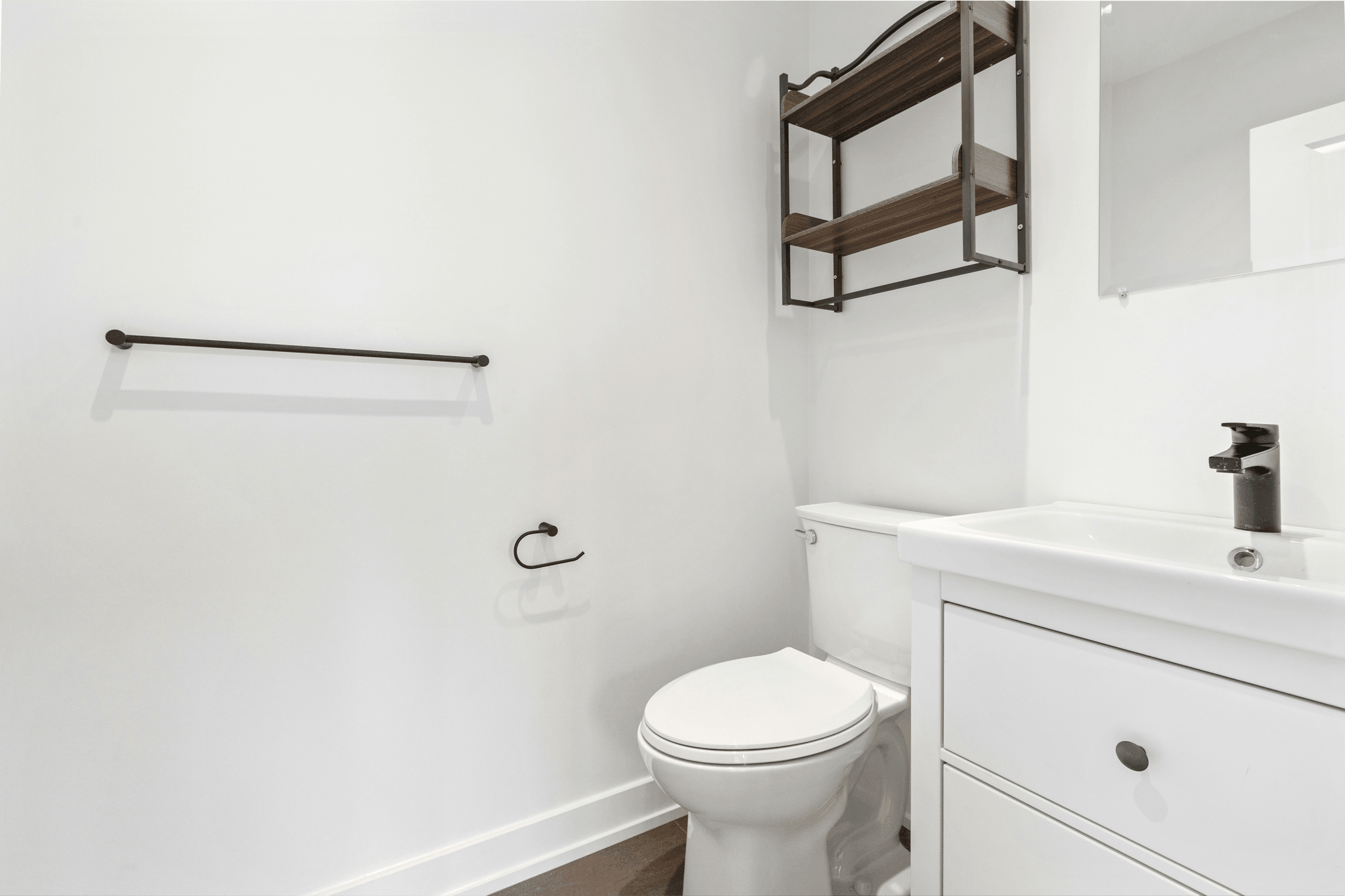
The final inspection is the last and crucial step in the toilet inspection process. It consolidates all previous findings from household toilet types, materials inspection, assembly inspection, visual inspection, and coating inspection. This stage ensures that everything is functioning correctly before you declare your toilet fit for use.
Completing the Toilet Inspection Process
To complete the toilet inspection process, start by reviewing all notes taken during earlier inspections. Make sure to cross-reference findings from each category: household toilet types can affect functionality, while materials and assembly play a significant role in durability. After thorough checks of visual and coating conditions, ensure everything aligns with your expectations for a well-functioning toilet.
Checklist for Final Assessment
A final assessment checklist is invaluable to ensure nothing slips through the cracks during your toilet inspection. Include items such as checking for leaks post-assembly inspection, confirming that all seals are intact after materials inspection, and verifying that coatings are not peeling or damaged. Don't forget to assess overall functionality—does it flush properly? Is there any unusual noise? Use this checklist to guide you through each critical area one last time.
When to Call in the Experts
If you notice persistent leaks or problems that defy easy fixes despite thorough visual inspections or material evaluations, don’t hesitate to reach out for specialized help. Remember that while DIY approaches can save money initially, professional insights can prevent costly repairs down the line.
Conclusion
Toilet inspection may not be the most glamorous topic, but it’s essential for maintaining a well-functioning household. Understanding the intricacies involved—from household toilet types to materials inspection—can save homeowners from costly repairs and uncomfortable situations. A comprehensive approach, including assembly inspection and visual checks, ensures that your toilet remains in optimal condition.
The Role of Professionals in Toilet Inspection
While DIY enthusiasts might tackle minor toilet issues, professional toilet inspection is invaluable for more complex problems. Experts bring experience in identifying issues that may go unnoticed during a casual check-up, especially when it comes to materials inspection and coating integrity. They can also provide insights into specific household toilet types and their unique vulnerabilities, ensuring a thorough assessment.
Best Practices for Toilet Maintenance
Regular maintenance is key to prolonging the life of your toilet and preventing major headaches down the line. Implementing best practices such as routine visual inspections can help catch leaks or damage early on while ensuring proper assembly connections remain intact. Additionally, understanding the significance of coating inspections will keep your toilet looking great while protecting its internal components from wear and tear.
How China Inspection Pro Can Help You
China Inspection Pro specializes in providing comprehensive services tailored to your needs, whether you're dealing with new installations or existing toilets requiring attention. Their expertise covers every aspect of toilet inspection—from materials evaluation to final assessments—ensuring no detail is overlooked. With their support, you can rest easy knowing that your toilets are functioning at their best.