
Introduction
Navigating the complex world of FDA inspections can feel like trying to find your way through a maze—one wrong turn, and you could be facing serious consequences. Understanding the nuances of these inspections is crucial, especially when supplier failures arise. Quick action is not just advisable; it’s essential to mitigate risks and maintain compliance.
Understanding FDA Inspections
FDA inspections are a critical component of regulatory oversight, ensuring that products meet safety and efficacy standards before they reach consumers. These inspections can occur at any time, often without prior notice, which means companies must always be prepared for scrutiny. Knowing how to respond to an FDA warning letter or what happens after a routine FDA inspection can significantly impact your business's future.
Consequences of Supplier Failures
Supplier failures can trigger a cascade of issues that may lead to significant repercussions, including product recalls or even bans from your industry by the FDA. If suppliers fail to meet compliance standards, it places the entire supply chain under scrutiny, jeopardizing not just individual products but also company reputation and financial health. The FDA could ban you from your industry if such failures persist, making it imperative to address these issues promptly.
Importance of Quick Action
When faced with an unfavorable inspection outcome or an import alert on your products, swift action is key in mitigating damage and restoring compliance. Delays in addressing concerns raised during an FDA inspection can result in heightened scrutiny or even legal actions like courts issuing injunctions (consent decrees). By acting quickly and effectively, companies can navigate challenges more smoothly and safeguard their operations against potential fallout.
Immediate Steps Post-Inspection Failure

When faced with an FDA inspection failure, the clock starts ticking, and action is paramount. Understanding the implications of such a setback can be daunting, but swift and strategic responses can mitigate damage. Here’s a roadmap to help navigate the choppy waters following an unfavorable FDA inspection.
Gather All Relevant Documentation
The first step in addressing an FDA inspection failure is to compile all pertinent documentation related to your operations and the inspection itself. This includes internal records, quality control reports, and any communications with FDA officials during the process. Having a well-organized collection of documents will not only clarify your current standing but also be essential if you need to respond to an FDA warning letter or prepare for what happens after a routine FDA inspection.
Analyze Inspection Report Thoroughly
Once you have gathered all relevant documentation, it’s time to dive deep into the inspection report itself. A thorough analysis will help you understand not just what went wrong but also where improvements are needed moving forward. Identifying specific areas of concern outlined by inspectors can provide insights into how to respond effectively if the FDA places an import alert on your products or mandates a recall.
Consult with Regulatory Experts
Navigating post-inspection challenges can be complex; therefore, consulting with regulatory experts is crucial at this stage. These professionals can offer tailored advice on how best to address findings from your recent FDA inspection and guide you through potential consequences like injunctions (consent decrees) issued by courts or even bans from your industry if issues aren’t remedied swiftly. Their expertise will equip you with strategies that not only address immediate concerns but also fortify your operations against future scrutiny.
How to Respond to an FDA Warning Letter

Receiving an FDA warning letter can feel like a punch in the gut, but how you respond can make all the difference. Understanding the gravity of this situation is crucial; it’s not just paperwork, it’s about your business’s future. The way you handle this could determine whether you face increased scrutiny or even a ban from your industry.
Timely Acknowledgment is Crucial
The clock starts ticking as soon as that warning letter lands in your inbox. Timely acknowledgment of the letter shows the FDA that you take their concerns seriously and are committed to compliance. Ignoring or delaying your response could lead to more severe consequences, including heightened scrutiny during future FDA inspections.
In addition, a prompt reply can help mitigate any potential fallout from issues like import alerts on your products or recalls requested by the FDA. Remember, every day counts; don’t let procrastination jeopardize your standing with regulatory bodies. A swift acknowledgment sets a positive tone for future communications and demonstrates accountability.
Outline a Comprehensive Action Plan
Once you've acknowledged receipt of the warning letter, it's time to roll up your sleeves and get to work on an action plan that addresses all cited issues thoroughly. This plan should be detailed and specific, outlining how you intend to correct deficiencies identified during the inspection process. Not only does this show your commitment to resolving problems, but it also helps prevent similar issues from arising in future FDA inspections.
Be sure to include timelines for each corrective action and designate responsible parties within your organization for accountability purposes. The clearer and more organized your plan is, the better chance you'll have at impressing regulators and avoiding further actions such as injunctions or recalls mandated by the FDA. This proactive approach not only aids in regaining compliance but also strengthens relationships with stakeholders who depend on quality assurance.
Follow-Up Communication with the FDA
After submitting your action plan, don’t just sit back and hope for the best; proactive follow-up communication is essential! Reach out to confirm receipt of your plan and inquire if there are any additional steps required on your part—this shows initiative and reinforces that you're serious about compliance post-warning letter. Regular updates can keep lines of communication open between you and the FDA while demonstrating ongoing commitment towards rectifying issues raised in prior inspections.
Moreover, consistent follow-up can help alleviate concerns regarding potential import alerts placed on products or any looming court-issued injunctions (consent decrees). Remember that transparency builds trust; keeping regulators informed fosters goodwill that may benefit you down the line when facing routine inspections again or navigating complex regulatory challenges in future endeavors involving product safety standards.
What Happens After a Routine FDA Inspection?
When the dust settles after a routine FDA inspection, you might think it’s time to relax. However, the reality is that the FDA often steps up its scrutiny of your operations. This increased attention can manifest in various ways, from more frequent inspections to heightened compliance expectations, making it crucial for businesses to stay vigilant.
Expect Increased Scrutiny
Following an FDA inspection, expect your facility to be under a microscope. The agency may closely monitor your processes and products more than before, especially if any issues were identified during the inspection. Increased scrutiny means that you must be prepared for possible follow-up inspections where the FDA could ban you from your industry if non-compliance persists.
Prepare for Possible Follow-Up Inspections
After an initial inspection, it's wise to brace yourself for potential follow-up visits from the FDA. These inspections can occur within weeks or months and are often aimed at ensuring that corrective actions have been implemented effectively. Companies should have a robust plan in place detailing how they will respond to any issues raised during the initial visit—after all, knowing how to respond to an FDA warning letter is just one piece of the puzzle.
Maintain Open Channels of Communication
Maintaining open channels of communication with the FDA is essential after a routine inspection. Keeping dialogue flowing not only helps in clarifying any misunderstandings but also demonstrates your commitment to compliance and quality assurance. Whether you're discussing follow-up actions or addressing concerns about product recalls or injunctions (consent decrees), transparency can significantly improve your relationship with regulatory bodies.
Dealing with Import Alerts on Your Products
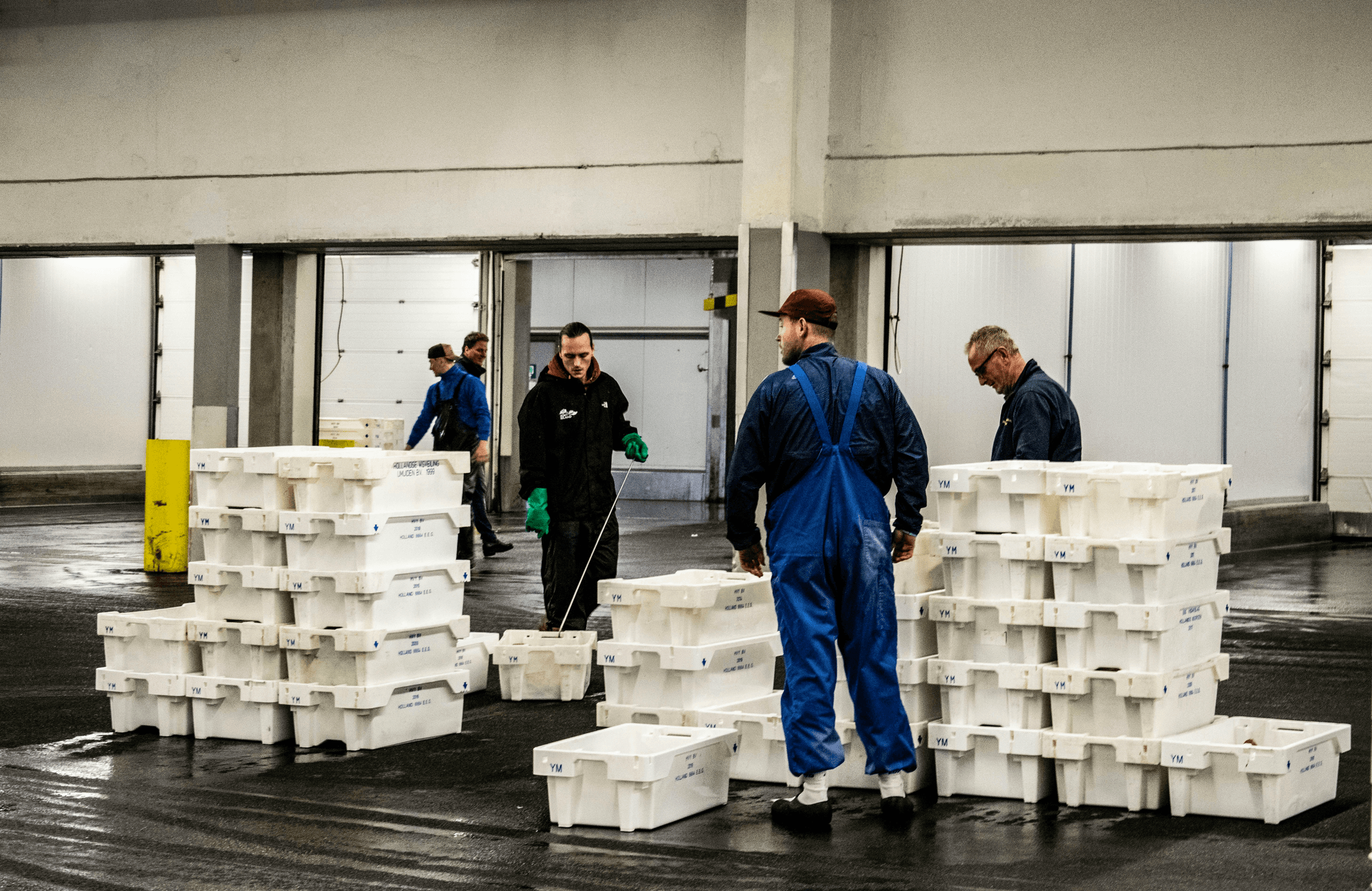
Navigating the treacherous waters of FDA import alerts can feel daunting, especially when your products are at stake. The FDA places an import alert on your products when they suspect non-compliance with safety and quality standards, which could lead to significant disruptions in your supply chain. Understanding how to effectively respond is crucial not only for maintaining your business but also for ensuring you don’t face harsher penalties down the line.
Understanding FDA Import Alerts
FDA import alerts are essentially red flags raised by the agency when they believe that certain products do not meet regulatory standards or pose a risk to public health. Once the FDA places an import alert on your products, it can severely impact your ability to sell in the U.S. market, leading to financial losses and potential bans from your industry if not addressed promptly. It’s vital to grasp what triggers these alerts—ranging from contamination issues to labeling inaccuracies—so you can take corrective action swiftly.
Steps to Lift an Import Alert
To lift an import alert effectively, you must first conduct a thorough investigation into why the alert was issued in the first place. This may involve revisiting production processes and quality assurance measures that led to initial non-compliance; after all, understanding what happens after a routine FDA inspection is key here. Once you’ve identified the root cause, compile comprehensive documentation demonstrating corrective actions taken and submit this evidence along with a formal request for lifting the alert.
Collaborate with Quality Inspection Services
Partnering with quality inspection services can be a game-changer when dealing with import alerts or any subsequent issues like recalls mandated by the FDA or courts issuing injunctions (consent decrees). These experts bring specialized knowledge that helps ensure compliance with FDA regulations and assists in preparing for future inspections as well as mitigating risks associated with existing alerts. By collaborating closely with these professionals, you enhance your chances of successfully navigating through challenges posed by import alerts while safeguarding against potential industry bans.
Addressing Product Recalls and Injunctions

When it comes to product recalls and injunctions, the stakes are high, and the consequences of inaction can be severe. The FDA requests or mandates a recall of your products for various reasons, including safety concerns or regulatory non-compliance discovered during an FDA inspection. If you're faced with this situation, understanding the steps to take is crucial to mitigate potential damage and maintain your reputation.
The FDA Requests or Mandates a Recall
Receiving a recall request from the FDA can feel like being hit by a freight train; it's sudden and demands immediate attention. When the FDA places an import alert on your products, it's often a precursor to more severe actions if issues aren't addressed promptly. To navigate this process successfully, companies must act swiftly—developing a clear plan that outlines how they will remove affected products from shelves and communicate with consumers effectively.
Once you receive notification from the FDA about a recall, gather all relevant data regarding the product in question—this includes batch numbers, distribution channels, and customer information. Transparency is key; keep your team informed about what’s happening so everyone is on the same page when responding to inquiries or managing logistics related to the recall. Remember that how you respond to an FDA warning letter—or any communication regarding compliance issues—can significantly impact your company's future standing in the industry.
Courts Issue Injunctions (Consent Decrees)
In some cases, if compliance issues persist after an FDA inspection or if there are repeated violations following recalls, courts may issue injunctions (consent decrees) that restrict business operations until certain conditions are met. This legal action can be daunting; not only does it impede daily operations but also tarnishes your brand's credibility in the marketplace. If you find yourself facing such repercussions due to non-compliance with regulatory standards post-FDA inspection, it's essential to consult legal experts who specialize in these matters.
The implications of these court orders can extend beyond immediate operational challenges—they could ban you from your industry altogether if violations continue unabated. Thus, addressing any underlying issues promptly is essential for long-term sustainability and compliance within regulated markets. Moreover, staying proactive about quality assurance measures can help prevent falling into this trap after an FDA inspection.
Importance of Communication with Stakeholders
Effective communication during crises such as recalls or injunctions cannot be overstated; keeping stakeholders informed fosters trust and transparency within your organization and among consumers alike. Whether you're dealing with employees impacted by operational changes or customers concerned about product safety due to an import alert placed by the FDA on your products, timely updates are vital for maintaining confidence in your brand's integrity.
Additionally, regular communication helps ensure that all parties understand their roles during crisis management efforts—this includes responding appropriately when facing inquiries related to how you plan on addressing identified deficiencies post-FDA inspection findings. Remember that stakeholders often include suppliers as well; their cooperation may be critical for successful remediation efforts moving forward!
In conclusion, navigating product recalls and injunctions requires swift actions combined with strategic communication efforts aimed at preserving relationships across all levels of engagement—from internal teams down through external partners—and ultimately ensuring compliance for future inspections.
Conclusion

Navigating the complexities of FDA regulations can feel like walking a tightrope, especially after an inspection failure. However, understanding the nuances of FDA inspections and how to respond effectively is critical for maintaining compliance and ensuring your business thrives. As you prepare for future FDA inspections, remember that proactive measures can save you from costly consequences down the road.
Preparing for Future FDA Inspections
Preparation is key when it comes to future FDA inspections. Developing a robust internal audit system can help identify potential compliance issues before they become major problems. Additionally, training your staff on what to expect during an inspection will empower them to handle inquiries confidently and effectively.
When considering how to respond to an FDA warning letter, timely acknowledgment is crucial; this sets the tone for your commitment to rectifying any identified issues. Furthermore, maintaining detailed documentation of all processes and procedures will make it easier for you to demonstrate compliance during inspections. Remember, the better prepared you are today, the less likely you'll face severe repercussions tomorrow.
Lessons Learned from Compliance Failures
Every setback offers valuable lessons that can strengthen your organization’s approach to compliance. Analyzing past failures reveals patterns that could indicate systemic issues within your operations or supply chain management. Recognizing these trends allows you to implement corrective actions proactively rather than reactively.
Understanding what happens after a routine FDA inspection is vital; increased scrutiny often follows any flagged concerns or violations. This heightened attention can lead not only to follow-up inspections but also potential import alerts if issues persist unaddressed. Emphasizing transparency throughout your operations fosters trust with regulators and helps mitigate risks associated with non-compliance.
Partnering with Quality Inspection Experts
Collaborating with quality inspection experts can significantly enhance your ability to navigate complex regulations and avoid pitfalls like recalls or injunctions (consent decrees). These professionals bring invaluable insights into best practices while ensuring that you're aligned with current industry standards and expectations set forth by regulatory bodies like the FDA.
If the FDA places an import alert on your products or requests a recall, having a knowledgeable partner by your side can expedite resolution processes and minimize damage to your reputation. Their expertise helps streamline communication with stakeholders, which is paramount during crises involving product safety or regulatory compliance challenges. Ultimately, investing in strong partnerships not only safeguards against potential bans from industry participation but also fortifies your business's long-term sustainability.