
Introduction
In today's fast-paced global market, the importance of Third-Party Inspection cannot be overstated. With consumers demanding improved product quality and suppliers striving to meet those expectations, third-party inspectors serve a vital role as quality consultants. By providing an objective assessment of products before they reach the customer, these inspections help prevent mismatches in product expectations that can lead to costly chargebacks and damaged relationships.
Importance of Third-Party Inspection
Third-Party Inspection is essential for ensuring that products meet predetermined standards and specifications. These inspections act as a safety net for both suppliers and clients, allowing for early identification of potential quality issues before they escalate into significant problems. When companies invest in third-party inspection services, they are not just checking boxes; they are actively working towards improving relationships with customers through enhanced transparency and accountability.
Enhancing Supplier Reliability
Reliability is key in any supply chain, and Third-Party Inspection plays a crucial role in enhancing it. By engaging independent inspectors, suppliers can demonstrate their commitment to quality assurance, which fosters trust with their clients. This trust translates into improved relationships with customers, as businesses feel more confident in placing orders knowing that rigorous checks have been performed to ensure product integrity.
Mitigating Risks in Supply Chains
The risks associated with supply chains can be daunting; however, Third-Party Inspection offers a proactive approach to mitigating these risks effectively. By identifying potential issues early on—such as defects or non-compliance—companies can avoid disruptions that typically arise from direct inspection by the importer. Ultimately, this leads to fewer chargebacks due to poor quality and a smoother operational flow that benefits everyone involved.
Objective Evaluation of Product Quality
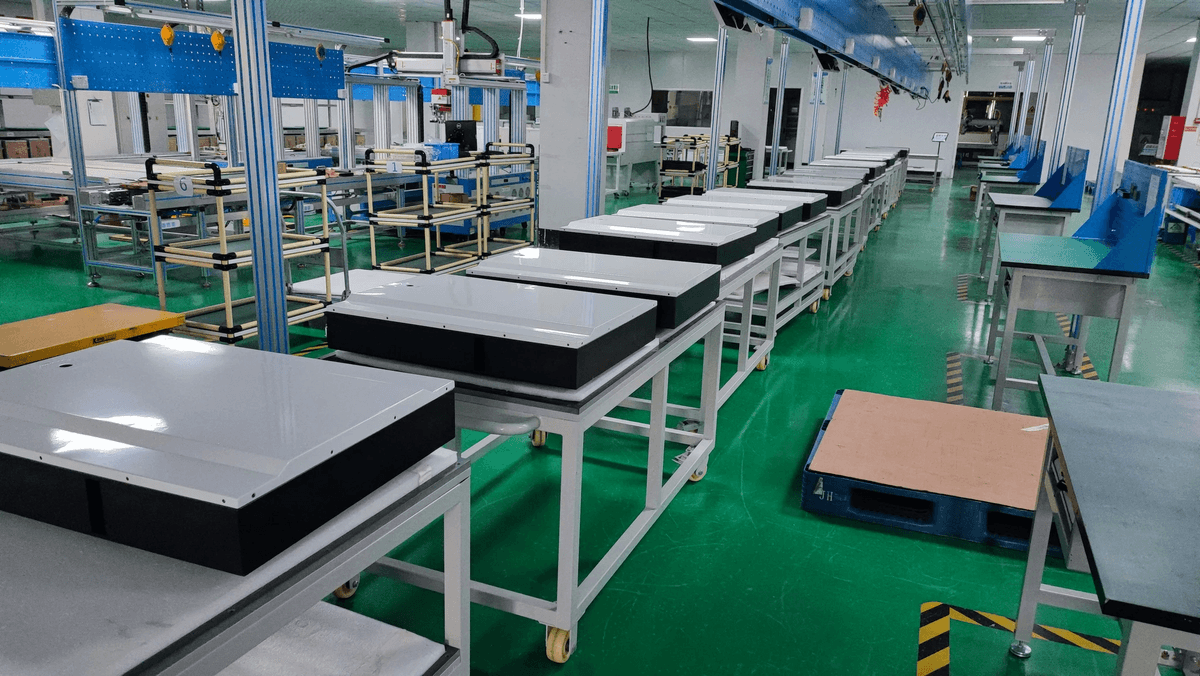
In the world of manufacturing and supply chains, ensuring product quality is paramount. This is where Third-Party Inspection shines, offering an unbiased evaluation that goes beyond what self-inspection can provide. By leveraging the expertise of a third-party inspector as a quality consultant, businesses can achieve improved product quality and foster trust with their customers.
Differentiating Between Self-Inspection and Third-Party Inspection
Self-inspection often relies on internal teams who may be biased or lack the specialized knowledge needed to accurately assess product quality. In contrast, Third-Party Inspection brings an outside perspective that can identify issues that might otherwise go unnoticed. This objective evaluation prevents a mismatch of product expectations between suppliers and clients, ultimately leading to improved relationships with customers.
When manufacturers opt for Third-Party Inspection, they gain access to seasoned professionals who are adept at spotting potential flaws early in the production process. This proactive approach not only enhances overall product quality but also reduces the risk of customer chargebacks due to poor quality items reaching the market. Additionally, because third-party inspectors work independently from importers, there’s less disruption than what might occur during direct inspections by importers themselves.
Real-World Insights from China Inspection Pro
China Inspection Pro provides invaluable insights into how Third-Party Inspection operates within diverse industries. Their expertise highlights how companies can leverage these inspections to ensure compliance with international standards while simultaneously improving their product offerings. By utilizing a third-party inspector's role as a quality consultant, businesses have seen tangible improvements in both their production processes and end products.
One notable case involved a manufacturer struggling with frequent customer complaints about product defects. After engaging China Inspection Pro for Third-Party Inspection services, they identified critical areas for improvement that were previously overlooked during self-inspections. The result? Enhanced transparency in quality control practices and significantly improved relationships with customers who felt reassured by the newfound commitment to high standards.
Enhancing Transparency in Quality Control
Transparency is key in today’s competitive market landscape; consumers demand assurance that they are receiving top-notch products without hidden flaws or surprises. Implementing Third-Party Inspection practices not only boosts confidence among clients but also helps prevent misunderstandings regarding product specifications and expectations. This clarity fosters stronger partnerships between suppliers and their customers.
Moreover, when businesses embrace transparency through objective evaluations provided by third-party inspectors, they minimize risks associated with poor-quality goods entering the supply chain—ultimately preventing costly chargebacks from dissatisfied buyers. The insights gained from these inspections allow companies to refine their processes continuously while maintaining high standards of excellence throughout production cycles. Thus, embracing Third-Party Inspection becomes not just a strategy but an essential part of cultivating long-lasting success in any industry.
Boosting Supplier Credibility

In today's competitive market, supplier credibility can make or break a business relationship. Third-party inspection serves as a powerful tool to enhance this credibility by providing an unbiased evaluation of product quality. When suppliers can showcase third-party endorsements, they not only gain trust but also significantly improve their reputation in the eyes of potential clients.
Building Trust with Third-Party Endorsements
Trust is the cornerstone of any successful business relationship, and third-party inspection plays a pivotal role in establishing that trust. By having an independent entity evaluate product quality, suppliers can assure clients that they are meeting or exceeding expectations. This assurance prevents mismatches between what customers expect and what they actually receive, ultimately leading to improved relationships with customers.
Moreover, when clients see that a supplier has undergone thorough third-party inspections, it signals a commitment to quality that is hard to ignore. This commitment helps prevent customer chargebacks due to poor quality—an issue that can plague even the most seasoned suppliers. Ultimately, third-party endorsements act as badges of honor for suppliers seeking to elevate their market presence.
Case Study: How Third-Party Inspection Elevated Supplier Profiles
Consider the case of a mid-sized electronics manufacturer that struggled with inconsistent product quality and occasional customer complaints about defects. After implementing third-party inspection services, the company saw significant improvements in product quality and overall operational efficiency. The inspector acted not just as an evaluator but also as a quality consultant, providing actionable insights for enhancing production processes.
As word spread about their improved product quality backed by credible inspections, this supplier attracted new clients who were previously hesitant to engage due to concerns over reliability. The elevation in their profile was palpable; they began receiving larger orders and long-term contracts from reputable brands looking for dependable partners. This transformation underscores how effective third-party inspection can be in boosting supplier credibility and expanding market reach.
Establishing Stronger Client Relationships
The relationship between suppliers and clients often hinges on transparency and reliability—qualities that are bolstered through effective communication facilitated by third-party inspections. By preventing disruptions often associated with direct inspections by importers, suppliers can maintain smoother operations while keeping clients informed about product status throughout the process. This proactive approach fosters stronger client relationships built on mutual respect and understanding.
Additionally, when issues are identified early through these inspections, corrective actions can be taken before products reach customers’ hands—this minimizes risk for both parties involved. Clients appreciate suppliers who take proactive steps toward maintaining high standards; it reflects positively on their own brand image as well. Thus, investing in third-party inspection not only improves product quality but also strengthens bonds between suppliers and their valued customers.
Reducing Supply Chain Risks

In today's fast-paced market, reducing supply chain risks is paramount for maintaining competitive advantage. Third-party inspection plays a crucial role in this process by offering an unbiased perspective on product quality and compliance. By identifying potential issues early, businesses can prevent costly disruptions and ensure that their products meet customer expectations.
Identifying Potential Issues Early
One of the standout advantages of third-party inspection is its ability to identify potential issues before they escalate into major problems. Unlike self-inspection, which may be biased or overly lenient, a third-party inspector acts as a quality consultant who provides an objective evaluation of product quality. This early detection can prevent mismatches between what customers expect and what is delivered, ultimately leading to improved relationships with customers and fewer chargebacks due to poor quality.
Additionally, by catching these issues early in the production process, companies can implement corrective actions swiftly without incurring significant delays or costs. This proactive approach not only enhances overall product quality but also fosters a culture of accountability among suppliers. In short, the earlier you spot a problem through third-party inspection, the smoother your supply chain will run.
The Role of Third-Party Inspection in Compliance
Compliance with industry standards and regulations is critical for any business aiming to thrive in today's global marketplace. Third-party inspection serves as an essential tool for ensuring that products adhere to these standards before they reach consumers. By employing independent inspectors who specialize in compliance checks, companies can mitigate risks associated with regulatory violations that could lead to severe financial penalties or damage to reputation.
Moreover, third-party inspectors provide an added layer of assurance that products are not only safe but also meet all necessary specifications—this translates into improved product quality that customers can rely on. When businesses prioritize compliance through thorough inspections, they reduce the likelihood of facing customer chargebacks due to poor-quality goods or unmet expectations. Ultimately, this commitment to high standards solidifies trust between suppliers and clients.
Lessons Learned from Industry Leaders
Industry leaders have long recognized the value of incorporating third-party inspection into their supply chain strategies as a means of risk reduction. Companies like Apple and Samsung have set benchmarks by leveraging independent inspectors not just for compliance checks but also as part of their overall quality assurance processes. These organizations demonstrate how investing in third-party inspection leads to improved relationships with customers by consistently delivering high-quality products that align with consumer expectations.
Furthermore, lessons learned from these leaders illustrate how adopting third-party inspections results in less disruption compared to direct inspections conducted by importers themselves—allowing businesses to maintain operational efficiency while upholding stringent quality standards. By learning from these industry frontrunners, other companies can adopt similar practices tailored to their unique needs while reaping the benefits associated with enhanced credibility and minimized risks throughout their supply chains.
Conclusion
In the ever-evolving landscape of global commerce, Third-Party Inspection emerges as a crucial component for businesses aiming to enhance product quality and reliability. By leveraging the expertise of independent inspectors, companies can maximize value not only for themselves but also for their clients. This strategic move allows organizations to minimize risks and ensure that their products meet or exceed customer expectations, ultimately leading to sustained success.
Maximizing Value Through Third-Party Inspection
The role of a third-party inspector goes beyond mere evaluation; it serves as a quality consultant who provides valuable insights into product quality and compliance standards. With improved product quality at the forefront, businesses can prevent mismatches in product expectations that often lead to dissatisfaction and costly chargebacks. Furthermore, utilizing third-party inspections results in less disruption than direct inspections conducted by importers, allowing companies to maintain smoother operations while safeguarding their reputation.
Long-Term Benefits for Suppliers and Clients
Engaging in Third-Party Inspection fosters improved relationships with customers by building trust through transparency and accountability. Suppliers who prioritize quality assurance through these inspections often find themselves enjoying long-term partnerships with clients who appreciate their commitment to excellence. Additionally, this proactive approach helps prevent customer chargebacks due to poor quality, ensuring that both suppliers and clients benefit from a more reliable supply chain.
Embracing Quality as a Business Strategy
Incorporating Third-Party Inspection into business practices is not merely an operational decision; it's an investment in a company's future success. By embracing quality as a core business strategy, organizations can differentiate themselves from competitors who may overlook this critical aspect of supply chain management. Ultimately, adopting this mindset leads to improved product quality across the board while fostering loyalty among customers who value consistent excellence.