
Introduction
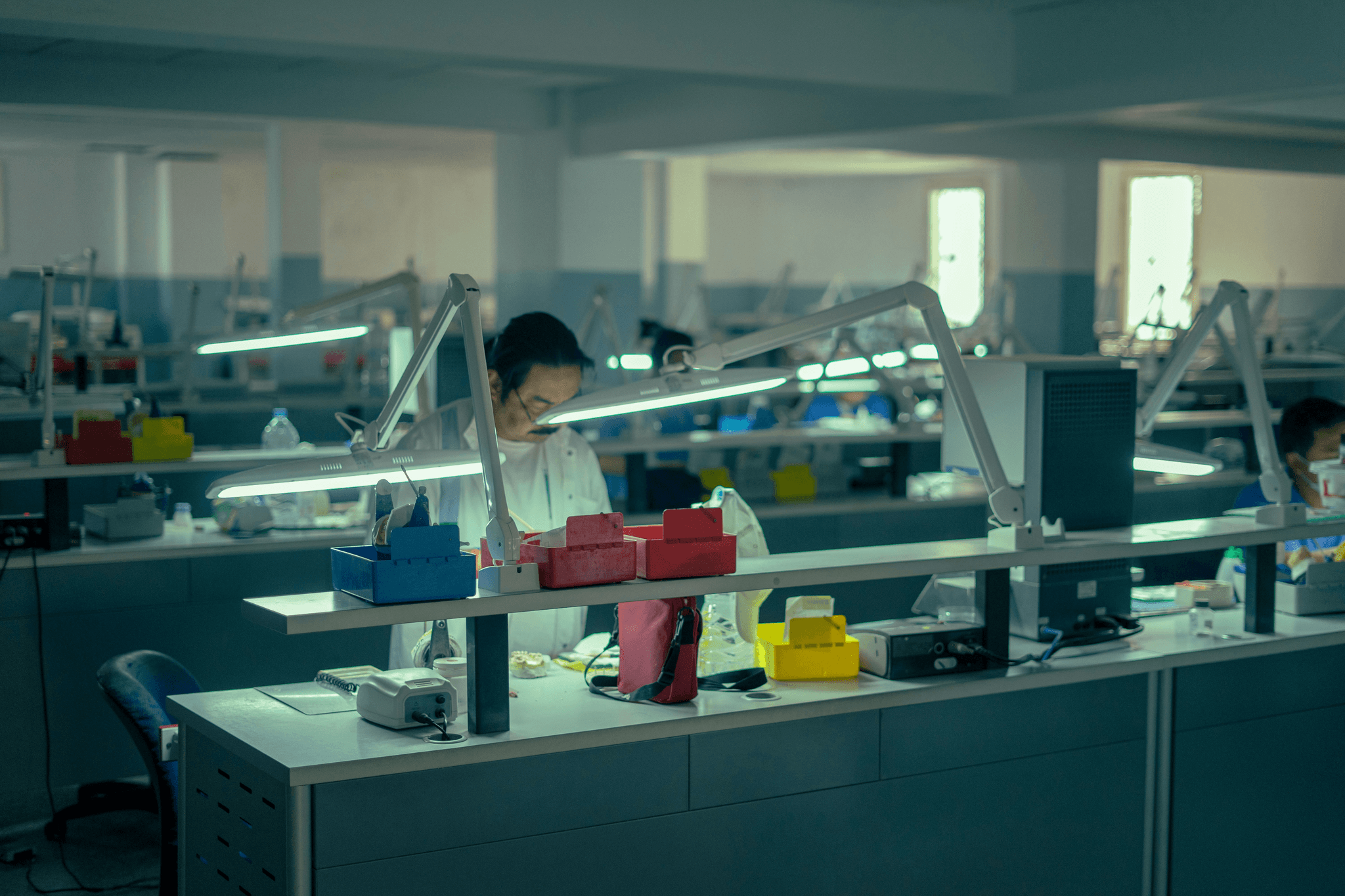
In the ever-evolving world of manufacturing and retail, understanding the nuances of product inspection and testing is crucial for businesses aiming to deliver quality goods. Product inspection ensures that items meet specific standards before they reach consumers, while product testing evaluates performance under various conditions. This introduction will delve into the importance of quality assurance and highlight key differences between these two essential processes.
Understanding Product Inspection and Testing
What is product inspection? It is a systematic process that involves evaluating products at different stages of production to ensure they meet quality standards. On the other hand, what is product testing? This encompasses a range of evaluations designed to assess how well a product performs in real-world scenarios, often requiring specialized lab environments to yield accurate results.
Importance of Quality Assurance
Quality assurance plays a pivotal role in maintaining customer trust and satisfaction. By implementing rigorous product inspection protocols, companies can identify defects early on, reducing the risk of costly recalls or negative reviews later.
Overview of Key Differences
While both product inspection and testing aim to uphold quality, they focus on different aspects; inspection emphasizes compliance with specifications, whereas testing evaluates functionality and durability. Timing also varies; inspections are typically performed throughout production, while testing may occur at specific intervals or after production completion. Lastly, each process generates distinct types of reports—inspection reports outline conformity to standards, while test reports provide detailed performance metrics crucial for decision-making.
What is Product Inspection?
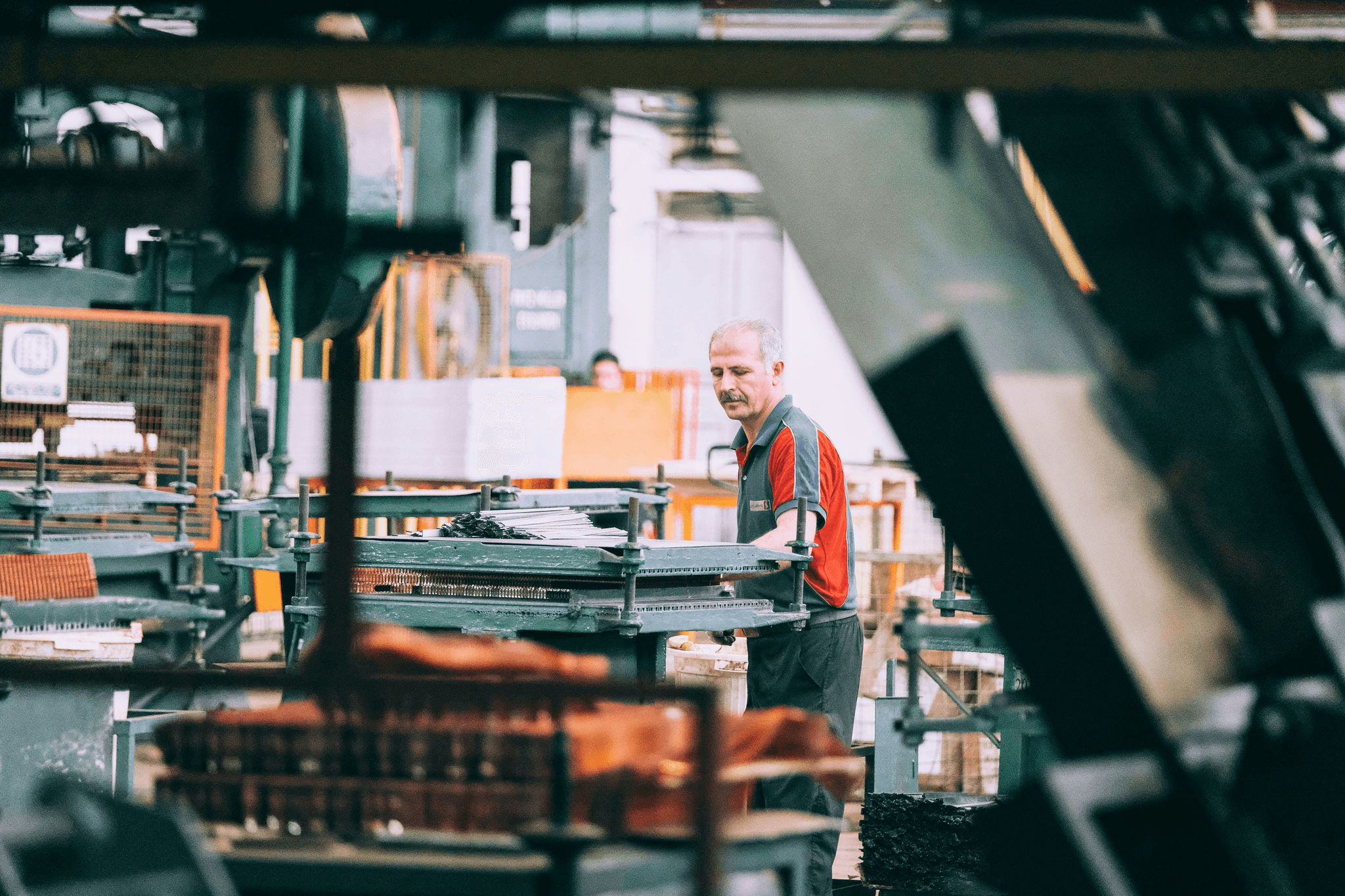
Product inspection is a critical component in the quality assurance process, ensuring that products meet specified standards before reaching consumers. It involves examining products for defects, compliance with specifications, and overall quality. Understanding what product inspection entails is essential for businesses aiming to maintain high-quality standards and customer satisfaction.
Definition and Purpose
So, what is product inspection? At its core, product inspection is the systematic evaluation of goods during various stages of production or prior to shipment. The purpose of product inspection is to identify any defects or non-conformities, thereby minimizing the risk of poor-quality products entering the market. By catching issues early on, companies can save time and money while enhancing their brand reputation.
Who can conduct product inspection?
Now that we know what product inspection is, you might wonder who can conduct these inspections? Typically, trained professionals or third-party quality control inspectors carry out product inspections to ensure impartiality and adherence to industry standards. Companies may also employ in-house quality assurance teams for ongoing monitoring but should always consider utilizing external experts for an unbiased perspective.
When should you conduct product inspection?
Timing plays a crucial role in effective quality assurance—so when should you conduct product inspection? Inspections can occur at several key points: during the manufacturing process (in-line inspections), before shipment (pre-shipment inspections), or even upon arrival at your warehouse (incoming inspections). Implementing these checks at critical stages helps catch potential issues early and ensures that only high-quality products reach consumers.
What is Product Testing?
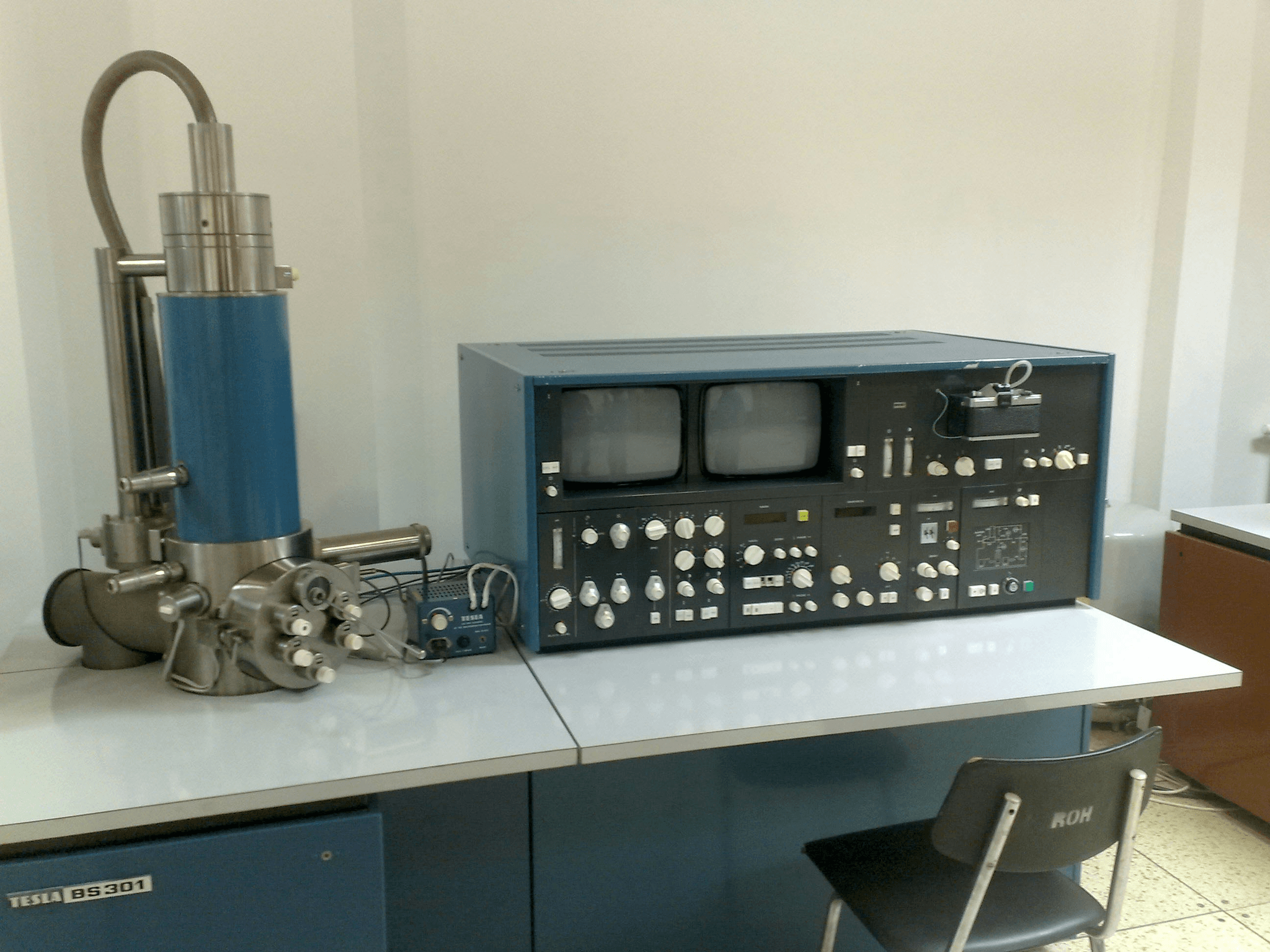
Product testing is a critical process that evaluates the performance, safety, and reliability of a product before it reaches the market. Unlike product inspection, which focuses on visual and dimensional checks, product testing dives deeper into how well a product performs under various conditions. This ensures that consumers receive products that not only meet aesthetic standards but also function as intended.
Definition and Scope
At its core, product testing refers to the systematic evaluation of a product's features and capabilities through controlled experiments or trials. This process encompasses various types of tests, such as performance tests, safety assessments, and compliance checks with industry standards. Understanding what is product testing allows businesses to identify potential flaws early in the development cycle, reducing costly recalls and enhancing customer satisfaction.
Is lab testing necessary for your product type?
Determining whether lab testing is necessary for your specific product type hinges on several factors including regulatory requirements and consumer expectations. For example, products in sectors like electronics or food often require rigorous lab tests to ensure safety and compliance with established standards. If you're wondering if lab testing is necessary for your product type, consider the potential risks associated with inadequate testing; after all, no one wants to face issues stemming from fraudulent product testing results from a factory.
Can your supplier reliably perform lab testing at their own facility?
While some suppliers may claim they can conduct reliable lab tests at their own facilities, it’s crucial to scrutinize their capabilities thoroughly. The reliability of such in-house tests can vary significantly based on the equipment used and the expertise of personnel conducting them. To ensure accurate results free from fraudulent practices or bias—especially concerning fraudulent product testing results from a factory—it's advisable to verify their credentials or opt for third-party laboratories known for impartiality.
Key Differences Between Inspection and Testing
While both processes are vital in the quality assurance landscape, they serve distinct purposes and focus on different aspects of a product's lifecycle. Let’s dive into what sets them apart in terms of their focus areas, timing in production, and the types of reports generated.
Focus Areas: Quality vs. Performance
Product inspection primarily focuses on assessing the quality of a product before it reaches consumers. It involves checking for defects, compliance with specifications, and overall workmanship to ensure that what you receive meets your standards. On the other hand, when we ask ourselves “What is product testing?” we find that it revolves around evaluating a product's performance under various conditions to ensure it functions as intended.
While both processes aim to enhance reliability, they do so from different angles—quality inspections look at how well products are made (think aesthetics and structural integrity), whereas testing examines how well products perform in real-world scenarios (think durability and functionality). Knowing who can conduct product inspection—whether it's an internal team or an external agency—can help streamline this process effectively.
Timing in the Production Process
Timing plays a pivotal role in distinguishing between these two critical activities. Product inspection typically occurs during or after production but before shipment; this is when any flaws can be caught early enough to avoid costly returns or recalls later on. Conversely, product testing often happens later in the process or even after production has completed; it checks whether products meet performance criteria under specific conditions.
So when should you conduct product inspection? Ideally, you want to catch issues before they escalate into bigger problems during testing phases or post-production evaluations. This proactive approach ensures that any necessary adjustments can be made without derailing timelines or budgets.
Types of Reports Generated
The output from each process also varies significantly—product inspections generate reports focused on visual assessments, defect counts, and compliance with standards while highlighting areas needing improvement. These reports serve as actionable insights for manufacturers looking to enhance their production quality further.
In contrast, reports from product testing delve into technical data regarding performance metrics such as stress resistance or usability under various conditions. This brings us back to our earlier questions about lab testing: Is lab testing necessary for your product type? Depending on your industry standards and end-user expectations, comprehensive test results may be essential for market success.
Lastly, understanding fraudulent product testing results from a factory can save you from potential pitfalls down the line; always scrutinize test results thoroughly!
The Role of China Inspection Pro
When it comes to ensuring product quality, China Inspection Pro stands out as a pivotal player in the realm of product inspection and testing. With a deep understanding of both local and international quality standards, they help businesses navigate the often murky waters of compliance. By partnering with China Inspection Pro, companies can rest assured that their products meet the necessary regulations, ultimately leading to enhanced consumer trust.
Quality Standards and Compliance
Understanding what is product inspection is crucial for maintaining high-quality standards in manufacturing. China Inspection Pro specializes in aligning your products with various international compliance requirements, ensuring that you not only meet but exceed industry benchmarks. This commitment to quality standards means that businesses can confidently market their products without fear of encountering issues related to fraudulent product testing results from a factory.
Who can conduct product inspection? The answer lies within the expertise offered by organizations like China Inspection Pro. Their team consists of seasoned professionals who are well-versed in both domestic and global compliance standards, allowing them to effectively monitor production processes and ensure adherence to required guidelines.
Professional Services for Product Inspection
China Inspection Pro provides an array of professional services tailored specifically for product inspection needs. From pre-production inspections to final random checks before shipment, they cover every stage of the manufacturing process. This comprehensive approach ensures that businesses know exactly when should you conduct product inspection—whether it's during initial production phases or just before items leave the factory.
Is lab testing necessary for your product type? While not every product requires extensive laboratory analysis, having access to professional services means you can make informed decisions about when such testing is appropriate. Furthermore, if you're wondering whether your supplier can reliably perform lab testing at their own facility, working with an established firm like China Inspection Pro helps verify those capabilities.
Actionable Insights for Better Decision Making
One standout feature of partnering with China Inspection Pro is their ability to provide actionable insights based on thorough inspections and tests performed on your products. These insights empower businesses by highlighting potential areas for improvement while also identifying strengths in the production process—helping you understand what is product testing and why it matters.
By leveraging data gathered through rigorous inspections, companies can make informed decisions regarding future production runs or modifications needed for existing products. This level of detail not only aids in avoiding pitfalls associated with fraudulent product testing results from a factory but also enhances overall operational efficiency.
In conclusion, utilizing the expertise offered by China Inspection Pro allows businesses to navigate complex quality assurance landscapes effectively while maximizing their chances for market success through reliable products.
Addressing Concerns: Fraudulent Product Testing

In the world of manufacturing, ensuring product quality is paramount, but fraudulent product testing results from a factory can undermine this goal. Understanding how to identify these fraudulent practices is essential for anyone involved in product inspection and testing. By being vigilant and informed, businesses can protect themselves from costly mistakes.
Identifying Red Flags
When considering what is product inspection? It's crucial to recognize the warning signs that indicate potential issues with product testing. For instance, if a supplier claims they can conduct lab testing at their own facility without any third-party verification, this should raise eyebrows; it’s often a classic red flag of unreliable results. Additionally, inconsistencies in documentation or a lack of transparency about testing methods can signal that you may be dealing with fraudulent product testing.
Another key aspect to watch for is overly favorable results that seem too good to be true—if your supplier's tests consistently show perfect outcomes without any failures, it's time to question the integrity of their processes. Who can conduct product inspection? Ideally, independent third-party inspectors should be involved to provide unbiased assessments and ensure that you're not falling victim to misleading claims.
Consequences of Inaccurate Testing
The ramifications of inaccurate testing are far-reaching and can have dire consequences for your business reputation and financial health. If you rely on flawed data from fraudulent product testing results from a factory, you risk delivering subpar products to your customers—leading not only to returns but also damaging your brand's credibility in the long run. Furthermore, regulatory compliance issues may arise if products fail safety standards due to inadequate lab testing.
Moreover, when considering when should you conduct product inspection? Regular inspections become even more critical if previous tests have shown discrepancies or if you're entering new markets with stringent regulations. Ignoring these consequences could lead to legal battles or hefty fines that could cripple your operations.
Ensuring Reliable Results
To safeguard against the pitfalls of fraudulent practices, it’s vital to establish robust protocols for ensuring reliable results in both product inspection and what is product testing? Start by partnering with reputable third-party laboratories known for their rigorous standards and impartiality; this will bolster confidence in your test outcomes significantly. Additionally, regularly reviewing supplier performance and maintaining open lines of communication will help keep everyone accountable.
Is lab testing necessary for your product type? The answer often lies in industry regulations; however, regardless of necessity, having reliable lab tests conducted by credible sources adds an extra layer of assurance that helps mitigate risks associated with poor-quality products reaching consumers' hands. Finally, always ask yourself: Can your supplier reliably perform lab testing at their own facility? If there are doubts about their capabilities or honesty—it's best not to take chances.
Conclusion
In the world of product quality assurance, distinguishing between product inspection and product testing is crucial. While both processes aim to ensure that products meet certain standards, they serve different purposes and occur at different points in the production timeline. Understanding these differences can help businesses make informed decisions that enhance their product reliability.
Importance of Distinguishing Inspection from Testing
Understanding What is product inspection? versus What is product testing? can save companies time and money while ensuring compliance with quality standards. Product inspection focuses on visual checks and measurements, while testing dives deeper into performance under specific conditions. By knowing who can conduct product inspection and when you should conduct it, businesses can better manage their quality assurance processes.
Making Informed Decisions Around Quality Assurance
Making informed decisions around quality assurance starts with understanding the nuances of both inspections and tests. Questions like Is lab testing necessary for your product type? or Can your supplier reliably perform lab testing at their own facility? are pivotal in this process. By addressing these queries, businesses can choose the right approach to safeguard against issues such as fraudulent product testing results from a factory.
Enhancing Product Reliability for Market Success
Enhancing product reliability involves a strategic blend of both inspections and tests to ensure that every item meets consumer expectations before hitting the shelves. A solid understanding of when to conduct inspections or tests allows companies to mitigate risks associated with poor-quality products. Ultimately, this diligence not only boosts brand reputation but also contributes significantly to market success.