
Introduction
In the vibrant world of design, Pantone Colors stand out as the gold standard for color matching and consistency. These colors are not merely shades on a palette; they represent a system that has revolutionized how we perceive and apply color across various industries. Understanding how Pantone Colors work is essential for designers, marketers, and quality control (QC) companies aiming to create cohesive and appealing products.
Understanding the Basics of Pantone Colors
At its core, the Pantone Matching System (PMS) provides a standardized way to identify and reproduce colors across different mediums. This system originated in the 1960s when Lawrence Herbert developed it to simplify color communication in printing. Today, designers rely on Pantone Colors to ensure that their visions translate accurately from screen to print, making it easier than ever to achieve that perfect hue.
The Significance of Pantone Colors in Design
Pantone Colors are crucial for maintaining brand identity and recognition in an increasingly competitive market. When companies use specific Pantone shades consistently, they create a visual language that resonates with consumers, fostering loyalty and trust. This significance extends beyond aesthetics; it impacts marketing strategies and product development as brands strive to evoke particular emotions through their chosen colors.
How Do Pantone Colors Enhance Quality Control?
For QC companies, ensuring color accuracy is paramount in maintaining product quality across manufacturing processes. By utilizing Pantone Colors during inspections, these companies can quickly identify discrepancies that may arise due to variations in materials or production methods. Ultimately, this practice not only safeguards brand integrity but also enhances customer satisfaction by delivering products that meet established color standards.
What Exactly Are Pantone Colors?

When diving into the world of color, Pantone Colors stand out as a universal language in design and branding. They provide a standardized way to communicate colors across various industries, ensuring that everyone—from designers to manufacturers—can achieve the same hue without ambiguity. This consistency is vital for maintaining quality control and brand integrity.
The Origin of Pantone Colors
The journey of Pantone Colors began in the 1960s when Lawrence Herbert acquired a small commercial printing company. He recognized the need for a systematic approach to color matching, leading to the creation of what we now know as the Pantone Matching System (PMS). This innovation revolutionized how colors are specified and reproduced, making it easier for QC companies to ensure that products meet exacting standards.
Pantone Matching System Explained
At its core, the Pantone Matching System is a comprehensive guide that assigns unique codes to specific colors, allowing designers and manufacturers to communicate precisely which shade they require. Each color in this system is formulated using a blend of pigments, providing consistent results across different materials and production processes. Understanding how do Pantone Colors work through this system helps businesses maintain brand identity while ensuring high-quality outputs during inspections.
Examples of Popular Pantone Colors
Some iconic examples of popular Pantone Colors include Classic Blue (19-4052), which was named Color of the Year in 2020, and Living Coral (16-1546), celebrated for its vibrant energy. These colors not only resonate with consumers but also serve as benchmarks for quality in various applications—from fashion to home décor. When QC companies incorporate these well-recognized shades into their processes, they help brands reinforce their identities while adhering to industry standards.
How Do Pantone Colors Work?
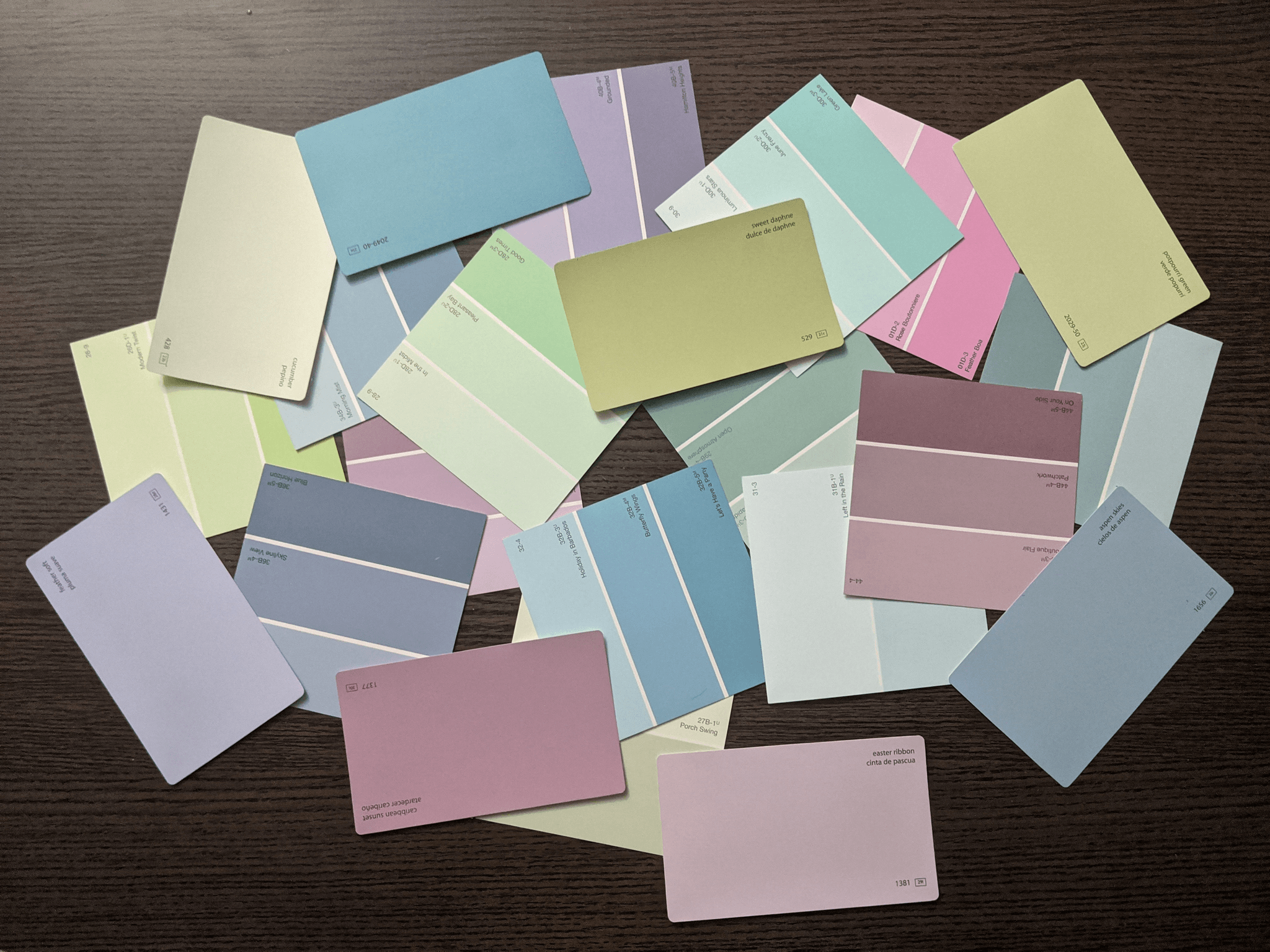
Pantone Colors are not just mere swatches; they are a sophisticated system that ensures color consistency across various mediums and products. Understanding how Pantone Colors work is crucial for designers, manufacturers, and QC companies alike. This section delves into the science behind color matching, the role of Pantone in branding, and tips for effective usage.
The Science Behind Color Matching
At its core, the science of color matching involves understanding how colors interact with light and perception. Pantone Colors are formulated using a specific blend of pigments that can be replicated consistently across different materials. This precise formulation allows QC companies to maintain color fidelity during production runs, ensuring that every item matches the intended design without variation.
The process starts with a standardized color reference from the Pantone Matching System (PMS), which acts as a benchmark for manufacturers worldwide. By using this system, businesses can avoid costly mistakes that arise from inconsistent colors in their products. In essence, the science behind Pantone Colors is about creating harmony in visual communication while reducing discrepancies.
The Role of Pantone Colors in Branding
Companies leverage these colors to create strong brand identities that resonate with consumers on an emotional level. Think about iconic brands like Tiffany & Co., whose signature blue is instantly recognizable; this is all thanks to their strategic use of specific Pantone Colors.
Using consistent Pantone Colors across marketing materials helps establish trust and recognition among customers. When consumers see a product packaged in its designated Pantone hue, they feel reassured about quality and authenticity—factors that play a significant role in purchase decisions. Thus, understanding how do Pantone colors work can greatly enhance brand loyalty and awareness.
Tips for Using Pantone Colors Effectively
To truly harness the power of Pantone Colors in your design projects or branding efforts, consider these helpful tips! First off, always consult the latest PMS guide before making any decisions—color formulations can vary slightly over time or between materials due to production methods or environmental factors. This ensures you're working with accurate representations of your chosen shades.
Secondly, think about context when selecting your colors; consider how they'll appear on different surfaces or under various lighting conditions. Lastly, collaborate closely with your designers and printers to ensure everyone is on the same page regarding your chosen Pantone palette—this will help avoid any surprises during production runs! By following these strategies on how do pantone colors work effectively within your brand's framework will lead you toward success.
Why are Pantone Colors Important for Inspection?

In the world of product inspection, Pantone Colors play a pivotal role in maintaining quality and consistency. These standardized colors ensure that every item produced matches the intended design specifications, helping companies avoid costly mistakes and customer dissatisfaction. By utilizing Pantone Colors, businesses can streamline their quality control processes, ensuring that products meet both aesthetic and functional standards.
Ensuring Consistency Across Products
One of the main advantages of using Pantone Colors is their ability to ensure consistency across products. When manufacturers adopt a specific Pantone Color for a product line, they can replicate that color accurately from one production batch to another. This consistency is crucial not just for visual appeal but also for meeting regulatory standards and customer expectations in various industries.
Moreover, QC companies rely heavily on Pantone Colors during inspections to verify that products adhere to the specified color guidelines. This practice minimizes discrepancies that could arise from variations in dye lots or printing processes, ultimately leading to a more reliable product offering. As customers increasingly demand uniformity in brand presentation, ensuring consistent use of Pantone Colors has never been more critical.
The Impact on Brand Identity and Recognition
Pantone Colors are not just about aesthetics; they significantly impact brand identity and recognition as well. Companies often choose specific colors from the Pantone palette because these hues evoke particular emotions or associations with their brand values. For instance, a vibrant red might convey energy and excitement, while a calm blue can represent trustworthiness.
When brands consistently use designated Pantone Colors across all marketing materials and products, it reinforces their identity in consumers' minds. This visual consistency aids recognition and helps build loyalty among customers who come to associate certain colors with specific brands or experiences. Therefore, understanding why Pantone Colors are important for inspection is essential for any business looking to strengthen its market presence.
Case Studies from QC Companies
Several QC companies have successfully integrated the use of Pantone Colors into their inspection processes with remarkable results. Take Company A: by adopting standardized color matching techniques based on the Pantone Matching System (PMS), they reduced color-related defects by 30% within six months! Their meticulous approach ensured that every batch met stringent quality criteria before reaching consumers.
Similarly, Company B implemented rigorous training programs focused on how do Pantone colors work within their teams—enhancing employees' understanding of color nuances and improving overall inspection accuracy dramatically. These case studies illustrate how QC companies leverage the power of Pantone Colors not only to enhance product quality but also to solidify brand integrity in competitive markets.
Best Practices for Using Pantone Colors
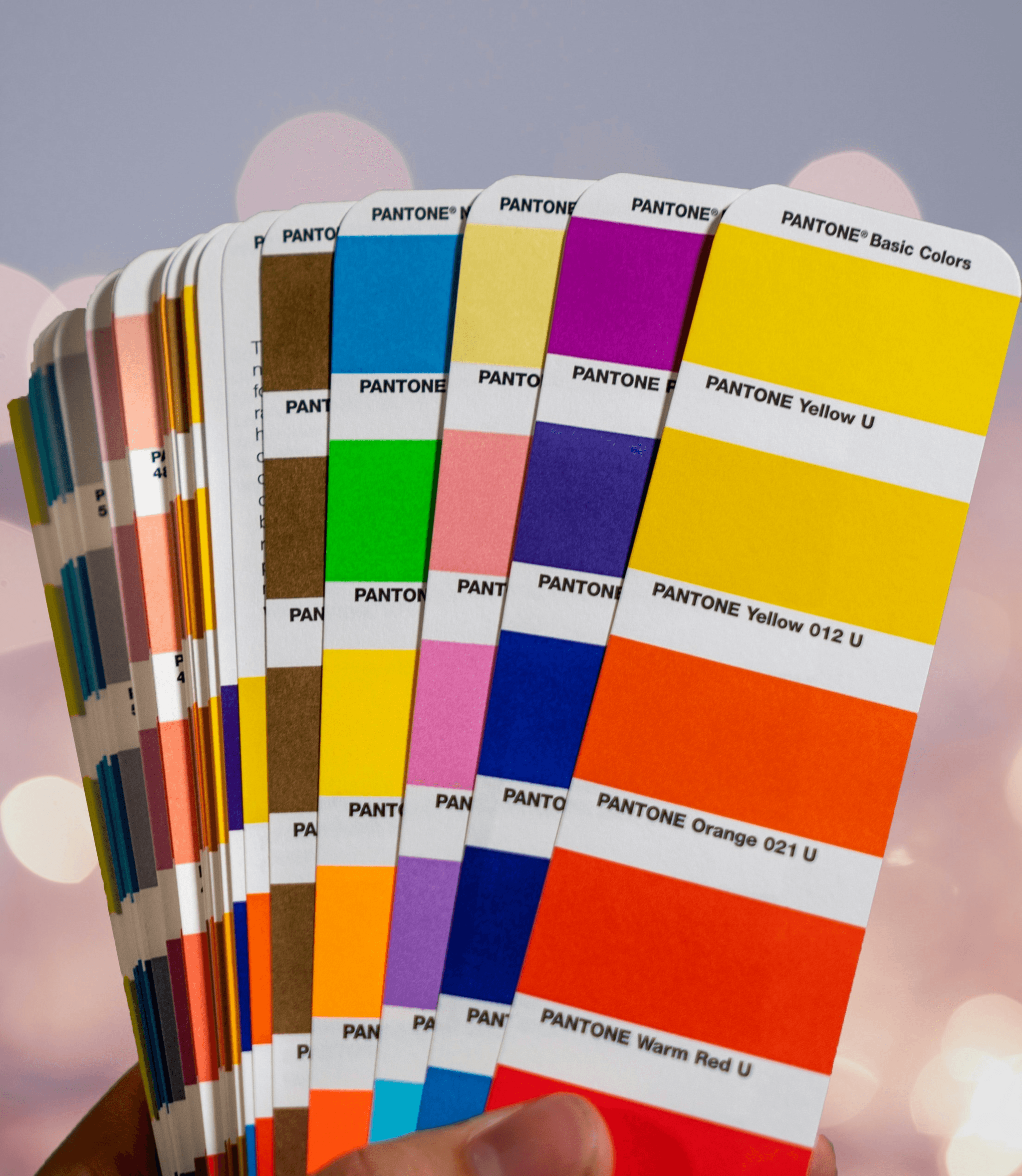
Selecting the Right Pantone Color
Choosing the right Pantone Color is crucial for conveying your brand’s message and identity accurately. Start by considering the emotions and associations tied to different colors; for example, blue often evokes trust while red can signify passion or urgency. Once you have a sense of the color direction, refer to the Pantone Matching System (PMS) to find specific shades that align with your vision—after all, how do Pantone colors work if they don’t reflect your brand’s essence?
Additionally, it’s wise to test your selected colors under various lighting conditions and on different materials; this ensures consistency and helps avoid surprises during production. Remember that what looks great on screen might differ when printed or applied, which is where QC companies come into play—they help maintain color fidelity throughout the process. Ultimately, selecting a Pantone Color should be a blend of creativity and strategic thinking.
Incorporating Pantone Colors in Marketing Materials
Once you’ve selected your perfect shade from the vast array of available Pantone Colors, it's time to weave them into your marketing materials effectively. Whether you're designing brochures, business cards, or digital content, consistency is key—using the same Pantone Colors across all platforms reinforces brand recognition and trust among consumers. Remember that incorporating these colors enhances not just aesthetics but also communicates professionalism.
When designing marketing materials with Pantone Colors, consider color psychology; harmonizing shades can create visual appeal while eliciting desired emotional responses from viewers. For instance, pairing warm tones with cooler accents might attract attention while maintaining balance—a tactic often employed by QC companies during product inspections to ensure visual appeal matches quality standards. As you incorporate these colors into various formats—print or digital—be mindful of how they interact with other elements like typography and imagery.
Collaborating with Designers on Color Choices
Collaboration is essential when working with designers on color choices involving Pantone Colors; after all, two heads are better than one! Open communication about your vision allows designers to bring their expertise into play while ensuring that everyone is aligned on expectations regarding how do Pantone colors work within the overall design framework. Sharing reference materials such as mood boards or previous design examples can help guide discussions toward successful outcomes.
Involving designers who understand why are Pantone Colors important for inspection will enhance overall project quality; they’ll be able to suggest complementary hues or adjustments based on their experience with color theory and practical application in real-world scenarios. Additionally, working together fosters innovation—sometimes an unexpected combination of shades leads to exciting new possibilities! So don’t hesitate: engage those creative minds early in the process.
How China Inspection Pro Utilizes Pantone Colors
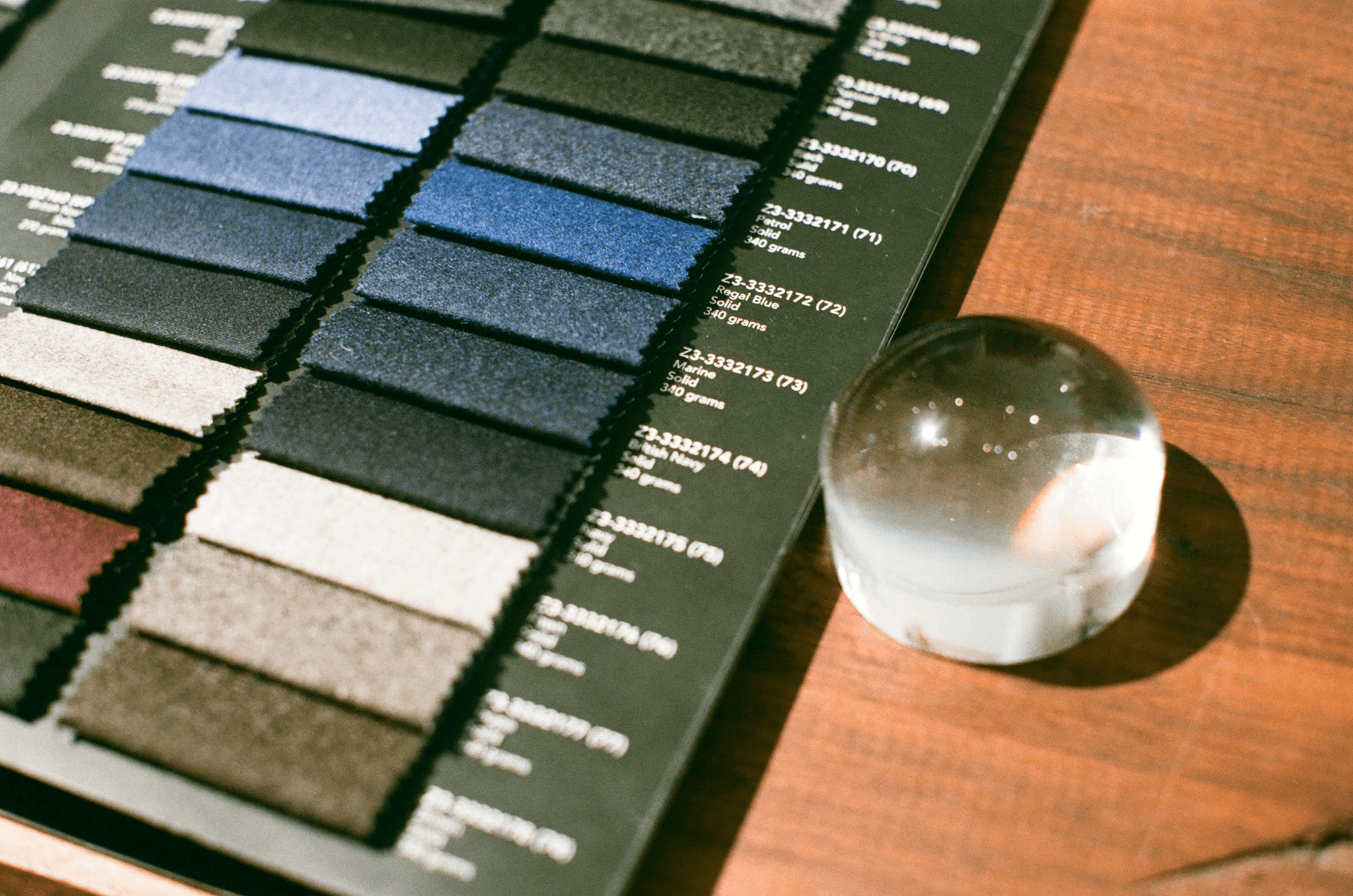
In the world of manufacturing and quality control, understanding how Pantone colors work is crucial for ensuring product quality. China Inspection Pro has adopted the use of Pantone colors to streamline their inspection processes, making it easier to identify discrepancies in color and maintain brand integrity. By leveraging the precision of Pantone colors, QC companies can ensure that products meet both aesthetic and functional standards.
Ensuring Product Quality with Pantone Colors
Ensuring product quality with Pantone colors is not just about aesthetics; it’s about consistency and reliability in manufacturing. When products are designed using specified Pantone colors, manufacturers can create a standardized reference point that helps maintain visual uniformity across different batches. This is especially important for brands that rely heavily on color identity as part of their marketing strategy—after all, a mismatch could mean losing customer trust.
Moreover, utilizing Pantone colors allows QC companies like China Inspection Pro to conduct more accurate inspections. By comparing actual products against established Pantone color codes, inspectors can identify any deviations swiftly and effectively. This practice not only enhances product quality but also reinforces brand loyalty by ensuring that customers receive exactly what they expect.
The Process of Color Inspection in Manufacturing
The process of color inspection in manufacturing hinges on an understanding of how do Pantone colors work within production lines. Inspectors begin by referencing the specific Pantone color codes associated with each product design before any production begins. During inspections, they evaluate finished goods against these benchmarks to determine if there are any discrepancies in hue or saturation.
This systematic approach allows for immediate corrective actions if a batch does not meet the required standards—thus minimizing waste and rework costs for manufacturers. Additionally, employing tools like spectrophotometers alongside Pantone swatches provides precise measurements that bolster confidence in the inspection results. As a result, QC companies can assure clients that their products will consistently reflect their intended designs.
Success Stories from China Inspection Pro
China Inspection Pro has several success stories showcasing how effective the use of Pantone colors has been in enhancing product quality across various industries. One notable case involved a renowned fashion brand that faced issues with inconsistent garment coloring across multiple production runs. By implementing strict adherence to specified Pantone colors during inspections, they were able to achieve remarkable improvements in consistency—leading to increased customer satisfaction and reduced returns.
Another success story highlights a consumer electronics company that struggled with branding due to variations in packaging colors across different suppliers. With China Inspection Pro's expertise in utilizing the Pantone Matching System effectively, they standardized packaging designs based on specific color codes which resulted in uniformity across all products worldwide—strengthening brand identity significantly.
These examples illustrate why are Pantone colors important for inspection: they serve as an essential tool for maintaining quality control while enhancing overall brand perception within competitive markets.
Conclusion
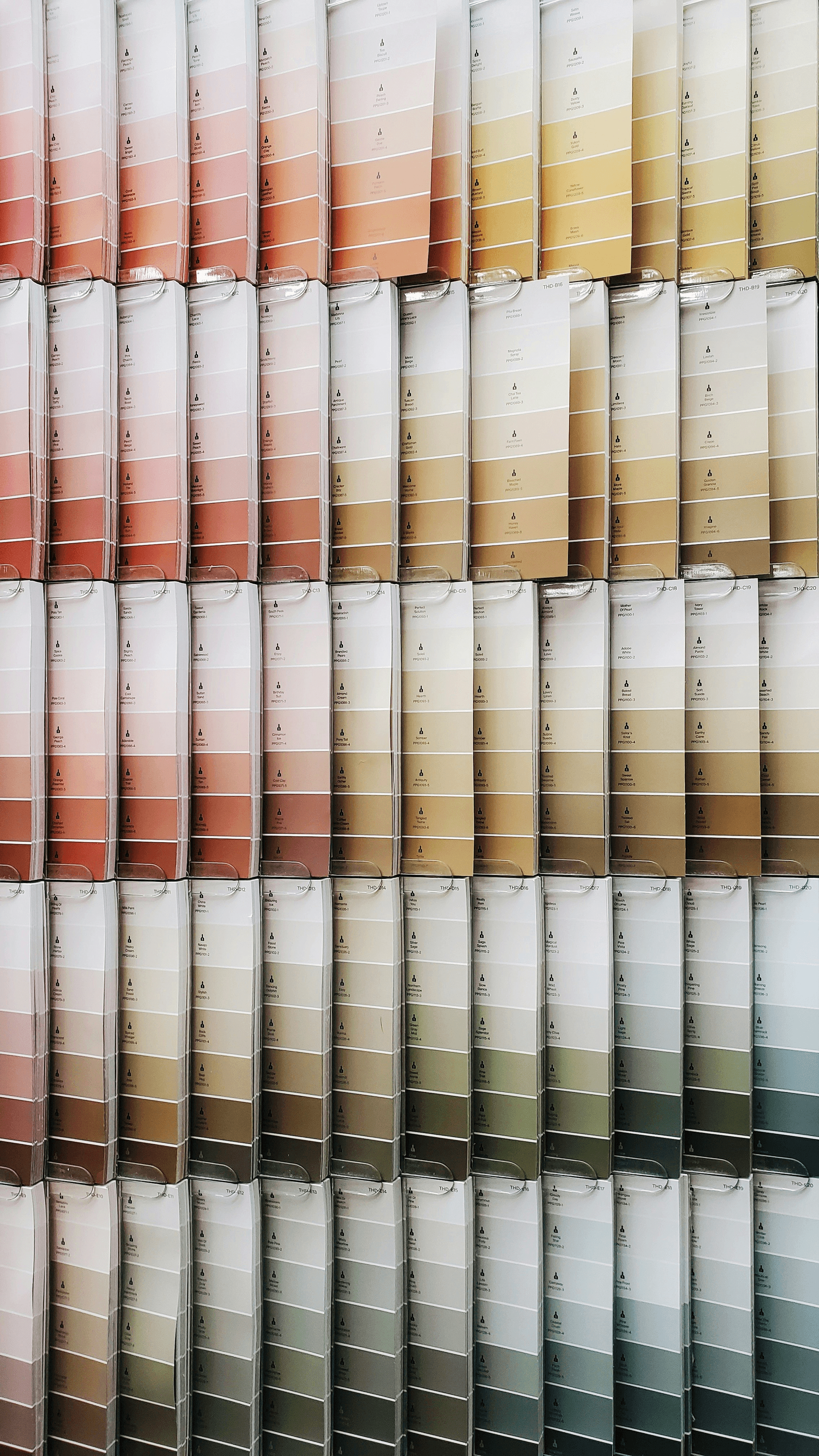
As we wrap up our exploration of Pantone Colors, it's clear that these color standards are more than just a pretty palette; they play a pivotal role in design and quality control across various industries. Understanding how do Pantone colors work can significantly enhance the consistency and appeal of products, making them essential tools for designers and QC companies alike. The importance of Pantone Colors transcends mere aesthetics, impacting everything from brand identity to manufacturing processes.
Key Takeaways About Pantone Colors
One of the main takeaways about Pantone Colors is their ability to ensure uniformity in color reproduction, which is vital for maintaining brand integrity. When companies utilize the Pantone Matching System (PMS), they can communicate exact color specifications across different materials and mediums, reducing discrepancies during production. Moreover, understanding why are Pantone Colors important for inspection allows businesses to uphold quality standards that resonate with consumers.
The Role of Pantone in Modern Design
In modern design, Pantone Colors serve as a universal language that bridges communication gaps between designers and manufacturers. By providing a standardized system for color matching, designers can create cohesive branding that stands out in a crowded marketplace. Additionally, knowing how do Pantone colors work helps brands evoke specific emotions and associations through their chosen palettes—an invaluable asset in today’s competitive landscape.
Future Trends in Pantone Color Usage
Looking ahead, we can expect to see even more innovative applications of Pantone Colors within various sectors such as fashion, technology, and interior design. As sustainability becomes increasingly important, there may be a rise in eco-friendly pigments aligned with the existing PMS framework to meet consumer demands for responsible choices. Furthermore, QC companies will likely continue leveraging these color systems not just for aesthetic purposes but also as integral components of quality assurance processes.