
Introduction

In an increasingly competitive marketplace, the significance of quality inspection and testing cannot be overstated. With consumers becoming more discerning about the products they purchase, businesses are under pressure to ensure that their offerings meet stringent quality standards. This is where quality inspection and testing come into play, serving as a critical checkpoint in various industries.
Understanding the Role of Quality Inspection
Quality inspection acts as a safeguard for both manufacturers and consumers, ensuring that products are safe, reliable, and meet specified standards. Whether it's through rigorous food packaging testing or verifying construction materials with an inspection certificate, this process helps maintain trust between brands and their customers. Moreover, knowing how to check material test certificates can empower businesses to uphold their commitment to quality.
The Growing Importance of Testing Today
As global markets expand and consumer expectations rise, the importance of thorough testing has surged dramatically. Companies must prioritize quality in construction projects to avoid costly mistakes that can arise from subpar materials or workmanship. Additionally, sectors like footwear inspection highlight the need for rigorous checks to guarantee comfort and safety for end-users.
Key Industries Benefiting from Quality Assurance
Several key industries have recognized the immense benefits that come from implementing strong quality assurance practices. The food industry particularly emphasizes the importance of food quality; after all, no one wants to deal with a food safety scandal! Similarly, electronics manufacturers rely heavily on comprehensive testing protocols to ensure product reliability and customer satisfaction—proof that investing in quality pays off across diverse sectors.
The Basics of Quality Inspection and Testing
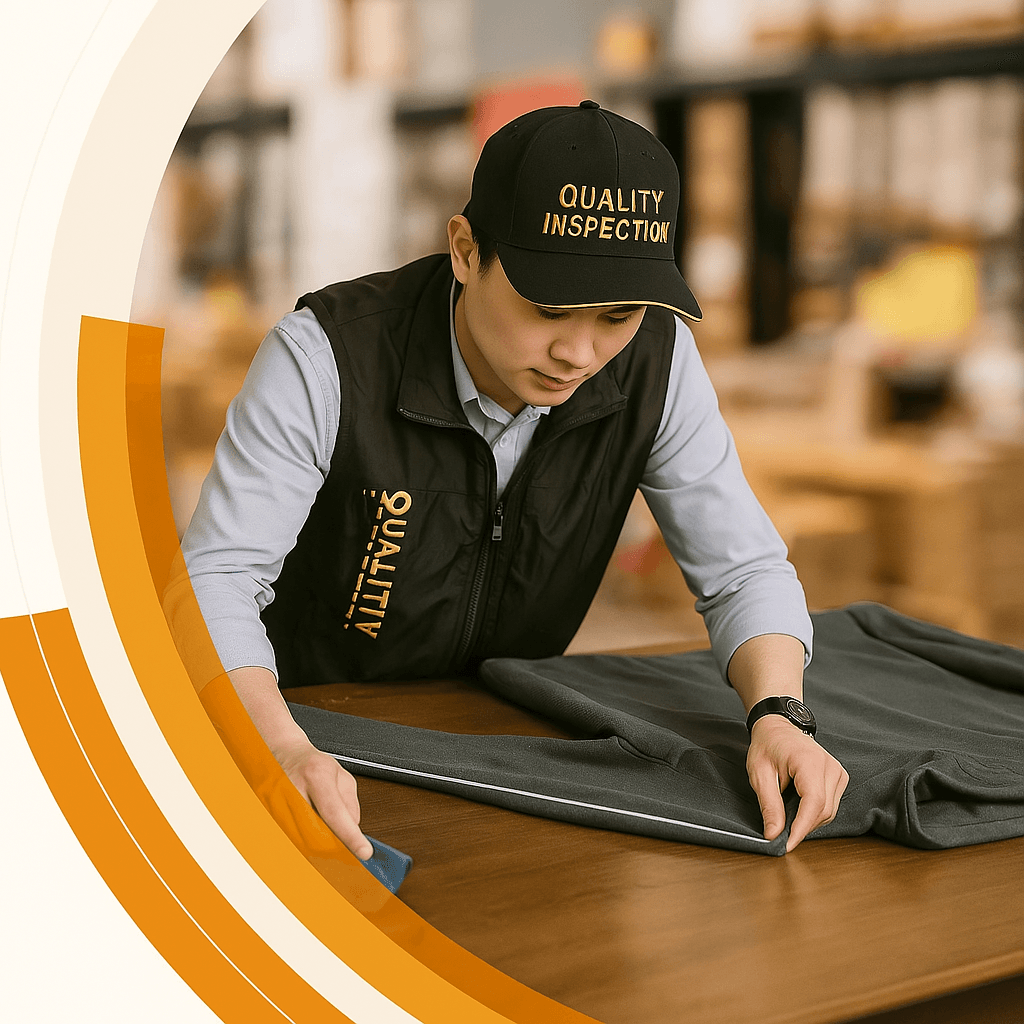
Quality inspection and testing serve as the backbone of product reliability and safety in various industries. These processes ensure that products meet predefined standards, thereby minimizing risks associated with defects. By implementing rigorous quality inspection and testing protocols, businesses can enhance their brand reputation and customer satisfaction.
Defining Quality Inspection and Testing
Quality inspection involves evaluating products at various stages of production to ensure they meet specific criteria, while testing assesses their performance against established benchmarks. Together, these processes form a critical part of quality assurance, providing manufacturers with insights into potential issues before products reach consumers. Understanding how to check material test certificates is essential for verifying compliance with safety regulations and industry standards.
Importance of Quality in Construction
In construction, the importance of quality cannot be overstated; it directly affects structural integrity and safety. Quality inspection ensures that materials used in building projects meet required specifications, which is crucial for long-lasting structures. Furthermore, employing a reputable QC company can mitigate risks associated with poor workmanship or substandard materials, ultimately safeguarding investments.
How Quality Inspection Impacts Consumer Trust
Consumer trust hinges heavily on the perceived quality of products; effective quality inspection builds this trust by ensuring that items are safe and reliable. When customers know that rigorous testing has been conducted — such as food packaging testing or footwear inspection — they feel more confident in their purchases. An inspection certificate serves as tangible proof of a product's compliance with industry standards, reinforcing consumer confidence even further.
Ensuring Product Safety through Testing
In today's fast-paced world, ensuring product safety through rigorous testing is more crucial than ever. Quality inspection and testing serve as the backbone of consumer trust, particularly in industries where safety is paramount, such as food production. With the right food packaging testing protocols in place, companies can significantly reduce the risk of contamination and ensure that their products meet regulatory standards.
Food Packaging Testing and Its Relevance
Food packaging testing plays a pivotal role in safeguarding consumer health by ensuring that packaging materials do not leach harmful substances into food products. It also assesses the durability and integrity of packaging to prevent breaches during transport or storage. Companies that prioritize quality inspection and testing in their food packaging processes demonstrate a commitment to consumer safety, which can enhance brand loyalty and market reputation.
Importance of Food Quality in Today's Market
The importance of food quality cannot be overstated; consumers today are more discerning than ever about what they put on their plates. High-quality food not only meets health standards but also aligns with growing trends towards organic and sustainably sourced products. By investing in thorough quality inspection processes, companies can ensure compliance with industry regulations while satisfying the increasing demand for transparency in product sourcing.
Case Studies on Food Safety Failures
History has shown us that neglecting quality inspection and testing can lead to catastrophic results, with case studies highlighting severe repercussions from food safety failures. One notable incident involved a major company whose failure to check material test certificates led to widespread contamination from improperly packaged goods, resulting in numerous illnesses and costly recalls. Such cases underscore the necessity for robust quality assurance practices within organizations, including regular audits by reputable QC companies specializing in food safety.
Navigating Material Verification

In the world of quality inspection and testing, navigating material verification is a crucial step for ensuring that products meet industry standards. This process involves scrutinizing materials used in production to guarantee their safety, durability, and compliance with regulations. For businesses in sectors like construction and food packaging, understanding how to check material test certificates can make or break product integrity.
How to Check Material Test Certificate
When it comes to quality inspection and testing, knowing how to check a material test certificate is essential for verifying the legitimacy of materials. Start by confirming that the certificate includes vital details such as the type of material, specifications, and test results conducted by accredited laboratories. Additionally, ensure that the issuing laboratory has proper certifications itself; this helps maintain trust in your supply chain and reinforces the importance of food quality in packaging.
Checking a material test certificate also involves looking for any discrepancies or missing information that could raise red flags about product safety. If you encounter an inspection certificate that looks questionable or lacks clarity, don’t hesitate to ask your supplier for further documentation or clarification. Ultimately, this diligence not only safeguards your business but also builds consumer confidence through rigorous quality inspection practices.
The Role of QC Companies in Quality Control
Quality control (QC) companies play a pivotal role in ensuring that products adhere to established standards throughout various industries. These companies specialize in conducting comprehensive inspections and testing procedures designed to assess everything from construction materials to footwear inspection processes. By partnering with a reputable QC company, businesses can streamline their quality assurance efforts while benefiting from expert insights on compliance and best practices.
A reliable QC company provides services such as on-site inspections, laboratory testing, and detailed reporting that highlight any potential issues before products reach consumers’ hands. This proactive approach not only mitigates risks associated with subpar materials but also enhances brand reputation by demonstrating commitment to quality assurance across all stages of production. In an era where consumers prioritize safety—especially regarding food packaging testing—collaborating with experienced QC professionals is more critical than ever.
Ensuring Compliance with Industry Standards
Ensuring compliance with industry standards is fundamental for any business aiming for market success through effective quality inspection and testing strategies. Compliance involves adhering to regulations set forth by governing bodies relevant to specific industries such as construction or electronics manufacturing—where even minor lapses can lead to significant consequences both legally and financially. Regular audits conducted by QC companies help ensure ongoing conformity while identifying areas needing improvement.
Moreover, staying updated on changes within regulatory frameworks allows businesses to adapt quickly without compromising product integrity or consumer trust—especially important when discussing the importance of food quality in today’s market landscape. Companies should regularly review their internal policies against current industry standards while leveraging insights gained from their QC partners during inspections or audits. By doing so, they reinforce their commitment not just towards compliance but also towards delivering high-quality products consistently.
Specialized Inspections for Various Industries
In today's fast-paced market, specialized inspections play a crucial role in ensuring that products meet the highest standards of quality. Each industry has its own unique requirements and challenges, making it essential to tailor quality inspection and testing processes accordingly. From footwear to electronics and fashion, understanding the nuances of each sector can significantly impact consumer trust and safety.
Footwear Inspection: Ensuring Comfort and Safety
Footwear inspection is not just about aesthetics; it's about ensuring comfort, durability, and safety for consumers. Quality inspection and testing in this sector involve checking materials for their properties, such as breathability, flexibility, and slip resistance. By adhering to rigorous standards during the footwear inspection process, manufacturers can avoid costly recalls and enhance brand loyalty.
When assessing shoes, it's vital to check material test certificates thoroughly to confirm compliance with safety regulations. A reliable QC company will conduct these assessments meticulously to ensure that every pair meets industry benchmarks for quality in construction. Ultimately, proper footwear inspection not only secures customer satisfaction but also minimizes liability issues for manufacturers.
Electronics and the Need for Rigorous Testing
The electronics industry demands a high level of precision in quality inspection and testing due to the potential risks associated with faulty products. Rigorous testing protocols are essential to verify that devices function correctly under various conditions while adhering to safety standards. This includes everything from assessing electrical components to ensuring that packaging protects against environmental factors.
Quality assurance in electronics also involves checking compliance with international regulations through detailed inspections certificates issued by reputable QC companies. These certifications serve as proof that products have undergone thorough evaluations before reaching consumers' hands. As technology continues to evolve rapidly, staying ahead of potential defects through diligent testing is more critical than ever.
Fashion Industry: Quality Assurance in Apparel
The fashion industry thrives on trends but relies heavily on maintaining consistent quality across collections—hence the importance of quality inspection and testing in apparel production. From fabrics used to stitching techniques employed, every detail contributes significantly to a garment's overall appeal and longevity. Regular inspections help identify flaws early on, preventing wasteful practices like overproduction or excessive returns.
In this context, understanding how to check material test certificates becomes vital for designers aiming for sustainable practices while ensuring top-notch quality in construction processes. Partnering with a trusted QC company can streamline these efforts by providing insights into material sourcing as well as compliance with industry standards like OEKO-TEX or GOTS certifications. In an era where consumers are increasingly conscious of ethical sourcing practices, effective quality assurance measures can set brands apart from their competitors.
Choosing the Right Inspection Partner

Selecting the right inspection partner is crucial for ensuring that your products meet industry standards and consumer expectations. Quality inspection and testing play a vital role in maintaining product integrity, especially in competitive markets. A reliable inspection partner can help streamline processes, improve compliance, and ultimately enhance your brand reputation.
Evaluating Inspection Companies: A Checklist
When evaluating inspection companies, it's essential to have a comprehensive checklist to guide your decision-making process. Start by assessing their expertise in quality inspection and testing across various industries, such as food packaging testing or footwear inspection. Additionally, check their credentials for issuing valid inspection certificates and ensure they provide clear documentation on how to check material test certificates.
Next, consider their track record with clients in your industry; this can be a strong indicator of their reliability and effectiveness. Look for reviews or case studies that highlight their experience with quality in construction or other relevant sectors. Finally, inquire about their communication practices—an effective QC company should be responsive and transparent throughout the process.
The Benefits of Partnering with China Inspection Pro
Partnering with China Inspection Pro offers numerous advantages that can significantly enhance your quality assurance efforts. Their extensive experience in quality inspection and testing ensures you benefit from best practices tailored to your specific needs, whether you're focused on food quality or materials verification. They also provide specialized services like food packaging testing that comply with international standards.
Moreover, China Inspection Pro's team is well-versed in navigating complex regulatory environments, making it easier for you to maintain compliance while focusing on core business operations. Their commitment to delivering accurate inspection certificates adds an extra layer of confidence when presenting products to consumers or stakeholders alike. With such support, you can rest assured that your products meet the highest standards of quality.
How a Quality Inspection Partner Enhances Product Value
A strong partnership with a quality inspection company can significantly enhance product value by ensuring adherence to industry standards and consumer expectations. Effective quality inspection and testing not only reduce the risk of defects but also build trust among consumers who prioritize safety—especially important when considering food packaging testing or footwear inspections where comfort is paramount.
Additionally, having a reliable QC company on board allows businesses to identify potential issues early in the production process, saving time and resources down the line. This proactive approach not only improves overall efficiency but also reinforces the importance of food quality as consumers become increasingly discerning about what they purchase. Ultimately, investing in a reputable inspection partner translates into long-term benefits for both brand reputation and customer loyalty.
Conclusion
In today's competitive marketplace, the connection between quality and market success is more pronounced than ever. Companies that prioritize quality inspection and testing not only enhance their product reliability but also build consumer trust, which is essential for brand loyalty. With consumers increasingly aware of product standards, businesses must recognize that investing in quality can lead to significant returns in market share and reputation.
The Connection Between Quality and Market Success
Quality inspection and testing are pivotal in establishing a brand's reputation. When consumers see an inspection certificate or learn how to check material test certificates, they feel more confident in their purchase decisions. This confidence translates into sales, as products associated with high-quality standards—like those verified through rigorous food packaging testing—tend to perform better in the marketplace.
Furthermore, industries such as construction benefit immensely from a focus on quality; ensuring structural integrity through effective quality in construction processes can prevent costly failures and enhance safety. Footwear inspection also plays a crucial role here; comfortable yet durable footwear can significantly influence consumer choices. Ultimately, companies that embrace quality as a core value tend to outperform their competitors.
Future Trends in Quality Inspection and Testing
As we look ahead, several trends are shaping the landscape of quality inspection and testing. One notable trend is the increasing integration of technology; advancements like AI and machine learning are streamlining how QC companies conduct inspections, making processes faster and more accurate. Additionally, there’s a growing emphasis on sustainability—consumers are demanding transparency regarding material sourcing and environmental impact, pushing companies to adopt comprehensive material verification practices.
Moreover, industries will likely see enhanced regulations around food quality; with incidents of food safety failures making headlines regularly, businesses must adapt by implementing robust food packaging testing protocols. As globalization continues to expand supply chains, businesses will need effective strategies for ensuring compliance with international standards while maintaining high-quality outputs across various sectors—from electronics to apparel.
Final Thoughts on Prioritizing Quality Assurance
In conclusion, prioritizing quality assurance is not just an operational necessity but a strategic advantage that can drive long-term success. By embracing practices like thorough footwear inspection or stringent food packaging testing protocols, companies demonstrate their commitment to excellence—and this commitment resonates with consumers seeking reliable products. As we move forward into an increasingly discerning market landscape, those who invest wisely in quality inspection and testing will undoubtedly reap the rewards of enhanced customer loyalty and sustained profitability.