
Introduction
Wood is a remarkable material that has been used for centuries, but one of its most frustrating characteristics is wood warping. In this exploration, we will delve into the 5 types of wood warping, their causes, and effective ways to prevent wood warping from becoming a headache.
Understanding Wood Warping
Wood warping occurs when the fibers in the material expand or contract unevenly due to environmental changes, leading to distortions that can compromise both aesthetics and functionality. This phenomenon can manifest in various forms, making it crucial for craftsmen and builders to recognize the signs early on. By grasping how wood behaves under different conditions, we can better prepare for potential issues related to material quality.
The Importance of Material Quality
High-quality materials are fundamental in preventing wood warping and ensuring the durability of wooden structures or furniture. Poorly sourced or treated wood is more susceptible to environmental factors that induce warping, which ultimately affects performance and appearance over time. Investing in superior material quality not only enhances resilience against warping but also contributes to overall project success.
Identifying the 5 Types of Wood Warping
To effectively combat wood warping, it’s vital to identify its five primary types: cup, bow, twist, case, and spring warping. Each type presents unique challenges that require tailored approaches for prevention and correction. By familiarizing ourselves with these categories, we can implement targeted strategies—like proper storage techniques—to mitigate risks associated with each form of distortion.
What Causes Wood Warping
Understanding the causes of wood warping is essential for anyone involved in woodworking or construction. Wood warping can lead to significant issues, affecting everything from furniture aesthetics to structural integrity. By delving into the environmental factors, humidity and temperature roles, and inherent wood characteristics, we can better appreciate how to mitigate this issue.
Environmental Factors Impacting Wood
Environmental factors play a crucial role in the occurrence of wood warping. Changes in climate, exposure to moisture, and even sunlight can all contribute to how wood behaves over time. For instance, wood stored outdoors may warp more easily due to fluctuating temperatures and humidity levels compared to that kept in controlled environments.
Additionally, seasonal changes can exacerbate these effects; summer heat might dry out the wood while winter brings moisture back into it. This constant cycle of drying and absorbing moisture is a recipe for disaster if not managed properly. Therefore, understanding these environmental influences is vital when considering ways to prevent wood warping.
The Role of Humidity and Temperature
Humidity and temperature are perhaps the most significant environmental factors influencing wood warping. Wood is a natural material that absorbs moisture from its surroundings; high humidity levels can cause it to swell while low humidity causes it to shrink. This dynamic interaction leads directly to various forms of the 5 types of wood warping we discussed earlier.
Temperature fluctuations also play a critical role; extreme heat can dry out wood too quickly while cold conditions may trap moisture inside it. Both scenarios create tension within the fibers of the wood, leading to deformation over time if not addressed correctly. Keeping an eye on these elements will go a long way toward maintaining material quality and preventing unwanted warps.
Inherent Wood Characteristics
Every type of wood has unique characteristics that affect its susceptibility to warping, making inherent traits another key factor in this equation. Different species have varying densities and grain patterns; softer woods might warp more easily than denser varieties due to their structure. Understanding these differences is crucial for selecting materials wisely—especially when aiming for stability in your projects.
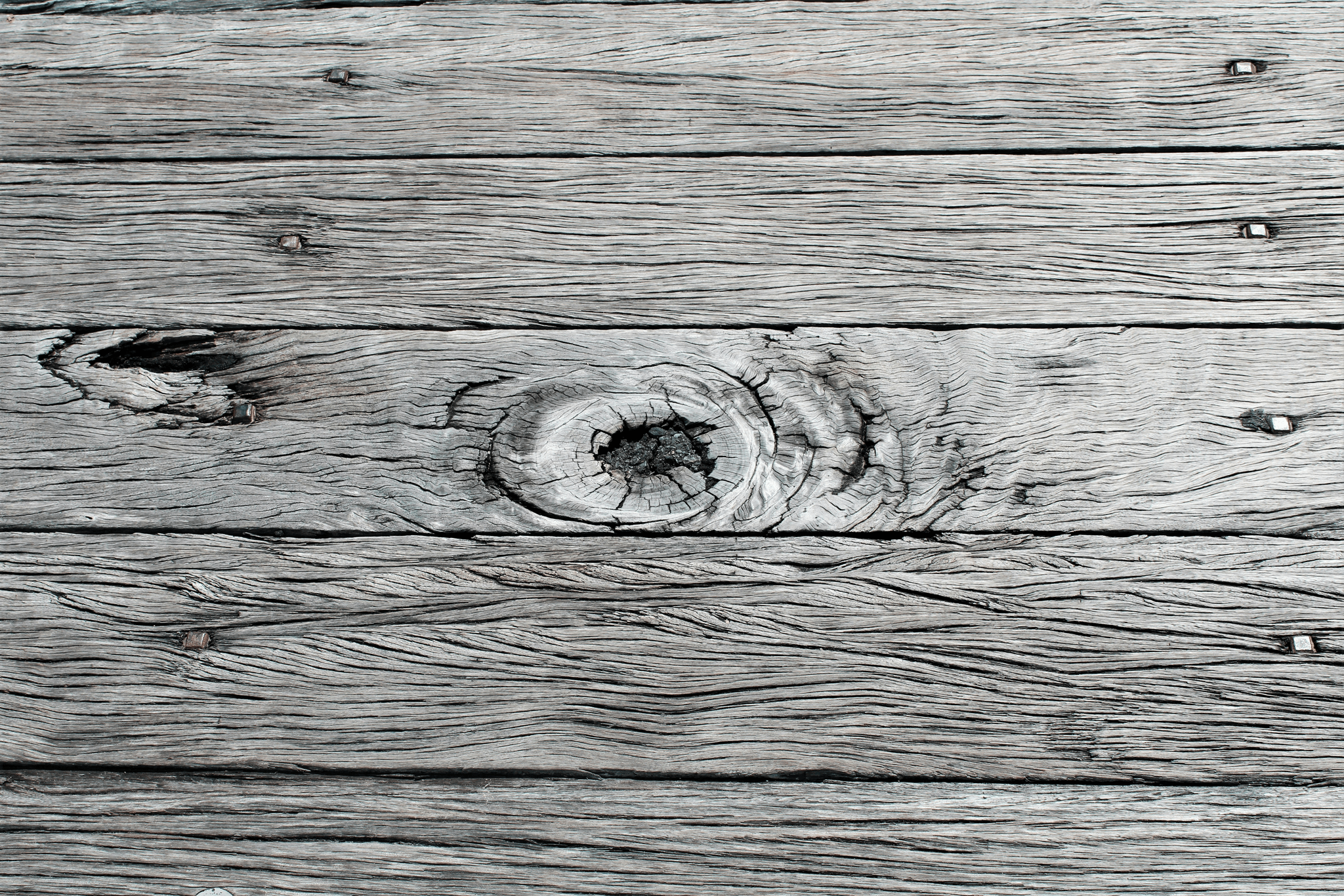
Moreover, defects such as knots or irregular grain patterns can further complicate matters by creating weak points within the material itself. These imperfections often act as catalysts for distortion under stress or changing environmental conditions. By recognizing these inherent qualities upfront, you’ll be better equipped with knowledge on ways to prevent wood warping before it becomes an issue.
The 5 Types of Wood Warping
Wood warping can be a woodworker's nightmare, but understanding the different types can help prevent costly mistakes. Each type of wood warping has its unique characteristics and causes, making it essential to recognize them early on. In this section, we will explore the five types of wood warping: cup, bow, twist, case, and spring.
Cup Warping Explained
Cup warping occurs when the edges of a board rise while the center remains flat, creating a bowl-like shape. This type of wood warping is often caused by uneven moisture content across the board's surface. To combat cup warping effectively, one must prioritize material quality and ensure proper drying techniques during manufacturing.
Bow Warping in Detail
Bow warping manifests as a gentle arc along the length of a board—think of it as a bowstring ready to shoot an arrow! This distortion often results from changes in humidity that affect one side more than the other. To minimize bow warping risks, select high-quality materials and consider factory audits to ensure consistent standards throughout production.
Twist Warping Overview
Twist warping is characterized by one corner of a board rising while the opposite corner dips—imagine a corkscrew! This makes for an unstable surface that can wreak havoc on any project requiring precision. Understanding how humidity affects wood behavior is crucial in preventing twist warping; maintaining even moisture levels during storage is key.
Case Warping Insights
Case warping occurs when the ends of a board curve upward while the middle remains flat or vice versa—like an exaggerated smile! This type typically results from improper drying methods or environmental factors affecting only part of the board. Ensuring material quality right from selection through storage can help mitigate case warping issues.
Spring Warping Demystified
Spring warping involves one edge being higher than another along its length but without any twisting or cupping effects—a subtle yet impactful distortion! It often arises from internal stresses within the wood fibers themselves rather than external factors like humidity or temperature changes. Regular quality inspections during production can help identify potential spring warps before they become problematic.
Ways to Prevent Wood Warping
Preventing wood warping is essential for maintaining the integrity and aesthetics of any wooden structure or piece of furniture. By understanding the causes and implementing effective strategies, you can significantly reduce the likelihood of encountering any of the 5 types of wood warping. Let's explore some practical ways to prevent this pesky issue.
Choosing High-Quality Materials
The foundation of preventing wood warping starts with selecting high-quality materials. Not all wood is created equal; some species are more prone to warping than others due to their inherent characteristics. Investing in premium-grade lumber not only enhances durability but also minimizes the risk associated with environmental factors that contribute to wood warping.
When shopping for wood, look for certifications that indicate quality standards, such as FSC (Forest Stewardship Council) certification. This ensures that you're getting materials sourced responsibly and treated properly, reducing the chances of encountering problems down the line. Remember, a little extra investment in material quality can save you from headaches related to warped wood later!
Proper Storage Techniques
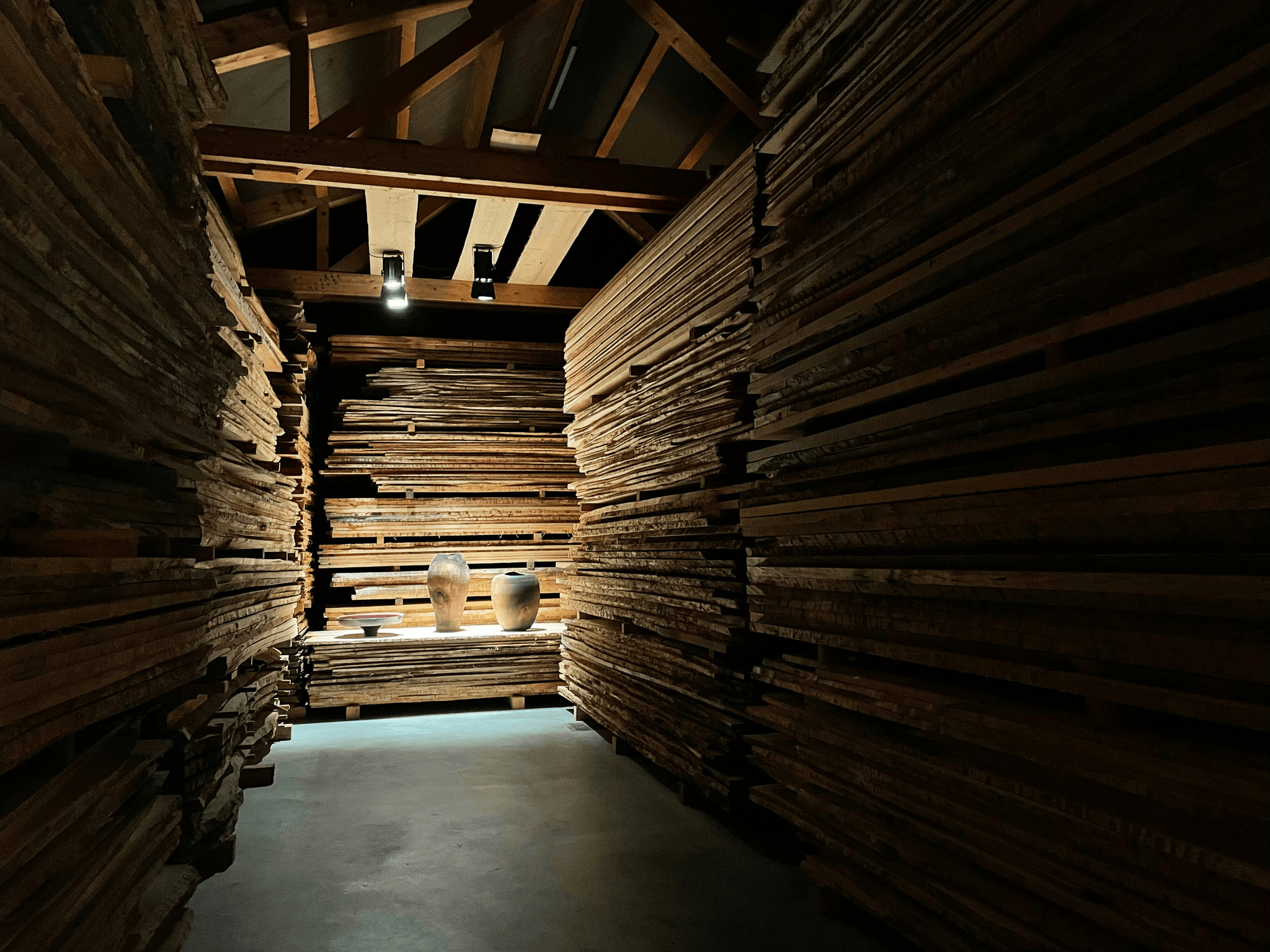
Once you've chosen high-quality materials, proper storage techniques are crucial in preventing wood warping before your project even begins. Wood should be stored in a controlled environment where temperature and humidity levels are stable; fluctuations can lead to significant issues over time. Stack your lumber flat on a level surface with spacers between each piece to allow air circulation—this helps maintain even moisture content.
Additionally, avoid placing wood directly on concrete floors or near heating sources, as these conditions can exacerbate moisture loss or gain, leading to unwanted warping effects. Regularly monitoring your storage environment will help ensure that your materials remain in optimal condition until you're ready for use. With proper care during storage, you can keep those 5 types of wood warping at bay!
Use of Moisture Barriers
Implementing moisture barriers is another effective way to prevent wood warping and protect your investment in quality materials. Moisture barriers act as shields against humidity fluctuations by creating a protective layer between the wooden surfaces and their surroundings—think of them as raincoats for your lumber! These barriers can be applied during construction or renovation projects, ensuring that moisture doesn’t seep into the material from below.
For example, when installing wooden flooring or cabinetry, consider using vapor barriers made from polyethylene film or specialized coatings designed for this purpose. This simple step helps maintain consistent moisture levels within the wood itself while minimizing exposure to external elements that could cause distortion or other types of warpiness! By incorporating moisture barriers into your strategy against wood warping, you’re taking proactive measures towards long-term stability.
The Impact of Factory Audits
In the realm of wood products, factory audits serve as a crucial checkpoint for maintaining high standards and ensuring that manufacturers adhere to quality protocols. These audits are essential not just for catching discrepancies but also for fostering a culture of excellence in material quality. By implementing regular factory audits, companies can significantly reduce the risks associated with wood warping and other issues.
Ensuring Consistency in Material Quality
Consistency is key when it comes to material quality, particularly in wood products where even minor variations can lead to significant problems like wood warping. Factory audits help ensure that all materials meet specified standards before they are processed into finished goods. This consistency is especially vital when considering the 5 types of wood warping, as different types may manifest based on the quality and characteristics of the raw materials used.
Importance of Quality Inspections
Quality inspections during factory audits play a pivotal role in identifying potential issues before they escalate into costly problems such as warped wood products. These inspections allow manufacturers to catch defects early on, thereby reducing waste and improving overall efficiency. When companies prioritize these inspections, they're not only safeguarding their reputation but also enhancing customer satisfaction by delivering superior products free from common issues like bow or cup warping.
How China Inspection Pro Can Help
China Inspection Pro specializes in conducting thorough factory audits tailored to the unique needs of businesses dealing with wooden products. With their expertise, they provide detailed reports that highlight areas for improvement related to material quality and manufacturing processes. By partnering with such professionals, companies can implement effective ways to prevent wood warping while ensuring compliance with industry standards.
Common Myths About Wood Warping
Debunking Misconceptions
One common myth is that only low-quality wood warps; however, even the finest materials can succumb to environmental factors. High-quality wood may be less prone to warping, but it’s not immune—exposure to extreme humidity or temperature changes can still cause issues. By recognizing this reality, we can focus on effective ways to prevent wood warping rather than relying solely on material quality.
Another misconception is that once wood has warped, there's no way to fix it. While severe cases may require replacement, many instances of warp can be corrected through proper treatment and adjustments. This highlights the importance of understanding each type of warp and how specific treatments may address them effectively.
Understanding Wood Behavior
Wood is a living material that reacts dynamically to its environment; thus, its behavior should not be oversimplified. For instance, different species react differently depending on their inherent characteristics—some woods are naturally more stable than others. This variability means that knowing your materials well can significantly influence how you approach prevention strategies for wood warping.
Moreover, the idea that all types of warp are caused by moisture is misleading; factors such as grain orientation and drying methods also play crucial roles in how wood behaves over time. Recognizing these influences allows for more informed decisions during the selection process and helps in implementing effective ways to prevent wood warping before it becomes an issue.
Clarifying Treatment Techniques
Each type of warp requires specific techniques tailored for effective correction or prevention—what works for cup warping might not suffice for twist or bowing issues. Understanding these distinctions ensures that you apply the right treatment methods based on the unique characteristics of your materials.
Additionally, some people believe that simply applying a sealant will solve all potential problems related to moisture exposure in wooden products; while sealants help mitigate risks associated with humidity fluctuations, they are not a cure-all solution against all forms of wood warping. Regular inspections and factory audits are essential steps in maintaining material quality and ensuring consistent results throughout production processes.
Conclusion
Wood warping is a complex issue that can significantly affect the quality and durability of wooden products. Understanding the causes behind wood warping, including environmental factors and inherent wood characteristics, is essential for anyone working with this versatile material. By being aware of the 5 types of wood warping—cup, bow, twist, case, and spring—individuals can better anticipate potential problems and take action to mitigate them.
Recap of Wood Warping Causes
The primary causes of wood warping stem from environmental influences such as humidity and temperature fluctuations. These factors can lead to uneven moisture absorption in the wood, prompting it to warp in various ways. Additionally, the inherent characteristics of different wood species play a crucial role; some woods are more prone to warping than others due to their cellular structure.
Effective Prevention Strategies
Proper storage techniques also play a significant role; keeping wood in controlled environments reduces exposure to detrimental conditions that promote warping. Utilizing moisture barriers further protects against humidity changes that can lead to unwanted deformation.
Importance of Quality Control in Wood Products
Quality control is vital in ensuring that wooden products maintain their integrity over time. Regular factory audits help ensure consistency in material quality by identifying potential issues before they escalate into larger problems like wood warping. Companies like China Inspection Pro specialize in these audits, providing essential services that help manufacturers uphold high standards and minimize defects related to wood quality.