
Introduction
In the fast-paced world of manufacturing and logistics, shipment inspections play a crucial role in ensuring product quality and timely delivery. These inspections are not just a box to check; they are essential for safeguarding your business reputation and customer satisfaction. By establishing clear expectations from the outset, you can significantly reduce misunderstandings and enhance collaboration with your suppliers.
Importance of Shipment Inspections
Shipment inspections act as the final checkpoint before products reach their destination, allowing businesses to test the quality of parts before shipment. Ensuring that goods meet predefined quality standards can prevent costly returns or dissatisfied customers down the line. Furthermore, thorough shipment inspections help identify any potential issues early on, which can save time and money in the long run.
Benefits of Setting Clear Expectations
Setting clear expectations for product quality and deadlines upfront is vital for successful partnerships with suppliers. When everyone is on the same page regarding what constitutes acceptable quality and when products should be delivered, it minimizes confusion and fosters accountability. This proactive approach not only streamlines operations but also builds trust between all parties involved.
The Role of Regular Updates
To maintain transparency throughout the production process, it’s essential to get regular updates from someone at the factory. Establishing a direct line of communication ensures that any concerns or changes can be addressed promptly, preventing misunderstandings that could lead to delays or subpar products. Additionally, regular updates keep everyone informed about progress and allow for quick adjustments if necessary—an invaluable asset in today’s dynamic market environment.
Set Clear Expectations for Product Quality and Deadlines Upfront
Setting clear expectations for product quality and deadlines upfront is crucial in the realm of shipment inspections. By establishing these parameters at the beginning of the process, you not only set a standard for what is acceptable but also reduce the likelihood of misunderstandings that can lead to costly delays. This proactive approach lays the groundwork for smoother communication and ultimately results in more successful shipments.
Define Quality Standards from the Start
Defining quality standards from the start is essential to ensuring that your products meet customer expectations during shipment inspections. Clearly articulated quality benchmarks provide a reference point for both you and your suppliers, helping to avoid any ambiguity around what constitutes an acceptable product. Without these standards, you risk receiving subpar goods that could derail timelines and lead to further complications down the line.
Communicate Timelines Effectively
Effective communication of timelines is just as important as defining quality standards when it comes to shipment inspections. By clearly outlining deadlines for production and delivery, you create a shared understanding among all parties involved—your team, suppliers, and logistics partners alike. This clarity helps everyone stay on track while minimizing potential disruptions caused by missed deadlines or last-minute changes.
Align with Suppliers on Expectations
Aligning with suppliers on expectations forms a critical part of setting clear parameters for product quality and deadlines upfront. Regular discussions about these expectations ensure that everyone is on the same page regarding what needs to be achieved before shipment inspections take place. When both parties are aligned, it fosters a collaborative environment where issues can be addressed promptly, paving the way for successful outcomes in future production runs.
Get Regular Updates from Someone at the Factory

Maintaining a strong connection with your factory is crucial for successful shipment inspections. Regular updates can help you stay informed about production progress, quality control issues, and potential delays before they escalate into bigger problems. By fostering this communication, you ensure that everyone is on the same page when it comes to your expectations for product quality and deadlines.
Establish a Direct Line of Communication
Creating a direct line of communication with someone at the factory can significantly enhance your oversight during the manufacturing process. This relationship allows for immediate reporting on any concerns related to shipment inspections or product quality issues, ensuring that you can address them promptly. When both parties are aligned, it becomes easier to set clear expectations for product quality and deadlines upfront, minimizing misunderstandings.
Utilize Technology for Immediate Feedback
In today’s fast-paced world, leveraging technology is key to getting regular updates from someone at the factory. Tools like instant messaging apps or project management software allow for real-time feedback and quick responses to any questions regarding shipment inspections or production timelines. By utilizing these technologies effectively, you can test the quality of parts before shipment and make necessary adjustments without delay.
Schedule Regular Check-ins with Factory Contacts
Regular check-ins with your factory contacts are essential for staying ahead of potential issues that could impact your shipment inspections. These scheduled meetings provide an opportunity to discuss ongoing production status and address any concerns regarding product quality or deadlines directly. By committing to these check-ins, you work toward continuous improvement to prevent future production or shipping delays while reinforcing a culture of accountability.
Conduct DUPRO and Pre-Shipment Inspection
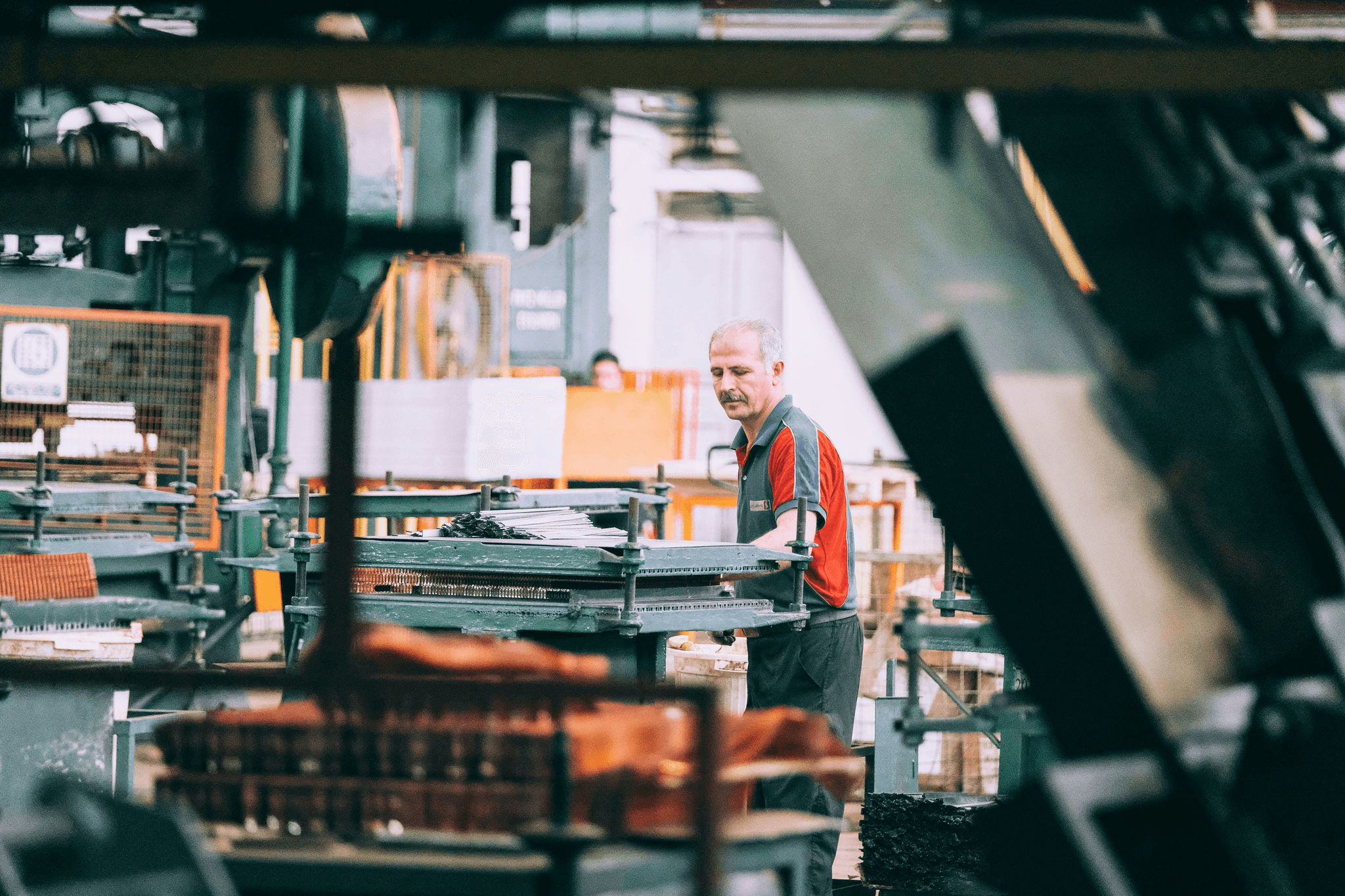
In the world of international trade, conducting thorough shipment inspections is vital to ensure that products meet quality standards before they reach customers. This is where the pre-shipment inspection procedure comes into play, serving as a final checkpoint to confirm that everything aligns with the set expectations for product quality and deadlines upfront. By integrating both DUPRO (during production) and pre-shipment inspections into your workflow, you can significantly reduce the risk of receiving subpar products.
Understand the Pre-Shipment Inspection Procedure
The pre-shipment inspection procedure is a systematic approach designed to evaluate the quality of goods before they leave the factory. It typically involves checking for defects, measuring specifications, and ensuring compliance with regulations—essentially a last line of defense against quality issues. By understanding this process thoroughly, businesses can better prepare their suppliers and set clear expectations for product quality and deadlines upfront.
During this procedure, inspectors will physically examine samples from production lots to test the quality of parts before shipment. This not only helps in verifying that products meet predefined standards but also serves as an opportunity for manufacturers to address any discrepancies immediately. Ultimately, a well-executed pre-shipment inspection can save time, money, and headaches down the line.
Importance of DUPRO in Quality Assurance
DUPRO inspections are conducted during production rather than at the end of manufacturing, making them an essential part of maintaining high-quality standards throughout the entire process. The importance of DUPRO in quality assurance cannot be overstated; it allows for early detection of potential issues that could lead to shipment delays or unsatisfactory products reaching customers. By implementing these checks regularly, companies can get regular updates from someone at the factory about any concerns or adjustments needed.
This proactive approach not only minimizes risks but also fosters stronger relationships with suppliers who appreciate transparency in communication regarding product quality. Additionally, by catching problems early on through DUPRO inspections, businesses can work toward continuous improvement to prevent future production or shipping delays effectively. In essence, integrating DUPRO into your quality assurance strategy enhances overall operational efficiency.
Mitigating Risks with Thorough Inspection
Thorough inspections are crucial for mitigating risks associated with shipment inspections; they provide a comprehensive overview of how well products adhere to specified standards throughout production and just before shipping. By conducting both DUPRO and pre-shipment inspections diligently, businesses can identify any inconsistencies or defects prior to delivery—ensuring that only top-notch goods make it into customers' hands. This level of scrutiny not only protects your brand reputation but also reinforces trust between you and your suppliers.
Moreover, these thorough checks allow companies to implement corrective actions swiftly should any issues arise during inspection phases—ultimately leading to better alignment on expectations across all parties involved in manufacturing processes. The goal is simple: test the quality of parts before shipment so that everyone wins: suppliers maintain their credibility while buyers receive exactly what they ordered without surprises down the road!
By making rigorous inspections an integral part of your operational strategy, you pave the way for smoother transactions and long-lasting partnerships built on mutual respect for quality.
Work Toward Continuous Improvement to Prevent Future Delays
To ensure a seamless supply chain and mitigate future production or shipping delays, it's crucial to embrace a mindset of continuous improvement. This involves not just reacting to issues as they arise but proactively analyzing past shipment inspections to identify patterns and areas for enhancement. By focusing on previous outcomes, businesses can refine their processes, ensuring that every shipment inspection yields better results moving forward.
Analyze Past Shipment Inspection Results
Analyzing past shipment inspection results is like holding up a mirror to your operations; it reveals strengths and weaknesses in your quality assurance processes. By meticulously reviewing these outcomes, companies can pinpoint recurring issues that lead to subpar product quality or missed deadlines. This insight allows businesses to set clear expectations for product quality and deadlines upfront, significantly reducing the chance of encountering the same pitfalls in future shipments.
Implement Feedback Loops with Factories
Creating effective feedback loops with factories is essential for maintaining open lines of communication about product quality and timelines. Regular dialogue fosters an environment where both parties can express concerns and share insights related to shipment inspections, thus enhancing collaboration on quality standards. By getting regular updates from someone at the factory during this process, companies can swiftly address potential problems before they escalate into costly delays.
Foster a Culture of Quality at Every Level
Fostering a culture of quality at every level within an organization ensures that everyone—right from the production floor to management—understands the importance of conducting thorough DUPRO and pre-shipment inspections. When employees are empowered to prioritize quality in their daily tasks, it creates a ripple effect that enhances overall efficiency and minimizes risks associated with shipping delays. Ultimately, when teams are committed to testing the quality of parts before shipment, it leads not only to improved products but also strengthens relationships with suppliers through shared goals.
Conclusion
In conclusion, effective shipment inspections are not just a box to check off; they are pivotal in maximizing efficiency and ensuring product quality. By implementing a robust inspection strategy, companies can significantly reduce the risk of delays and defects. This commitment to thorough inspections ultimately translates into smoother operations and greater customer satisfaction.
Maximize Efficiency Through Inspections
Maximizing efficiency through shipment inspections begins with setting clear expectations for product quality and deadlines upfront. When everyone involved understands the standards from the start, it minimizes confusion and miscommunication down the line. Regularly conducted pre-shipment inspection procedures further enhance this efficiency by catching potential issues before they escalate into costly problems.
Build Stronger Relationships with Suppliers
Building stronger relationships with suppliers is an essential outcome of effective communication and regular updates from someone at the factory. When suppliers feel that their efforts in maintaining quality are recognized through consistent inspections, they are more likely to prioritize your needs. This collaborative atmosphere fosters trust, making it easier to work toward continuous improvement to prevent future production or shipping delays.
Commit to Quality for Future Success
Committing to quality for future success means integrating practices like conducting DUPRO and pre-shipment inspections as standard operating procedures. These proactive measures not only help test the quality of parts before shipment but also create a culture focused on excellence at every level of production. By consistently analyzing past shipment inspection results and implementing feedback loops, businesses can ensure that their commitment to quality remains unwavering.