
Introduction

In today's global marketplace, the significance of Quality Control Inspection cannot be overstated. Importers face the dual challenge of ensuring that their products meet both consumer expectations and regulatory standards, making quality checks a vital part of their operations. By implementing effective quality control measures, businesses can not only enhance product reliability but also foster stronger relationships with suppliers.
Understanding Quality Control Inspection
Quality Control Inspection is a systematic process designed to evaluate and ensure that products meet specific standards before they reach consumers. This involves rigorous assessments conducted by specialized quality inspection companies that focus on various aspects of manufacturing quality control. Understanding this process is crucial for importers who wish to safeguard their reputation and maintain high customer satisfaction levels.
Importance of Quality Checks for Importers
For importers, regular quality checks are essential in mitigating risks associated with poor-quality goods entering the market. These inspections act as a safety net, preventing defective products from reaching customers and thereby reducing potential financial losses from returns and complaints. Furthermore, establishing a robust quality control framework helps importers comply with industry regulations, ensuring that their offerings are safe and reliable.
Overview of Key Benefits
The benefits of implementing comprehensive quality control measures extend far beyond mere compliance; they encompass enhanced product quality, cost savings over time, and strengthened supplier relationships. By prioritizing quality inspections, companies can minimize defects while optimizing supply chain efficiency—a win-win scenario for all stakeholders involved. Ultimately, investing in quality control is an investment in long-term success and sustainability within the competitive landscape.
Enhanced Product Quality
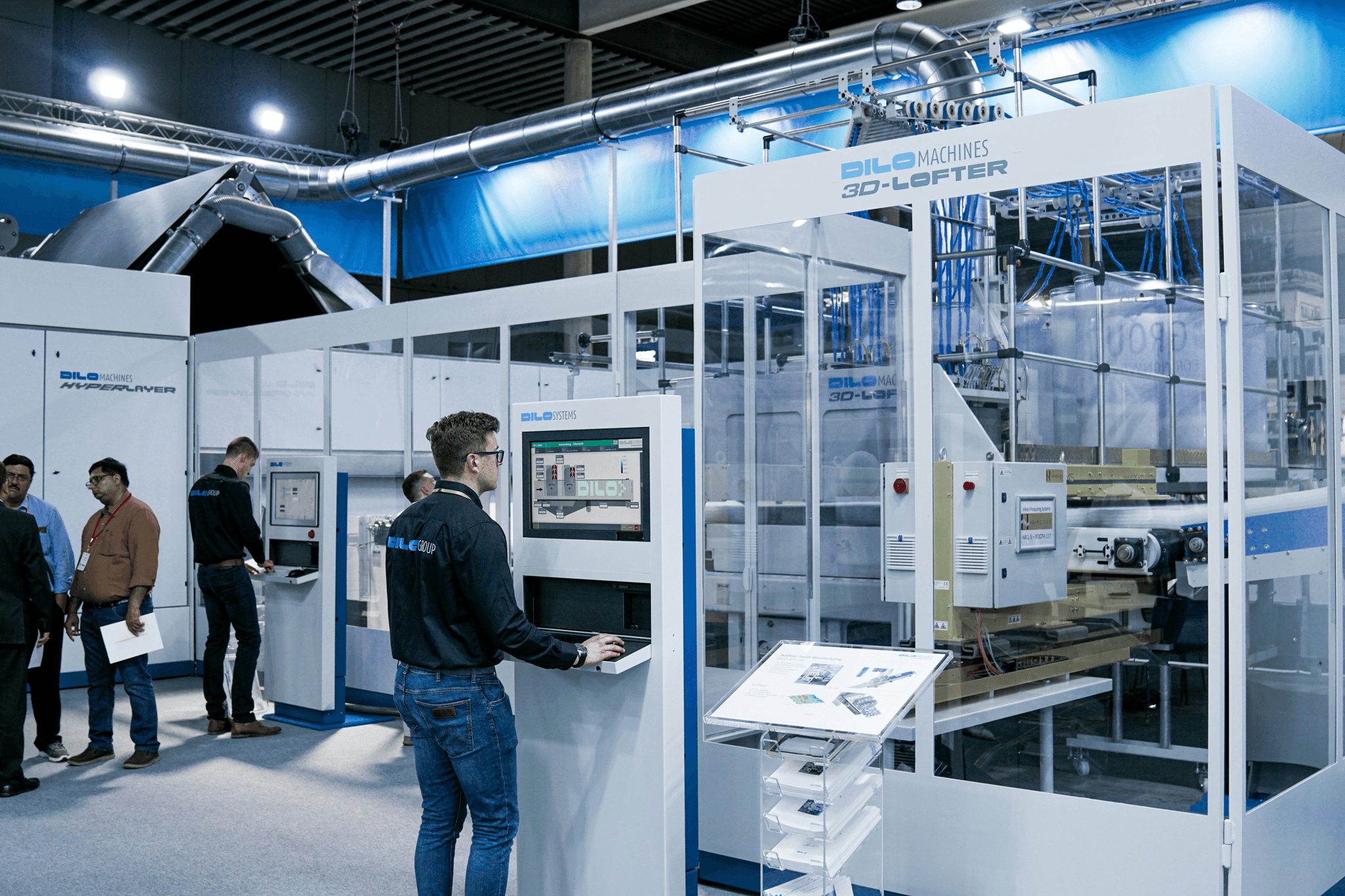
Quality Control Inspection serves as the backbone of this endeavor, ensuring that products not only meet but exceed expectations. By implementing rigorous quality checks, businesses can deliver superior products that resonate with consumers and uphold brand reputation.
Meeting Industry Standards and Regulations
In the realm of manufacturing, adhering to industry standards and regulations is crucial for success. Quality inspection companies play a vital role in helping businesses navigate these complex requirements by conducting thorough quality control inspections. By ensuring compliance with safety and performance standards, companies can avoid costly penalties and bolster their credibility in the market.
Reducing Defects and Returns
One of the most significant advantages of effective quality control is the reduction of defects and returns. With meticulous quality checks in place, companies can identify potential issues before products reach consumers, minimizing the likelihood of returns due to dissatisfaction or malfunction. This proactive approach not only enhances customer satisfaction but also saves companies from incurring additional costs associated with handling returns.
Ensuring Consistency Across Shipments
Quality control in manufacturing ensures that each batch meets established specifications through systematic inspections conducted by reliable inspection companies. By maintaining this level of consistency, businesses can foster trust among their customers while also enhancing their overall brand image.
Cost Savings Over Time

Importers who overlook quality checks often find themselves facing unexpected losses due to defective products that fail to meet customer expectations. By investing in rigorous quality inspection processes, businesses can significantly minimize these financial losses and ensure their bottom line remains healthy.
Minimizing Financial Losses from Poor Quality
The first step in minimizing financial losses is recognizing the impact of poor quality on your reputation and sales figures. Companies that prioritize quality control in manufacturing are less likely to face costly returns and refunds, which can quickly erode profit margins. By implementing effective quality checks through reliable inspection companies, importers can catch defects before products reach customers, safeguarding their revenue streams.
Moreover, when a company invests in thorough quality inspections, it not only reduces immediate losses but also enhances customer satisfaction and loyalty. Satisfied customers are more likely to return for repeat business and recommend the brand to others, generating additional revenue over time. Thus, minimizing financial losses through proactive quality control is a win-win scenario for any importer looking to thrive in a competitive market.
Reducing Additional Costs of Rework
Rework is an often-overlooked cost that can drain resources and disrupt supply chain efficiency. When products do not meet established standards due to inadequate quality checks, companies must invest time and money into fixing these issues before the items can be sold or shipped again. Quality inspection companies play a crucial role here by identifying potential problems early on, allowing businesses to avoid costly rework altogether.
Implementing a robust company quality control system means that issues are addressed at the source rather than after they have escalated into larger problems requiring extensive rework efforts. This streamlined approach not only saves money but also helps maintain production schedules and delivery timelines—critical factors for maintaining strong supplier relationships and customer satisfaction alike. Ultimately, reducing rework costs leads directly to improved profitability for importers committed to excellence.
Streamlining Supply Chain Efficiency
An efficient supply chain is essential for any importer aiming for success in today’s fast-paced market environment—and effective quality control inspection plays a pivotal role in achieving this efficiency. By working closely with reputable inspection companies, businesses can ensure that every link in their supply chain adheres to stringent standards of product integrity from start to finish. This alignment fosters smoother operations and reduces delays caused by defective goods entering circulation.
Furthermore, when all parties involved understand the importance of consistent quality checks throughout the manufacturing process, collaboration improves significantly across the board—leading to faster response times and fewer misunderstandings between suppliers and importers alike. Streamlined supply chains save both time and money while enhancing overall productivity levels within an organization’s operations framework—a key advantage for any business looking toward future growth opportunities.
Strengthening Supplier Relationships

Strong partnerships lead to better communication, increased trust, and ultimately, improved product quality. By prioritizing these relationships, companies can ensure that their quality checks are not just a box-ticking exercise but a collaborative effort toward excellence.
Building Trust with Inspection Companies
Trust is the bedrock of any successful partnership in quality control. When importers work closely with quality inspection companies, they establish a foundation of reliability that benefits both parties. This trust allows for open dialogue about potential issues and fosters an environment where constructive feedback is welcomed—leading to improved company quality control practices.
Moreover, building trust encourages transparency in inspections and results. Suppliers who feel valued are more likely to adhere to stringent quality checks and strive for excellence in their production processes. Ultimately, this mutual respect enhances the overall effectiveness of quality control in manufacturing.
Collaborating for Continuous Improvement
Collaboration is key when it comes to continuous improvement in product standards through effective quality inspections. By working hand-in-hand with inspection companies, businesses can share insights and identify areas needing enhancement within their supply chain processes. This synergy not only leads to better compliance with industry standards but also drives innovation in manufacturing practices.
Importers should view their relationship with inspection companies as a partnership rather than a transactional interaction. Regular meetings and feedback loops create opportunities for learning and growth on both sides—resulting in fewer defects and returns over time. When everyone is invested in the process of improvement, it’s a win-win situation that elevates product quality across the board.
Enhancing Communication and Transparency
Effective communication is vital when discussing company quality control measures with suppliers and inspection companies alike. Clear lines of communication help prevent misunderstandings regarding expectations for product standards during inspections or what constitutes an acceptable level of defects during production runs. The more transparent these conversations are, the smoother the entire process becomes.
Incorporating regular updates on inspection results ensures that everyone involved stays informed about progress or setbacks related to quality checks. This openness fosters an environment where issues can be addressed promptly before they escalate into larger problems down the line—protecting both businesses from costly mistakes associated with poor-quality products entering the market.
By enhancing communication channels between all stakeholders involved in manufacturing processes—from suppliers to inspection teams—importers can create a culture focused on excellence through collaboration rather than isolation.
Conclusion
In today's competitive market, the importance of Quality Control Inspection cannot be overstated. Quality checks serve as a cornerstone for ensuring that products not only meet industry standards but also exceed customer expectations. As we've explored, investing in quality control is a proactive approach that pays dividends in the long run.
Emphasizing the Value of Quality Control
Quality control is essential for maintaining high standards in manufacturing processes. It helps businesses avoid costly mistakes by identifying defects before products reach consumers. By prioritizing quality inspections, companies can enhance their reputation and foster customer loyalty, ultimately leading to sustained success.
Benefits of Partnering with Quality Inspection Companies
Collaborating with reputable quality inspection companies offers numerous advantages for businesses aiming to streamline their operations. These partnerships provide access to expertise and resources that may not be available in-house, ensuring thorough quality checks are conducted efficiently. Moreover, working alongside an inspection company fosters a culture of continuous improvement, which can lead to better overall product quality.
China Inspection Pro as a Trusted Ally
When it comes to navigating the complexities of global supply chains, China Inspection Pro stands out as a reliable partner in quality control in manufacturing. With their extensive experience and commitment to excellence, they help importers mitigate risks associated with poor product quality. By choosing China Inspection Pro for your quality checks, you are not just ensuring compliance; you are investing in long-term success.