
Introduction
In the world of textiles, ensuring high-quality fabric is paramount for both manufacturers and consumers. Quality Control (QC) on Fabric not only safeguards brand reputation but also enhances customer satisfaction by delivering consistent, defect-free products. As the demand for superior fabrics grows, understanding effective methods for QC on Fabric becomes essential to navigate the complexities of this industry.
Understanding the Importance of QC on Fabric
Quality Control on Fabric is a critical component that influences every stage of textile production, from sourcing raw materials to final inspection before shipping. Implementing stringent QC measures helps identify defects early in the process, ultimately saving time and costs associated with returns or rework. By establishing robust quality standards, businesses can ensure their fabrics meet market expectations and regulatory requirements.
Key Challenges in Fabric Quality Control
Despite its importance, fabric quality control faces several challenges that can complicate effective monitoring and assessment. Variability in raw materials, human error during production, and inconsistent inspection processes can lead to discrepancies in quality outcomes. Additionally, accurately measuring average points of all rolls sampled presents its own set of difficulties when trying to maintain uniformity across large batches.
Overview of the 4 Point System
The 4 Point System offers a structured approach to QC on Fabric that simplifies the evaluation process while providing clear guidelines for assessing fabric quality. This method assigns numerical values based on defect severity, allowing teams to quantify issues effectively and make informed decisions regarding fabric acceptance or rejection. By analyzing the proportion of rolls above limit using this system, organizations can enhance their overall QC processes and drive continuous improvement.
The Fundamentals of the 4 Point System
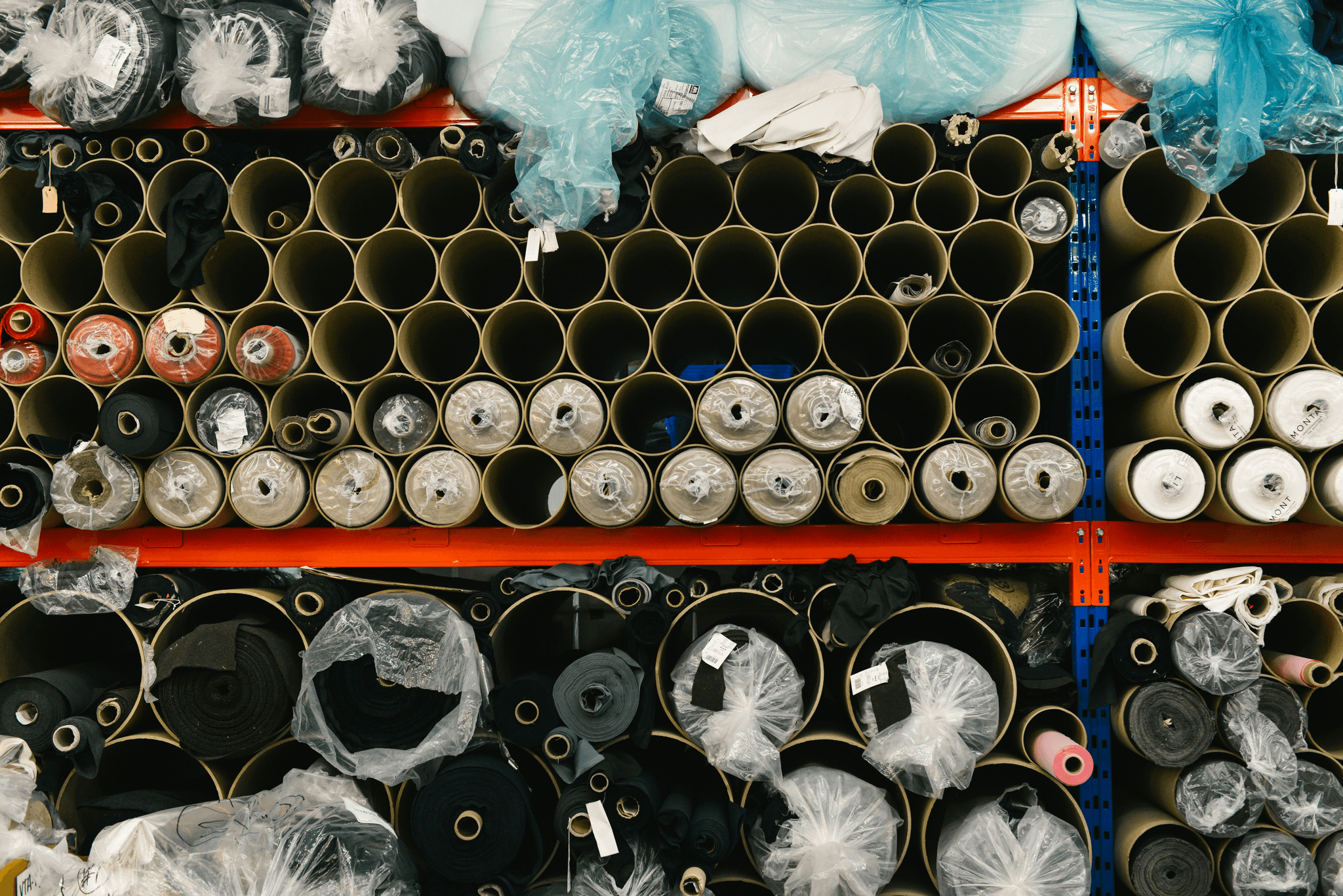
The 4 Point System serves as a cornerstone in the realm of QC on Fabric, providing a structured method for evaluating fabric quality. This system assigns point values based on defects found in fabric samples, allowing manufacturers to quantify and assess quality efficiently. By streamlining the process, it helps ensure that only fabrics meeting specific standards make it to production.
What is the 4 Point System?
At its core, the 4 Point System is a systematic approach for QC on Fabric that categorizes defects into four distinct point values: one point for minor defects, two points for moderate defects, three points for major defects, and four points for critical defects. This method allows fabric inspectors to assign an overall score based on the average points of all rolls sampled during inspection. By quantifying fabric quality through this scoring system, stakeholders can make informed decisions about which rolls pass or fail quality control.
Historical Context and Evolution
The origins of the 4 Point System can be traced back to the textile industry’s need for consistency and reliability in fabric production. Over time, as global trade expanded and consumer expectations grew, this method evolved into a standardized practice adopted by many manufacturers worldwide. Today, it remains a vital tool in QC on Fabric because it not only enhances efficiency but also fosters transparency across supply chains.
Key Benefits for Fabric Quality Control
Implementing the 4 Point System offers several key benefits that elevate QC on Fabric practices significantly. For starters, it provides an objective framework to measure fabric quality against predefined criteria—this means fewer subjective judgments and more data-driven decisions about which fabrics are acceptable based on their average points of all rolls sampled. Additionally, by identifying patterns in defect types and their proportions above limit thresholds, manufacturers can develop targeted strategies to reduce waste and enhance overall product quality.
Setting Up Your QC on Fabric Process

Establishing a robust QC on Fabric process is essential for maintaining high-quality standards throughout production. By focusing on defining quality benchmarks, training staff, and integrating modern technology, manufacturers can significantly improve their quality control methods. This section will guide you through these critical steps to ensure your fabric meets the desired specifications.
Defining Quality Standards for Fabric
To kick off your method for QC on Fabric, it's crucial to define clear and measurable quality standards that align with industry expectations and customer demands. These standards should encompass various aspects such as color consistency, fabric weight, texture, and overall appearance. By establishing precise criteria for acceptable quality levels—like the average points of all rolls sampled—you create a framework that guides both production and inspection processes.
Quality standards should also consider the proportion of rolls above limit concerning defects or inconsistencies in the fabric. For instance, if a specific type of fabric typically has a 2% defect rate, this figure should be noted in your guidelines as an acceptable threshold. Regularly reviewing and updating these standards ensures they remain relevant as industry trends evolve.
Training Your Team on Quality Assessment
Once you've defined your quality standards for fabric, it’s time to train your team effectively in quality assessment techniques. The success of any QC on Fabric initiative relies heavily on how well employees understand and apply these standards during inspections. Conducting workshops that cover practical assessment methods—including visual inspections and using measuring tools—will empower your team to identify potential issues early in the process.
Incorporating real-world scenarios into training sessions can enhance understanding by demonstrating how to calculate average points of all rolls sampled accurately. This hands-on approach allows team members to practice their skills while fostering a culture of quality awareness within the organization. Additionally, ongoing training sessions can help keep everyone updated about changes in technology or methodologies related to fabric inspection.
Integrating Technology in Quality Control
In today’s fast-paced manufacturing environment, integrating technology into your QC on Fabric process is no longer optional; it’s essential for staying competitive. Utilizing software solutions that track defects and analyze data can streamline inspections while providing accurate insights into the proportion of rolls above limit regarding acceptable flaws in fabrics produced. Automated systems can also reduce human error during assessments by standardizing measurement techniques across different teams.
Moreover, advanced technologies such as AI-powered image recognition tools can facilitate faster identification of defects than manual methods ever could achieve alone. These innovations not only enhance efficiency but also improve accuracy when calculating average points from all rolls sampled across various batches of fabric produced over time. Embracing technology not only modernizes your approach but also sets you up for long-term success by ensuring consistent adherence to established quality benchmarks.
Measuring Average Points of All Rolls Sampled

In the realm of QC on Fabric, measuring the average points of all rolls sampled is crucial for maintaining high-quality standards. This process not only helps identify problematic fabrics but also provides a clear picture of overall quality across different batches. By understanding how to calculate these average points effectively, manufacturers can make informed decisions that enhance their fabric quality control.
How to Calculate Average Points
Calculating the average points of all rolls sampled requires a systematic approach that begins with assessing each roll's quality based on the 4 Point System. Each defect observed is assigned a point value, and once all defects across sampled rolls are documented, you sum these values. Finally, dividing this total by the number of rolls sampled gives you the average points—an essential metric for evaluating your method for QC on Fabric.
For example, if you have five rolls with defect scores of 2, 3, 1, 4, and 0 respectively, you'd sum these scores (2+3+1+4+0=10) and divide by five to find an average score of 2 points per roll. This calculation not only simplifies quality assessment but also allows teams to track improvements over time as they implement strategies aimed at reducing defects.
Importance of Statistical Sampling
Statistical sampling plays a pivotal role in ensuring that your measurements reflect true fabric quality without needing to inspect every single roll produced. By selecting samples randomly or systematically from production lots, you can achieve results that are representative while saving time and resources in your QC on Fabric processes. This approach minimizes bias and enhances the reliability of your findings regarding the proportion of rolls above limit.
Moreover, statistical sampling allows for more accurate predictions about larger batches based on smaller sample sizes—essentially giving you a crystal ball into your production's overall health without overwhelming your team with excess inspections. The insights gained from effective statistical sampling can guide corrective actions when non-conformance reports indicate issues within specific fabric lots.
Real-World Examples of Effective Measurement
Many companies have successfully implemented methods for QC on Fabric by focusing on measuring average points effectively through statistical sampling techniques. For instance, a textile manufacturer faced challenges with inconsistent fabric quality; after adopting a rigorous sampling strategy paired with detailed point calculations, they discovered that their average defect rate dropped significantly over six months.
Another case involved an apparel brand that utilized real-time data analytics tools to monitor their fabric quality continuously; they calculated average points weekly and adjusted their production processes accordingly when they noted an increase in defects beyond acceptable limits. These real-world examples illustrate how leveraging systematic measurement not only improves product consistency but also empowers brands to maintain high customer satisfaction levels while minimizing waste.
Understanding the Proportion of Rolls Above Limit
In the realm of fabric quality control, knowing the proportion of rolls above limit is crucial for maintaining high standards. This metric helps manufacturers identify how many fabric rolls fall outside acceptable quality thresholds, allowing for targeted interventions. Understanding this proportion not only improves QC on Fabric but also ensures customer satisfaction and reduces waste.
Defining Acceptable Limits for Fabric
Acceptable limits for fabric are essentially the benchmarks that determine whether a roll meets quality standards or not. These limits can vary depending on factors such as fabric type, intended use, and industry requirements, making it essential to establish clear guidelines. By defining these parameters early in the QC on Fabric process, teams can more accurately assess the average points of all rolls sampled and make informed decisions about production.
The establishment of acceptable limits should involve collaboration among stakeholders—including designers, manufacturers, and quality inspectors—to ensure that everyone is aligned on what constitutes acceptable fabric quality. Additionally, these limits should be revisited regularly to adapt to changing market demands or technological advancements in fabric production. Ultimately, well-defined acceptable limits serve as a foundation for effective QC on Fabric.
Analyzing Non-Conformance Reports
Non-conformance reports (NCRs) are invaluable tools for understanding why certain rolls exceed established limits during QC on Fabric assessments. By thoroughly analyzing NCRs, teams can pinpoint recurring issues—such as defects related to dyeing or weaving—that contribute to a higher proportion of rolls above limit. This analysis not only helps in identifying trends but also enables proactive measures to tackle underlying problems before they escalate.
A systematic approach to reviewing NCRs involves categorizing defects by type and frequency alongside their impact on overall quality metrics like average points of all rolls sampled. Such insights empower teams to implement corrective actions tailored specifically to address identified weaknesses in the production process. Thus, analyzing non-conformance reports becomes an integral part of refining your method for QC on Fabric.
Strategies for Reducing Defective Rolls
Reducing defective rolls is an ongoing challenge that requires a multi-faceted strategy within any method for QC on Fabric. One effective approach is implementing preventive measures based on insights gained from NCR analysis—essentially addressing root causes instead of merely treating symptoms. For example, if certain dyes consistently lead to defects, it may be worthwhile to explore alternative suppliers or formulations that provide better consistency.
Another strategy involves enhancing training programs focused on quality assessment techniques so that team members can more accurately gauge potential issues before they result in defective rolls hitting the production line. Additionally, integrating technology—like automated inspection systems—can significantly improve accuracy and efficiency in detecting flaws during initial stages rather than at final inspections when issues may become costlier to rectify.
By embracing these strategies and fostering a culture focused on continuous improvement within your QC on Fabric processes, you’ll not only reduce the proportion of rolls above limit but also elevate your overall product quality over time.
Leveraging Insights from Quality Inspection Services
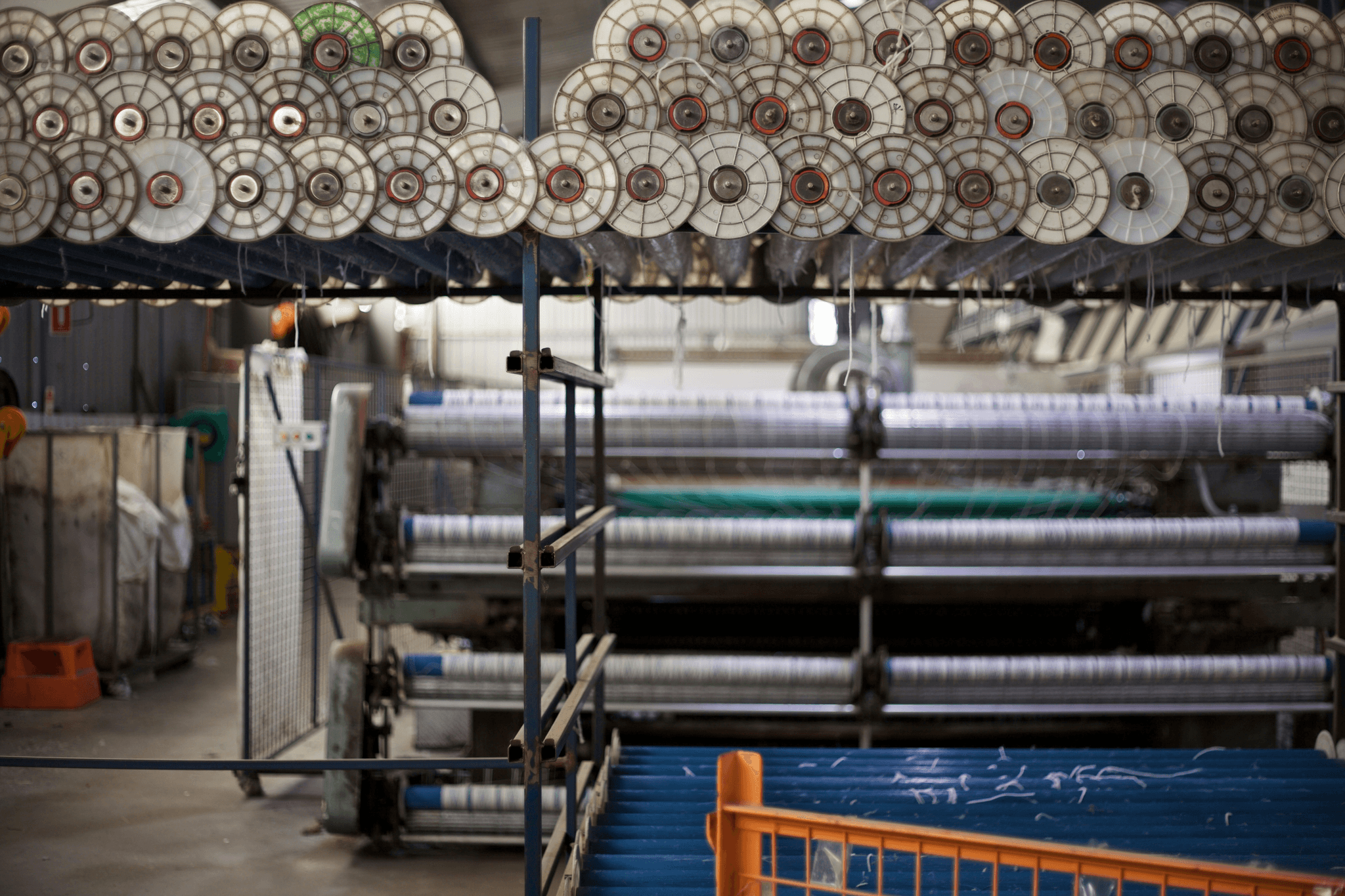
In the ever-evolving landscape of textile production, leveraging insights from quality inspection services is a game-changer for enhancing QC on fabric. These services provide critical evaluations that help manufacturers meet stringent quality standards and reduce defects. By integrating professional inspection into the fabric production process, companies can significantly improve their overall product quality.
How China Inspection Pro Enhances QC on Fabric
China Inspection Pro stands out as a leader in providing comprehensive QC on fabric solutions tailored to the unique challenges of the textile industry. Their method for QC on fabric involves rigorous inspections at various stages of production, ensuring that every roll meets predefined quality criteria. Utilizing advanced technology and experienced inspectors, they help businesses accurately assess average points of all rolls sampled and identify areas needing improvement.
By employing statistical sampling techniques, China Inspection Pro enables clients to determine the proportion of rolls above limit effectively. This data-driven approach not only highlights problematic areas but also fosters a culture of continuous improvement within manufacturing facilities. As a result, clients often see a marked decrease in defective rolls and an increase in customer satisfaction.
Case Studies Highlighting Success Stories
Real-world applications demonstrate how effective quality inspection services can transform fabric production processes. One notable case involved a large textile manufacturer struggling with high defect rates due to inconsistent quality checks across their supply chain. By partnering with China Inspection Pro, they implemented a robust method for QC on fabric that included regular inspections and detailed reporting.
Within months, this company was able to lower its proportion of rolls above limit by over 30%, leading to significant cost savings and improved market competitiveness. Another example includes an emerging fashion brand that utilized insights from China Inspection Pro to refine their sourcing strategy; they saw their average points of all rolls sampled drop dramatically after implementing recommended changes in supplier selection criteria.
These success stories illustrate not just the effectiveness but also the necessity of leveraging professional inspection services in achieving superior fabric quality control.
Actionable Recommendations for Ongoing Improvement
To maintain high standards in QC on fabric, companies should consider several actionable recommendations derived from industry best practices and insights gained through partnerships with inspection services like China Inspection Pro. First, it’s essential to establish clear communication channels between manufacturers and inspectors to ensure everyone is aligned on quality expectations and standards.
Regular training sessions focused on assessing average points of all rolls sampled can empower teams with knowledge about identifying defects early in the process. Additionally, adopting technology solutions such as automated tracking systems can enhance visibility into production workflows while enabling real-time analysis of the proportion of rolls above limit.
Lastly, fostering an organizational culture committed to continuous improvement will ensure that any strategies implemented today are built upon tomorrow—ultimately leading to sustained excellence in fabric quality control.
Conclusion

In wrapping up our discussion on QC on Fabric, it's clear that the 4 Point System serves as a robust method for QC on Fabric that addresses key challenges in maintaining fabric quality. This system not only provides a structured approach to assessing fabric but also emphasizes the importance of quantifiable metrics like average points of all rolls sampled and the proportion of rolls above limit. By implementing this method, businesses can significantly enhance their quality assurance processes and ensure that they deliver superior products.
Recap of the 4 Point QC Method
The 4 Point System is a systematic approach to quality control that assigns points based on the severity of defects found in fabric samples. Each roll is evaluated, and points are tallied to determine its overall quality score, making it easier to identify which fabrics meet acceptable standards and which do not. This method for QC on Fabric is particularly effective because it simplifies complex assessments into manageable data, allowing for quick decision-making regarding fabric acceptance or rejection.
Importance of Continuous Monitoring
Continuous monitoring in QC on Fabric is essential for maintaining high standards over time. Regular assessments help identify trends in defect occurrences, allowing teams to address issues proactively rather than reactively. By focusing on the average points of all rolls sampled over time, companies can better understand their quality landscape, ensuring they consistently meet customer expectations while minimizing waste.
Steps to Elevate Your Fabric Quality Standards
To elevate your fabric quality standards effectively, start by establishing clear quality benchmarks that align with your business goals. Invest in training your team on both the technical aspects and practical applications of the 4 Point System so they can accurately assess fabrics against these benchmarks. Finally, leverage technology—like automated inspection tools—to gain deeper insights into metrics such as the proportion of rolls above limit; this will streamline your QC processes and enhance overall efficiency.