
Introduction
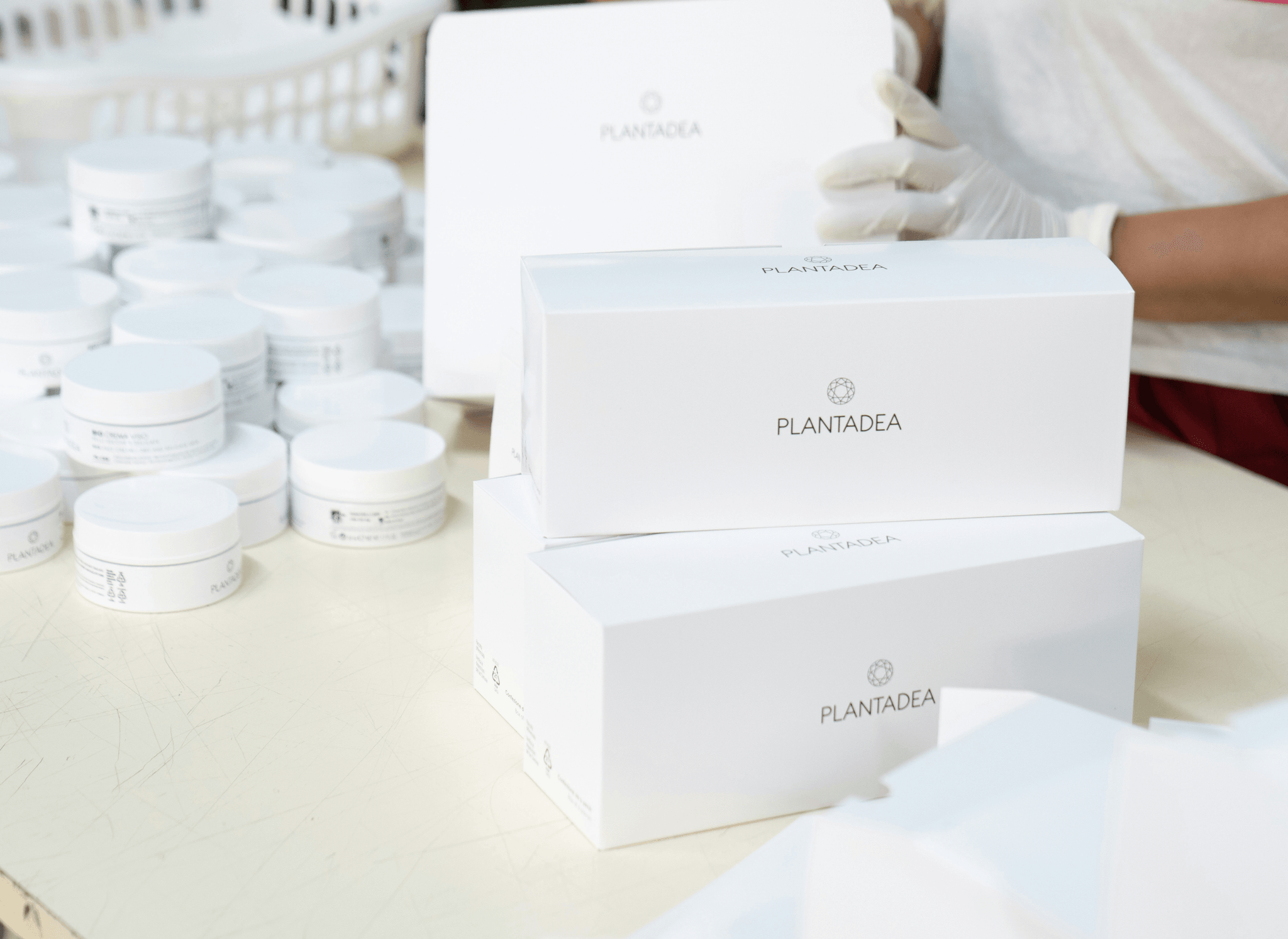
In the competitive world of retail, **Product Packaging** is often the unsung hero that can make or break a sale. It serves not only as a protective barrier for the product inside but also as a powerful marketing tool that communicates brand identity and values. The right packaging can captivate consumers, evoke emotions, and ultimately influence purchasing decisions, making it an essential element in any successful business strategy.
The Importance of Product Packaging
The importance of **Product Packaging** extends beyond mere aesthetics; it plays a critical role in establishing brand recognition and consumer trust. An eye-catching design can draw attention on crowded shelves, while functional packaging ensures that products arrive safely to customers' hands. In today’s marketplace, where first impressions are everything, investing in quality packaging is vital for standing out among competitors.
How Packaging Affects Consumer Behavior
**The Product's Packaging Appearance** can significantly shape consumer perceptions and behavior. Research shows that consumers often make snap judgments based on visual elements like color and design before even trying the product itself. This means that brands must carefully consider how their packaging appears to evoke positive feelings and encourage purchases—turning casual browsers into loyal customers.
Trends in Sustainable Packaging
With increasing awareness about environmental issues, trends in **Sustainable Packaging** are rapidly gaining traction among consumers and brands alike. Eco-friendly materials and innovative designs not only reduce waste but also resonate with environmentally conscious shoppers who prioritize sustainability in their purchasing decisions. As businesses adopt greener practices, they not only enhance their brand image but also position themselves favorably in a market that's increasingly leaning towards sustainability.
The Product's Packaging Appearance
When it comes to product packaging, the appearance is often the first thing that catches a consumer's eye. A well-designed package can create an immediate connection with potential buyers, making it crucial for brands to invest in aesthetics. After all, in a world brimming with options, standing out visually can be the difference between a sale and a missed opportunity.
First Impressions Matter
First impressions are everything in the realm of product packaging. Consumers typically form an opinion about a product within seconds of seeing its packaging; this snap judgment can significantly influence their purchasing decision. If your product's packaging appearance is lacking or unappealing, it might not even get a second glance from potential customers.
Branding Through Visual Design
The visual design of your product packaging serves as an extension of your brand identity. Elements like logos, typography, and imagery work together to tell your brand story and convey its values. Effective branding through visual design not only helps consumers recognize your products but also fosters loyalty as they begin to associate positive experiences with your brand.
Color Psychology in Packaging
Color psychology plays a pivotal role in how consumers perceive products and their packaging. Different colors evoke various emotions and associations; for instance, blue often conveys trust while red can stimulate excitement or urgency. By thoughtfully choosing colors for your product’s packaging appearance, you can influence consumer behavior and enhance their overall experience with your brand.
The Product's Packaging Durability

When it comes to product packaging, durability is often an unsung hero, quietly working behind the scenes to keep your goods safe and sound. It’s not just about looking good on the shelf; robust packaging ensures that products arrive in perfect condition, ready for eager consumers. In a world where first impressions matter, the durability of packaging can make or break a sale.
Protecting Your Product: More Than Looks
The product's packaging durability plays a crucial role beyond mere aesthetics; it acts as a shield against various environmental factors that could compromise the integrity of the product inside. Whether it's fragile electronics or gourmet food items, effective packaging must withstand impacts, temperature fluctuations, and even moisture. This protective aspect is essential for maintaining quality and ensuring customer satisfaction—after all, no one wants to unwrap a damaged item.
Consumer Expectations on Durability
Consumers today have heightened expectations regarding the durability of product packaging; they want assurance that their purchases will arrive intact and ready for use. A flimsy package can lead to disappointment and tarnish brand reputation in an instant—no one enjoys receiving a broken item due to subpar packaging materials. Brands that prioritize high-quality, durable packaging often find themselves reaping rewards in customer loyalty and repeat business.
Case Studies: Brands That Got It Right
Several brands have mastered the art of durable product packaging with impressive results. For example, Apple is renowned for its sleek yet sturdy boxes that not only protect their electronic devices but also enhance the unboxing experience—a key factor in consumer satisfaction. Another notable mention is Coca-Cola's iconic glass bottles; designed to withstand various conditions while maintaining their classic look, they exemplify how durable materials can elevate both functionality and brand identity.
Packaging Material Choices
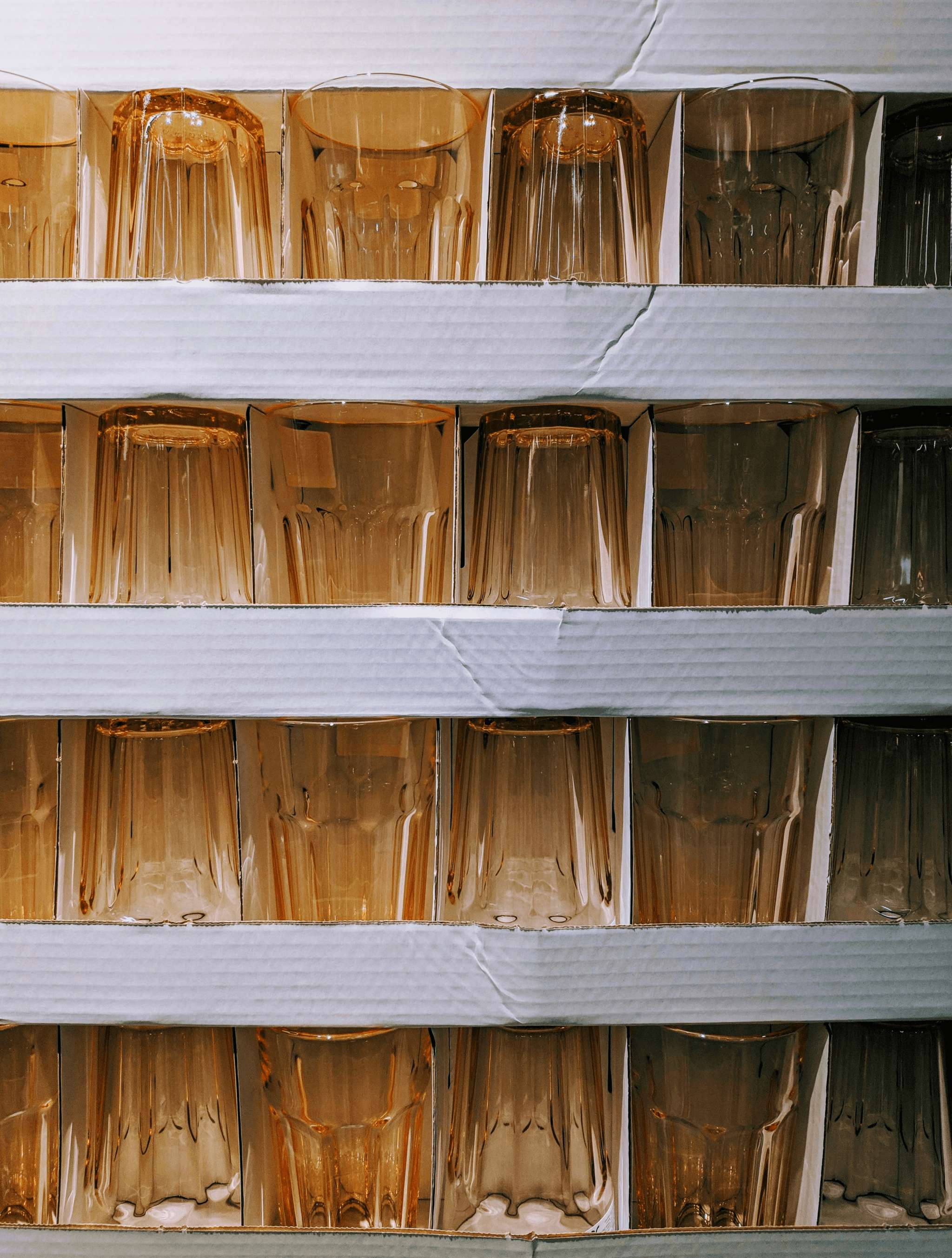
When it comes to Product Packaging, the choice of material can significantly influence consumer perception and overall experience. The right packaging material not only protects the product but also conveys brand values and messages. As consumers become increasingly savvy, understanding the nuances of packaging materials is crucial for brands looking to stand out in a crowded market.
The Impact of Material on Perception
The Product's Packaging Appearance is often dictated by the materials used, which can evoke various emotions and associations in consumers. For instance, luxurious items packaged in glass or metal tend to be perceived as high-end, while cardboard or plastic may suggest affordability or convenience. This perception directly influences buying decisions; a well-chosen packaging material can elevate a product’s status and appeal.
Moreover, consumers often form quick judgments based on packaging materials during their shopping journey. A premium feel can attract attention on crowded shelves, while flimsy materials might lead to doubts about product quality and durability. Thus, brands must carefully consider how their choice of Packaging Material reflects their identity and resonates with target audiences.
Eco-Friendly Materials Making Waves
In recent years, sustainable packaging has taken center stage as consumers increasingly prioritize eco-friendliness in their purchasing decisions. Brands are now exploring innovative eco-friendly materials that not only reduce environmental impact but also enhance the Product's Packaging Durability through improved performance attributes like strength and resilience. From biodegradable plastics to recycled paper products, these sustainable options are making waves across various industries.
The rise of eco-friendly materials has also led brands to rethink their entire approach to Product Packaging design. Consumers appreciate transparency about sourcing and sustainability practices; hence companies that embrace green initiatives often enjoy stronger loyalty from environmentally conscious shoppers. This shift towards sustainable choices helps create a positive brand image while appealing to a growing demographic that values corporate responsibility.
Comparing Traditional vs. Modern Packaging
When comparing traditional versus modern packaging methods, it's clear that innovation plays a pivotal role in shaping consumer experiences with Product Packaging today. Traditional packaging often relied heavily on standard plastics or glass without much thought toward sustainability or aesthetic appeal; however, modern advancements have introduced an array of options that prioritize both function and style.
Modern Packaging Materials such as compostable films or even edible wrappers are redefining what consumers expect from product presentation while addressing environmental concerns associated with traditional options. Additionally, advancements in technology allow for more creative designs that catch the eye without compromising durability—essentially marrying form with function seamlessly within the realm of sustainable packaging solutions.
As we navigate this exciting evolution in packaging choices, it’s important for brands to stay ahead by understanding consumer preferences regarding both traditional and modern approaches—ensuring they strike the right balance between aesthetics and practicality while championing sustainability at every turn.
Sustainable Packaging Trends

In recent years, the conversation around sustainable packaging has gained significant traction, largely driven by evolving consumer preferences. Today’s consumers are more eco-conscious than ever, often prioritizing brands that reflect their values through sustainable practices. This shift not only influences purchasing decisions but also compels companies to rethink their approach to product packaging, ensuring it aligns with a greener future.
Why Go Green? Consumer Preferences
The demand for sustainable packaging is rooted in a broader cultural shift towards environmental responsibility. Consumers are increasingly aware of the impact of plastic waste and are actively seeking out brands that utilize eco-friendly materials in their product packaging. This change is not just a fleeting trend; studies show that a significant portion of shoppers are willing to pay more for products packaged sustainably, underscoring the importance of aligning the product's packaging appearance with consumer values.
As brands respond to this demand, they often find that adopting sustainable practices can enhance their image and foster loyalty among environmentally conscious customers. The product's packaging durability also plays a role here; consumers expect not only attractive designs but also robust solutions that minimize waste without compromising quality. In this way, going green becomes an integral part of brand identity rather than merely an afterthought.
Innovative Sustainable Packaging Solutions
Innovation in sustainable packaging is flourishing as companies explore new materials and designs that reduce environmental impact while maintaining functionality. From biodegradable films to reusable containers, the landscape of product packaging is evolving rapidly to meet consumer demands for sustainability without sacrificing durability or aesthetic appeal. Many brands are now experimenting with creative solutions like edible packaging or compostable materials, showcasing how innovative thinking can lead to exciting new offerings.
Furthermore, advancements in technology have enabled manufacturers to create lighter yet stronger materials that decrease shipping costs and carbon footprints while enhancing the product's packaging appearance. These innovations not only cater to consumer preferences but also demonstrate a commitment to environmental stewardship—an attractive quality for today's discerning shoppers. As these solutions gain traction, they pave the way for more environmentally responsible practices across various industries.
The Market Edge of Sustainable Practices
Embracing sustainable practices gives businesses a competitive edge in today’s market landscape where eco-friendliness is becoming synonymous with quality and trustworthiness. Brands that prioritize sustainable product packaging can differentiate themselves from competitors who may still rely on traditional methods that overlook environmental concerns. By highlighting their commitment through effective branding strategies and transparent messaging about their use of eco-friendly materials, companies can attract a loyal customer base eager to support responsible businesses.
Moreover, as regulatory pressures increase worldwide regarding waste management and sustainability standards, companies investing in green initiatives will be better positioned for compliance and future growth opportunities. The durability of sustainable materials ensures products remain protected during transit while minimizing waste—a win-win scenario for both businesses and consumers alike! Ultimately, those who embrace innovative approaches in their product's packaging will likely see improved sales performance as they tap into this growing market segment focused on sustainability.
Quality Control in Packaging
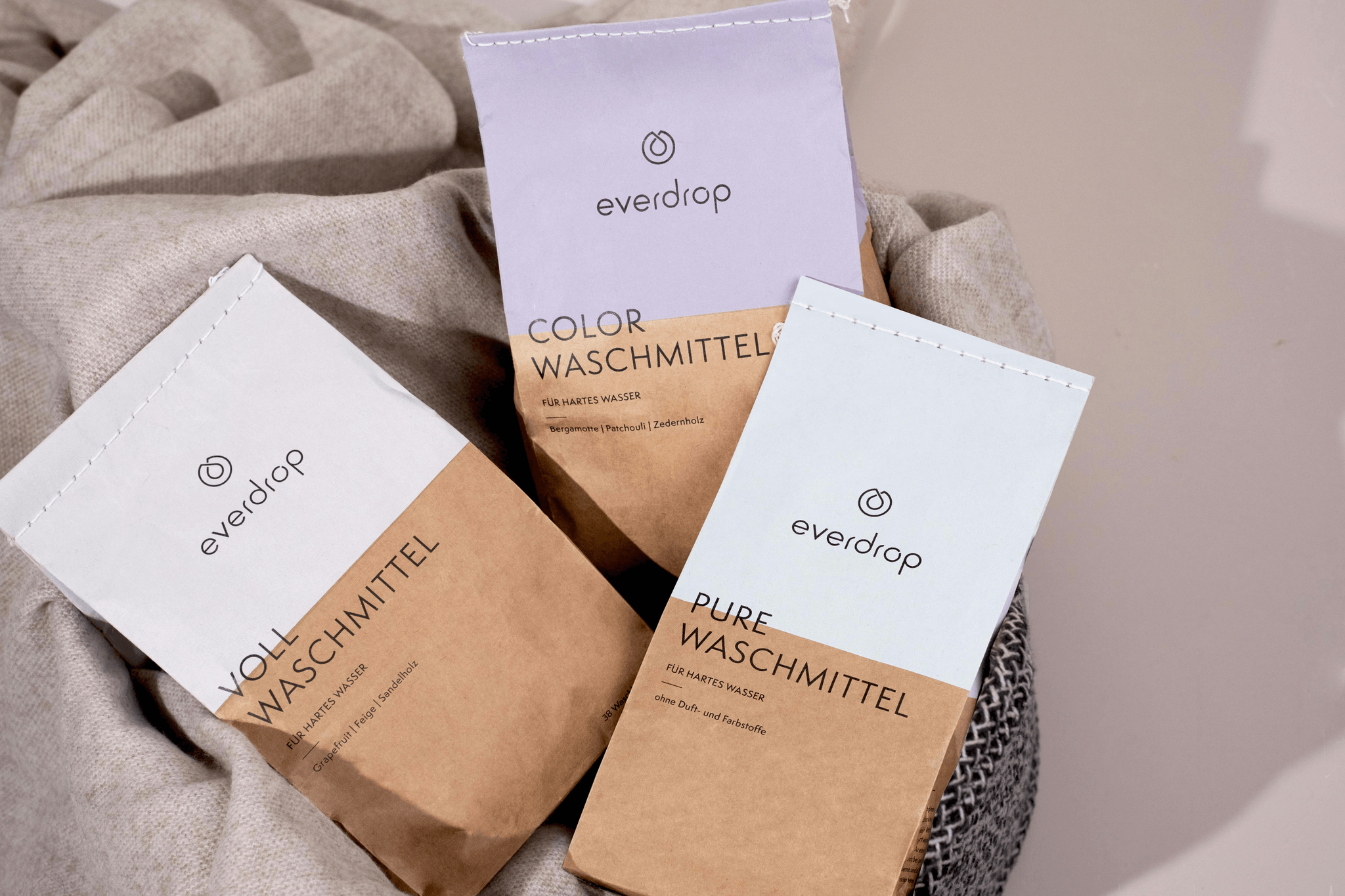
Quality control is the backbone of effective product packaging, ensuring that every item meets consumer expectations and stands out on the shelf. With the rise of e-commerce and global shipping, maintaining high standards in packaging has become even more critical. This is where services like China Inspection Pro come into play, offering a safety net for brands seeking to deliver excellence.
Ensuring Product Excellence with China Inspection Pro
China Inspection Pro specializes in rigorous quality checks to guarantee that your product packaging meets established standards before it hits the market. Their comprehensive inspections cover everything from The Product's Packaging Appearance to The Product's Packaging Durability, ensuring that your items not only look great but also withstand the rigors of transportation. By partnering with such inspection services, brands can minimize defects and enhance customer satisfaction.
The Role of Quality Standards in Packaging
Quality standards are essential for maintaining consistency across all aspects of product packaging—from materials used to design elements and durability tests. These standards help ensure that consumers receive products packaged reliably and safely, which directly influences their perception of brand quality. By adhering to these benchmarks, companies can build trust with consumers who increasingly value both aesthetics and functionality in their product packaging.
Turning Inspection Findings into Improved Sales
Inspection findings provide valuable insights that can be leveraged to enhance sales strategies effectively. When businesses address issues identified during quality checks—whether related to The Product's Packaging Appearance or its durability—they can create a more compelling offering that resonates with customers' desires for both beauty and reliability. Ultimately, investing in quality control not only boosts brand reputation but also translates into increased sales as satisfied customers share their positive experiences.
Conclusion
In the competitive landscape of consumer goods, effective product packaging is no longer just an afterthought; it’s a vital component of marketing strategy. The Product's Packaging Appearance can make or break a sale, as consumers often make snap judgments based on visual appeal. By investing in thoughtful design and quality materials, brands can elevate their sales and create lasting impressions.
Elevating Sales through Effective Packaging
Effective packaging serves as the first point of contact between a product and potential buyers, making it crucial for driving sales. The Product's Packaging Durability also plays a significant role; if consumers feel that a product is well-protected and sturdy, they are more likely to trust its quality. Ultimately, combining eye-catching design with robust construction not only enhances customer satisfaction but also boosts brand loyalty in the long run.
The Role of Quality in Packaging Success
Quality control in packaging is essential for maintaining brand reputation and ensuring customer satisfaction. When companies prioritize the durability and appearance of their products, they signal to consumers that they care about their experience from start to finish. High-quality packaging can lead to repeat purchases and positive word-of-mouth referrals, proving that investing in both The Product's Packaging Appearance and durability pays off.
Embracing Sustainable Practices for Future Growth
Sustainable packaging is not just a trend; it's becoming an expectation among modern consumers who are increasingly eco-conscious. By choosing eco-friendly materials for their products, brands can resonate with values that matter to today's shoppers while still delivering on the fundamentals of effective product packaging. As we look ahead, embracing sustainable practices will not only help businesses stand out but will also contribute positively to our planet’s future.