
Introduction
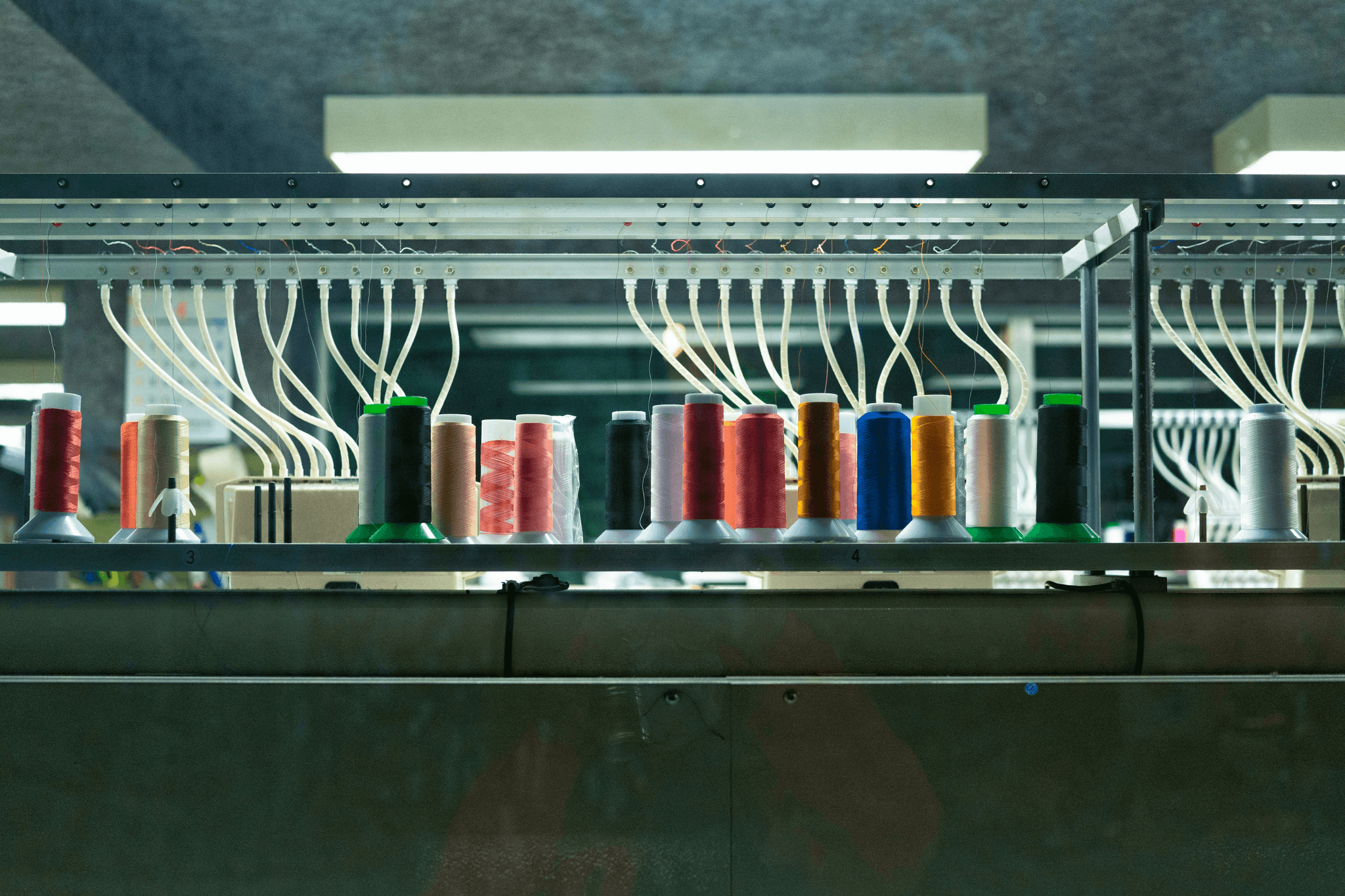
Sewing stitches are the unsung heroes of the textile world, weaving together not just fabric but also quality, durability, and style. Understanding the properties of sewing stitches in manufacturing is crucial for anyone involved in garment production or fabric crafting. From chain stitch to overlock stitch, each technique offers unique benefits that can elevate a product’s overall quality.
Understanding the Importance of Sewing Stitches
The importance of sewing stitches cannot be overstated; they are fundamental to creating strong and lasting seams in any textile project. Whether it’s a simple hem or a complex garment assembly, choosing the right type of stitch is essential for achieving desired results. The various types of stitches—like lockstitch and multithread chain stitch—each have their own set of properties that can significantly affect both functionality and aesthetics.
Benefits of Different Sewing Techniques
Different sewing techniques provide distinct advantages depending on the application at hand, making it vital to know when to use each type. For instance, chain stitch is favored for its speed and flexibility in production environments, while overlock stitch excels at preventing fraying on fabric edges. By leveraging these techniques effectively, manufacturers can streamline processes and enhance product quality simultaneously.
How Sewing Stitches Impact Quality
The choice of sewing stitches directly impacts the final product's quality; poor stitching can lead to unraveling seams and diminished durability. High-quality stitching techniques not only improve appearance but also contribute significantly to longevity—a key factor consumers consider when purchasing garments. Moreover, incorporating rigorous product inspection processes ensures that every seam meets industry standards, ultimately leading to customer satisfaction.
Chain Stitch

Chain stitches are a fascinating element in the world of sewing stitches, offering unique benefits that cater to various manufacturing needs. This stitch is formed by interlocking loops, which creates a strong yet flexible seam. The properties of sewing stitches like the chain stitch allow for easy unraveling, making it a favorite among manufacturers looking for efficiency and adaptability.
Characteristics of Chain Stitch
The chain stitch is characterized by its distinctive looped structure, which provides both strength and elasticity. Unlike other sewing stitches, such as the lockstitch or overlock stitch, the chain stitch can be easily adjusted or removed without damaging the fabric. This characteristic is particularly useful in production settings where quick alterations are often necessary.
Moreover, chain stitches can be created using a single thread or multiple threads, enhancing their versatility across different applications. This flexibility makes them ideal for various fabric types and thicknesses, which is crucial when considering the properties of sewing stitches in manufacturing. Overall, the characteristics of chain stitch make it a valuable tool in any garment maker's arsenal.
Applications in Manufacturing
Chain stitches find their place in numerous manufacturing applications due to their unique properties and adaptability. They are commonly used in tacking seams and hems on garments where ease of removal is essential during fitting stages. Additionally, this type of stitching is prevalent in quilting and embroidery projects where decorative elements are often added.
In industrial settings, chain stitching can also be employed on assembly lines for products requiring rapid production rates without sacrificing quality. The ability to quickly adjust or remove these stitches allows manufacturers to streamline processes effectively while ensuring high standards throughout production phases. Thus, understanding how different sewing techniques like chain stitching apply across industries enhances overall efficiency.
Advantages for Durability
One significant advantage of using chain stitch lies in its durability; it can withstand considerable tension without breaking apart easily compared to other types such as lockstitch or overlock stitch seams. This makes it particularly suitable for heavy-duty fabrics like denim or canvas used in workwear and outdoor gear manufacturing—where longevity matters most.
Furthermore, because of its unique looped construction, even if one thread breaks within a series of stitches, others remain intact to maintain seam integrity temporarily until repairs can be made—a lifesaver during critical production runs! This aspect contributes significantly to reducing product inspection time since fewer defects arise from improperly secured seams.
In summary, utilizing chain stitching not only enhances durability but also improves overall quality assurance within manufactured products—making it an indispensable choice among various sewing techniques available today!
Multithread Chain Stitch
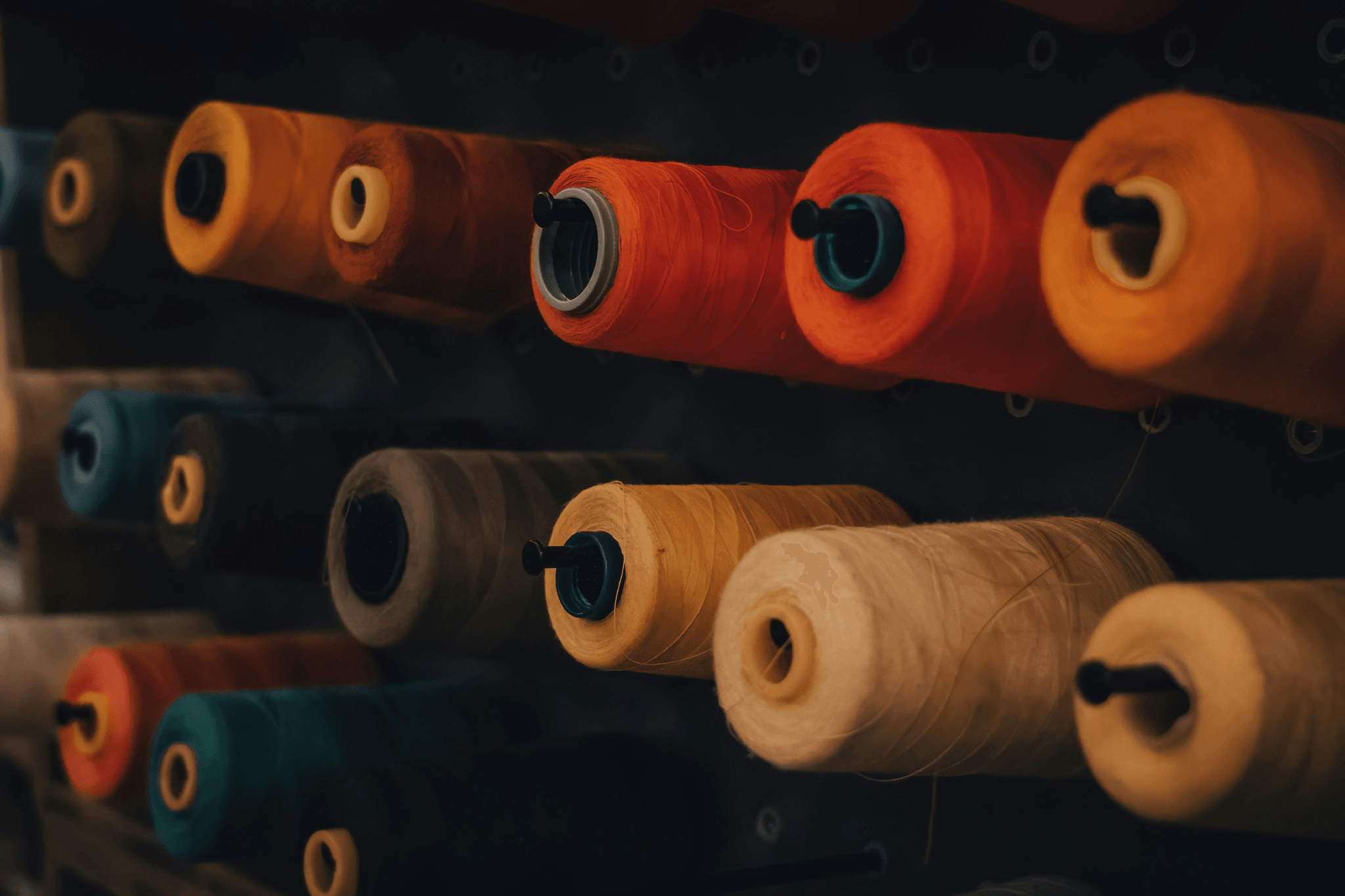
When it comes to sewing stitches, the multithread chain stitch stands out as a remarkable technique that combines efficiency with durability. This stitch utilizes multiple threads to create a secure and flexible seam, making it a favorite in various manufacturing applications. Understanding its properties can significantly enhance product quality and reliability.
Definition and Structure
The multithread chain stitch is an advanced variation of the traditional chain stitch, characterized by its use of several threads interlocking in a looped formation. Unlike standard sewing stitches, which typically employ one or two threads, this method enhances strength and resilience, allowing for greater flexibility in the finished product. The structure not only contributes to durability but also offers unique aesthetic possibilities in fabric design.
Flexibility and Strength in Use
One of the standout properties of multithread chain stitches is their exceptional flexibility combined with impressive strength, making them ideal for high-stress applications. This combination allows fabrics to stretch without breaking the seam—a crucial advantage in industries where movement is essential, such as sportswear manufacturing. Moreover, due to their robust nature, these stitches can withstand repeated washing and wear while maintaining their integrity.
Ideal Scenarios for Application
Multithread chain stitches are particularly well-suited for various scenarios within the manufacturing realm where both durability and aesthetic appeal are paramount. They shine in applications like activewear production or heavy-duty textiles that require resilient seams without sacrificing comfort or style. Additionally, when paired with proper product inspection techniques like those offered by China Inspection Pro, manufacturers can ensure that these sewing stitches meet stringent quality standards consistently.
Lockstitch
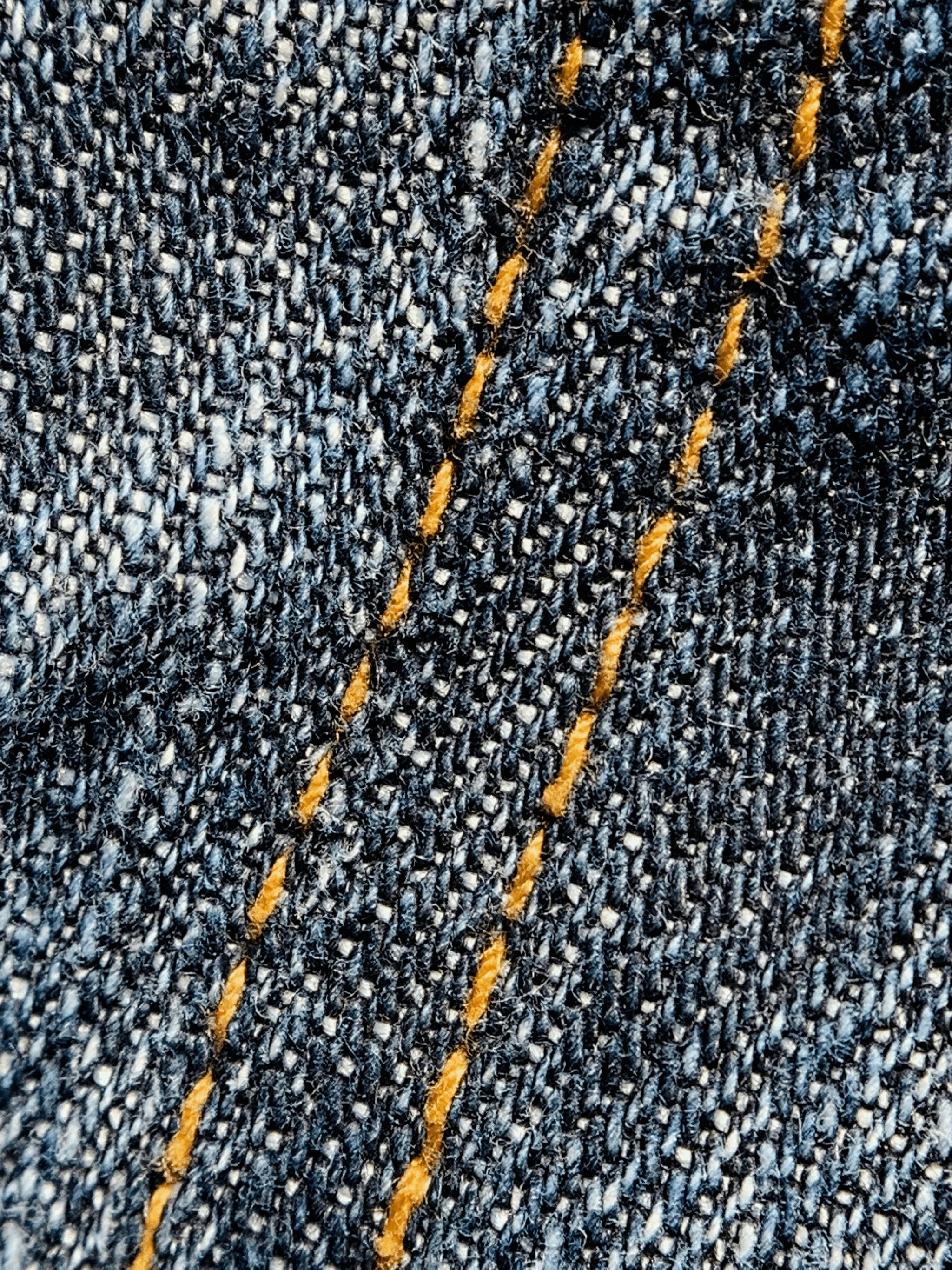
Lockstitch is one of the most widely used sewing stitches in both industrial and home sewing applications. Its unique mechanism combines two threads—one from the top and one from the bobbin—to create a secure stitch that holds fabric layers together effectively. Understanding how lockstitch works is essential for anyone involved in manufacturing or product inspection, as it directly impacts the durability and quality of finished products.
How Lockstitch Works
The lockstitch formation begins with the needle piercing through the fabric, carrying the upper thread down to meet a lower thread loop created by a bobbin. This interlocking of threads forms a strong bond that prevents unraveling, making it ideal for various applications in sewing. The properties of sewing stitches like lockstitch ensure that seams remain intact under stress, which is crucial during product manufacturing.
Reliability in Product Manufacturing
When it comes to reliability, lockstitch stands out among other sewing stitches such as chain stitch and overlock stitch due to its consistent performance across different materials. This reliability reduces the chances of defects during production, thus enhancing overall product quality—a key focus in any manufacturing process. Moreover, manufacturers often rely on rigorous product inspection methods to ensure that every lockstitched seam meets their stringent quality standards.
Popular Uses in Clothing Industry
Lockstitch is particularly beloved in the clothing industry for its versatility and strength; it's commonly used for constructing garments ranging from casual wear to formal attire. The neat finish provided by this type of stitch makes it perfect for areas requiring precision, such as hems and seams on tailored clothing. As manufacturers continue to explore various sewing techniques—including chain stitch and multithread chain stitch—lockstitch remains a staple due to its proven track record.
Overlock Stitch
The overlock stitch is a sewing technique that stands out for its unique ability to create smooth, finished edges on fabric. This stitch wraps around the raw edge of the material, preventing fraying while providing a professional look. Its versatility makes it an essential component of various manufacturing processes, especially in the fashion industry.
Defining Features of Overlock Stitch
Overlock stitches are characterized by their looped threads that interlock at the edge of the fabric. This design not only secures the material but also allows for stretch, making it ideal for knit fabrics and elastic materials. Unlike other sewing stitches such as chain stitch or lockstitch, overlock stitches can sew multiple layers simultaneously, which enhances efficiency in production.
Importance in Fabric Finishing
In terms of fabric finishing, overlock stitches play a crucial role in ensuring longevity and durability. By sealing the edges of the fabric, they prevent unraveling and maintain the integrity of garments through wear and wash cycles. This property is particularly important in manufacturing where quality assurance is paramount; using overlock stitching can significantly elevate a product's lifespan.
Efficiency in Mass Production
When it comes to mass production, efficiency is key—and overlock stitching delivers just that. The speed at which these stitches can be applied allows manufacturers to produce large quantities without sacrificing quality. In combination with other sewing techniques like chain stitch or lockstitch, overlock stitching optimizes workflow and reduces production costs while maintaining high standards.
Conclusion
In the world of textile manufacturing, understanding sewing stitches is crucial for achieving high-quality products. Each stitch type—whether it's the chain stitch, multithread chain stitch, lockstitch, or overlock stitch—offers unique properties that can significantly influence the durability and functionality of garments. By mastering these techniques, manufacturers can ensure their products not only meet but exceed consumer expectations.
Practical Applications of Sewing Stitches
Sewing stitches serve a variety of practical applications in manufacturing that go beyond mere aesthetics. For example, the chain stitch is often used in lightweight fabrics to provide flexibility while maintaining strength, making it ideal for casual wear. Meanwhile, the lockstitch is favored for its reliability in seams that require a tighter hold, especially in structured clothing like jackets and trousers.
Multithread chain stitches are particularly effective in applications where stress and movement are factors; they offer both flexibility and strength without sacrificing durability. Overlock stitches come into play when finishing edges to prevent fraying while also allowing for stretch—perfect for knitwear or activewear production. Understanding these applications helps manufacturers choose the right sewing stitches tailored to their specific needs.
Enhancing Quality through Proper Techniques
The quality of a finished product heavily relies on the proper application of sewing techniques and an understanding of each stitch's properties in manufacturing. By utilizing appropriate sewing stitches like the multithread chain stitch for high-stress areas or overlock stitching for clean edges, manufacturers can significantly enhance garment longevity and performance. Moreover, investing time in training staff on these techniques ensures that every piece produced meets stringent quality standards.
Quality assurance begins with selecting suitable sewing stitches; this decision impacts everything from fabric behavior to overall garment integrity. When workers understand how different types of stitching affect fabric interaction and wearability, they can make more informed decisions during production processes. Ultimately, this leads to fewer defects and higher customer satisfaction.
Role of China Inspection Pro in Quality Assurance
In an industry where precision matters greatly, organizations like China Inspection Pro play a pivotal role in ensuring that quality standards are upheld throughout the manufacturing process. They specialize in product inspection services that assess whether sewing stitches meet required specifications before garments reach consumers’ hands. This level of scrutiny helps identify potential issues related to stitching techniques such as improper use of lockstitch or inadequate seam finishes with overlock stitching.
By collaborating with quality assurance experts like China Inspection Pro, manufacturers gain valuable insights into how well their chosen sewing techniques perform under real-world conditions. This partnership not only enhances product reliability but also builds trust with consumers who expect excellence from their purchases. In conclusion, understanding sewing stitches and implementing rigorous inspection processes are essential steps toward achieving superior quality in textile manufacturing.