
Introduction
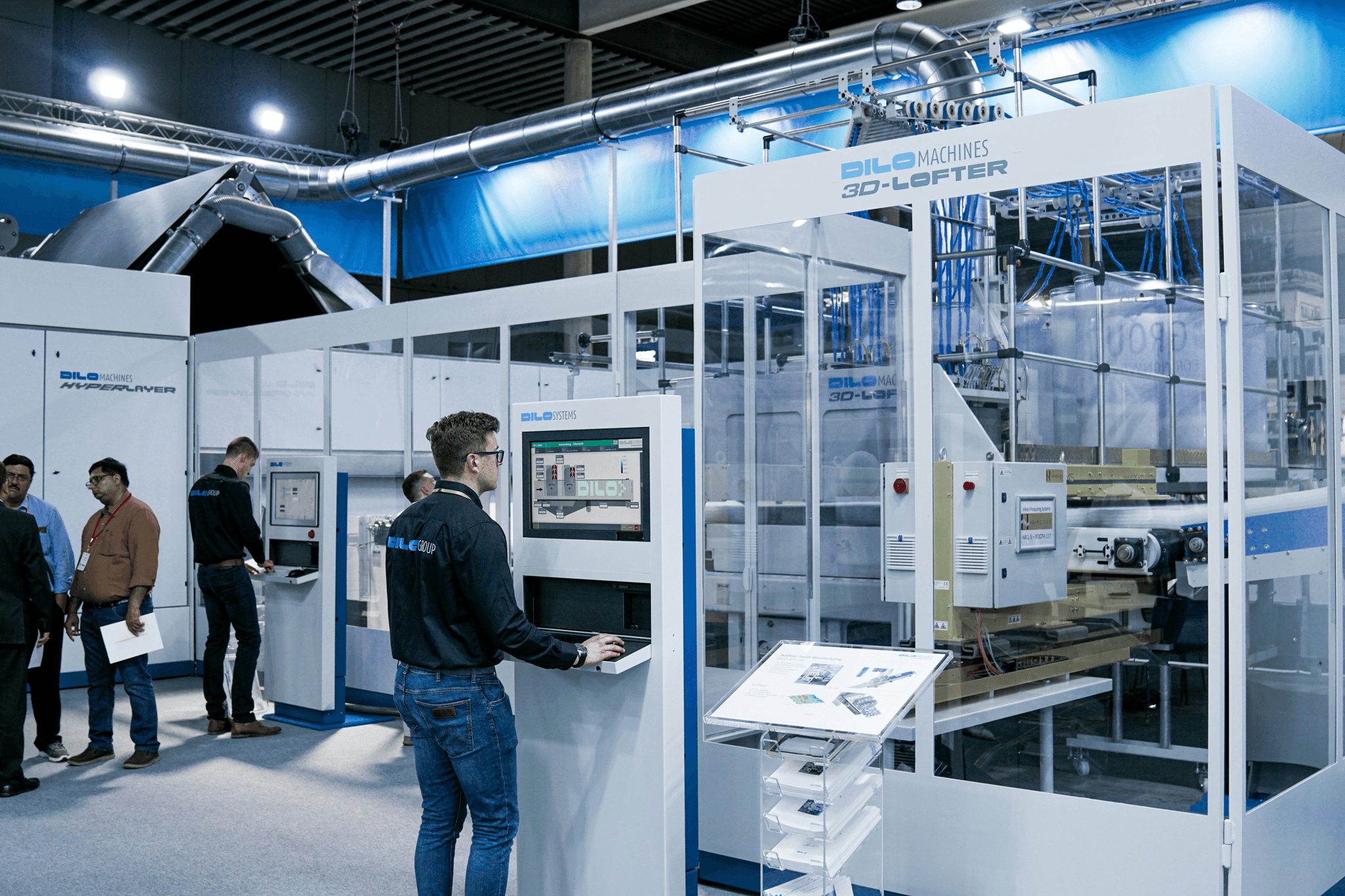
In the world of manufacturing, understanding quality defects is crucial for maintaining product integrity and customer satisfaction. Quality defects can range from minor blemishes to critical flaws that jeopardize safety, making it essential to classify them accurately. This classification not only helps in identifying the severity of defects but also guides manufacturers in implementing effective solutions.
Understanding Quality Defects in Manufacturing
Quality defects in manufacturing refer to any deviations from desired specifications that can compromise a product's performance or appearance. These defects can occur at various stages of production and may arise from factors such as poor materials, inadequate processes, or human error. By recognizing these issues early on, manufacturers can significantly reduce waste and improve overall efficiency.
Importance of Defect Classification
Defect classification plays a pivotal role in quality assurance by categorizing issues into groups such as minor defects, major defects, and critical defects. Each category has distinct implications for production processes and customer expectations; therefore, understanding this hierarchy is vital for effective problem-solving. Accurate classification enables businesses to prioritize their efforts and resources toward addressing the most impactful quality defects.
Overview of Defect Categories
The landscape of quality defects is often divided into three main categories: minor defects, major defects, and critical defects. Minor defects might be cosmetic issues that do not affect functionality; major defects could lead to significant operational problems; while critical defects pose serious safety risks or compliance failures. Recognizing these categories ensures that manufacturers address quality issues with appropriate urgency and strategies.
Minor Defects

In the realm of manufacturing, minor defects are those pesky issues that, while they may not halt production or render a product unusable, still impact the overall quality and perception of the product. These defects are often cosmetic or superficial in nature and can lead to customer dissatisfaction if not managed properly. Understanding minor defects is crucial for effective defect classification, as they can accumulate and potentially escalate into more significant problems if ignored.
Defining Minor Defects in Products
Minor defects refer to imperfections that do not significantly affect a product's functionality or safety but can detract from its aesthetic appeal or perceived quality. These might include slight scratches on a surface, uneven stitching in textiles, or minor paint blemishes on manufactured goods. While these issues may fall under the category of minor defects, their cumulative effect can influence customer satisfaction and brand reputation over time.
Examples of Common Minor Defects
There are numerous examples of common minor defects that manufacturers encounter regularly. For instance, electronics may have small scratches on screens or casing; furniture might feature uneven finishes; and clothing could exhibit loose threads or mismatched patterns. Recognizing these minor defects is essential for effective quality control processes and helps companies maintain high standards without diverting resources to address issues that don't pose major risks.
Strategies for Managing Minor Defects
To effectively manage minor defects, businesses should implement a proactive approach to quality control that includes regular inspections and employee training focused on identifying these issues early on. Establishing clear guidelines for defect classification helps teams differentiate between minor defects and more serious ones like major or critical defects. Additionally, fostering an environment where employees feel empowered to report even small imperfections can lead to continuous improvement in product quality and customer satisfaction.
Major Defects

Major defects are a significant concern in the realm of manufacturing, as they can severely compromise product integrity and safety. Unlike minor defects that may only affect aesthetics or usability, major defects pose a direct risk to functionality and can lead to catastrophic failures if not addressed promptly. Understanding what constitutes major defects is crucial for effective quality control and defect classification.
What Constitutes Major Defects?
Major defects are defined as flaws that significantly impair a product's performance or safety, rendering it unsuitable for its intended use. These defects often include critical issues such as structural weaknesses, improper assembly, or failure to meet regulatory standards. In the context of quality defects for defect classification, identifying these major flaws early on can save companies from costly recalls and reputational damage.
Impact of Major Defects on Business
The repercussions of major defects extend far beyond production lines; they can impact customer trust and brand loyalty in profound ways. When customers encounter products with major defects, it not only leads to immediate financial loss but also jeopardizes long-term relationships with consumers who expect high-quality standards. Furthermore, businesses may face legal liabilities or regulatory penalties if these critical defects result in injury or non-compliance with industry regulations.
Handling Major Defects Effectively
Addressing major defects requires a proactive approach that includes rigorous quality control measures throughout the manufacturing process. Companies should implement comprehensive inspection protocols to catch these issues before products reach consumers, utilizing advanced technologies like automated testing systems where feasible. Additionally, fostering a culture of open communication within teams encourages reporting and addressing potential problems early on—ensuring that both minor and major defects are managed effectively before they escalate into critical failures.
Critical Defects

In the realm of manufacturing, critical defects are the proverbial elephants in the room—impossible to ignore and potentially disastrous if overlooked. These defects can lead to product failures that not only affect consumer safety but also tarnish a company's reputation and bottom line. Identifying these critical defects is essential for maintaining quality control and ensuring that products meet stringent industry standards.
Identifying Critical Defects in Quality Control
Identifying critical defects requires a keen eye and a systematic approach to quality control. These defects typically compromise the safety or functionality of a product, making them far more serious than minor or even major defects. Techniques such as rigorous testing, inspection protocols, and real-time monitoring can help pinpoint these issues before they escalate into larger problems.
Moreover, employing advanced technologies like machine learning algorithms can enhance defect detection capabilities by analyzing patterns in production data. This proactive stance not only aids in identifying critical defects but also streamlines the entire defect classification process—allowing teams to categorize issues effectively as minor, major, or critical. Ultimately, an efficient identification process is key to ensuring that products meet safety regulations and customer expectations.
Consequences of Ignoring Critical Defects
Ignoring critical defects is akin to playing with fire; it may seem manageable until it ignites into a full-blown crisis. The consequences can range from costly recalls and legal liabilities to severe injuries or fatalities among consumers using defective products. Such outcomes not only damage brand reputation but also erode customer trust—a currency that takes years to build but can be lost overnight.
Additionally, overlooking these significant flaws can result in substantial financial losses due to increased warranty claims and diminished market share. Companies may find themselves facing regulatory scrutiny that could lead to penalties or stricter oversight in future operations—making it imperative for organizations to prioritize quality assurance practices that address critical defects head-on. In summary, the stakes are high when it comes to ignoring these pivotal issues within defect classification.
Best Practices for Addressing Critical Defects
To effectively tackle critical defects, companies must adopt best practices that encompass both preventative measures and responsive strategies. First off, establishing a robust quality management system (QMS) is vital for ongoing monitoring of production processes while ensuring compliance with industry standards related to defect classification—be it minor, major, or critical defects.
Regular training sessions for employees on identifying potential risks associated with production processes can also cultivate a culture of quality awareness within the organization. Furthermore, implementing feedback loops from customers allows businesses to understand real-world implications of their products better—providing invaluable insights into potential areas where critical defects might arise.
Lastly, leveraging partnerships with specialized firms like China Inspection Pro ensures an external perspective on quality assurance practices while enhancing overall operational efficiency in managing all defect categories effectively. By embracing these best practices diligently, organizations position themselves not just as manufacturers but as champions of safety and reliability in their respective markets.
Conclusion
In summary, understanding and classifying quality defects is crucial for any manufacturing process. The distinction between minor defects, major defects, and critical defects helps businesses implement appropriate strategies for managing product quality. By categorizing these defects effectively, companies can enhance their overall operational efficiency and customer satisfaction.
Recap of Quality Defects for Defect Classification
We’ve explored the nuances of quality defects for defect classification, highlighting the importance of identifying minor defects that may seem trivial but can accumulate over time. Major defects pose significant challenges that can impact production schedules and customer trust, while critical defects can jeopardize safety and compliance standards. A thorough grasp of these categories enables manufacturers to prioritize their quality control efforts effectively.
Importance of Accurate Defect Identification
Accurate defect identification is paramount in maintaining product integrity and ensuring customer satisfaction. When businesses fail to recognize the difference between minor defects, major defects, and critical defects, they risk escalating issues that could have been managed early on. With precise identification processes in place, companies can allocate resources more efficiently and minimize waste while enhancing their reputation in the market.
Role of China Inspection Pro in Quality Assurance
China Inspection Pro plays a pivotal role in quality assurance by offering comprehensive services designed to identify all types of quality defects for defect classification across various industries. Their expertise ensures that minor defects are caught before they become costly problems while also addressing major and critical defects with precision. By partnering with such professionals, manufacturers can safeguard their products’ quality and maintain consumer confidence.