
Introduction
In the ever-evolving landscape of manufacturing, the significance of a comprehensive GMP Audit Checklist cannot be overstated. This checklist serves as a vital tool for ensuring that all aspects of production meet stringent quality standards, thus safeguarding consumer health and maintaining brand integrity. By systematically addressing various facets of factory operations, businesses can enhance their compliance with Good Manufacturing Practices (GMP) and ultimately improve product quality.
Importance of a Comprehensive GMP Audit Checklist
A well-structured GMP Audit Checklist is essential for identifying potential gaps in compliance and operational efficiency within an organization. It acts as a roadmap, guiding personnel through critical areas such as organization and personnel management, equipment and utensils maintenance, production and process controls, packaging and labeling accuracy, warehousing practices, storage conditions, distribution protocols, and document and records controls. By leveraging this checklist, companies not only streamline their audits but also foster a culture of continuous improvement.
Relevance of Factory Systems in Quality Assurance
Factory systems play an integral role in quality assurance by ensuring that every component—from raw materials to finished products—meets established standards. The connection between robust factory systems and the effectiveness of the GMP Audit Checklist is undeniable; without thorough oversight in areas like equipment maintenance or documentation controls, organizations risk non-compliance with regulatory requirements. Thus, understanding how these systems interact is crucial for creating a comprehensive approach to quality assurance.
Overview of Key Factory Systems to Address
To effectively utilize the GMP Audit Checklist, it’s essential to focus on several key factory systems: organization and personnel management ensures roles are clearly defined; equipment and utensils must be maintained according to strict protocols; production processes should incorporate critical control points; packaging must adhere to industry regulations; warehousing practices need to prioritize environmental control; storage solutions should optimize inventory management; finally, document controls must ensure accurate record-keeping throughout all operations. Addressing these areas systematically will enable companies to achieve compliance while enhancing overall operational efficiency.
Organization and Personnel

In any manufacturing environment, particularly those adhering to a GMP Audit Checklist, the organization and personnel are pivotal to ensuring quality. A well-structured team with clearly defined roles not only enhances efficiency but also ensures compliance with safety standards and regulations. This section delves into the importance of defining roles, training requirements for staff, and maintaining safety compliance.
Defining Roles and Responsibilities
Defining roles and responsibilities is essential for effective implementation of the GMP Audit Checklist within an organization. Each team member should have a clear understanding of their specific duties, which helps in streamlining operations related to equipment and utensils, production processes, packaging, labeling, warehousing, storage, distribution, as well as document and records controls. When everyone knows their role in the process chain, it fosters accountability and reduces the chances of errors that could compromise product quality.
Moreover, assigning responsibilities allows for better oversight during audits; when personnel are aware of their functions during production and process controls or while managing inventory in warehousing environments, it simplifies tracking compliance with GMP standards. Regular reviews of these roles can also help adapt to changes in regulations or internal processes over time. By ensuring that each individual is equipped to fulfill their role effectively within the framework of a GMP Audit Checklist, organizations can enhance overall productivity.
Training Requirements for Staff
Training is not just a checkbox on a GMP Audit Checklist; it's a fundamental aspect that ensures staff members are well-equipped to meet industry standards. Regular training sessions should cover various topics including equipment handling procedures, sanitation protocols for utensils used in production processes, as well as best practices in packaging and labeling products accurately. By investing time in comprehensive training programs tailored to specific roles within the organization—like warehousing techniques or document control procedures—companies can significantly boost performance levels.
Furthermore, ongoing education keeps employees informed about any updates or changes related to safety standards or regulatory requirements impacting their work areas. This continuous learning approach fosters an environment where employees feel empowered to take ownership of their tasks while remaining compliant with both internal policies and external regulations outlined by GMP guidelines. Ultimately, well-trained staff contribute positively towards achieving excellence across all aspects outlined in the GMP Audit Checklist.
Ensuring Compliance with Safety Standards
Compliance with safety standards is non-negotiable when it comes to maintaining quality assurance through adherence to a GMP Audit Checklist. Organizations must implement rigorous protocols that ensure all personnel understand safety measures relevant not only during production but also throughout warehousing operations where materials are stored before distribution begins. Regular audits can help identify potential risks associated with equipment usage or improper handling practices that may lead to contamination or product loss.
Equally important is fostering a culture where employees feel comfortable reporting unsafe conditions without fear of repercussions; this openness encourages proactive measures rather than reactive fixes when issues arise concerning equipment maintenance or sanitation protocols around utensils used during production runs. By prioritizing compliance through systematic checks against established guidelines related directly back into organizational practices outlined by the GMP Audit Checklist—companies set themselves up for long-term success while safeguarding both product integrity and public health.
Equipment and Utensils

In the realm of quality assurance, equipment and utensils play a pivotal role in maintaining compliance with the GMP Audit Checklist. Proper management of these assets ensures that production processes are efficient and safe, ultimately leading to high-quality products. Addressing maintenance, validation, and sanitation protocols is essential for any organization striving for excellence.
Maintenance and Calibration Procedures
Regular maintenance and calibration of equipment are fundamental aspects of a robust GMP Audit Checklist. By adhering to scheduled maintenance plans, organizations can prevent unexpected breakdowns that could disrupt production lines or compromise product safety. Additionally, calibration ensures that instruments provide accurate readings—critical for maintaining quality during production and process controls.
To further bolster compliance with the GMP standards, personnel must be trained on these procedures to ensure they understand the importance of regular checks. Documentation should accompany each maintenance event to keep records in line with document and records controls requirements. Ultimately, a well-maintained set of equipment not only enhances productivity but also safeguards consumer health.
Validation of Equipment Usage
Validation is more than just a buzzword; it’s an essential part of ensuring that equipment operates within specified parameters as outlined in your GMP Audit Checklist. This process involves confirming that every piece of equipment performs its intended function reliably over time—whether it’s mixing ingredients or packaging products. By validating equipment usage as part of production and process controls, organizations can significantly reduce variability in their outputs.
Moreover, validation helps establish confidence among stakeholders regarding product quality and safety—a non-negotiable aspect when it comes to packaging and labeling standards too. Keeping meticulous records during this phase supports compliance with document and records controls while also providing insights for future improvements in operational efficiency. In short, validated equipment usage translates into consistent quality assurance across all processes.
Cleaning and Sanitation Protocols
Cleaning and sanitation protocols are not just about keeping things tidy; they’re vital components of a comprehensive GMP Audit Checklist aimed at ensuring product integrity from start to finish. Proper cleaning procedures help mitigate contamination risks associated with both equipment and utensils used throughout production lines—crucial for maintaining high standards in food safety or pharmaceutical manufacturing environments alike.
Organizations must establish clear guidelines detailing how often cleaning should occur based on the type of activity being performed—a practice that ties back into effective warehousing, storage, and distribution strategies as well as overall operational efficiency. Regular audits should be conducted to assess adherence to these protocols; any deviations must be documented according to established document control procedures for transparency purposes. Ultimately, rigorous cleaning practices contribute significantly toward achieving regulatory compliance while enhancing consumer trust in the brand.
Production and Process Controls
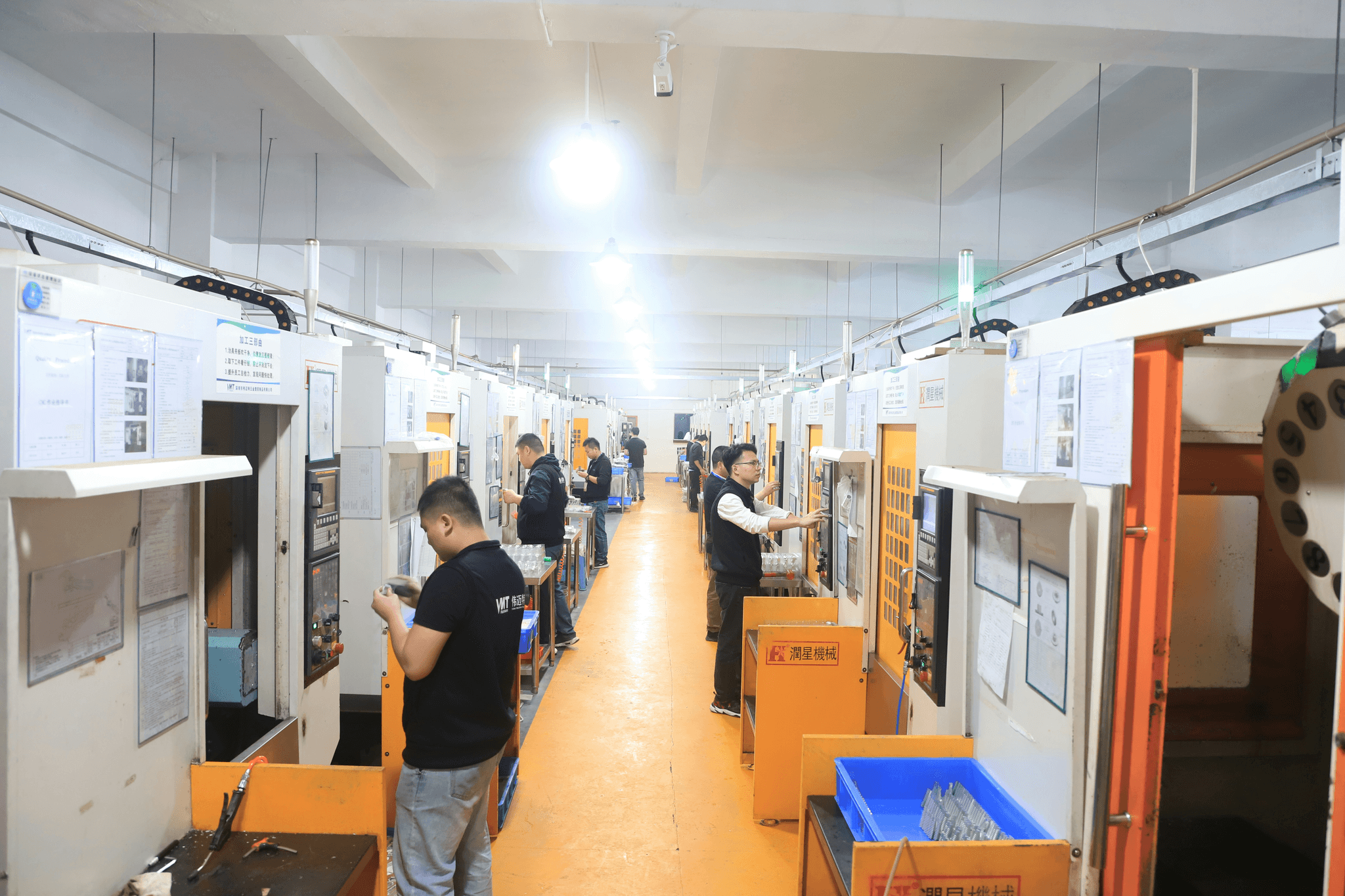
In the realm of quality assurance, production and process controls are pivotal to maintaining high standards. A well-structured GMP audit checklist ensures that every aspect of production is scrutinized for compliance with established guidelines. This section delves into the critical components that uphold product integrity and safety throughout the manufacturing process.
Critical Control Points Identification
Identifying critical control points (CCPs) is essential for effective production and process controls within a GMP framework. CCPs are stages in the manufacturing process where potential hazards can be controlled or eliminated, making them crucial for ensuring product safety. By incorporating CCPs into your GMP audit checklist, organizations can systematically address risks associated with equipment and utensils, thereby enhancing overall quality assurance efforts.
Having clearly defined CCPs allows personnel to focus on areas that require stringent monitoring, ensuring compliance with both internal standards and regulatory requirements. Additionally, training staff on these critical points fosters a culture of accountability and vigilance in adhering to quality protocols. Ultimately, proper identification of CCPs contributes significantly to the effectiveness of packaging and labeling processes by mitigating risks before products reach consumers.
Process Validation Techniques
Process validation techniques play a vital role in confirming that production processes consistently yield products meeting predetermined specifications. Utilizing these techniques as part of your GMP audit checklist helps organizations ensure that both equipment and utensils are functioning optimally throughout the manufacturing cycle. This validation not only enhances product reliability but also strengthens confidence in warehousing, storage, and distribution practices.
Employing methodologies such as prospective validation, concurrent validation, or retrospective validation allows organizations to tailor their approach based on specific operational needs. These techniques ensure that any deviations from established protocols are identified early on—before they escalate into larger issues affecting product integrity or safety. Moreover, thorough documentation during this phase supports effective document and records controls by providing traceable evidence of compliance.
Monitoring and Continuous Improvement
Monitoring production processes is crucial for maintaining standards set forth in a GMP audit checklist; it enables organizations to identify trends that may indicate potential issues before they arise. Continuous improvement initiatives should be integrated into routine assessments to refine processes continually while addressing any non-conformances swiftly—this proactive approach minimizes disruptions across all areas including organization and personnel management as well as equipment maintenance practices.
Regularly reviewing monitoring data facilitates informed decision-making regarding necessary adjustments or enhancements within production workflows—keeping everyone aligned with best practices ensures efficiency across packaging and labeling operations too! Furthermore, fostering an environment where feedback from all levels is encouraged can lead to innovative solutions for challenges encountered during warehousing or distribution phases.
In conclusion, robust production and process controls form the backbone of effective quality assurance systems within any organization striving for excellence through adherence to GMP standards.
Packaging and Labeling

Packaging and labeling are critical components in the GMP Audit Checklist, ensuring that products meet regulatory standards while maintaining quality throughout their lifecycle. A well-structured approach to packaging not only protects the product but also conveys essential information to consumers, fostering trust and compliance. In this section, we will explore compliance with industry regulations, label accuracy and integrity, as well as traceability in packaging processes.
Compliance with Industry Regulations
Compliance with industry regulations is paramount in the realm of packaging and labeling within the GMP Audit Checklist. Each product must adhere to specific guidelines set forth by governing bodies to ensure safety and efficacy for consumers. Regular audits of packaging materials and processes help maintain alignment with these regulations, thereby minimizing risks associated with non-compliance.
Incorporating feedback from quality assurance teams can enhance compliance strategies related to packaging systems. This collaboration ensures that all aspects of organization and personnel are informed about the latest regulatory changes affecting packaging practices. Ultimately, a commitment to compliance fosters a culture of quality that resonates throughout warehousing, storage and distribution efforts.
Label Accuracy and Integrity
Label accuracy is more than just a best practice; it’s a necessity highlighted in any comprehensive GMP Audit Checklist. Labels must provide clear information regarding ingredients, usage instructions, expiration dates, and any potential allergens—essentially acting as a communication bridge between manufacturers and consumers. The integrity of these labels plays an equally important role; tampering or mislabeling can lead to significant legal repercussions or consumer distrust.
To ensure label accuracy, organizations should implement regular checks that involve cross-referencing labels against production records—this ties back into document and records controls within the GMP framework. Moreover, training personnel on the importance of accurate labeling reinforces accountability across all levels involved in production processes. By prioritizing label integrity alongside accuracy, companies can enhance their overall quality assurance efforts significantly.
Traceability in Packaging Processes
Traceability is vital for effective risk management within packaging processes outlined in the GMP Audit Checklist—allowing manufacturers to track products from production through distribution seamlessly. This system provides essential data if issues arise post-distribution; knowing where a product originated can expedite recalls or safety alerts effectively if necessary. Furthermore, traceability strengthens consumer confidence as it assures them that their safety is prioritized through meticulous tracking mechanisms.
Implementing robust traceability systems requires collaboration between various departments—including organization and personnel involved in production controls—to establish clear protocols for documenting each step of the process accurately. Additionally, integrating technology such as barcoding or RFID systems can enhance tracking capabilities throughout warehousing, storage and distribution networks efficiently. Consequently, enhancing traceability not only supports compliance but also promotes continuous improvement across all factory systems involved.
Warehousing, Storage and Distribution

In the realm of quality assurance, warehousing, storage, and distribution play pivotal roles in maintaining product integrity. A well-structured GMP Audit Checklist should encompass these areas to ensure that products remain safe and effective from the moment they leave production until they reach consumers. By implementing best practices in these domains, organizations can significantly reduce risks associated with product quality.
Inventory Management Best Practices
Effective inventory management is the backbone of any successful operation within the GMP framework. Organizations must establish clear protocols for tracking inventory levels, ensuring that stock is rotated appropriately to prevent expiration or obsolescence—this is often referred to as FIFO (First In, First Out). Additionally, regular audits should be conducted to align with the GMP Audit Checklist requirements, ensuring that discrepancies are identified and addressed promptly.
Accurate documentation of inventory movements is crucial for compliance with both internal policies and external regulations. This ties back into document and records controls; every transaction should be logged meticulously to create a transparent trail. Moreover, utilizing modern inventory management software can streamline processes and enhance accuracy in tracking materials through various stages of warehousing.
Environmental Control in Storage Areas
The environmental conditions within storage areas are critical for maintaining product quality—temperature fluctuations or humidity can wreak havoc on sensitive materials. To comply with GMP standards, organizations must monitor these conditions continuously using calibrated equipment that aligns with their Equipment and Utensils standards outlined in the GMP Audit Checklist. Regular checks of HVAC systems and other environmental controls will help mitigate risks associated with improper storage conditions.
In addition to monitoring climate factors, pest control measures must also be part of the environmental strategy. Implementing an integrated pest management system ensures that stored products are protected from contamination without compromising safety standards. Furthermore, staff training regarding these environmental controls reinforces organization and personnel responsibilities while supporting compliance efforts.
Distribution Process Oversight
Distribution is where all previous efforts culminate; it’s essential for maintaining quality right up until products reach their final destination. A robust distribution process oversight mechanism should include thorough checks against the GMP Audit Checklist at each stage—packing, loading, transport—and even delivery to ensure compliance with Packaging and Labeling regulations. This oversight not only safeguards product integrity but also builds trust with customers who expect high-quality goods.
Moreover, it’s crucial to establish partnerships with reliable logistics providers who understand your organization's commitment to quality assurance principles outlined in both warehousing practices and production process controls. Regular evaluations of these partnerships will help identify potential risks before they escalate into larger issues affecting product safety or efficacy. Lastly, feedback loops from distribution points back into inventory management systems can enhance overall operational effectiveness by identifying trends or gaps needing attention.
Document and Records Controls

In the realm of quality assurance, robust document and records controls are indispensable. They serve as the backbone of a comprehensive GMP Audit Checklist, ensuring that all processes related to organization and personnel, equipment and utensils, production and process controls, packaging and labeling, warehousing, storage and distribution are meticulously documented. Without accurate record-keeping, even the best-laid plans can go awry.
Importance of Accurate Record-Keeping
Accurate record-keeping is not just a bureaucratic necessity; it's a critical component in maintaining compliance with GMP standards. Each entry provides a snapshot of operations within the factory systems that underpin product quality, making it easier to trace any deviations back to their source. Furthermore, well-maintained records enhance transparency during audits and inspections while fostering trust with stakeholders.
When it comes to organization and personnel management, precise documentation helps delineate roles clearly—ensuring everyone knows their responsibilities in relation to equipment and utensils used throughout production processes. This clarity mitigates risks associated with miscommunication or oversight that could compromise quality controls. Ultimately, thorough record-keeping supports continuous improvement by enabling teams to analyze data trends over time.
Document Control Procedures
Implementing effective document control procedures is essential for maintaining an organized approach to record-keeping within your GMP framework. This includes establishing protocols for creating, reviewing, approving, distributing, revising, and archiving documents related to every aspect of production—from equipment maintenance logs to training records for staff in organization and personnel roles. By creating a centralized repository for these documents, you ensure easy access while minimizing the risk of outdated information circulating among employees.
Moreover, regular audits of document control practices help identify areas needing improvement or updates based on evolving regulations regarding packaging and labeling or changes in warehousing practices. It’s vital that all employees understand how document control fits into their daily tasks—this knowledge empowers them to contribute actively rather than passively following procedures without comprehension. In essence, strong document control procedures lay the groundwork for effective monitoring across all areas covered by your GMP Audit Checklist.
Handling of Non-Conformances and Deviations
Handling non-conformances effectively is crucial when striving for excellence in quality assurance through your GMP Audit Checklist framework. When deviations occur—whether due to issues with equipment or utensils or lapses in production process controls—it’s imperative that they are documented promptly along with corrective actions taken. This not only ensures accountability but also provides valuable insights into potential weaknesses within existing systems.
A structured approach should be established for investigating non-conformances; this includes defining who will be responsible for analysis within the organization’s personnel hierarchy as well as determining how findings will be communicated across departments involved in packaging and labeling or warehousing activities. The goal is not merely compliance but fostering an environment where lessons learned from deviations lead directly back into improving operational processes continuously.
Additionally, having clear guidelines around managing non-conformances reinforces the importance of adherence across all levels—from frontline workers handling products during storage to management overseeing distribution logistics—and highlights everyone’s role in upholding high-quality standards outlined by your GMP Audit Checklist.
Engaging with Quality Experts

In the quest for quality assurance, engaging with external quality experts can be a game-changer. These professionals bring a fresh perspective to your GMP audit checklist, ensuring that all aspects of organization and personnel, equipment and utensils, production and process controls, packaging and labeling, warehousing, storage and distribution, as well as document and records controls are thoroughly evaluated. By collaborating with experts like China Inspection Pro, businesses can achieve compliance more efficiently while bolstering their internal processes.
Utilizing Services of China Inspection Pro
China Inspection Pro offers specialized services tailored to enhance your GMP audit checklist effectively. Their expertise spans across critical areas such as organization and personnel management, equipment maintenance protocols, and the intricacies of production and process controls. With their assistance in packaging and labeling assessments or warehousing strategies, companies can identify gaps in compliance that may otherwise go unnoticed.
Leveraging their experience means you gain insights into best practices that align with industry standards. The team at China Inspection Pro is well-versed in navigating regulatory landscapes related to document and records controls as well. This partnership not only streamlines audits but also establishes a culture of continuous improvement within your organization.
Benefits of External Quality Assessments
External quality assessments provide an unbiased evaluation of your operations against the GMP audit checklist criteria. These assessments often reveal hidden inefficiencies or compliance issues related to organization and personnel training requirements or equipment calibration protocols that internal teams might overlook due to familiarity bias. By identifying these areas for improvement in production processes or packaging integrity early on, businesses can mitigate risks before they escalate into significant problems.
Moreover, external assessments foster accountability within teams by introducing an objective standard to measure performance against industry benchmarks. This not only enhances overall compliance with safety standards but also motivates staff to adhere more closely to established procedures regarding warehousing practices or document control measures. Ultimately, investing in external quality assessments pays off through improved product quality and customer satisfaction.
Enhancing Internal Processes with Expert Input
Incorporating expert input into your internal processes transforms how you approach quality management across all facets outlined in the GMP audit checklist. For instance, insights from specialists can refine training requirements for staff involved in handling equipment and utensils or managing production lines effectively—ensuring everyone understands their roles clearly within the larger framework of organizational goals. Additionally, expert guidance helps streamline cleaning protocols tied to sanitation standards crucial for both equipment longevity and product safety.
Furthermore, integrating recommended practices from external consultants enhances monitoring techniques applied during various stages—be it production flow optimization or effective tracking systems for packaging accuracy—ultimately leading towards a more robust system for warehousing operations too! By prioritizing input from seasoned professionals when addressing document controls or deviation handling methods within your facility’s structure ensures ongoing compliance without sacrificing efficiency.
Conclusion

In wrapping up our discussion on the GMP Audit Checklist, it’s essential to highlight the critical components that contribute to a successful quality assurance framework. These components encompass Organization and Personnel, Equipment and Utensils, Production and Process Controls, Packaging and Labeling, Warehousing, Storage and Distribution, as well as Document and Records Controls. Each of these elements plays a vital role in ensuring that operations adhere to Good Manufacturing Practices.
Summarizing Key Components of GMP Audit Checklist
The GMP Audit Checklist serves as a roadmap for organizations striving for excellence in their manufacturing processes. Starting with Organization and Personnel, clearly defined roles ensure accountability while comprehensive training equips staff with the necessary skills to maintain quality standards. Moving on to Equipment and Utensils, regular maintenance and calibration are crucial for operational efficiency; without them, even the best processes can falter.
Production and Process Controls are the backbone of any manufacturing operation; identifying critical control points helps mitigate risks effectively. Packaging and Labeling must comply with industry regulations to avoid costly mistakes—accuracy here is non-negotiable. Finally, robust Warehousing, Storage and Distribution practices ensure that products remain safe and compliant until they reach consumers' hands.
Benefits of Adhering to GMP Standards
Adhering to GMP standards offers numerous benefits that extend beyond mere compliance; it enhances product quality while fostering consumer trust. By implementing a rigorous GMP Audit Checklist across all areas—from Organization and Personnel through Document and Records Controls—companies can significantly reduce risks associated with production failures or recalls. Additionally, consistent adherence leads to improved operational efficiencies that can translate into cost savings over time.
Moreover, maintaining high standards in Equipment and Utensils ensures reliability throughout production processes; this reliability is key when aiming for market competitiveness. The emphasis on proper Packaging and Labeling not only meets regulatory requirements but also builds brand loyalty among consumers who prioritize safety in their choices. Ultimately, embracing these standards cultivates an organizational culture centered around quality assurance.
Next Steps for Successful Implementation
To successfully implement the insights gleaned from the GMP Audit Checklist, organizations should begin by conducting a thorough assessment of their current practices across all identified areas. This includes evaluating Organization and Personnel structures along with existing training protocols—upgrading where necessary will pave the way for improved compliance outcomes. Furthermore, establishing routine reviews of Equipment and Utensils alongside Production Processes will help identify gaps before they become issues.
Next comes an emphasis on effective documentation; ensuring accurate records not only aids in compliance but also provides invaluable data for continuous improvement efforts within Document Control Procedures. Engaging stakeholders at every level is crucial during this transition—communication fosters buy-in which is essential for lasting change within Warehouse Operations or Distribution Strategies alike! Lastly, consider leveraging external expertise through services like China Inspection Pro to gain fresh perspectives on your internal processes.