
Introduction
In the world of restroom management, the significance of Bathroom Accessories Inspection cannot be overstated. These inspections ensure that essential items like the Paper Towel Dispenser, Waste Receptacle, and Liquid Soap Dispenser are not only functioning properly but also meet health and safety standards. Regularly assessing these accessories contributes to a clean, hygienic environment that enhances user experience.
Importance of Bathroom Accessories Inspection
Bathroom Accessories Inspection plays a crucial role in maintaining cleanliness and functionality in public restrooms. With high foot traffic, accessories such as the Toilet Tissue Dispenser and Waste Receptacle are often subjected to wear and tear, making regular inspections vital for their upkeep. By ensuring these items are in optimal condition, facilities can prevent unsightly messes and promote hygiene.
Common Types of Bathroom Accessories
When discussing bathroom accessories, several key components come to mind: the Paper Towel Dispenser, Liquid Soap Dispenser, Toilet Tissue Dispenser, Hook Strip, Tilt Mirror Unit, and Cosmetic Mirror. Each accessory serves a unique purpose that contributes to the overall user experience in a restroom setting. Understanding these common types is essential for effective Bathroom Accessories Inspection.
Why Regular Inspection is Essential
Regular inspection of bathroom accessories is essential for multiple reasons: it ensures hygiene compliance, maintains functionality, and enhances aesthetic appeal. For instance, an unmonitored Paper Towel Dispenser can lead to waste buildup while a faulty Liquid Soap Dispenser may compromise cleanliness standards. By implementing routine inspections tailored to each accessory type—like assessing the Hook Strip or evaluating the Tilt Mirror Unit—facilities can create a more pleasant environment for users.
Understanding Bathroom Accessories Inspection

This process ensures that all accessories—from the Paper Towel Dispenser to the Waste Receptacle—are functioning optimally and meeting health standards. Regular inspections not only enhance user experience but also prolong the lifespan of these essential items.
Definition and Purpose
Bathroom Accessories Inspection refers to the systematic evaluation of various components within a bathroom setting to ensure they are safe, hygienic, and operational. The primary purpose of this inspection is to identify any issues that could compromise cleanliness or functionality, such as a malfunctioning Liquid Soap Dispenser or an overflowing Waste Receptacle. By conducting these inspections regularly, facilities can maintain high hygiene standards and provide users with a pleasant experience.
Key Components of Inspection
Key components of Bathroom Accessories Inspection include evaluating dispensers like the Toilet Tissue Dispenser, checking for proper installation, and ensuring that all accessories are stocked adequately. Inspectors assess not only functionality but also aesthetic elements such as the Hook Strip's design and durability. Additionally, inspecting units like Tilt Mirror Units and Cosmetic Mirrors helps ensure they are free from damage while serving their intended purpose effectively.
Role of China Inspection Pro
China Inspection Pro plays a vital role in facilitating comprehensive Bathroom Accessories Inspections by providing specialized services tailored to manufacturers and distributors alike. Their expertise ensures that all products meet international quality standards before reaching consumers’ hands—be it a Paper Towel Dispenser or a Waste Receptacle. By leveraging their knowledge in quality control, businesses can mitigate risks associated with defective products while enhancing customer satisfaction through reliable accessories.
Essential Bathroom Accessories and Their Inspection
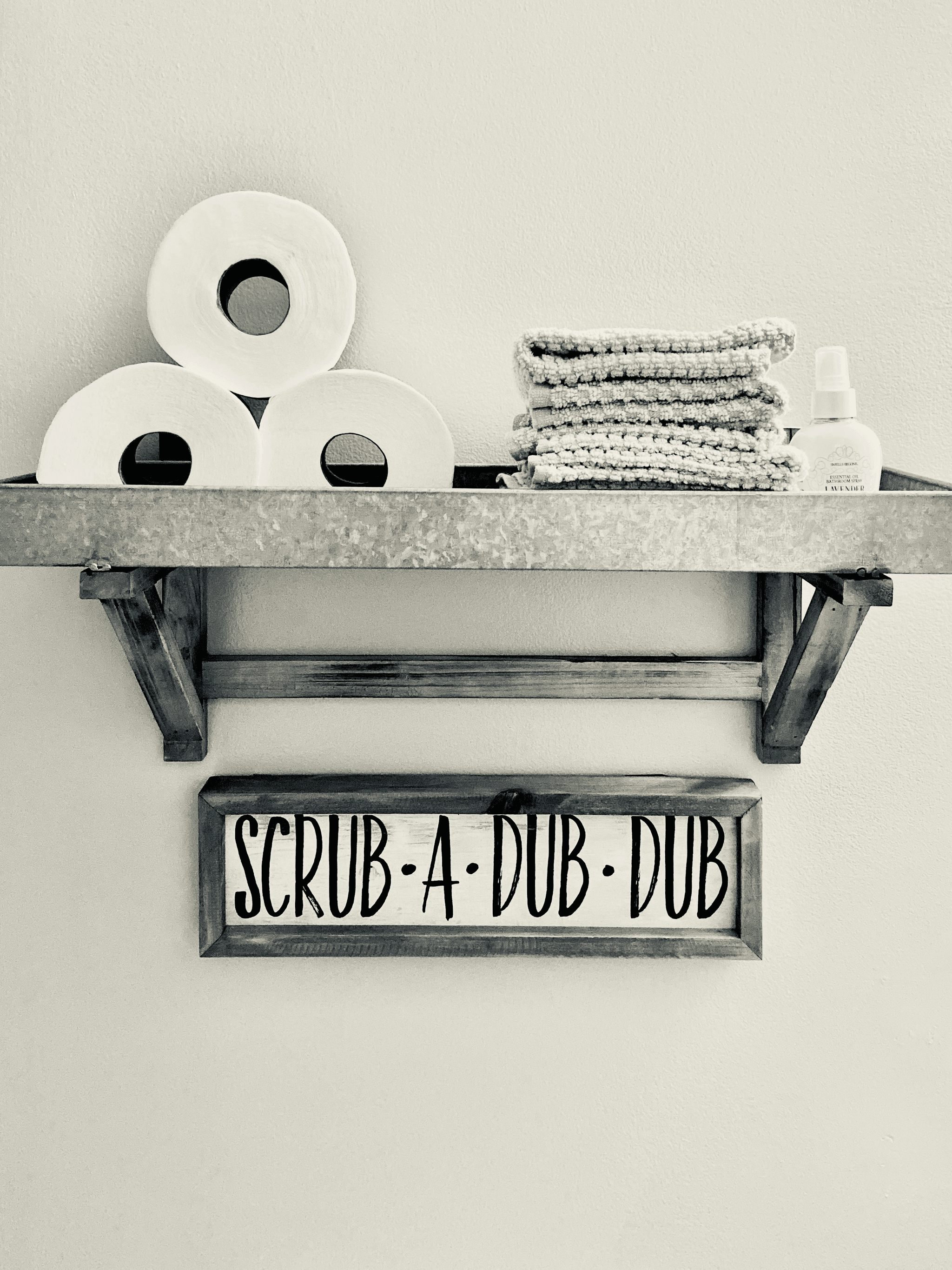
When it comes to maintaining a clean and functional restroom, the importance of thorough Bathroom Accessories Inspection cannot be overstated. The right inspections can ensure that each accessory, from the Paper Towel Dispenser to the Waste Receptacle, functions optimally and meets health standards. In this section, we will delve into the specifics of inspecting these essential accessories for both functionality and hygiene.
Evaluating the Paper Towel Dispenser
The Paper Towel Dispenser is a staple in any bathroom setting, providing users with a convenient way to dry their hands after washing. During Bathroom Accessories Inspection, it's crucial to check for proper operation—ensuring that towels dispense smoothly without jams or excessive tearing. Additionally, you should evaluate the dispenser's placement; it should be easily accessible while maintaining cleanliness around its vicinity.
Regular checks on the Paper Towel Dispenser also include assessing its capacity and refill frequency. A well-maintained dispenser not only enhances user experience but also reduces waste by ensuring towels are dispensed efficiently. Remember that an inspection isn't just about function; aesthetics matter too! A stylish dispenser can complement your restroom design while serving its purpose effectively.
Inspecting the Waste Receptacle
Next up in our inspection journey is the Waste Receptacle—a vital component for maintaining hygiene in any restroom environment. During your Bathroom Accessories Inspection, look for signs of wear or damage; a broken lid or cracked body can lead to unsightly messes and unpleasant odors. It's essential that these receptacles are emptied regularly as part of routine maintenance to prevent overflow and ensure sanitary conditions.
The placement of your Waste Receptacle also plays a significant role in user compliance; if it's inconveniently located, users may resort to littering instead! Therefore, consider positioning it near high-traffic areas like entrances or exits where disposal is most needed. An effective inspection not only focuses on functionality but also ensures that these receptacles blend seamlessly into the overall design—after all, no one wants an eyesore interrupting their bathroom experience!
Analyzing the Liquid Soap Dispenser
Last but certainly not least is our friend—the Liquid Soap Dispenser! This accessory is crucial for promoting good hand hygiene practices among users in public restrooms. When conducting a Bathroom Accessories Inspection on this unit, check for leaks or clogs that could hinder soap flow; nobody wants to battle with a stubborn pump when trying to wash their hands!
It's equally important to assess whether the soap being dispensed meets quality standards—look out for consistency in texture and fragrance as indicators of freshness. Additionally, consider how easy it is for users to refill; dispensers designed with convenience in mind will encourage regular use while minimizing downtime during refills. By focusing on both functionality and ease-of-use during inspections of liquid soap dispensers, you're contributing significantly towards enhancing overall restroom hygiene.
Dispensers and Their Functionality

When it comes to bathroom accessories, dispensers play a crucial role in maintaining cleanliness and convenience. The quality of these dispensers can significantly impact user experience, hygiene, and overall functionality. A well-functioning Paper Towel Dispenser or Liquid Soap Dispenser is essential for any restroom, whether public or private.
Importance of Toilet Tissue Dispenser Quality
The quality of a Toilet Tissue Dispenser can make or break the bathroom experience for users. A sturdy dispenser ensures that toilet paper is readily available without frustrating jamming or tearing issues. Moreover, a reliable dispenser contributes to hygiene by minimizing contact with surfaces—an essential factor in Bathroom Accessories Inspection.
In addition to functionality, aesthetics also matter; a well-designed toilet tissue dispenser can complement the overall decor while serving its purpose effectively. Investing in high-quality dispensers not only enhances user satisfaction but can also reduce maintenance costs over time. Therefore, prioritizing quality in your restroom fixtures is a no-brainer.
Common Issues with Dispenser Units
Dispenser units are not without their quirks; they often face common issues that require attention during Bathroom Accessories Inspection. For instance, the Paper Towel Dispenser may become jammed due to improper loading or overstuffing, leading to frustration among users. Similarly, the Liquid Soap Dispenser might leak if seals wear out or if it's filled with incompatible soap types.
Another frequent issue involves the Waste Receptacle’s lid mechanism failing to open smoothly when users attempt to dispose of trash—talk about an awkward moment! Regular inspections help identify these problems early on before they escalate into bigger headaches for facility managers and users alike. Addressing these common concerns ensures that all dispensers contribute positively to restroom functionality.
Maintenance Tips for Longevity
To keep your dispensers operating at peak performance and extend their lifespan, regular maintenance is key. Start by routinely checking each unit for signs of wear and tear; this includes ensuring that all moving parts function smoothly and that there are no leaks from the Liquid Soap Dispenser or Toilet Tissue Dispenser components. Cleaning each unit regularly will prevent buildup that could hinder performance—after all, nobody wants a sticky soap dispenser!
Additionally, consider implementing a schedule for replacing worn-out parts like springs or hinges on your dispensers; proactive maintenance can save you money in the long run by avoiding complete replacements of units like the Waste Receptacle or Paper Towel Dispenser when minor fixes could suffice. Lastly, educate staff on proper loading techniques to minimize jams and ensure optimal performance across all bathroom accessories.
Aesthetic and Functional Features

When it comes to bathroom accessories, aesthetics and functionality go hand in hand. The right design elements not only enhance the overall look of the restroom but also improve user experience. Regular Bathroom Accessories Inspection ensures that these features are not just for show but serve their intended purpose effectively.
Importance of Hook Strip in Design
The hook strip is often an overlooked aspect of bathroom design, yet it plays a vital role in both functionality and aesthetics. This simple feature allows for easy hanging of towels or bags, keeping surfaces clutter-free. During Bathroom Accessories Inspection, checking the sturdiness and placement of the hook strip can reveal a lot about its usability and design integrity.
A well-placed hook strip can elevate the organization within a restroom, making it more user-friendly. If it's too high or too low, it might not serve its purpose effectively, leading to frustration among users. Therefore, ensuring that this accessory meets ergonomic standards during inspections is key to enhancing overall satisfaction.
Benefits of Tilt Mirror Unit Inspection
Tilt mirror units are another essential component that deserves thorough inspection during Bathroom Accessories Inspection processes. These mirrors provide flexibility in viewing angles, which is particularly beneficial in public restrooms where varying heights need consideration. Ensuring that tilt mechanisms function smoothly can prevent accidents and enhance user experience.
Moreover, a well-functioning tilt mirror unit can contribute significantly to the aesthetic appeal of a bathroom space. A cracked or poorly adjusted mirror detracts from the overall ambiance and may even pose safety risks to users. Regular inspections help identify issues before they escalate into larger problems.
Evaluating Cosmetic Mirror Functionality
Cosmetic mirrors are all about precision; they allow users to apply makeup or perform grooming tasks with ease and accuracy. During Bathroom Accessories Inspection, evaluating their functionality should focus on magnification levels and stability—essential features for any cosmetic mirror worth its salt. If these mirrors wobble or distort images due to poor quality materials, they become more frustrating than useful.
Additionally, cosmetic mirrors often come with features like built-in lighting or adjustable angles that enhance usability even further—these should also be scrutinized during inspections. The right cosmetic mirror can make all the difference for someone trying to look their best before heading out into the world! Thus, ensuring these accessories meet quality standards is crucial for maintaining user satisfaction.
Health and Safety Standards
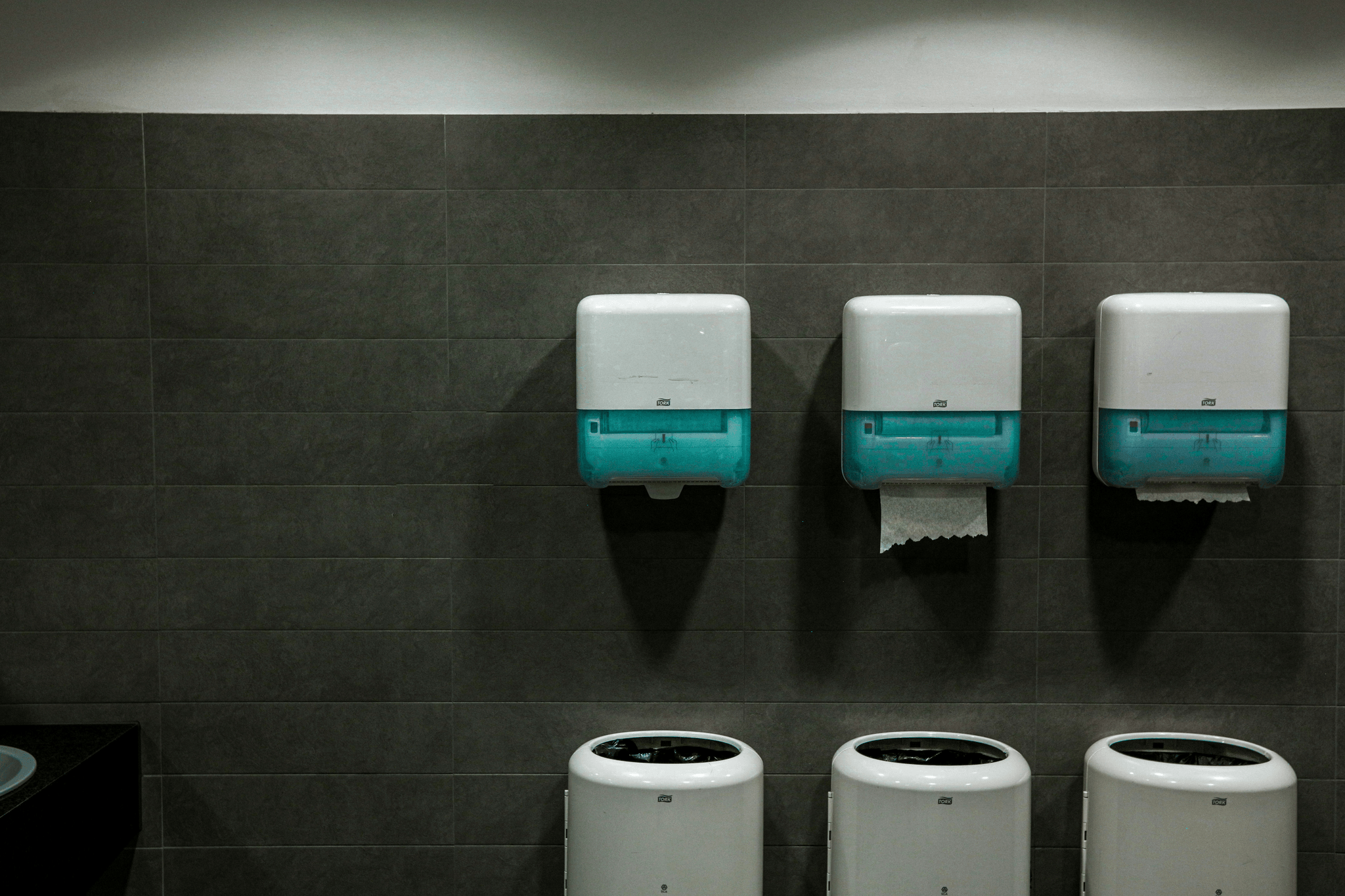
Maintaining health and safety standards in bathroom accessories is not just a matter of compliance; it’s about ensuring the well-being of all users. Regular Bathroom Accessories Inspection helps identify potential hazards, ensuring that items like the Paper Towel Dispenser, Waste Receptacle, and Liquid Soap Dispenser meet required safety protocols. By adhering to these standards, facilities can create a safer environment that promotes hygiene and user satisfaction.
Regulatory Requirements for Accessories
Every public restroom must comply with specific regulatory requirements related to bathroom accessories. These regulations often dictate the design, installation, and maintenance of items such as the Toilet Tissue Dispenser and waste receptacles to ensure they are safe for public use. Understanding these regulations is crucial for facility managers who want to avoid penalties while providing a clean and functional space.
Ensuring Hygiene in Public Restrooms
Hygiene in public restrooms is paramount, especially when considering high-touch items like the Liquid Soap Dispenser and Paper Towel Dispenser. Regular inspections help ensure that these accessories are functioning correctly and are stocked with necessary supplies to maintain cleanliness. Additionally, features such as touchless dispensers can significantly reduce germ transmission, making it easier to uphold hygiene standards.
Impact of Quality on User Experience
The quality of bathroom accessories directly impacts user experience; think about it: nobody enjoys dealing with a malfunctioning Toilet Tissue Dispenser or an overflowing Waste Receptacle! High-quality accessories not only enhance functionality but also contribute positively to the overall aesthetic of the restroom—especially when elements like Hook Strips or Tilt Mirror Units are involved. When users encounter well-maintained facilities equipped with reliable accessories, they’re more likely to have a favorable impression of the establishment.
Conclusion
In conclusion, the importance of Bathroom Accessories Inspection cannot be overstated. Regular inspection of items like the Paper Towel Dispenser, Waste Receptacle, and Liquid Soap Dispenser is crucial for maintaining hygiene and functionality in any restroom environment. By ensuring that these accessories are in good condition, facilities can enhance user experience while adhering to health standards.
Key Takeaways on Bathroom Accessories Inspection
Key takeaways from our discussion on Bathroom Accessories Inspection include the necessity of evaluating each accessory's functionality and cleanliness. The Toilet Tissue Dispenser, often overlooked, plays a vital role in user satisfaction and should be regularly checked for jams or malfunctions. Additionally, aesthetic features like the Hook Strip and Tilt Mirror Unit can significantly impact the overall ambiance and usability of the bathroom space.
Steps to Implement Effective Inspection Protocols
To implement effective inspection protocols, facilities should start by creating a checklist that includes all essential accessories such as the Paper Towel Dispenser, Waste Receptacle, Liquid Soap Dispenser, and more. Regular training sessions for staff on how to perform these inspections will ensure everyone is aware of what to look for during each check-up. Finally, maintaining an organized schedule for inspections will help catch potential issues before they escalate into major problems.
Future Trends in Bathroom Accessory Quality
Looking ahead, future trends in bathroom accessory quality are likely to focus on sustainability and innovative designs that enhance user experience. Expect advancements in touchless technology for dispensers—like the Liquid Soap Dispenser—to become more prevalent as hygiene concerns grow. Moreover, integrating smart technology into items such as Cosmetic Mirrors could revolutionize how we interact with our bathroom spaces by providing personalized lighting options or even virtual assistance features.