
Introduction

In the world of power tools, quality is not just a buzzword; it's a necessity. The importance of quality in power tools cannot be overstated, as it directly impacts performance, durability, and safety. A well-manufactured tool can mean the difference between a job well done and a hazardous accident on the worksite.
The Importance of Quality in Power Tools
Quality assurance is paramount in ensuring that power tools meet rigorous standards before they reach consumers. When manufacturers prioritize quality control processes, they not only enhance their product's reliability but also build trust with users who depend on these tools for their safety and efficiency. In essence, investing in quality translates to fewer recalls, reduced warranty claims, and ultimately greater customer satisfaction.
Understanding Inspection and Control Standards
To maintain high-quality benchmarks, understanding inspection and control standards is crucial for manufacturers. These standards act as guidelines that outline the necessary criteria for assessing product quality throughout the manufacturing process. By adhering to these protocols, companies can ensure their products are consistently reliable and safe for end-users.
Why Compliance Matters for Safety
Compliance with established inspection and quality control standards isn't merely a regulatory requirement; it’s a fundamental aspect of ensuring user safety. When power tools are manufactured under strict compliance measures, the risks associated with malfunctions or failures are significantly minimized. Ultimately, prioritizing compliance protects both manufacturers from liability issues and consumers from potential hazards associated with subpar tools.
The Role of Quality Assurance in Manufacturing
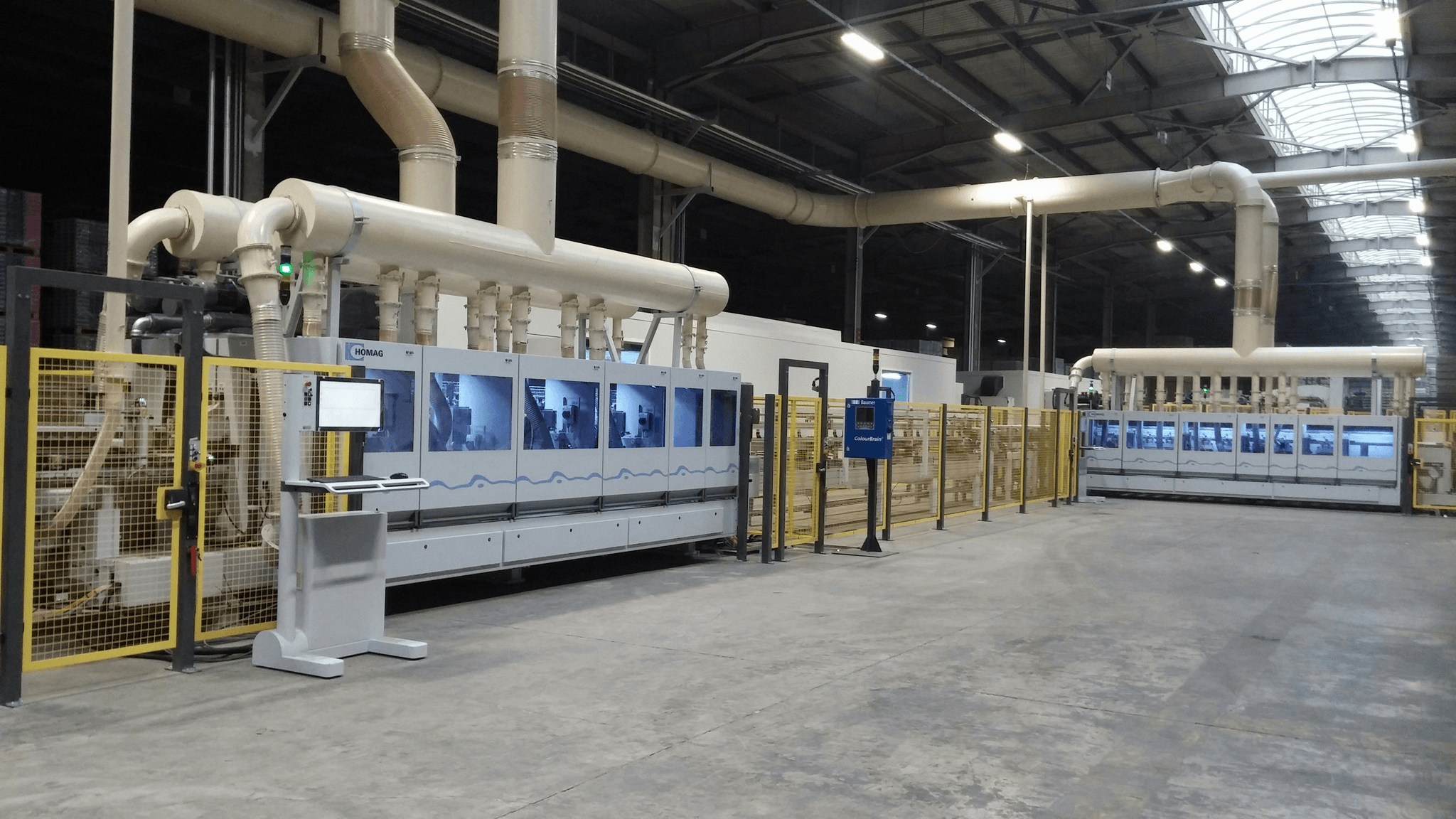
In the manufacturing of power tools, quality assurance (QA) plays a pivotal role in ensuring that products meet defined standards and customer expectations. It encompasses a systematic approach to evaluating and improving processes, materials, and final products through Inspection and Quality Control Standards. By implementing robust QA practices, manufacturers can significantly reduce defects, enhance safety, and boost customer satisfaction.
Defining Quality Assurance in Power Tools
Quality assurance in power tools refers to the comprehensive processes established to ensure that products consistently meet specified quality standards throughout their lifecycle. This includes everything from design validation to production monitoring and post-market surveillance. By adhering to rigorous QA protocols, manufacturers can preemptively identify potential issues before they escalate into costly recalls or safety hazards.
Key QA Quality Processes to Implement
To achieve effective quality assurance in power tool manufacturing, several key QA processes should be implemented. First, establishing a detailed quality management system (QMS) is essential for documenting procedures and ensuring compliance with Inspection and Quality Control Standards. Additionally, regular training sessions for employees on best practices can foster a culture of quality awareness across the organization—ensuring everyone understands their role in maintaining high-quality outputs.
Another critical process is conducting thorough risk assessments at various stages of production; this helps identify potential failure points early on. Furthermore, integrating feedback loops from customers can provide invaluable insights into product performance and areas needing improvement—keeping the focus on continuous enhancement.
Examples of Effective Quality Assurance Programs
Several companies have successfully implemented effective quality assurance programs that serve as benchmarks within the industry. For instance, a leading power tool manufacturer adopted an advanced QMS aligned with ISO 9001 standards—resulting in reduced defect rates by over 30% within just one year! Their program emphasizes not only compliance with Inspection and Quality Control Standards but also encourages innovation through ongoing employee engagement initiatives.
Another example comes from an organization that integrated real-time data analytics into their QA processes; this allowed them to monitor production lines continuously for deviations from set standards instantly. Such proactive measures not only improved product reliability but also enhanced overall operational efficiency—demonstrating how embracing technology can revolutionize traditional quality control methods.
Overview of Quality Control Methods
In the realm of power tools, maintaining high standards of quality is non-negotiable. Quality control methods not only ensure that products meet safety and performance specifications but also reinforce a brand's reputation in a competitive marketplace. By implementing effective inspection and quality control standards, manufacturers can significantly enhance their product reliability and customer satisfaction.
Common Quality Control Techniques
Quality control techniques are the backbone of any robust manufacturing process, especially in the power tool industry. Some common methods include statistical process control (SPC), where data is collected and analyzed to monitor production processes, and failure mode and effects analysis (FMEA), which identifies potential failure points before they occur. Additionally, visual inspections, automated testing systems, and end-of-line testing are crucial for ensuring that each tool meets established quality assurance criteria.
Implementing these QA quality processes helps manufacturers catch defects early in production, reducing waste and rework costs significantly. Regular training for staff on these techniques ensures that everyone involved understands the importance of adhering to inspection and quality control standards. Ultimately, these practices foster a culture of continuous improvement within organizations.
The Benefits of Regular Inspections
Regular inspections serve as a critical checkpoint in the manufacturing lifecycle of power tools. They provide an opportunity to identify defects or deviations from specifications before products reach consumers, thereby enhancing overall product safety and performance. Moreover, consistent adherence to inspection protocols can lead to increased customer trust and loyalty as users feel assured about the reliability of what they purchase.
Incorporating regular inspections into the production schedule also allows companies to gather valuable data on their processes over time. This information can be used to refine QA quality measures further while ensuring compliance with industry standards processes such as ISO certifications or local regulations. Thus, regular inspections not only mitigate risks but also drive long-term operational efficiency.
How to Conduct Effective Quality Control
Conducting effective quality control requires a structured approach that integrates various methodologies tailored to specific production needs. First off, establishing clear inspection criteria based on industry standards is paramount; this sets expectations for both employees and products alike. Next comes training; equipping team members with knowledge about quality assurance principles ensures that everyone knows how to spot issues during inspections effectively.
Utilizing technology can further streamline this process—automated inspection systems equipped with advanced sensors can detect inconsistencies faster than human eyes ever could! Regular audits should also be part of your strategy; they help maintain accountability while identifying areas for improvement in your QA quality protocols over time. By embracing these practices within your organization’s framework for inspection and quality control standards, you’ll not only enhance product integrity but also cultivate a proactive mindset among your workforce.
Standards Process in Power Tool Inspection
In the world of power tools, adhering to established inspection and quality control standards is not just a recommendation—it’s a necessity. These standards ensure that products not only meet customer expectations but also comply with safety regulations. Without a robust standards process in place, manufacturers risk producing tools that could potentially harm users or fail to perform as intended.
Essential Standards for Power Tools
When discussing essential standards for power tools, several key benchmarks come to mind. Organizations such as ANSI (American National Standards Institute) and IEC (International Electrotechnical Commission) set forth guidelines that define safety, performance, and reliability criteria. Implementing these inspection and quality control standards helps manufacturers guarantee that their products are safe for consumer use while also enhancing their reputation in the marketplace.
Quality assurance processes play a crucial role in ensuring compliance with these essential standards. By integrating QA quality protocols into the manufacturing process, companies can systematically identify and rectify issues before they escalate into larger problems. This proactive approach not only saves time and resources but also fosters trust among consumers who rely on high-quality power tools.
The Impact of ISO Certifications
ISO certifications are often seen as the gold standard in quality management systems across various industries, including power tool manufacturing. Achieving ISO 9001 certification demonstrates a company's commitment to maintaining high-quality processes that meet international inspection and quality control standards. This recognition can significantly enhance a manufacturer’s credibility and open doors to new markets while reassuring customers about product reliability.
Moreover, ISO certifications encourage continuous improvement within organizations by establishing benchmarks for quality assurance practices. Companies are motivated to regularly evaluate their QA quality methods against global best practices, fostering an environment of innovation and excellence. As manufacturers strive to maintain these certifications, they inherently elevate the overall standard of their products.
Navigating Regulatory Compliance
Navigating regulatory compliance can feel like trying to find your way through a maze without a map—especially in the complex landscape of power tool manufacturing regulations. Compliance with local and international laws is paramount; failure to adhere can result in hefty fines or even product recalls due to safety violations related to inadequate inspection and quality control standards. Understanding these legal frameworks is essential for any manufacturer aiming for success in today’s competitive market.
Effective communication between departments involved in production, QA quality assurance, and legal compliance is vital for staying ahead of regulatory requirements. Regular training sessions on current regulations ensure that all team members understand their roles within the context of compliance efforts—this is where teamwork truly makes the dream work! By fostering a culture focused on adherence to regulatory guidelines, companies can streamline their operations while safeguarding consumer interests.
Real-World Case Studies

In the realm of power tools, real-world case studies provide invaluable insights into the effectiveness of inspection and quality control standards. These examples highlight how various companies have successfully implemented quality assurance processes to enhance product reliability and safety. By learning from both triumphs and challenges, businesses can refine their own strategies for maintaining high-quality standards.
Success Stories from China Inspection Pro
China Inspection Pro has made significant strides in the field of quality assurance, showcasing success stories that underline the importance of rigorous inspection and quality control standards. One notable case involved a leading power tool manufacturer that faced issues with product durability. By partnering with China Inspection Pro, they instituted comprehensive QA quality processes that included detailed inspections at every production stage, resulting in a 30% reduction in warranty claims within six months.
Another success story highlights a company that struggled with compliance to international safety regulations. Through targeted inspections and adherence to established standards processes, they not only improved their product line but also achieved ISO certification—boosting consumer confidence significantly. These examples illustrate how effective partnerships can lead to enhanced quality control measures that directly impact business outcomes.
Lessons Learned from Industry Leaders
Industry leaders have long recognized that adhering to stringent inspection and quality control standards is essential for maintaining competitive advantage. One key lesson learned is the importance of integrating QA quality processes into every aspect of production—from design to distribution. This holistic approach ensures that potential issues are identified early on, preventing costly recalls or reputational damage down the line.
Moreover, leading companies emphasize continuous training for employees involved in inspections and quality assurance roles. By fostering a culture of accountability and excellence, organizations can ensure that everyone understands their role in upholding high-quality standards throughout the manufacturing process. These lessons serve as guiding principles for businesses aiming to elevate their own practices in power tool manufacturing.
Impact of Inspection on Product Quality
The impact of thorough inspection on product quality cannot be overstated; it serves as a critical safeguard against defects and safety hazards associated with power tools. Companies implementing robust inspection and quality control methods often report significant improvements in overall product performance and customer satisfaction levels. Regular audits not only help maintain compliance with established QA quality benchmarks but also foster innovation by encouraging feedback loops between production teams.
Furthermore, effective inspections contribute to reduced operational costs by identifying defects before they escalate into larger problems requiring expensive fixes or recalls—a win-win scenario for manufacturers striving for excellence in their offerings. As these real-world cases demonstrate, investing time and resources into rigorous inspection practices pays dividends through enhanced product integrity and brand loyalty among consumers.
The Future of Power Tool Quality Control

As we look ahead, the landscape of power tool quality control is rapidly evolving. Emerging trends in quality standards are reshaping how manufacturers approach inspection and quality assurance, ensuring that products not only meet but exceed consumer expectations. With a stronger emphasis on sustainability and safety, the standards process will likely adapt to include more rigorous environmental and health-related criteria.
Emerging Trends in Quality Standards
One notable trend is the increasing integration of sustainability into quality assurance frameworks. Consumers are becoming more environmentally conscious, prompting manufacturers to adopt eco-friendly practices as part of their inspection and quality control standards. This shift not only enhances product appeal but also aligns with global efforts toward responsible manufacturing.
Moreover, there’s a growing focus on digitalization within the standards process. Digital tools such as data analytics and artificial intelligence are being leveraged to refine QA quality processes, enabling real-time monitoring and faster identification of defects. These innovations pave the way for more agile responses to market demands while maintaining high-quality benchmarks.
Lastly, collaboration among industry stakeholders is becoming essential for establishing comprehensive quality standards. By sharing insights and best practices, companies can develop robust inspection protocols that enhance overall product reliability. This cooperative spirit fosters a culture of continuous improvement in quality control across the power tool sector.
How Technology is Transforming Inspections
Technology's impact on inspections cannot be overstated; it’s revolutionizing how we approach quality assurance in power tools. The adoption of advanced technologies like drones for aerial inspections or IoT devices for real-time data collection has transformed traditional methodologies into highly efficient processes. These innovations streamline inspections while ensuring adherence to stringent quality control measures.
Furthermore, automation is playing a pivotal role in enhancing accuracy during inspections. Automated systems can quickly analyze vast amounts of data against established QA benchmarks, significantly reducing human error and increasing reliability in results. This technological evolution ensures that power tools not only comply with existing standards but also anticipate future requirements.
Additionally, virtual reality (VR) and augmented reality (AR) are emerging as powerful tools for training inspectors on complex equipment without physical exposure risks. These immersive technologies provide hands-on experience while reinforcing critical aspects of inspection and quality control standards through simulated environments tailored for learning.
Preparing for New Challenges in Quality Assurance
As we embrace these advancements, preparing for new challenges in quality assurance becomes crucial for manufacturers in the power tool industry. The rapid pace of technological change requires ongoing education and training programs to keep QA professionals informed about evolving inspection methods and regulatory compliance requirements. Companies must invest proactively in their workforce to ensure they remain competitive amidst these transformations.
Moreover, navigating compliance with international regulations presents an ongoing challenge as markets become increasingly globalized. Understanding diverse regional requirements will be essential when developing effective inspection strategies aligned with varying inspection and quality control standards worldwide. This adaptability will safeguard against potential market entry barriers due to non-compliance issues.
Lastly, fostering a culture that prioritizes continuous improvement will be vital as new challenges arise within the realm of quality assurance. By encouraging innovation at all levels,
from design through production—companies can better position themselves to tackle unforeseen obstacles while consistently delivering high-quality products that meet or exceed consumer expectations.
Conclusion
In the ever-evolving landscape of power tools, the significance of Inspection and Quality Control Standards cannot be overstated. A well-implemented quality assurance framework ensures that every tool not only meets but exceeds user expectations, enhancing safety and reliability. As we navigate through various quality control methods and standards processes, it becomes clear that adherence to these guidelines is essential for maintaining a competitive edge in the market.
Key Takeaways on Quality Control Standards
Quality control standards serve as a roadmap for manufacturers aiming to deliver exceptional products. By understanding and applying these standards, companies can significantly reduce defects while boosting customer satisfaction—a win-win scenario! Moreover, regular audits and inspections are vital components of any robust QA quality program, ensuring that compliance is not just a checkbox exercise but a continuous commitment to excellence.
The Role of Expert Inspections in Success
Expert inspections play a crucial role in upholding the integrity of power tools throughout their lifecycle. These professionals bring invaluable insights into potential pitfalls within the production process, identifying areas where quality assurance can be enhanced. Ultimately, their expertise transforms inspection from a mere regulatory requirement into a strategic advantage that fosters innovation and reliability in product development.
Enhancing Product Quality with Best Practices
To truly elevate product quality, manufacturers must embrace best practices rooted in comprehensive inspection and quality control standards. This includes investing in training programs for staff on QA quality methodologies and leveraging technology for more effective monitoring systems. By fostering a culture of continuous improvement and accountability, organizations can ensure that their products not only meet but exceed industry expectations—leading to long-term success.