
Introduction
In an age where infrastructure integrity is paramount, the importance of Anti-Corrosion Inspections cannot be overstated. These inspections serve as a critical line of defense against the relentless forces of corrosion that can compromise the safety and longevity of structures and equipment. By implementing rigorous inspection protocols, organizations can proactively identify vulnerabilities and apply necessary anti-corrosion measures before they escalate into costly failures.
Importance of Anti-Corrosion Inspections
Anti-Corrosion Inspections play a vital role in maintaining the structural integrity of various assets across industries, from bridges to pipelines. Regular inspections help detect early signs of corrosion, allowing for timely interventions that can save both time and money in repairs or replacements. Furthermore, these inspections contribute to enhanced safety standards, ensuring that structures remain reliable and secure for public use.
Overview of Inspection Protocols
The landscape of Anti-Corrosion Inspection is diverse, encompassing various protocols tailored to specific environments and materials. These protocols include Anti-Corrosive Design Inspection during the planning phase, Anti-Corrosive Construction Inspection during building processes, and ongoing evaluations such as Anti-Corrosive Coating Inspection and Cathodic Protective Inspection once assets are operational. By adhering to these comprehensive inspection methodologies, organizations can ensure their anti-corrosion strategies are effective at every stage.
Key Benefits of Anti-Corrosion Measures
Implementing robust anti-corrosion measures yields numerous benefits beyond just preventing rust; it enhances overall asset performance and extends service life significantly. Effective inspections lead to improved reliability in operations while minimizing downtime caused by corrosion-related failures. Additionally, investing in anti-corrosion strategies fosters a culture of safety within organizations while also contributing positively to environmental sustainability by reducing waste associated with premature asset disposal.
Understanding Anti-Corrosion Inspection
Anti-Corrosion Inspection is a critical process aimed at identifying and mitigating the risks associated with corrosion in various structures and materials. This inspection encompasses a wide range of activities, including assessments of design, construction, coatings, and protective systems. By understanding the definition and scope of these inspections, stakeholders can better appreciate their significance in prolonging asset life and maintaining safety.
Definition and Scope
At its core, Anti-Corrosion Inspection refers to the systematic evaluation of materials and structures to detect signs of corrosion or potential failure. The scope includes not only visual examinations but also more sophisticated techniques like ultrasonic testing or chemical analysis. This comprehensive approach ensures that all aspects— from Anti-Corrosive Design Inspection to Cathodic Protective Inspection— are thoroughly evaluated for optimal performance.
The Role of Inspectors
Inspectors play a pivotal role in the Anti-Corrosion Inspection process as they are tasked with identifying weaknesses before they escalate into costly failures. These professionals must be well-versed in various inspection methodologies, including Anti-Corrosive Coating Inspection techniques that assess the integrity of protective layers. Their expertise not only aids in immediate repairs but also informs future designs through lessons learned from past inspections.
Common Inspection Techniques
A variety of common inspection techniques are employed during Anti-Corrosion Inspections to ensure thorough evaluations across different stages such as design, construction, and maintenance. Visual inspections remain fundamental; however, methods like magnetic particle testing or dye penetrant tests can provide deeper insights into material integrity during Anti-Corrosive Construction Inspections. Additionally, advanced technologies such as drone inspections are becoming increasingly popular for large-scale assessments, making it easier to spot issues that traditional methods might miss.
Anti-Corrosive Design Inspection
When it comes to preventing corrosion, the design phase is where the magic begins. Anti-Corrosive Design Inspection focuses on creating structures that can withstand environmental challenges over time. By implementing smart design principles, we can significantly reduce the need for extensive maintenance and costly repairs down the line.
Principles of Anti-Corrosive Design
At its core, anti-corrosive design revolves around understanding how materials interact with their environment. Key principles include selecting appropriate materials that resist corrosion, designing for drainage to avoid water accumulation, and ensuring adequate ventilation in enclosed spaces. These elements work together to create a robust framework that minimizes corrosion risks throughout a structure's lifespan.
Additionally, anti-corrosive design emphasizes the importance of simplicity in construction techniques. The fewer joints and seams there are, the less chance there is for moisture to infiltrate and cause damage. By adhering to these principles during the design phase, we set up a solid foundation for effective Anti-Corrosion Inspections later on.
Factors Considered in the Design Phase
Several critical factors must be considered during the anti-corrosive design phase to ensure success. Environmental conditions such as humidity levels, temperature fluctuations, and exposure to chemicals play a significant role in material selection and structural integrity. Designers must also assess potential physical stresses that could lead to wear over time.
Another key factor is understanding how different materials behave under various conditions; some might look great on paper but fail miserably in real-world applications. This requires thorough research and sometimes even testing prototypes before finalizing designs—after all, no one wants an expensive experiment gone wrong!
Finally, collaboration between architects and engineers is vital for effective anti-corrosive designs. This teamwork ensures that all aspects of construction align with anti-corrosion strategies—laying down a strong foundation for not just aesthetic appeal but durability too.
Real World Examples of Effective Designs
Several real-world examples showcase how effective anti-corrosive design can lead to long-lasting structures with minimal maintenance needs. For instance, bridges designed with stainless steel components have demonstrated exceptional resistance against rust while maintaining structural integrity over decades—an essential aspect when considering future Anti-Corrosion Inspections.
Another example lies within marine environments where buildings utilize concrete mixed with special additives specifically formulated for saltwater exposure. These structures not only resist corrosion but also require less frequent inspections compared to traditional designs subjected to harsh coastal conditions.
Lastly, consider industrial facilities employing advanced coatings as part of their initial construction strategy; these coatings provide an extra layer of protection against corrosive substances while enhancing aesthetic appeal—a win-win situation! Such innovative designs underscore why investing time in Anti-Corrosive Construction Inspection pays off handsomely over time.
Anti-Corrosive Construction Inspection
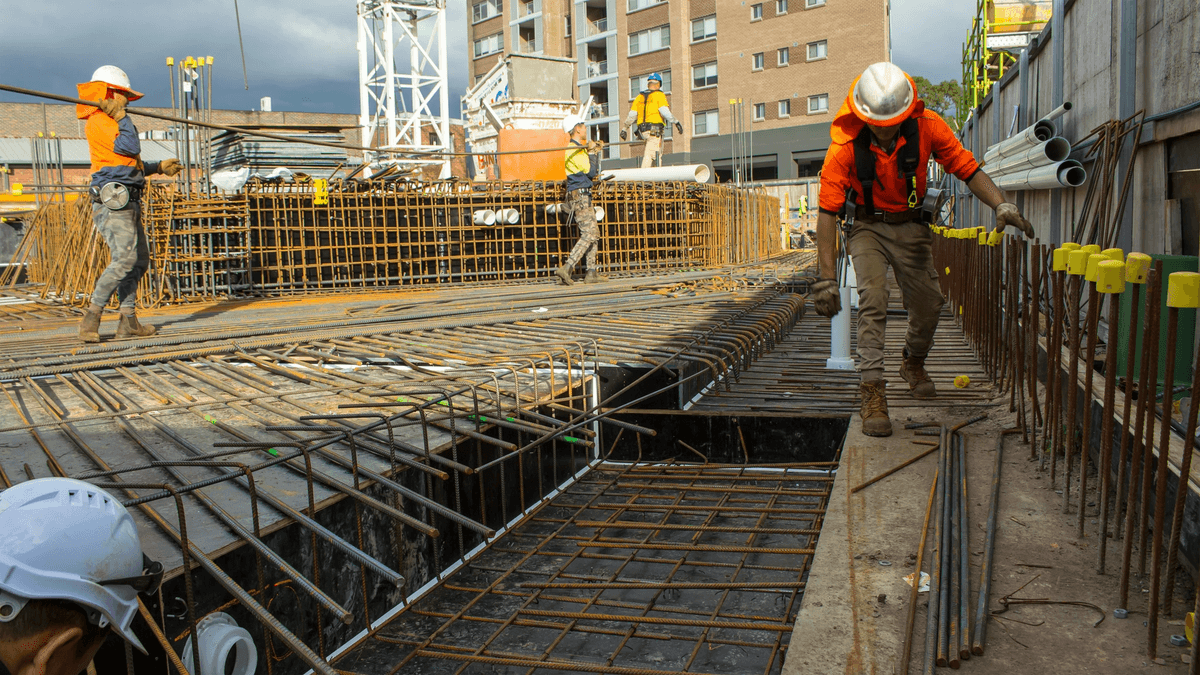
Anti-Corrosive Construction Inspection is a critical phase in ensuring that structures remain resilient against the relentless forces of corrosion. During this stage, the focus is on maintaining high standards and implementing best practices to safeguard the integrity of materials and designs. By emphasizing quality during construction, we can effectively mitigate future corrosion issues that could compromise safety and functionality.
Ensuring Quality During Construction
Ensuring quality during construction involves meticulous oversight and adherence to established protocols for Anti-Corrosion Inspection. This means conducting regular inspections at various stages of construction to verify that materials are being installed correctly and that anti-corrosive measures are being implemented as planned. Additionally, training workers on the importance of these inspections fosters a culture of accountability, making them more vigilant in spotting potential issues before they escalate.
Quality assurance should not be an afterthought; it must be woven into every aspect of the construction process. From selecting appropriate materials to following precise application methods, each step is vital in achieving long-lasting protection against corrosion. The proactive approach taken during Anti-Corrosive Construction Inspection can save considerable time and resources by preventing costly repairs down the line.
Key Materials and Practices
The choice of materials plays a pivotal role in successful Anti-Corrosive Construction Inspections. Commonly used anti-corrosive materials include stainless steel, galvanized metals, and specially engineered polymers designed to withstand harsh environments. These materials not only resist corrosion but also contribute to overall structural durability when combined with effective practices such as proper sealing and coating applications.
In addition to material selection, best practices during installation cannot be overlooked. For instance, ensuring proper surface preparation is essential before applying any anti-corrosive coatings; this includes cleaning surfaces thoroughly to remove contaminants that could hinder adhesion or performance. Regular inspections throughout this process ensure compliance with established standards while reinforcing the importance of anti-corrosion measures among all team members.
Case Studies of Successful Construction
Examining case studies provides valuable insights into effective Anti-Corrosive Construction Inspections in action. One notable example includes a major infrastructure project where rigorous inspection protocols were implemented from day one, resulting in a structure that has withstood severe weather conditions for over two decades without significant signs of corrosion damage. The project's success was attributed to thorough training for workers on anti-corrosion techniques alongside regular inspection checkpoints throughout construction.
Another compelling case involved a marine facility where innovative anti-corrosive design principles were integrated into construction practices from inception through completion. By employing advanced coatings specifically designed for marine environments along with cathodic protection systems, this facility has maintained its structural integrity despite constant exposure to saltwater corrosives. Such examples highlight how diligent adherence to Anti-Corrosion Inspection protocols can lead not only to immediate benefits but also long-term sustainability.
Anti-Corrosive Coating Inspection
In the realm of anti-corrosion strategies, the importance of anti-corrosive coating inspection cannot be overstated. This process ensures that protective coatings are applied correctly to prevent corrosion and extend the lifespan of structures. By employing various inspection methods, professionals can identify issues early, saving time and resources in the long run.
Types of Coatings and Their Applications
There are several types of coatings used in anti-corrosion inspection, each tailored for specific applications. Epoxy coatings are popular for their durability and resistance to chemicals, making them ideal for industrial environments. Additionally, polyurethane coatings offer excellent UV protection and flexibility, perfect for outdoor structures exposed to harsh weather conditions.
Another common option is zinc-rich coatings, which provide galvanic protection by sacrificing themselves to protect underlying metals from corrosion. These coatings are often used in marine applications or on steel structures that require a robust defense against saltwater exposure. Understanding these different types allows inspectors to recommend suitable solutions during anti-corrosive design inspections.
Inspection Methods for Coatings
Inspection methods for anti-corrosive coating inspection vary based on the type of coating applied and the environment in which it is used. Common techniques include visual inspections, where trained personnel look for signs of wear or damage such as peeling or discoloration. Additionally, non-destructive testing methods like ultrasonic thickness measurements can assess coating integrity without damaging the surface underneath.
Another effective method is holiday testing, which identifies pinholes or thin areas in the coating that could lead to corrosion if left unchecked. These inspections ensure that any issues are addressed promptly during both construction and maintenance phases—key aspects of anti-corrosive construction inspection protocols.
Importance of Surface Preparation
Surface preparation plays a critical role in successful anti-corrosive coating application and subsequent inspections. Properly preparing surfaces ensures optimal adhesion between the substrate and the coating; without this step, even the best products may fail prematurely under stress or environmental factors. Techniques such as abrasive blasting or chemical cleaning remove contaminants like oil or rust that could compromise performance.
Moreover, surface preparation directly impacts how well inspectors can evaluate a coating's effectiveness during an anti-corrosion inspection process. If surfaces aren’t adequately prepared prior to application, inspectors may find themselves dealing with unexpected failures down the line—something everyone wants to avoid! Thus, emphasizing meticulous surface preparation remains essential throughout all stages: from design through construction to ongoing cathodic protective inspection efforts.
Cathodic Protection Inspection
Cathodic protection inspection is a critical aspect of anti-corrosion strategies, aimed at preventing the deterioration of metal structures. This process involves various methods to safeguard against corrosion, particularly in environments where metals are prone to electrochemical reactions. Understanding how cathodic protection works is essential for ensuring the longevity and integrity of structures subjected to harsh conditions.
How Cathodic Protection Works
Cathodic protection operates on the principle of electrochemistry, where a sacrificial anode or impressed current system is used to protect metal surfaces from corrosion. By redirecting corrosive currents away from the metal structure, this method effectively reduces oxidation and prolongs its lifespan. The implementation of cathodic protective inspection ensures that these systems function correctly and remain effective over time.
In practice, sacrificial anodes made from more reactive metals are attached to the protected structure, corroding instead of it. Alternatively, impressed current systems utilize an external power source to provide a continuous flow of electrical current, counteracting corrosion processes. Regular inspections as part of anti-corrosion inspection protocols are vital for identifying any issues with these systems before they lead to significant damage.
Signs of System Failure
Recognizing signs of system failure in cathodic protection is crucial for maintaining effective anti-corrosion measures. Common indicators include unexpected increases in corrosion rates on protected surfaces or visible degradation around anodes or connections. Additionally, inconsistent readings from monitoring equipment can signal that the protective measures are not functioning as intended.
Inspectors should be vigilant for unusual wear patterns or discoloration on metal components that may suggest inadequate protection levels. Corroded areas that appear despite having a cathodic system in place can indicate either a malfunctioning unit or improper installation practices related to anti-corrosive construction inspection protocols. Timely detection and response can prevent costly repairs and extend asset life significantly.
Protocols for Effective Inspection
Implementing robust protocols during cathodic protection inspections ensures that all aspects are thoroughly evaluated for optimal performance. Inspectors should follow standardized procedures that include visual assessments, electrical measurements, and testing against established benchmarks for effectiveness within anti-corrosive design inspection frameworks.
Routine checks should involve verifying connections between anodes and structures while also assessing environmental factors affecting performance such as soil resistivity or moisture levels, key considerations during anti-corrosive construction inspection phases too! By adhering to systematic protocols, organizations can maintain compliance with industry standards while enhancing their overall corrosion management strategies.
Conclusion
In wrapping up our exploration of anti-corrosion strategies, it’s clear that a robust Anti-Corrosion Inspection protocol is crucial for maintaining the integrity and longevity of structures. From Anti-Corrosive Design Inspection to Cathodic Protective Inspection, each method plays a significant role in safeguarding assets against the relentless forces of corrosion. By implementing these inspection techniques consistently, industries can prevent costly damages and ensure safety.
Recap of Key Inspection Protocols
We’ve journeyed through various inspection protocols that form the backbone of effective anti-corrosion strategies. The Anti-Corrosive Design Inspection emphasizes planning and design considerations to mitigate corrosion risks from the outset. Meanwhile, Anti-Corrosive Construction Inspection ensures that quality materials and practices are employed during building phases, while Anti-Corrosive Coating Inspection focuses on surface treatments that protect against degradation.
Additionally, Cathodic Protective Inspection offers an innovative approach by using electrical currents to combat corrosion in metal structures. Each inspection type not only identifies potential issues but also provides solutions tailored to specific environments and materials. Together, these protocols create a comprehensive framework for managing corrosion effectively.
The Role of China Inspection Pro
China Inspection Pro stands at the forefront of anti-corrosion initiatives by offering specialized services tailored to diverse industrial needs. Their expertise in conducting thorough Anti-Corrosion Inspections ensures compliance with international standards while addressing local challenges unique to different regions. By leveraging advanced technologies and trained professionals, China Inspection Pro enhances the reliability of inspections across various sectors.
Moreover, their commitment extends beyond just inspections; they actively engage in educating clients about best practices related to Anti-Corrosive Design Inspections and construction methods. This proactive approach not only mitigates risks but also fosters a culture of safety and awareness among industry stakeholders. With China Inspection Pro leading the charge, businesses can confidently tackle corrosion challenges head-on.
Future Trends in Anti-Corrosion Strategies
Looking ahead, we can anticipate exciting developments in anti-corrosion strategies driven by advancements in technology and materials science. Innovations such as smart coatings equipped with sensors could revolutionize how we conduct Anti-Corrosive Coating Inspections by providing real-time data on coating performance and integrity. Furthermore, integrating AI into Cathodic Protective Inspections may enhance predictive maintenance capabilities, allowing for timely interventions before issues escalate.
Sustainability will also play a pivotal role as industries increasingly seek eco-friendly materials that minimize environmental impact while maximizing protection against corrosion. As we embrace these trends, it’s essential for organizations to remain agile and adapt their inspection protocols accordingly—ensuring they stay ahead in the ever-evolving landscape of anti-corrosion measures.