
Introduction
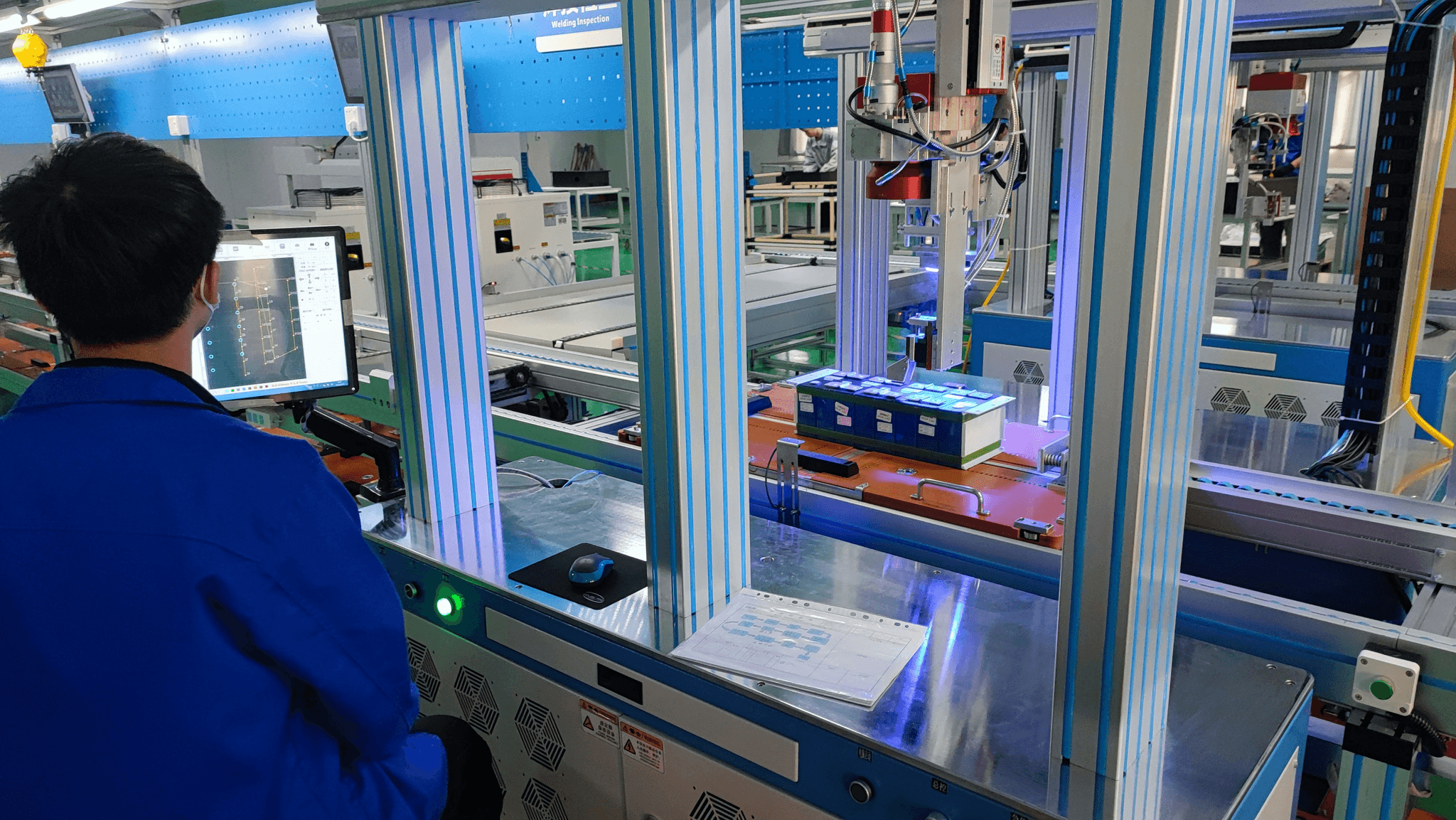
In the bustling world of coffee production, ensuring the quality and safety of coffee machines is paramount. Coffee Machine Inspection plays a crucial role in maintaining high standards that not only enhance performance but also safeguard consumer health. With an ever-growing demand for excellence in coffee, understanding the nuances of Coffee Machine Safety Standards, Food Protection and Sanitation Standards, and Performance Standards has never been more important.
Understanding Coffee Machine Quality Control
Quality control in coffee machines encompasses a range of practices aimed at ensuring that each unit operates efficiently and safely. This involves adhering to established Coffee Machine Safety Standards that dictate how machines should be built and maintained to prevent hazards. Furthermore, effective quality control ensures compliance with Food Protection and Sanitation Standards, which are vital for keeping consumers safe from contamination.
The Importance of Inspections in Coffee Production
Regular inspections are essential in the coffee production process as they help identify potential issues before they escalate into significant problems. Through thorough Coffee Machine Inspection processes, manufacturers can ensure that their products meet rigorous Performance Standards while also adhering to safety regulations. These inspections not only protect the integrity of the coffee produced but also instill confidence in consumers who expect nothing less than perfection from their favorite brews.
Key Players in Coffee Machine Quality Standards
The landscape of coffee machine quality standards is shaped by several key players who set benchmarks for safety and performance. Organizations like ISO (International Organization for Standardization) establish global standards that influence how manufacturers approach Coffee Machine Inspection protocols. Additionally, local regulatory bodies enforce compliance with Food Protection and Sanitation Standards, ensuring that every cup served meets stringent health guidelines.
Overview of Coffee Machine Inspection
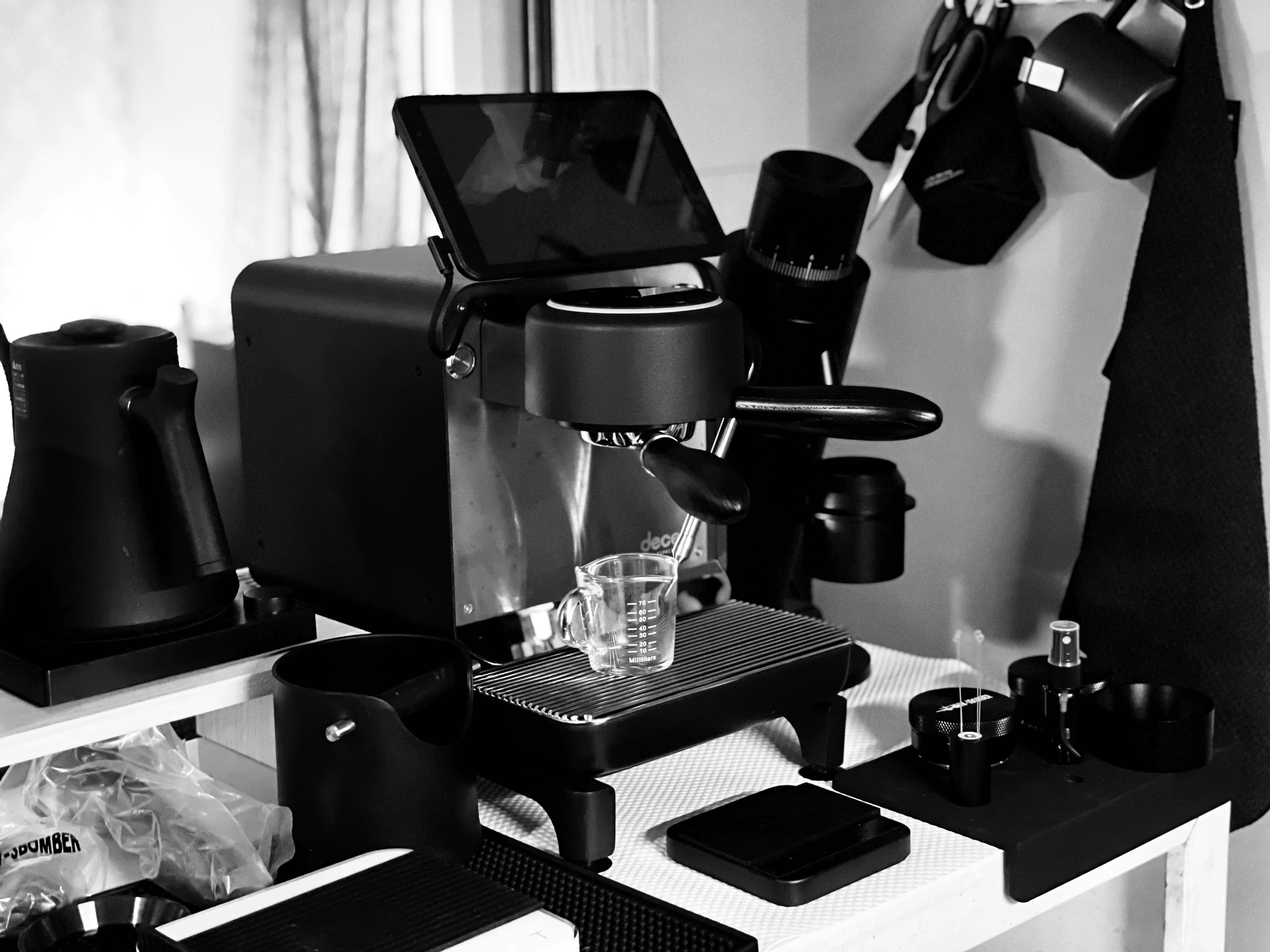
Coffee machine inspection is a critical process that ensures the safety, performance, and quality of machines used in coffee production. Regular inspections help identify potential issues before they escalate, maintaining compliance with Coffee Machine Safety Standards and ensuring optimal operation. By adhering to established standards, manufacturers can guarantee that their products meet consumer expectations and industry regulations.
Purpose of Regular Inspections
The primary purpose of regular inspections is to safeguard the integrity of coffee machines throughout their lifecycle. These inspections play a vital role in verifying adherence to Coffee Machine Food Protection and Sanitation Standards, which are essential for maintaining hygiene in coffee production environments. Furthermore, consistent evaluations help detect mechanical or electrical failures early on, preventing costly downtime and enhancing overall performance.
Regular inspections also foster trust between manufacturers and consumers by providing assurance that products meet established Coffee Machine Performance Standards. This accountability not only boosts customer confidence but also encourages manufacturers to commit to continuous improvement practices. Ultimately, the goal is to create a reliable product that consistently delivers quality coffee while adhering to safety regulations.
Stages of the Inspection Process
The inspection process typically unfolds in several stages to ensure comprehensive evaluation of coffee machines. Initially, a visual assessment is conducted to identify any obvious defects or signs of wear that could affect performance or safety. Following this preliminary check, functional testing is performed to evaluate each machine’s operational capabilities against set benchmarks defined by Coffee Machine Performance Standards.
Next comes an assessment for compliance with both Coffee Machine Safety Standards and Food Protection and Sanitation Standards; this includes checking electrical components for hazards and ensuring cleanliness throughout the machine's surfaces. Documentation plays a crucial role at each stage; inspectors must meticulously record findings for future reference and traceability purposes. By following these structured stages, manufacturers can ensure thorough evaluations that contribute significantly to product quality.
Key Metrics for Evaluation
When it comes to evaluating coffee machines during inspections, several key metrics come into play that reflect their overall quality and functionality. Performance metrics such as brewing time consistency, temperature accuracy, and extraction efficiency are essential indicators of how well a machine operates compared to industry standards. Additionally, compliance with safety metrics ensures that all electrical components are functioning correctly without posing hazards during operation.
Another important aspect involves assessing sanitation levels within the machine; this includes checking for residue buildup or areas prone to contamination according to Coffee Machine Food Protection and Sanitation Standards. Lastly, reliability metrics gauge how often machines require maintenance or repairs—an important factor in determining long-term viability in commercial settings where uptime is critical for business success. By focusing on these key metrics during inspections, manufacturers can uphold high-quality standards while meeting customer expectations effectively.
Industry Standards for Coffee Machines
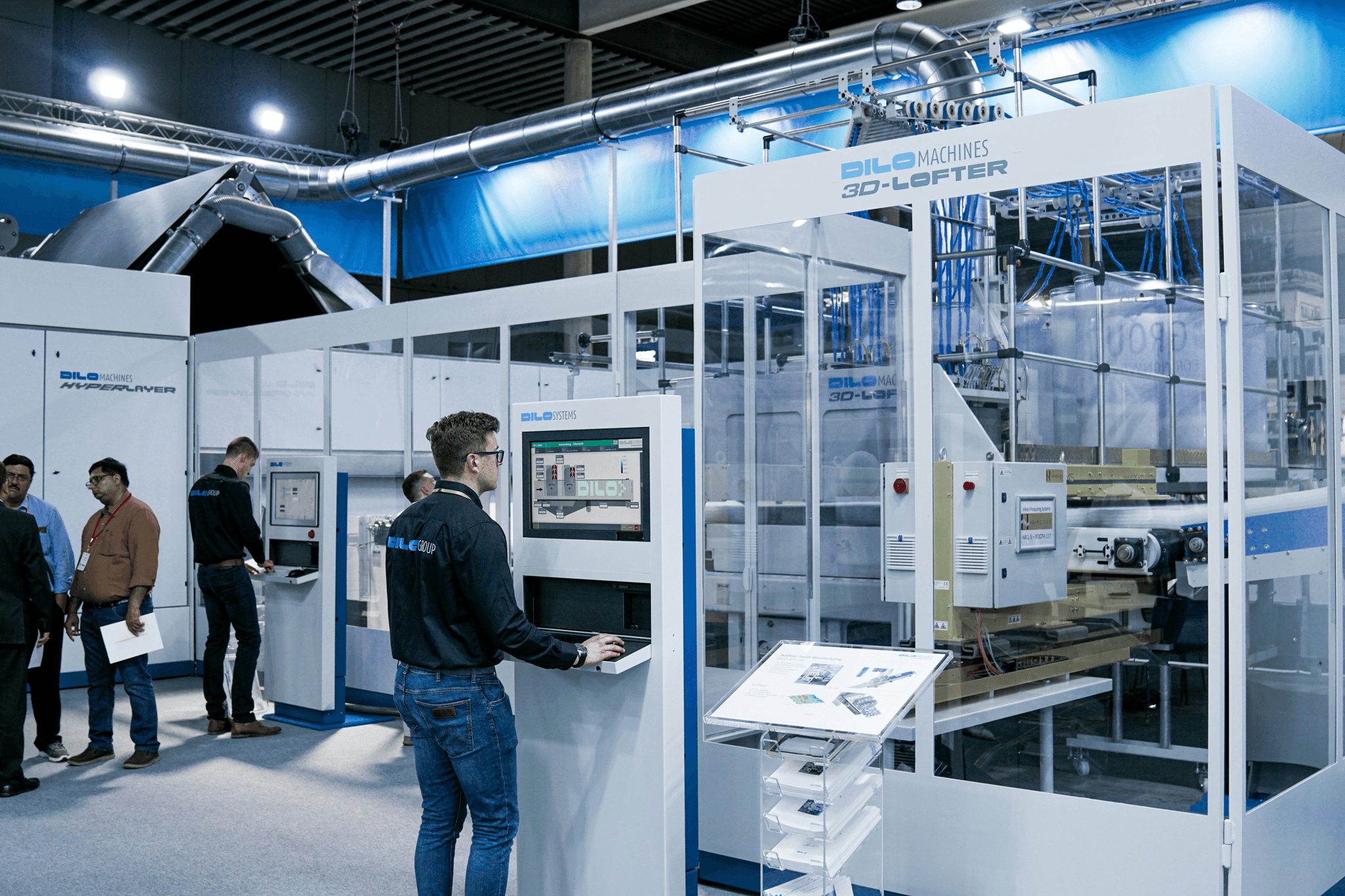
Navigating the world of coffee machine inspections means understanding the myriad of industry standards that govern safety, performance, and quality. These standards not only ensure that coffee machines are safe for consumer use but also guarantee that they deliver consistently high-quality beverages. In this section, we will explore the critical industry standards that every coffee machine manufacturer should be aware of to remain compliant and competitive.
ISO Standards and Compliance
ISO (International Organization for Standardization) standards play a pivotal role in ensuring quality control across various industries, including coffee machines. Compliance with ISO standards ensures that manufacturers meet global benchmarks for quality management, which is essential for maintaining consistency in performance and safety during coffee machine inspections. By adhering to these standards, manufacturers can enhance their credibility while ensuring their products meet stringent Coffee Machine Safety Standards.
These ISO guidelines cover everything from product design to manufacturing processes and customer satisfaction metrics. For instance, ISO 9001 focuses on quality management systems, while ISO 22000 emphasizes food safety management—both crucial when considering Coffee Machine Food Protection and Sanitation Standards. By aligning with these international norms, manufacturers can assure customers that their machines not only perform well but are also safe for food preparation.
CE Marking and Safety Regulations
CE marking indicates a product's compliance with European health, safety, and environmental protection legislation—a must-have for any coffee machine sold within the European Economic Area (EEA). This marking signifies that the manufacturer has verified their products against specific Coffee Machine Safety Standards to ensure they pose no risk to users or consumers. Regular inspections help verify compliance with CE requirements by assessing both electrical components and overall machine functionality.
In addition to CE marking, manufacturers must also adhere to other regulatory frameworks like RoHS (Restriction of Hazardous Substances), which limits harmful materials in electronic equipment—essential for maintaining a safe environment during coffee preparation. Regularly scheduled inspections can help identify potential violations before they become costly liabilities or lead to unsafe operating conditions. Ultimately, understanding these regulations is key to ensuring that your coffee machines pass all necessary inspections without a hitch.
The Role of ANSI and UL Standards
The American National Standards Institute (ANSI) plays an essential role in developing consensus-based standards across various sectors—including appliances like coffee machines—and works closely with organizations such as Underwriters Laboratories (UL). ANSI/UL standards focus on ensuring product safety through rigorous testing protocols that evaluate electrical hazards associated with appliances used in food preparation settings like cafes or restaurants where consistent quality matters.
By meeting ANSI/UL requirements during the inspection process, manufacturers can significantly reduce risks related to electrical failures or malfunctions—issues often found during routine Coffee Machine Inspections. Furthermore, adherence to these standards ensures compliance with local regulations while enhancing consumer confidence in product reliability and performance consistency according to established Coffee Machine Performance Standards.
In summary, understanding industry-specific standards such as ISO compliance, CE marking regulations, and ANSI/UL guidelines is vital for any manufacturer aiming to produce high-quality coffee machines. These benchmarks not only facilitate smoother inspection processes but also enhance product credibility among consumers who demand both safety and exceptional brewing performance from their equipment.
Quality Control Techniques in Coffee Machines
Quality control techniques are essential for ensuring that coffee machines meet the rigorous standards set forth in the industry. These methods not only help maintain consistency in performance but also ensure compliance with Coffee Machine Safety Standards and Food Protection and Sanitation Standards. By employing robust quality control measures, manufacturers can enhance customer satisfaction and safeguard their brand reputation.
Visual Inspections and Functional Testing
Visual inspections are the first line of defense in Coffee Machine Inspection, allowing technicians to catch potential issues before they escalate into costly problems. During these inspections, components such as seals, gaskets, and electrical connections are closely examined for wear or damage that could compromise performance or safety. Functional testing further evaluates how well the machine operates under real-world conditions, ensuring it meets established Coffee Machine Performance Standards.
These tests often involve running various brewing cycles to assess temperature consistency, extraction times, and overall product quality. Any discrepancies noted during visual inspections or functional testing can lead to immediate corrective actions, which is crucial for maintaining compliance with both safety standards and sanitation protocols. Ultimately, this proactive approach helps prevent mechanical failures that could disrupt a café's operations.
Utilizing China Inspection Pro's Expertise
When it comes to executing thorough Coffee Machine Inspections, partnering with experts like China Inspection Pro can make a world of difference. Their extensive experience in navigating international safety regulations ensures that every machine adheres strictly to Coffee Machine Safety Standards while also meeting Food Protection and Sanitation Standards. This partnership not only enhances the quality assurance process but also provides manufacturers with peace of mind knowing their products are compliant.
China Inspection Pro employs a team of skilled inspectors who utilize advanced methodologies for evaluating coffee machines at every production stage—from assembly to final testing. Their expertise extends beyond basic inspections; they offer insights into potential improvements based on industry trends and evolving standards. By leveraging such specialized knowledge, manufacturers can refine their processes while achieving higher levels of efficiency and reliability in their products.
Statistical Quality Control Methods
Statistical Quality Control (SQC) methods play a pivotal role in ensuring that coffee machines consistently meet established performance benchmarks over time. By collecting data on various aspects of production—such as defect rates or operational efficiency—manufacturers can identify trends that indicate whether their machines comply with Coffee Machine Performance Standards effectively. This data-driven approach allows for timely adjustments to be made before minor issues evolve into major setbacks.
Implementing SQC techniques enables manufacturers not only to track their adherence to Coffee Machine Safety Standards but also fosters a culture of continuous improvement within the organization. Regular analysis helps pinpoint areas where enhancements can be made, whether it's improving manufacturing processes or addressing specific mechanical failures identified during inspections. Furthermore, statistical methods provide concrete evidence when reviewing compliance with Food Protection and Sanitation Standards—an invaluable asset when facing regulatory audits.
Common Issues Found During Inspections
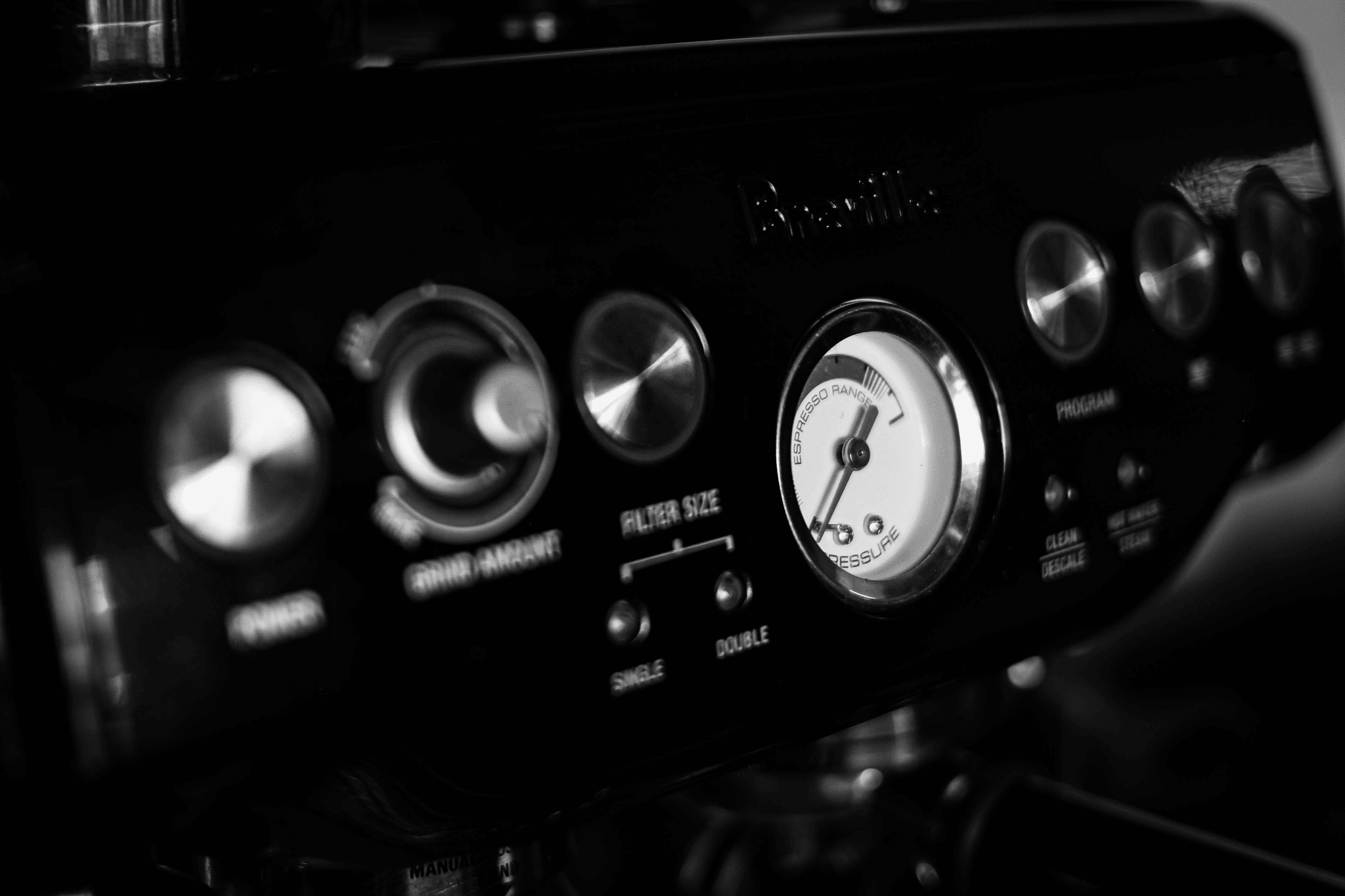
When it comes to Coffee Machine Inspection, several common issues can arise that may compromise the machine's functionality and safety. These problems can range from mechanical failures to electrical hazards, ultimately affecting the overall quality of coffee produced. Addressing these issues promptly during inspections is crucial for maintaining compliance with Coffee Machine Safety Standards and ensuring customer satisfaction.
Mechanical Failures and Performance Issues
Mechanical failures are often at the forefront of concerns during a Coffee Machine Inspection. Components such as pumps, valves, and heating elements can wear out over time or become obstructed due to mineral buildup or improper use. Regular inspections help identify these performance issues early on, allowing for necessary repairs or replacements before they lead to a complete breakdown.
Performance standards for coffee machines dictate that they should consistently deliver optimal brewing temperatures and extraction times, which are essential for producing high-quality coffee. When mechanical failures occur, not only does this impact the efficiency of the machine, but it can also lead to inconsistent flavor profiles in the brewed coffee. Adhering to established Coffee Machine Performance Standards ensures that any potential mechanical issues are quickly addressed, keeping your machines in top shape.
Electrical Safety Hazards
Electrical safety hazards are another significant concern that arises during Coffee Machine Inspections. Faulty wiring or damaged components can pose serious risks not just to the equipment but also to users if left unchecked. Compliance with Coffee Machine Safety Standards is essential in mitigating these risks; thus, inspections must include thorough checks of all electrical systems.
In addition to protecting personnel from electric shocks or fires, addressing electrical safety hazards ensures that machines operate efficiently without interruption. Any signs of wear or damage should be flagged immediately during inspections so that repairs can be made before they escalate into more severe problems. By prioritizing electrical safety during Coffee Machine Inspection processes, manufacturers protect both their employees and customers alike.
Ensuring Consistent Coffee Quality
Ensuring consistent coffee quality is paramount in any coffee production setting and is often scrutinized during a thorough inspection process. Factors such as water temperature and pressure play critical roles in achieving desired flavor profiles; thus, even minor deviations can result in subpar brews. Regular inspections help maintain adherence to established Coffee Machine Food Protection and Sanitation Standards by ensuring all components function correctly.
Moreover, consistent quality isn't just about taste; it's also about maintaining brand reputation and customer loyalty in a competitive market. Inspectors must evaluate every aspect of machine operation—from grind size adjustments to brew times—to uphold these standards effectively. By focusing on delivering exceptional quality through rigorous inspection practices, manufacturers can ensure their machines meet both consumer expectations and industry benchmarks.
Best Practices for Coffee Machine Manufacturers
In the competitive world of coffee machine production, manufacturers must adopt best practices that ensure quality and compliance with industry standards. This not only enhances brand reputation but also guarantees customer satisfaction. By focusing on implementing robust quality management systems, continuous training for inspection teams, and diligent documentation practices, manufacturers can significantly improve their operations.
Implementing Quality Management Systems
A robust Quality Management System (QMS) is essential for maintaining high standards in coffee machine inspection and production. This system should align with Coffee Machine Safety Standards and incorporate processes that ensure every aspect of manufacturing meets regulatory requirements. By integrating performance metrics into the QMS, manufacturers can continuously monitor their output against Coffee Machine Performance Standards to identify areas needing improvement.
Moreover, a well-structured QMS helps streamline operations, reduce waste, and enhance product consistency—crucial factors in ensuring compliance with Coffee Machine Food Protection and Sanitation Standards. Regular audits of the QMS will help identify gaps in processes or training that could lead to compliance issues down the line. Ultimately, a strong QMS not only safeguards product quality but also fortifies customer trust in the brand.
Continuous Training for Inspection Teams
Investing in continuous training programs for inspection teams is vital to uphold high standards in coffee machine inspections. These teams must be well-versed in both current regulations surrounding Coffee Machine Safety Standards and emerging trends within the industry to effectively spot potential issues during inspections. Ongoing education ensures they are equipped with the latest knowledge on Coffee Machine Food Protection and Sanitation Standards as well as technological advancements relevant to coffee machines.
Training sessions should include practical workshops where inspectors can hone their skills through real-world scenarios involving common mechanical failures or electrical safety hazards found during inspections. Additionally, fostering a culture of learning encourages team members to share insights from inspections—this collective knowledge can lead to innovative solutions that enhance overall performance against established Coffee Machine Performance Standards.
Documentation and Traceability in Quality Control
Effective documentation is a cornerstone of quality control in coffee machine manufacturing; it ensures traceability throughout every stage of production and inspection processes. Maintaining detailed records related to each phase of coffee machine inspection allows manufacturers to quickly address any discrepancies or non-compliance issues regarding Coffee Machine Safety Standards or Food Protection and Sanitation Standards when they arise.
Documentation should encompass everything from initial design specifications through final inspections; this creates a comprehensive history that can be invaluable during audits or investigations into product recalls if necessary. Furthermore, establishing clear traceability protocols helps build confidence among consumers regarding product safety while also reinforcing adherence to Coffee Machine Performance Standards across all manufacturing stages.
In conclusion, by implementing effective quality management systems, investing in continuous training for inspection teams, and ensuring thorough documentation practices are followed diligently, coffee machine manufacturers can significantly enhance their operational efficiency while complying with essential safety standards.
Conclusion
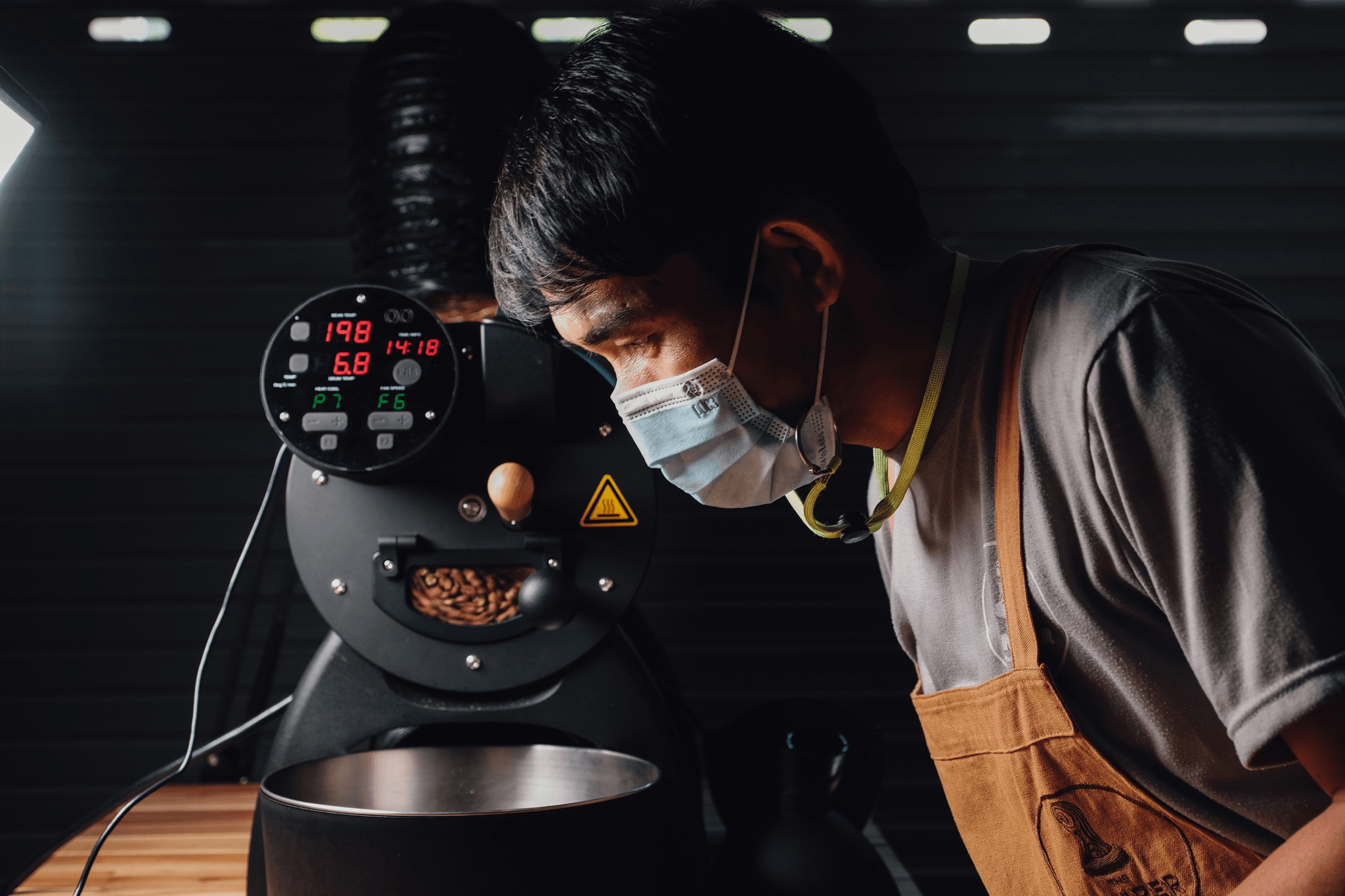
In the ever-evolving landscape of coffee machine production, the significance of thorough Coffee Machine Inspection cannot be overstated. As the industry adapts to new technologies and consumer preferences, inspections must evolve to ensure that safety standards, performance metrics, and sanitation protocols are consistently met. The future will undoubtedly see a greater emphasis on integrating advanced technologies into inspection processes to enhance overall quality and efficiency.
The Future of Coffee Machine Inspections
The future of Coffee Machine Inspection will likely be shaped by innovations such as automation and artificial intelligence. These advancements can streamline the inspection process, allowing for quicker assessments while maintaining rigorous adherence to Coffee Machine Safety Standards. Moreover, predictive maintenance technologies could foresee potential failures before they occur, ensuring that machines operate at peak performance levels.
As sustainability becomes a focal point in manufacturing practices, adherence to Coffee Machine Food Protection and Sanitation Standards will also gain prominence. The push for eco-friendly materials and processes means inspections will need to verify compliance with both environmental regulations and food safety guidelines. This dual focus not only enhances product quality but also builds consumer trust in brands committed to responsible practices.
Enhancing Quality Through Continuous Improvement
Continuous improvement is key in any manufacturing sector, including coffee machines where quality control is paramount. Regularly revisiting Coffee Machine Performance Standards can help manufacturers identify areas for enhancement while fostering a culture of excellence within their teams. By utilizing feedback from inspections as a foundation for ongoing training and development, companies can ensure their staff remains well-versed in current best practices.
Moreover, integrating customer feedback into the quality control process allows manufacturers to refine their products based on real-world usage scenarios. This iterative approach ensures that each new model not only meets established standards but also exceeds customer expectations regarding functionality and reliability. Ultimately, continuous improvement leads to higher satisfaction rates among consumers who demand nothing less than exceptional coffee experiences.
Partnering with Experts for Best Results
To navigate the complexities of modern coffee machine production effectively, partnering with experts in Coffee Machine Inspection is invaluable. Collaborating with specialized firms ensures adherence to stringent safety standards while providing insights into emerging trends affecting the industry landscape. Such partnerships can also facilitate access to advanced testing methodologies that enhance product reliability.
Furthermore, leveraging expert knowledge allows manufacturers to stay ahead of compliance requirements related to Coffee Machine Safety Standards and Food Protection Regulations in various markets worldwide. This proactive approach not only mitigates risks but also positions brands favorably within competitive marketplaces where consumers prioritize quality assurance above all else. In essence, forging strategic alliances with inspection experts paves the way for sustained success in an increasingly demanding environment.