
Introduction
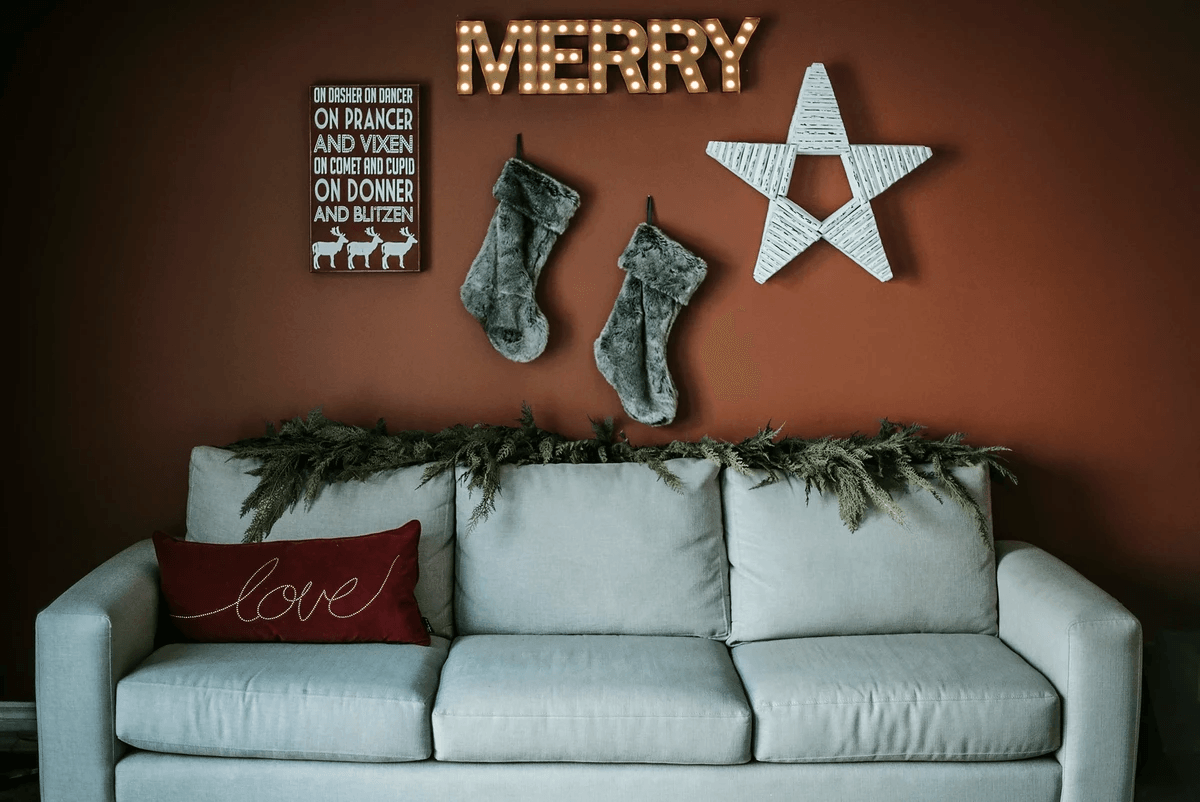
The festive season brings joy, warmth, and a dazzling array of decorations that transform homes into winter wonderlands. However, amidst the twinkling lights and cheerful ornaments lies an essential aspect often overlooked: Holiday Decoration Safety Standards. Understanding these standards is crucial for ensuring that the decorations we adore are not only beautiful but also safe for consumers.
Understanding Holiday Decoration Safety Standards
Holiday Decoration Safety Standards encompass a range of regulations designed to protect consumers from potential hazards associated with holiday decor items. These standards cover various product categories, including Fabrics and Textiles, Lighting Products, and Furniture used during the holidays. By adhering to these guidelines, manufacturers and importers can significantly reduce risks related to fire hazards or toxic materials.
Importance of Compliance for U.S. Importers
For U.S. importers, compliance with Holiday Decoration Safety Standards is not just a legal obligation; it’s a gateway to market success. Non-compliance can lead to costly recalls, damage to brand reputation, and even legal repercussions that could jeopardize business operations. By ensuring their products meet safety standards, importers can build consumer trust and enhance their market competitiveness.
Overview of Key Product Categories
When it comes to holiday decorations, several key product categories demand attention regarding safety compliance: Fabrics and Textiles used in decorative items need stringent flammability testing; Lighting Products must adhere to electrical safety regulations; and Furniture should be constructed from non-toxic materials while meeting stability standards. Each category presents unique challenges but also opportunities for innovation in design without compromising on safety protocols.
Overview of Holiday Decoration Safety Standards
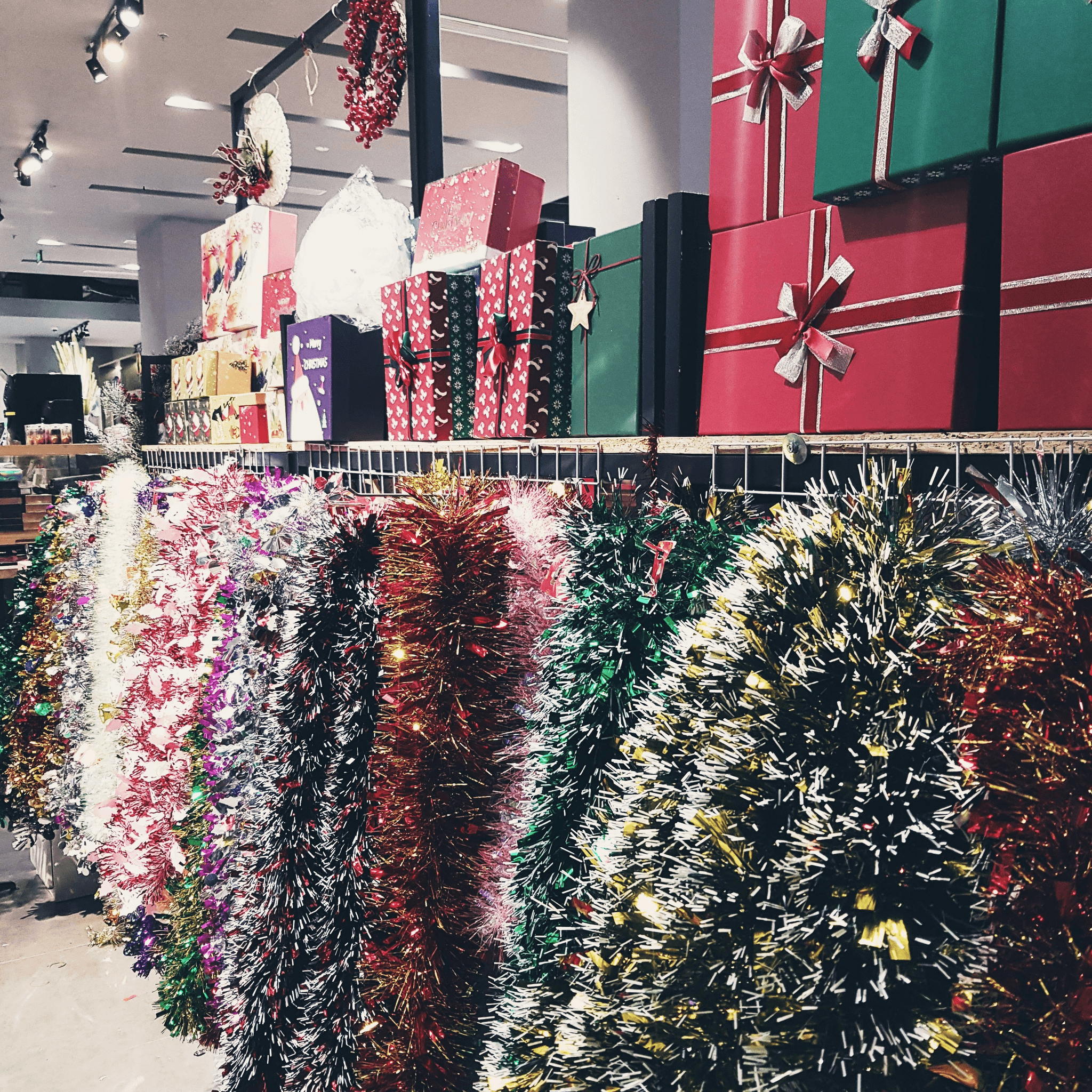
The myriad of regulations and standards ensures that consumers can enjoy their festive décor without worrying about potential hazards. Understanding these Holiday Decoration Safety Standards is crucial for importers looking to navigate the complex landscape of compliance and market access.
Federal Regulations and Guidelines
In the United States, federal regulations govern the safety of holiday decorations, particularly focusing on products like lighting products, fabrics and textiles, and furniture. The Consumer Product Safety Commission (CPSC) sets forth guidelines that address flammability, electrical safety, and toxic substances in materials used for holiday decor. Importers must familiarize themselves with these regulations to ensure their products meet necessary safety requirements before they hit store shelves.
Industry Standards from ASTM International
Beyond federal mandates, industry standards established by ASTM International play a pivotal role in defining acceptable practices for holiday decoration safety. These standards cover a variety of product categories including fabrics and textiles that must pass specific flammability tests as well as lighting products that need to adhere to strict electrical safety protocols. By aligning with ASTM standards, importers not only enhance product quality but also build trust with consumers who expect safe holiday decorations.
Importance of Compliance for Market Access
Compliance with Holiday Decoration Safety Standards is not just about avoiding penalties; it's essential for gaining access to competitive markets. Retailers are increasingly demanding proof of compliance from suppliers before they will stock their shelves with any holiday decorations—be it vibrant lights or cozy textiles. Therefore, understanding and adhering to these standards can significantly impact an importer’s ability to thrive in today’s marketplace.
Fabrics and Textiles Safety Requirements
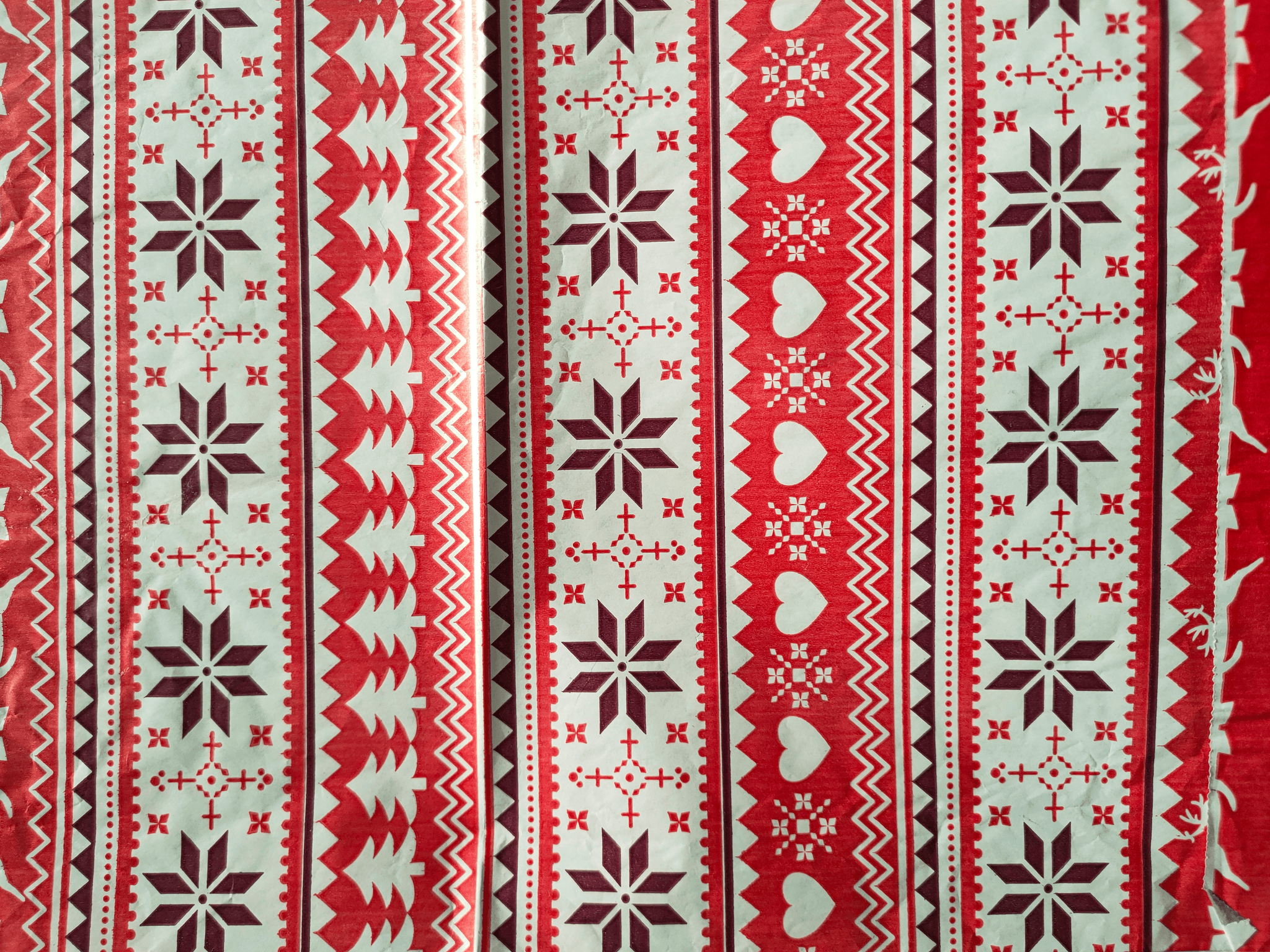
These materials often serve as the backdrop for festive cheer, but they must meet stringent Holiday Decoration Safety Standards to ensure consumer safety. Importers need to be well-versed in these requirements to avoid potential hazards and legal issues.
Flammability Standards for Textiles
Flammability standards for textiles are crucial when considering their use in holiday decorations. The Consumer Product Safety Commission (CPSC) mandates that certain fabrics must pass specific tests to resist ignition and slow down fire spread. Compliance with these flammability standards not only protects consumers but also enhances the reputation of brands in the competitive market of holiday decoration safety.
Chemical Safety and Hazardous Materials
Chemical safety is another critical aspect of fabrics and textiles used in holiday decorations. Many textiles may contain hazardous materials, which can pose serious health risks if not properly regulated. Importers must ensure that all fabrics comply with guidelines concerning chemical exposure, such as lead content or phthalates, thereby aligning with Holiday Decoration Safety Standards while safeguarding consumer health.
Testing Procedures for Fabric Quality
Testing procedures for fabric quality play a vital role in ensuring compliance with Holiday Decoration Safety Standards. Rigorous testing helps verify that textiles are durable, safe, and free from harmful substances while also meeting aesthetic expectations for holiday decor. By adhering to these testing protocols, importers can confidently offer products that not only look good but are safe for consumers' homes during the festive season.
Lighting Products Safety Compliance
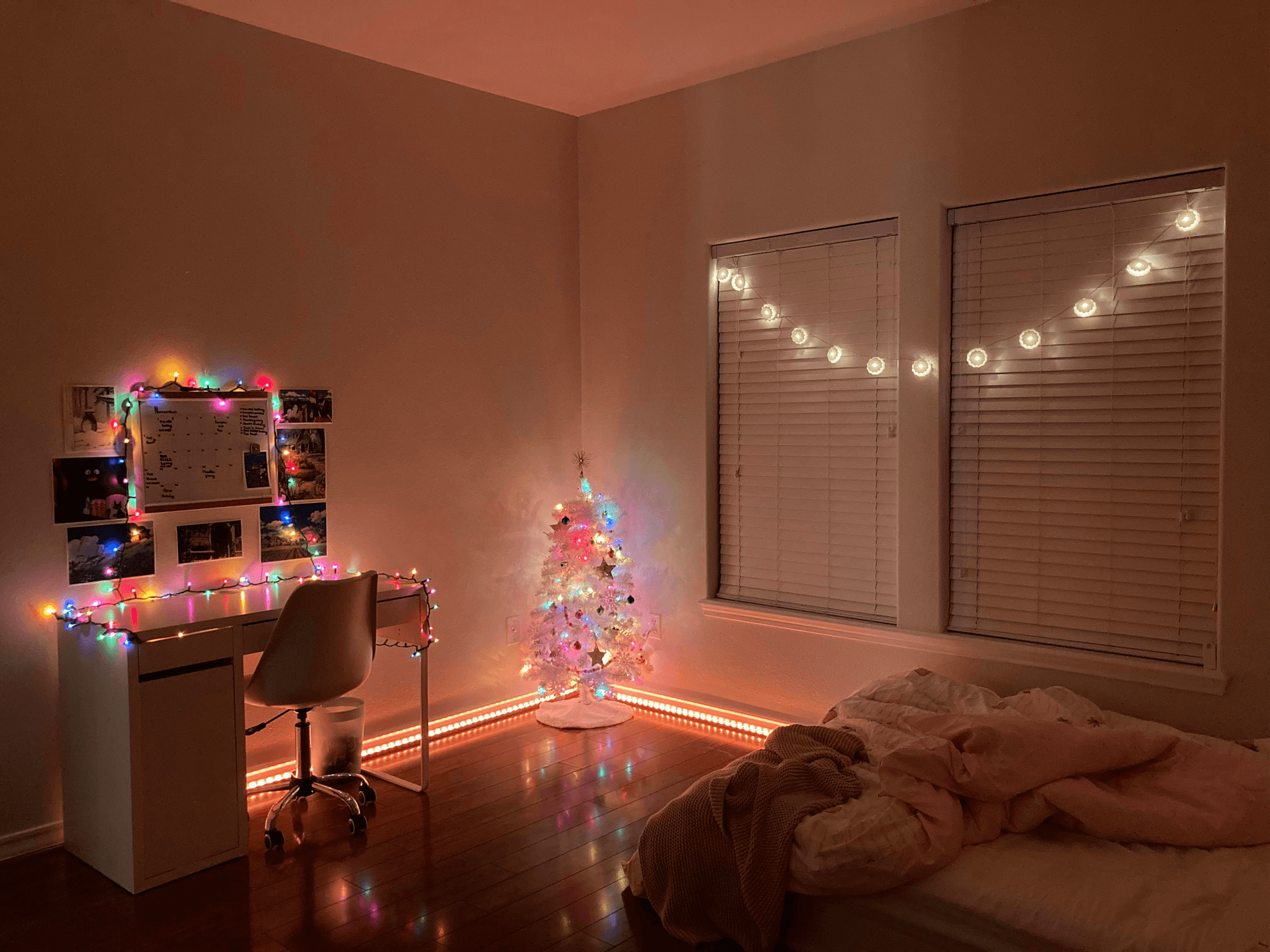
Electrical Safety Standards for Holiday Lights
Electrical safety standards are the backbone of safe holiday lighting products. These guidelines ensure that all lighting products are designed to handle electrical loads without posing a risk to users or properties. Compliance with these standards not only protects consumers but also enhances the reputation of businesses in the holiday decoration market.
Manufacturers must adhere to specific voltage ratings and insulation requirements to prevent hazards like short circuits or electrocution. By following established Holiday Decoration Safety Standards, importers can ensure their lighting products are reliable and safe for consumer use. Ultimately, this commitment to quality can lead to increased customer trust and loyalty during the bustling holiday season.
Risks of Overheating and Fire Hazards
One of the most pressing concerns with holiday lights is the risk of overheating and potential fire hazards. Poorly designed or manufactured lighting products can generate excessive heat, leading to dangerous situations if left unattended. Understanding these risks is essential for both manufacturers and consumers who want their festive displays to remain safe throughout the season.
To mitigate these dangers, it’s vital that all lighting products undergo rigorous testing for overheating scenarios as part of their compliance with Holiday Decoration Safety Standards. This includes evaluating wiring integrity, bulb temperature thresholds, and overall product durability under extended use conditions. By prioritizing safety in design and manufacturing processes, companies can significantly reduce fire risks associated with their lighting offerings.
Certification Processes for Lighting Products
Navigating certification processes can feel like a maze for importers dealing in holiday decorations—especially when it comes to lighting products! Certification ensures that items meet established safety standards before they reach consumers’ hands, providing an essential layer of protection against faulty goods entering the market. Various organizations oversee this process, including Underwriters Laboratories (UL) and other recognized testing bodies.
The certification journey typically involves pre-market testing followed by regular inspections once a product is on shelves; this guarantees ongoing compliance with relevant Holiday Decoration Safety Standards over time. Importers should prioritize working with certified manufacturers who understand these processes well—this not only streamlines compliance but also enhances brand credibility in a competitive landscape filled with fabrics and textiles as well as furniture options for holiday decor enthusiasts.
In conclusion, ensuring that lighting products comply with electrical safety standards is non-negotiable during the festive season—after all, no one wants their twinkling lights turning into unexpected hazards! By understanding risks associated with overheating and embracing robust certification processes, businesses can navigate this complex field effectively while keeping consumer safety at heart.
Furniture Safety Standards in Holiday Decorations

Stability and Durability Standards
Stability and durability are paramount when it comes to holiday furniture, especially items that may support decorations or endure heavy use during festivities. Furniture must withstand various loads and resist tipping over, particularly in households with children or pets who may be drawn to shiny ornaments or precariously placed decorations. Compliance with stability standards not only ensures safety but also enhances the longevity of the products, making them a worthwhile investment for consumers.
Moreover, rigorous testing for durability helps ensure that holiday furniture can handle the hustle and bustle of seasonal gatherings without succumbing to wear and tear. Importers should be aware that meeting these stability standards is not just about adhering to regulations; it's about providing peace of mind for customers who want their celebrations free from accidents caused by unstable furniture. Ultimately, robust stability measures contribute significantly to overall Holiday Decoration Safety Standards.
Use of Non-Toxic Materials
In an era where health consciousness is on the rise, using non-toxic materials in holiday furniture has become a non-negotiable aspect of compliance with safety standards. Many traditional materials might emit harmful substances or contain toxic chemicals that could pose risks during festive events—especially when food is involved or when children are present. Importers must prioritize sourcing materials that meet stringent safety regulations while also appealing to eco-conscious consumers.
Non-toxic materials not only align with Holiday Decoration Safety Standards but also enhance the aesthetic appeal of furniture by offering a range of finishes and textures without compromising safety. Moreover, educating customers on the benefits of choosing non-toxic options can foster brand loyalty as they feel more secure in their purchasing decisions during the bustling holiday season. Therefore, ensuring all components are free from hazardous substances is essential for both compliance and consumer satisfaction.
Labeling and Consumer Safety Information
Labels should provide essential information regarding material composition, care instructions, and any relevant safety certifications achieved through compliance with established guidelines like those set forth by ASTM International or other governing bodies related to Holiday Decoration Safety Standards.
In addition to material details, labels should highlight any specific features that enhance safety—such as fire resistance or child-safe designs—to build consumer confidence in their purchases. By ensuring that labeling meets regulatory requirements while being user-friendly, importers can effectively communicate their commitment to quality and safety within the realm of holiday decorations—particularly important for items like furniture which often bear significant weight both literally and figuratively during festive gatherings.
The attention paid by importers towards these aspects not only fulfills legal obligations but also builds trust among consumers who are increasingly vigilant about product safety during holidays filled with joy—and potential hazards if proper precautions aren't taken!
The Role of Quality Inspection Services
In the world of holiday decorations, ensuring compliance with safety standards is paramount. Quality inspection services play a crucial role in this process, serving as the bridge between manufacturers and importers. By meticulously assessing products like fabrics and textiles, lighting products, and furniture, these services help safeguard consumers while enhancing business credibility.
How China Inspection Pro Ensures Compliance
China Inspection Pro specializes in navigating the intricate landscape of Holiday Decoration Safety Standards. They conduct thorough inspections that encompass various product categories including fabrics and textiles, lighting products, and furniture to ensure compliance with both federal regulations and industry standards. Their expertise helps importers avoid costly mistakes by identifying potential hazards before products reach the market.
Benefits of Professional Quality Inspection
Engaging professional quality inspection services offers numerous advantages for businesses involved in holiday decorations. First off, it not only guarantees adherence to safety standards but also boosts consumer confidence in brands that prioritize safety through rigorous testing—especially for items like fabrics and textiles that may be flammable or contain harmful chemicals. Moreover, these inspections can streamline the importing process by minimizing delays caused by non-compliance issues.
Navigating Complex Regulations with Expert Help
The maze of regulations surrounding holiday decoration safety can be daunting for many importers; however, expert help simplifies this complexity significantly. With a solid grasp of Holiday Decoration Safety Standards and an eye on specifics such as electrical safety for lighting products or stability requirements for furniture, professionals guide businesses through every step of compliance. This support not only ensures that all aspects are covered but also allows companies to focus on what they do best—creating festive experiences.
Conclusion

In wrapping up our exploration of Holiday Decoration Safety Standards, it’s clear that understanding and adhering to these regulations is crucial for anyone involved in the importation of festive products. From the flammability requirements for Fabrics and Textiles to the electrical safety protocols for Lighting Products, compliance ensures that holiday cheer does not come at the expense of consumer safety. Additionally, furniture used in holiday displays must meet specific durability and non-toxic material standards to guarantee a safe and enjoyable experience for all.
Recap of Holiday Decoration Safety Standards
To recap, Holiday Decoration Safety Standards encompass a broad spectrum of regulations aimed at ensuring consumer safety during the festive season. Key areas include rigorous flammability standards for Fabrics and Textiles, stringent electrical safety measures for Lighting Products, and robust stability requirements for Furniture used in decorations. Compliance with these standards not only protects consumers but also enhances market access and brand reputation.
The Impact of Compliance on Business Success
Compliance with Holiday Decoration Safety Standards can significantly influence business success by fostering consumer trust and loyalty. When businesses prioritize adherence to regulations regarding Fabrics and Textiles, Lighting Products, and Furniture, they position themselves as responsible entities committed to quality and safety. This dedication can lead to increased sales, reduced liability risks, and ultimately a stronger bottom line during the bustling holiday season.
Future Trends in Safety Standards and Importing
Looking ahead, we can anticipate evolving trends in Holiday Decoration Safety Standards driven by consumer demand for safer products. Innovations in sustainable materials may redefine how Fabrics and Textiles are manufactured while advancements in technology could improve the safety features of Lighting Products. Moreover, as global awareness about environmental impacts grows, we may see stricter regulations surrounding Furniture materials that align with eco-friendly practices—ensuring that holiday celebrations remain joyful yet safe.