
Introduction
In the world of manufacturing and quality assurance, AQL—or Acceptable Quality Level—plays a pivotal role in determining product quality and consistency. Understanding AQL in quality assurance not only helps manufacturers streamline their processes but also ensures that consumers receive products that meet their expectations. As we delve into the significance of AQL, we'll uncover its critical impact on consumer trust and satisfaction.
Understanding AQL in Quality Assurance
AQL is a statistical measure used to determine the maximum number of defective items considered acceptable in a sample batch during quality control processes. In essence, it serves as a benchmark for evaluating whether the overall quality of production meets predefined standards. By implementing AQL, businesses can effectively monitor their QA quality assurance efforts, ensuring that products delivered to market align with customer expectations.
Importance of AQL in Manufacturing
The importance of AQL in manufacturing cannot be overstated; it acts as a safeguard against subpar products entering the marketplace. By setting clear standards for acceptable defect rates, manufacturers can minimize waste and reduce costs associated with rework or returns. Moreover, maintaining an appropriate AQL level fosters efficient production processes while enhancing overall operational efficiency.
How AQL Impacts Consumer Trust
Consumer trust hinges on the perceived reliability and quality of products they purchase; this is where effective use of AQL comes into play. When manufacturers consistently meet or exceed acceptable quality levels, customers are more likely to develop loyalty towards brands that prioritize product integrity. Thus, employing robust AQL practices not only enhances product reliability but also strengthens the bond between businesses and consumers.
What is AQL?
Acceptable Quality Level, or AQL, serves as a critical benchmark in quality assurance (QA) practices across various industries. It represents the maximum number of defective items considered acceptable during random sampling inspections. By defining this threshold, businesses can maintain a balance between product quality and production efficiency, ultimately enhancing consumer trust.
Defining Acceptable Quality Level
At its core, AQL is a statistical measurement used to determine the quality of products in manufacturing and service industries. It quantifies the allowable number of defects in a batch of products during an inspection process, ensuring that only a specified percentage of items may fall below the desired quality standard. This concept not only aids in maintaining product integrity but also helps organizations manage costs effectively while adhering to QA quality assurance protocols.
Origins of AQL in Quality Control
The roots of AQL can be traced back to military procurement practices during World War II when there was an urgent need for standardized methods to assess product reliability and performance. Over time, these principles evolved into formalized systems used by manufacturers worldwide to ensure product consistency and reliability. Today, AQL has become synonymous with modern QA quality assurance methodologies across diverse sectors such as electronics, textiles, and food safety.
AQL in Various Industries
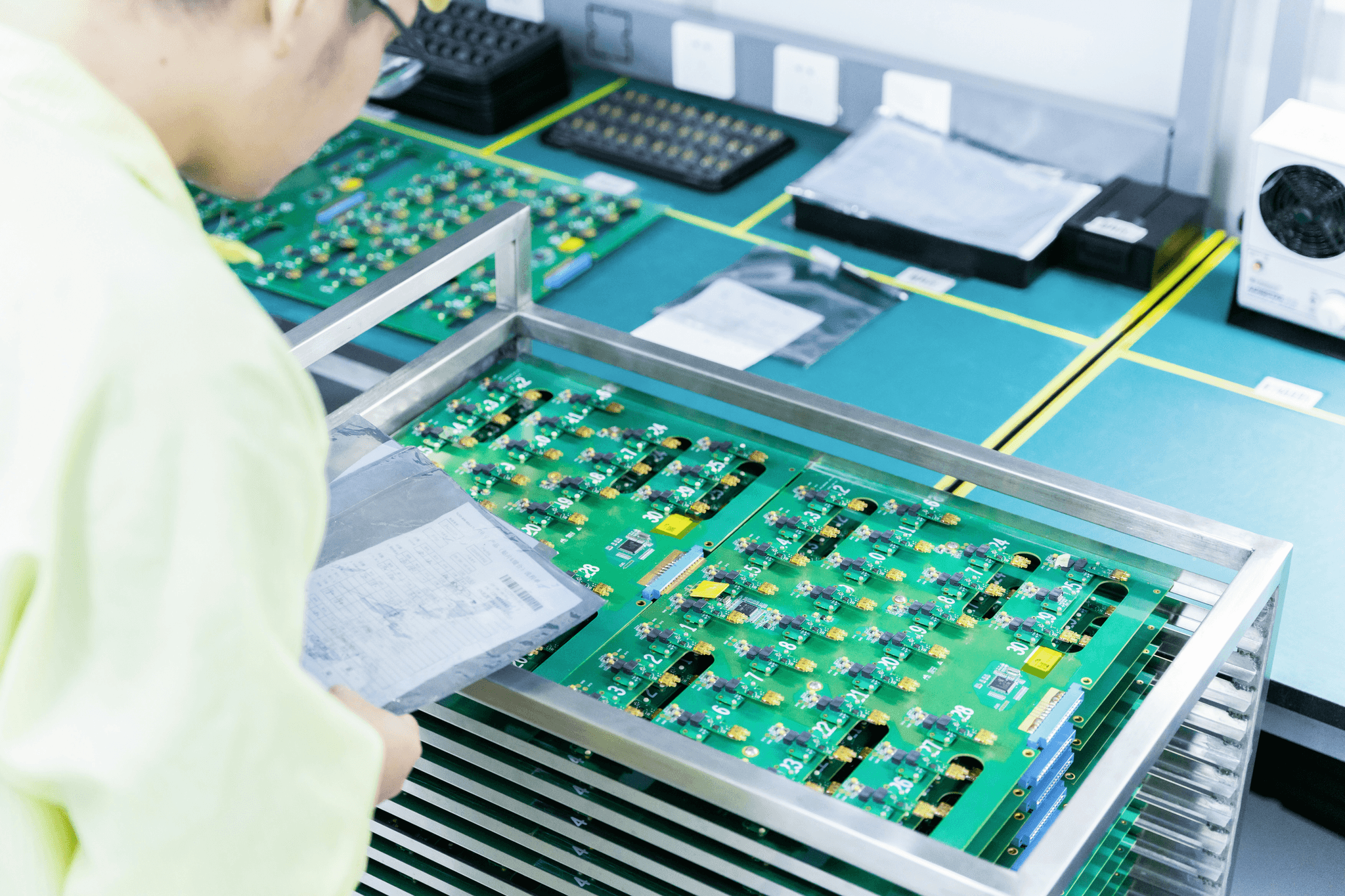
AQL examples abound in numerous industries where maintaining high-quality standards is paramount for success. In electronics manufacturing, for instance, companies often apply specific AQL standards to ensure that circuit boards function correctly without excessive defects that could lead to failure. Similarly, the food industry employs rigorous AQL inspections to guarantee that products meet safety regulations while minimizing waste—an essential practice given the potential health implications involved.
The Role of AQL in QA Quality Assurance
In the realm of QA quality assurance, AQL (Acceptable Quality Level) plays a pivotal role in maintaining product standards. By defining the maximum number of defective items permissible within a batch, AQL ensures that products consistently meet quality expectations. This consistency not only satisfies regulatory requirements but also strengthens brand reputation and customer loyalty.
Ensuring Consistent Product Quality
One of the primary advantages of implementing AQL in QA quality assurance is its ability to ensure consistent product quality across various manufacturing processes. When manufacturers adhere to established AQL standards, they can systematically identify and correct defects before products reach consumers. This proactive approach minimizes variations that could lead to customer dissatisfaction and reinforces the importance of quality control throughout production.
Moreover, consistent application of AQL helps businesses avoid costly recalls or returns due to subpar products. For instance, a well-defined set of AQL examples can guide inspectors in assessing whether a batch meets predetermined criteria effectively. Ultimately, this leads to enhanced operational efficiency and fosters a culture focused on continuous improvement.
AQL as a Tool for Risk Management
AQL serves as an invaluable tool for risk management within QA quality assurance frameworks by providing clear thresholds for acceptable defect levels. By establishing these thresholds, organizations can better anticipate potential issues that may arise during production or distribution phases. This foresight allows companies to implement corrective actions proactively rather than reactively addressing problems after they occur.
In addition, utilizing AQL reduces uncertainty in supply chain management by creating standardized benchmarks for evaluating suppliers' performance against industry norms. For example, when reviewing supplier compliance through specific AQL examples, businesses can make informed decisions about partnerships based on reliability and product integrity. Consequently, this risk mitigation strategy enhances overall operational resilience and drives long-term profitability.
Impact of AQL on Production Costs
The implementation of AQL has significant implications for production costs associated with QA quality assurance practices. While it may seem counterintuitive at first glance—after all, investing time and resources into setting up rigorous inspection protocols may appear expensive—adhering to effective AQL standards often results in cost savings over time. By reducing the frequency of defects and minimizing waste during production runs, companies can significantly lower their overall expenses related to rework or returns.
Furthermore, employing well-defined AQL examples enables organizations to optimize their inspection processes while maximizing resource allocation efficiently. With fewer defective items making it through the production line undetected, manufacturers save on both labor costs associated with handling returns and materials wasted due to rejected goods—ultimately improving profit margins without compromising product quality.
AQL Examples in Real-World Applications

AQL, or Acceptable Quality Level, is not just a theoretical concept; it has practical applications across various industries. Understanding these real-world examples can help businesses grasp the importance of AQL in QA quality assurance processes. From electronics to food safety and textiles, AQL plays a crucial role in maintaining product standards and consumer trust.
AQL in Electronics Manufacturing
In the fast-paced world of electronics manufacturing, AQL is vital for ensuring that products meet stringent quality standards before they hit the market. Manufacturers often use specific sampling plans based on AQL to assess defects in circuit boards, smartphones, and other electronic devices. By implementing robust QA quality assurance practices centered around AQL examples, companies can minimize costly recalls and enhance customer satisfaction.
For instance, a smartphone manufacturer may set an AQL of 1.5%, meaning that out of 1,000 units tested, only 15 can have defects for the batch to be accepted. This careful calibration helps maintain high-quality standards while managing production costs effectively. Ultimately, employing AQL principles allows electronics manufacturers to deliver reliable products that consumers trust.
AQL in Food Industry Inspections
The food industry is another sector where AQL plays a paramount role in safeguarding public health and ensuring compliance with regulations. Food safety inspectors utilize specific AQL standards to evaluate everything from packaged goods to fresh produce during inspections. With such rigorous QA quality assurance measures in place based on well-defined AQL examples, companies can ensure their products are safe for consumption.
For example, if a food processing plant has an established AQL of 2%, inspectors will examine a sample size of 500 items and allow up to ten defective items before passing the batch as acceptable. This practice not only protects consumers but also helps businesses avoid potential legal issues stemming from foodborne illnesses or contamination claims. By adhering strictly to these guidelines, food manufacturers foster consumer confidence and loyalty.
AQL in Textiles and Apparel
In the textiles and apparel industry, maintaining consistent quality through effective use of AQL is essential for brand reputation and customer satisfaction. Clothing manufacturers apply various levels of acceptable defect rates based on the type of garment being produced—ranging from casual wear to high-end fashion pieces—using tailored QA quality assurance strategies grounded in relevant AQL examples.
For instance, a clothing manufacturer might adopt an AQL standard of 4% for everyday apparel while implementing stricter measures (like an AQL of 1%) for luxury items where perfection is non-negotiable. This differentiation allows brands to balance cost-efficiency with their commitment to delivering exceptional quality products that resonate with consumers' expectations. In essence, leveraging appropriate AQL practices empowers textile businesses not only to meet but exceed market demands.
How to Implement AQL in Your Business

Implementing Acceptable Quality Level (AQL) standards in your business is not just a best practice; it's a necessity for maintaining high-quality products and services. A well-structured approach to AQL can significantly enhance your QA quality assurance processes, ensuring that you meet both regulatory requirements and customer expectations. Here’s how to get started with establishing AQL standards, training staff, and evaluating suppliers effectively.
Steps to Establish AQL Standards
The first step in establishing AQL standards is defining what acceptable quality means for your specific products or services. This involves identifying critical quality attributes that align with customer expectations and industry benchmarks, which can vary widely across different sectors—think electronics versus food production. Once you've pinpointed these attributes, you can set measurable acceptance criteria that guide your QA quality assurance processes.
Next, it’s crucial to determine the sample size and inspection level that will be used during quality checks. This will involve selecting an appropriate sampling plan based on the size of production batches and the acceptable risk levels for defects—essentially balancing cost against quality assurance needs. Finally, document these standards clearly so that everyone in your organization understands the benchmarks they need to meet; this documentation will serve as a reference point for all future inspections.
Training Staff on AQL Procedures
Training staff on AQL procedures is vital for successful implementation of your quality control measures. Begin by providing comprehensive training sessions that cover the fundamentals of AQL, its importance in QA quality assurance, and how it applies specifically within your industry context—after all, not every sector uses the same benchmarks or practices! Make sure employees understand how to perform inspections according to established AQL standards so they can identify defects accurately.
In addition to initial training sessions, consider creating ongoing educational resources like manuals or online courses that staff can refer back to as needed. Regular workshops or refresher courses can also help keep everyone up-to-date on any changes in policies or industry regulations related to AQL practices. Remember: a well-informed team is key to achieving consistent product quality through effective application of these procedures.
Utilizing AQL in Supplier Evaluations
When it comes time for supplier evaluations, incorporating AQL into the process can help ensure you partner with vendors who align with your commitment to product excellence. Start by requiring potential suppliers to demonstrate their adherence to established AQL standards during their own production processes; this sets clear expectations from the outset about what you consider acceptable quality levels.
Moreover, use real-world examples of successful implementations from other companies as case studies during evaluations; this not only illustrates best practices but also shows potential partners how serious you are about maintaining high-quality output through rigorous QA quality assurance measures like those based on AQL principles. By systematically assessing suppliers against these criteria over time, you'll foster a network of trusted partners who prioritize excellence just as much as you do.
The Future of AQL in Quality Control
As we look ahead, the landscape of quality assurance (QA) is evolving rapidly, and AQL is at the forefront of these changes. Businesses are increasingly recognizing that maintaining high standards through Acceptable Quality Levels (AQL) is not just a regulatory requirement but a competitive advantage. With globalization and heightened consumer expectations, the focus on stringent AQL practices will only intensify.
Trends Shaping AQL Practices
One notable trend shaping AQL practices is the shift towards more flexible quality standards that adapt to market demands. Companies are realizing that a one-size-fits-all approach to AQL can hinder innovation, leading to customized solutions that better fit specific products or markets. Additionally, with an increasing emphasis on sustainability, many organizations are integrating environmental considerations into their AQL frameworks, ensuring that quality assurance aligns with eco-friendly practices.
Another trend is the growing collaboration between manufacturers and suppliers in establishing mutual AQL benchmarks. This partnership approach fosters transparency and accountability throughout the supply chain, which ultimately enhances product quality. As consumers become more discerning about product origins and manufacturing processes, companies must prioritize robust QA strategies rooted in effective AQL applications.
Innovations in Quality Assurance Technology
The technological revolution has also paved new pathways for innovations in QA quality assurance processes related to AQL. Automation and artificial intelligence (AI) are transforming how inspections are conducted by enabling real-time monitoring of production lines. These advancements not only improve accuracy but also reduce human error—an essential factor when adhering to strict AQL standards.
Moreover, advanced data analytics tools allow businesses to analyze historical performance against established AQL metrics seamlessly. By leveraging these insights, companies can quickly identify trends or anomalies that may affect product quality before they escalate into larger issues. In this tech-driven age, integrating smart technologies into QA processes will be crucial for maintaining high-quality outputs while minimizing costs.
The Rise of Data-Driven AQL Strategies
Data-driven strategies are becoming increasingly vital as organizations seek to refine their approach to acceptable quality levels (AQL). By harnessing big data analytics and machine learning algorithms, businesses can predict potential defects based on past trends—essentially turning historical data into actionable insights for future production runs. This proactive stance not only enhances product reliability but also strengthens consumer trust in brands committed to maintaining high standards.
Furthermore, organizations utilizing cloud-based platforms can share real-time data across departments and with suppliers more effectively than ever before. This interconnectedness ensures everyone involved understands their role within the QA landscape while adhering to agreed-upon AQL benchmarks consistently. As we move forward, embracing a culture of continuous improvement driven by data will be fundamental for companies striving for excellence in quality assurance.
Conclusion
In summary, Acceptable Quality Level (AQL) is a cornerstone of quality assurance that plays a pivotal role in manufacturing and consumer trust. Understanding AQL can significantly enhance product quality and operational efficiency, making it an essential tool for businesses across various industries. By implementing AQL standards, companies can not only improve their production processes but also foster stronger relationships with customers through consistent quality.
Key Takeaways About AQL
AQL serves as a critical benchmark in quality assurance, allowing manufacturers to balance product quality with cost-effectiveness. It originated from the need for systematic inspection methods and has evolved into an indispensable part of many industries today. Remember, the right AQL examples can guide your business in establishing effective standards that cater to specific market needs.
Enhancing Quality through AQL Practices
Implementing robust AQL practices can lead to significant improvements in product consistency and reliability. By regularly reviewing and adjusting your AQL standards based on real-world data and feedback, you ensure that your products meet or exceed customer expectations. Moreover, training staff on these practices enhances overall awareness of quality assurance within your organization.
Working with China Inspection Pro for AQL Compliance
Collaborating with professionals like China Inspection Pro can streamline your journey towards achieving optimal AQL compliance. Their expertise ensures that you not only meet industry standards but also adapt to changing market demands effectively. With their support, you can implement tailored solutions that enhance your QA quality assurance processes while minimizing risks associated with subpar products.