
Introduction
Ensuring your safety on the road starts with trust—trust in the safety features that protect you during a collision. Airbag inflator testing is a crucial step in guaranteeing these life-saving devices function correctly when it matters most. By performing thorough airbag inflator testing for safety, manufacturers and inspectors can identify potential defects before they become hazards, giving vehicle owners peace of mind.
Reliable airbag inflator testing isn't just about compliance; it's about safeguarding lives. Vehicle owners depend on accurate results from tests like the Initiator Test, Insulation Resistance (HIPOT) Test, and Shunt Bar (Shorting Clip) Test to ensure their airbags deploy properly. Without consistent and precise testing, even minor faults could lead to catastrophic failures during an accident.
That’s where China Inspection Pro steps in to help maintain high safety standards through expert airbag inflator testing services. Their team specializes in conducting comprehensive tests—covering all critical components like the Initiator Test, HIPOT test, and Shunt Bar test—to verify every inflator's integrity. Partnering with China Inspection Pro ensures your vehicle's safety features meet strict regulations and perform flawlessly when needed most.
The Importance of Airbag Inflator Testing for Safety
Ensuring the safety of vehicle occupants starts with reliable Airbag Inflator Testing for Safety. Proper testing guarantees that airbags deploy correctly during a collision, preventing injuries and saving lives. Without thorough Airbag Inflator Testing, faulty inflators could malfunction or fail, exposing passengers to unnecessary risks.
The core of Airbag Inflator Testing involves critical procedures like the Initiator Test, Insulation Resistance (HIPOT) Test, and Shunt Bar (Shorting Clip) Test. These tests help identify potential defects early on, ensuring each inflator meets strict safety standards before installation. Regularly performing comprehensive Airbag Inflator Testing keeps vehicles compliant with safety regulations and enhances passenger protection.
Protecting Passengers with Properly Functioning Airbags
Properly functioning airbags are a cornerstone of vehicle safety, making Airbag Inflator Testing essential for passenger protection. During testing, the Initiator Test verifies that the inflator's triggering mechanism responds accurately when needed. Additionally, the Insulation Resistance (HIPOT) Test checks electrical integrity to prevent accidental deployments or failures.
By conducting rigorous Airbag Inflator Testing, manufacturers can detect issues like weak initiators or compromised insulation early in the production process. This proactive approach ensures only reliable inflators reach consumers, reducing the risk of injury during accidents and promoting overall road safety.
Common Causes of Airbag Failures and Risks
Airbag failures often stem from manufacturing defects or environmental factors that compromise inflator performance. Common causes include faulty initiators that don't trigger properly during an impact or insulation breakdown revealed through Insulation Resistance (HIPOT) Tests. Shunt Bar (Shorting Clip) Tests are also crucial in identifying short circuits that could lead to unintended deployments.
These failures pose serious risks—delayed deployment or accidental activation can cause severe injuries instead of preventing them. Regular Airbag Inflator Testing helps uncover these issues early on by simulating real-world conditions and stressors to ensure each component functions flawlessly under pressure.
How Testing Ensures Compliance with Safety Regulations
Compliance with safety regulations is non-negotiable in today’s automotive industry, making thorough Airbag Inflator Testing vital for legal adherence and consumer trust. Tests like the Initiator Test confirm that every inflator will activate correctly when needed, while Insulation Resistance (HIPOT) Tests verify electrical insulation integrity against leakage currents.
Furthermore, Shunt Bar (Shorting Clip) Tests simulate potential short circuits to ensure no unexpected triggers occur during operation—keeping vehicles compliant with international safety standards. Consistent application of these tests not only helps manufacturers meet regulatory demands but also demonstrates their commitment to passenger safety through meticulous airbag inflator testing processes.
Key Components in Airbag Inflator Testing
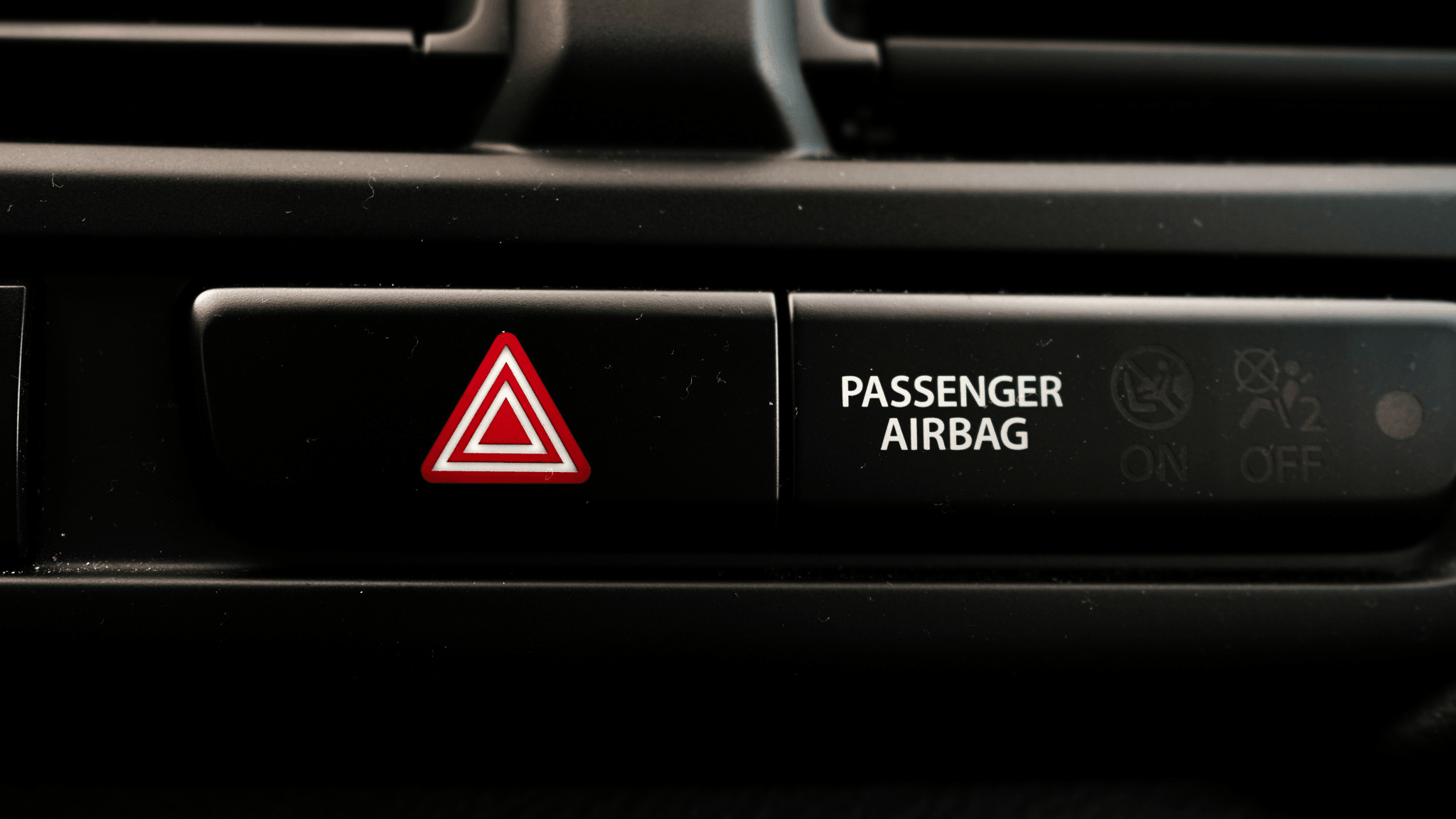
Airbag Inflator Testing for safety involves a series of precise procedures designed to ensure that every component functions flawlessly during an emergency. Among these, understanding the critical components like the Initiator Test, Insulation Resistance (HIPOT) Test, and Shunt Bar (Shorting Clip) Test is essential for reliable results. These tests work together to verify the inflator’s integrity and safeguard passengers effectively.
Understanding the Initiator Test and Its Role
The Initiator Test is a cornerstone of Airbag Inflator Testing for safety because it checks whether the initiator—the tiny explosive device responsible for triggering the airbag—fires correctly when needed. During this test, technicians simulate activation signals to ensure that the initiator responds promptly without misfiring or failing silently. Properly conducting this test helps detect any defects early, preventing potential malfunctions during real-world crashes.
The Significance of Insulation Resistance (HIPOT) Test
The Insulation Resistance (HIPOT) Test plays a vital role in Airbag Inflator Testing by verifying that electrical insulation within the inflator remains intact under high voltage conditions. This test ensures that no unintended electrical paths exist, which could cause accidental deployment or failure to deploy during an accident. Regular HIPOT testing maintains compliance with safety standards and prevents costly recalls due to insulation failures.
Using Shunt Bar (Shorting Clip) Test for Accurate Results
The Shunt Bar (Shorting Clip) Test is crucial in Airbag Inflator Testing as it provides a controlled method to short circuit specific components safely before testing other parameters. This step ensures that residual charges do not interfere with subsequent tests, leading to more accurate readings of inflator performance. Incorporating shunt bar testing into your process enhances overall reliability by eliminating false positives or negatives caused by unintended electrical interference.
Step-by-Step Airbag Inflator Testing Procedures
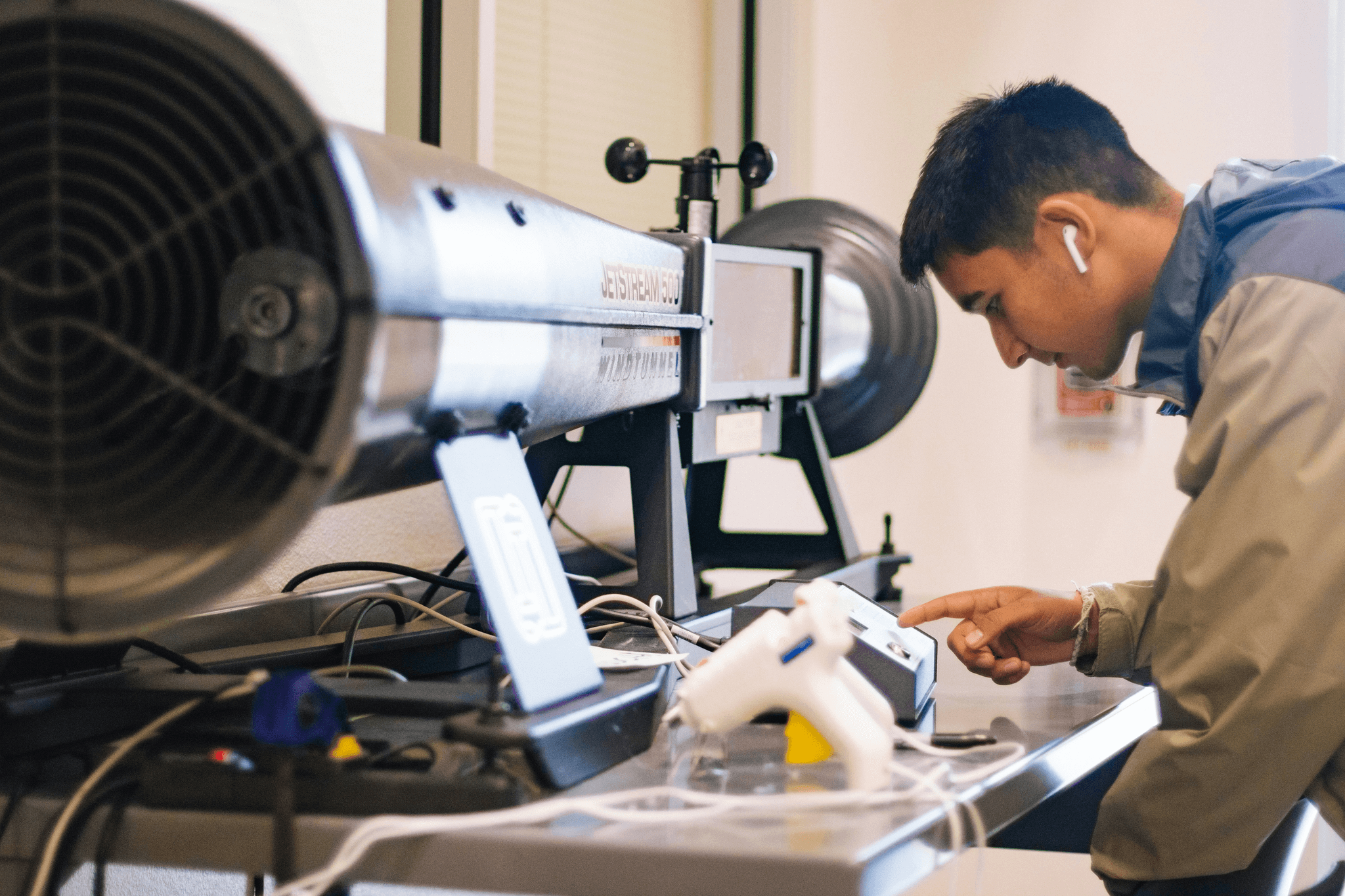
Properly performing Airbag Inflator Testing is crucial to ensure the safety and reliability of vehicle airbags. This process involves a series of carefully executed steps designed to detect any potential defects in the inflator components. By following these procedures, manufacturers can maintain high safety standards and meet regulatory requirements for Airbag Inflator Testing for Safety.
Preparing for Comprehensive Inspection
Before diving into the testing process, it's essential to prepare your workspace and equipment thoroughly. Ensure all testing devices are calibrated correctly, especially when conducting the Initiator Test, Insulation Resistance (HIPOT) Test, and Shunt Bar (Shorting Clip) Test. Proper preparation minimizes errors and guarantees accurate results during Airbag Inflator Testing for Safety, which is vital for passenger protection.
Conducting the Initiator Test Correctly
The Initiator Test is a key step in Airbag Inflator Testing that verifies whether the igniter component will activate reliably when needed. Carefully connect the initiator to your testing device following manufacturer guidelines, then trigger the test while observing response times and activation signals. Performing this test accurately helps identify weak or faulty initiators that could compromise airbag deployment during an accident.
Ensuring Valid HIPOT and Shunt Bar Tests
Next up are the Insulation Resistance (HIPOT) Test and Shunt Bar (Shorting Clip) Test, both critical in verifying electrical integrity within the inflator assembly. During HIPOT testing, apply high voltage between conductors to check for insulation breakdowns; a successful pass indicates proper insulation resistance in line with safety standards. The Shunt Bar Test involves using a shorting clip across terminals to simulate fault conditions—ensuring these tests are performed correctly guarantees reliable performance of your Airbag Inflator Testing process.
Interpreting Test Results to Detect Defects
Once all tests are completed, analyze each result meticulously—look for anomalies such as unexpected activation delays or insulation failures that could signal manufacturing defects or potential safety hazards. Accurate interpretation of test data from Initiator Tests, HIPOT tests, and Shunt Bar assessments allows you to identify failing units early on before they reach consumers. Consistent review ensures your Airbag Inflator Testing maintains high standards of safety compliance.
Common Challenges in Airbag Inflator Testing

Airbag Inflator Testing for safety isn't always a walk in the park; manufacturers and testers often face hurdles that can compromise the reliability of the results. One major challenge is **identifying faults in manufacturing batches**, where defective inflators might slip through if testing isn't thorough or properly executed. Without meticulous inspection, these faulty units could end up in vehicles, risking passenger safety and leading to costly recalls.
Another common issue is **dealing with inconsistent test outcomes** during Airbag Inflator Testing for safety. Variability can occur due to equipment calibration issues or environmental factors, which makes it difficult to determine whether a unit truly passes or fails. Such inconsistencies undermine confidence in the testing process and can delay crucial safety decisions.
To navigate these challenges effectively, it’s vital to **avoid common testing pitfalls with China Inspection Pro**. Their expertise ensures that tests like the Initiator Test, Insulation Resistance (HIPOT) Test, and Shunt Bar (Shorting Clip) Test are performed accurately and consistently. Leveraging professional inspection services helps catch faults early and guarantees that every inflator meets stringent safety standards before deployment.
How China Inspection Pro Ensures Quality and Safety
China Inspection Pro takes Airbag Inflator Testing for Safety seriously, combining cutting-edge technology with meticulous inspection processes. Our team ensures every component undergoes rigorous evaluation, including critical tests like the Initiator Test, Insulation Resistance (HIPOT) Test, and Shunt Bar (Shorting Clip) Test. This comprehensive approach guarantees your airbags deploy correctly when needed and stay safe during every journey.
Expert Inspection Services for Airbag Components
Our inspection services are designed to deliver precise results for Airbag Inflator Testing, ensuring each inflator meets strict safety standards. We utilize advanced equipment to perform the Initiator Test, which verifies the proper functioning of the triggering mechanism. Additionally, our specialists conduct Insulation Resistance (HIPOT) Tests and Shunt Bar (Shorting Clip) Tests to detect potential faults that might compromise safety or performance.
Customized Testing Plans for Your Vehicle Brand
Recognizing that each vehicle brand has unique requirements, China Inspection Pro offers tailored testing plans for Airbag Inflator Testing for Safety. We develop specific protocols that include comprehensive assessments like the Initiator Test and HIPOT testing suited to your inflator models. Our flexible approach ensures your products comply with local regulations while maintaining optimal safety standards across all manufacturing batches.
Turning Testing Data into Actionable Safety Improvements
Data collected from Airbag Inflator Testing provides invaluable insights into product quality and potential risks. China Inspection Pro analyzes test results such as those from the Initiator Test, Insulation Resistance (HIPOT), and Shunt Bar tests to identify manufacturing inconsistencies or defects early on. By transforming raw data into actionable recommendations, we help you enhance safety features and reduce recall risks effectively.
Conclusion
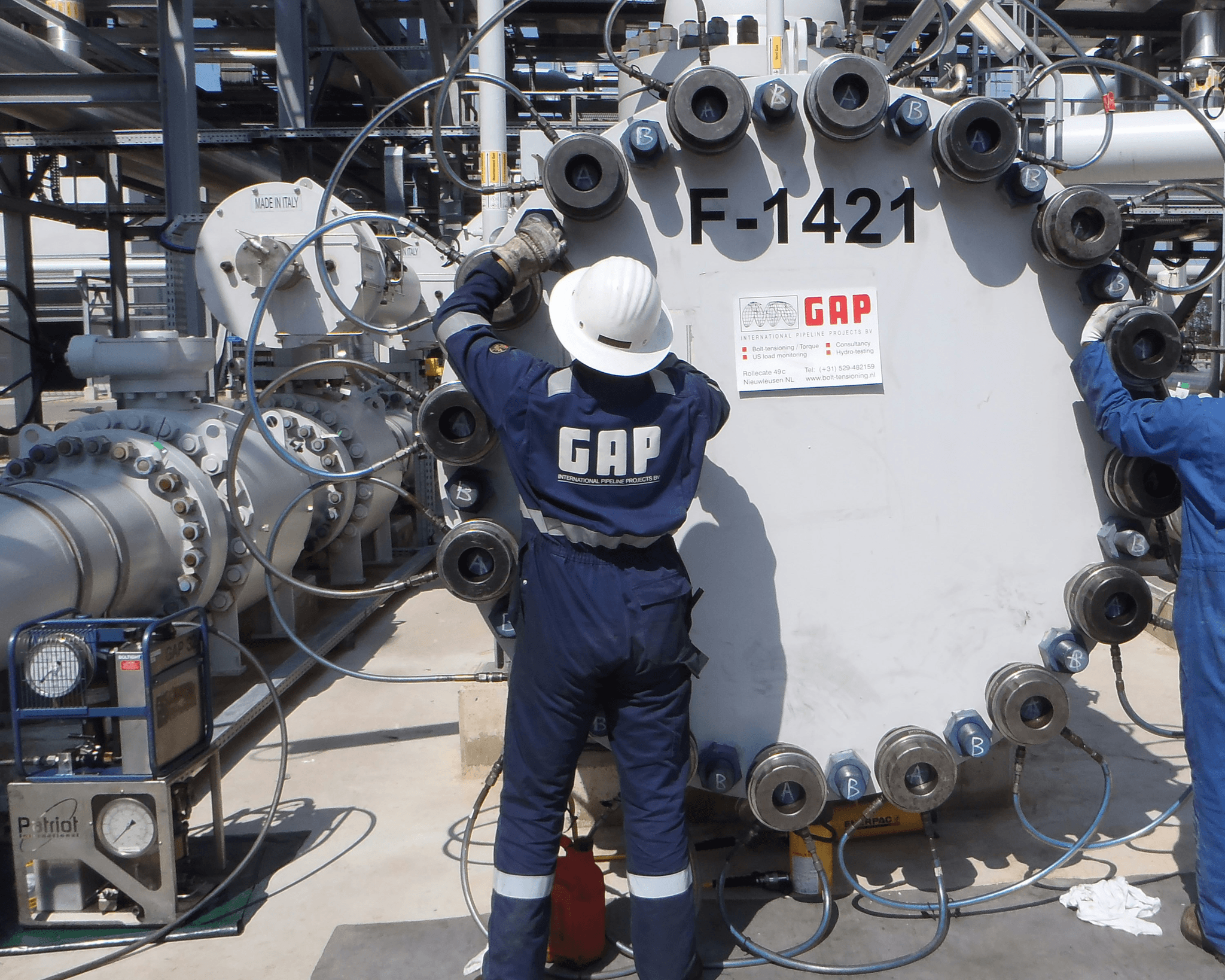
Prioritizing safety through regular Airbag Inflator Testing is essential for protecting passengers and ensuring vehicle reliability. Consistent testing, including crucial steps like the Initiator Test, Insulation Resistance (HIPOT) Test, and Shunt Bar (Shorting Clip) Test, helps identify potential failures before they become dangerous. By integrating these testing procedures into your quality control process, you can stay confident that your airbags will deploy correctly when needed most.
Choosing China Inspection Pro for your Airbag Inflator Testing needs means partnering with professionals who understand the nuances of safety standards and testing protocols. Our team specializes in conducting comprehensive tests such as the Initiator Test to verify initiation accuracy, HIPOT tests to ensure insulation integrity, and Shunt Bar Tests for reliable shorting assessments. With our expertise, you gain peace of mind knowing that every component meets strict safety regulations.
Staying ahead of regulatory demands involves more than just meeting current standards—it requires proactive measures like regular Airbag Inflator Testing for Safety. Our professional testing services help you adapt quickly to evolving safety laws by providing accurate data and actionable insights. Trust China Inspection Pro to keep your vehicles compliant and safe through meticulous testing practices that include detailed evaluations of inflator components using all critical tests.