
Introduction
In the fast-paced world of global trade, a Pre-Shipment Inspection (PSI) is an essential safeguard that ensures products meet specified standards before they embark on their journey to customers. As businesses navigate the complexities of international shipping, understanding what a Pre-Shipment Inspection entails becomes crucial for maintaining quality and compliance. This introduction sets the stage for exploring the significance of PSI, its historical evolution, and the specific aspects that are inspected to guarantee a seamless shipping experience.
Understanding Pre-Shipment Inspection
At its core, a Pre-Shipment Inspection serves as a final check-up for goods before they leave the warehouse, ensuring they align with contractual agreements and quality standards. The process typically involves thorough evaluations by trained inspectors who assess everything from product specifications to packaging integrity. By grasping what is a Pre-Shipment Inspection, businesses can mitigate risks associated with shipping errors that could lead to costly delays or dissatisfied customers.
The High Stakes of Shipping Errors
Shipping errors can have dire consequences for businesses, ranging from financial losses to reputational damage. A single misstep in product quality or compliance can lead to returns, refunds, and even legal disputes that erode trust between suppliers and customers. Therefore, recognizing the high stakes involved emphasizes why every business must prioritize effective measures like Pre-Shipment Inspections in their logistics strategy.
Why Every Business Needs a Checklist
Incorporating a checklist into your shipping protocol is not just about being organized; it’s about safeguarding your investment and ensuring customer satisfaction. A checklist tailored around what is the importance of Pre-Shipment Inspection can help streamline processes and minimize oversights during inspections. Ultimately, having this structured approach empowers businesses to maintain brand integrity while navigating the complexities of international trade.
What Is a Pre-Shipment Inspection?

Pre-shipment inspections (PSI) are crucial checks conducted before goods leave the manufacturer’s facility. Their primary purpose is to ensure that products meet specified quality standards, comply with regulations, and align with customer expectations. By understanding what a pre-shipment inspection entails, businesses can mitigate risks and enhance their shipping processes.
Definition and Purpose
A pre-shipment inspection is a thorough evaluation of goods prior to their shipment to the buyer or importer. The purpose is twofold: first, to verify that the products conform to agreed specifications; second, to identify any potential issues that could lead to costly shipping errors or customer dissatisfaction. By implementing this quality control step, businesses can safeguard their investments and maintain strong relationships with clients.
Key Players in the Process
Several key players are involved in the pre-shipment inspection process. Primarily, you have the manufacturer who produces the goods, and then there's the inspector—often an independent third party responsible for conducting the evaluation. Finally, there’s the buyer or importing company that relies on these inspections for assurance of quality and compliance with standards.
Common Misconceptions
Many people mistakenly believe that a pre-shipment inspection is only necessary for high-value items or specific industries; however, this couldn’t be further from the truth! In reality, every business can benefit from implementing PSI regardless of product type or value—after all, even minor defects can lead to significant financial losses down the line. Another misconception is that PSI guarantees perfect products; while it significantly reduces risks by identifying issues early on, it cannot eliminate them entirely.
What Is the Importance of Pre-Shipment Inspection?

Pre-Shipment Inspection (PSI) is not just a bureaucratic hurdle; it’s a crucial step in the shipping process that can save businesses from significant financial losses and reputational damage. Understanding what is the importance of Pre-Shipment Inspection means recognizing its role in safeguarding investments, ensuring compliance, and enhancing customer satisfaction. By implementing effective PSI protocols, companies can avoid costly errors and maintain their competitive edge.
Protecting Your Investment
Investing in products for resale or distribution involves considerable financial outlay, making it essential to protect that investment through diligent oversight. What is a Pre-Shipment Inspection if not a safety net that catches potential issues before they escalate into costly returns or disputes? By conducting thorough inspections prior to shipment, businesses can identify defects or discrepancies early on, ensuring they receive exactly what they paid for.
Furthermore, protecting your investment through Pre-Shipment Inspections helps mitigate risks associated with fraud and substandard goods. With the right checks in place, companies can rest easy knowing their products meet quality standards and specifications outlined in contracts. Ultimately, this proactive approach saves money by reducing the likelihood of returns and enhancing long-term profitability.
Ensuring Compliance and Quality Standards
In today’s global marketplace, compliance with international regulations is paramount for any business looking to thrive. What is the importance of Pre-Shipment Inspection in this context? It ensures that products adhere to quality standards mandated by both local authorities and international bodies—an essential factor for avoiding legal pitfalls.
Moreover, a well-executed Pre-Shipment Inspection verifies that all necessary documentation is accurate and complete before goods leave the supplier's facility. This includes checking certifications that prove compliance with safety regulations or industry standards relevant to specific markets. In an era where consumers are increasingly conscious of product quality and ethical sourcing practices, maintaining compliance through PSI not only protects businesses legally but also enhances their reputation among customers.
Customer Satisfaction and Brand Integrity
Customer satisfaction hinges on delivering high-quality products consistently; thus, investing time in Pre-Shipment Inspections pays off significantly. When businesses prioritize quality control through effective PSI processes, they foster trust with their clients—a key component of brand integrity. After all, what is the importance of Pre-Shipment Inspection if not to ensure customers receive exactly what they expect?
Additionally, when brands uphold high standards via rigorous inspections before shipment occurs, they reinforce their commitment to excellence within their industry. This commitment translates into repeat purchases as satisfied customers become loyal advocates for your brand—a powerful marketing tool! Therefore, integrating Pre-Shipment Inspections into operational strategies isn’t merely a checklist item; it’s an investment in long-term success.
History and Evolution of Pre-Shipment Inspections

The journey of Pre-Shipment Inspection (PSI) is as fascinating as the trade practices it evolved from. Historically, inspections were rudimentary, often relying on the eye of a merchant to ensure quality and compliance before goods set sail. As global trade expanded, so did the complexity of shipping logistics, leading to a more structured approach to what is now recognized as a critical component in international commerce.
Origins in Trade Practices
The concept of inspecting goods before they reach their final destination dates back centuries when merchants first began trading across borders. In those early days, traders had little recourse if their wares arrived damaged or subpar; thus, informal checks became common practice. These initial efforts laid the groundwork for the formalized Pre-Shipment Inspection processes we see today, which are crucial for ensuring that what is shipped meets agreed-upon standards.
Modern Adaptations and Innovations
Fast forward to today, and modern adaptations have transformed PSI into a sophisticated operation involving technology and specialized knowledge. With advancements such as digital documentation and automated inspection tools, businesses can streamline their processes while maintaining high standards. Innovations like blockchain for tracking shipments or AI-driven quality assessments are reshaping how we understand What Is a Pre-Shipment Inspection? making it more efficient than ever.
Case Studies of Successful Implementations
Several companies have successfully leveraged Pre-Shipment Inspections to enhance their operations dramatically. For instance, a leading electronics manufacturer integrated PSI into its supply chain management strategy and reported a 30% reduction in shipping errors within the first year alone. These case studies highlight not only What is the Importance of Pre-Shipment Inspection? but also demonstrate how timely inspections can lead to improved customer satisfaction and brand integrity.
How Does a Pre-Shipment Inspection Work?

Understanding how a Pre-Shipment Inspection works is crucial for any business involved in international trade. This process ensures that products meet specified quality standards before they are shipped to customers, which can significantly reduce shipping errors and enhance customer satisfaction. Let’s dive into the step-by-step mechanics of this essential procedure.
Step-by-Step Process Explained
The first step in a Pre-Shipment Inspection involves notifying the inspection agency once the goods are ready for evaluation. Inspectors then arrive at the manufacturing site to assess the products against predetermined criteria, including quality and compliance with specifications outlined in contracts or purchase orders. After conducting thorough checks, inspectors compile their findings into a detailed report that highlights any discrepancies or issues needing attention before shipment.
Next, if any defects are discovered during the inspection, businesses have the opportunity to rectify them before shipping occurs. This proactive approach not only saves time and money but also helps maintain brand integrity and customer trust. Ultimately, this step-by-step process is designed to ensure that what leaves your warehouse meets both your standards and those of your clients.
Roles of Inspectors and Clients
In a Pre-Shipment Inspection, inspectors serve as impartial evaluators who assess product quality based on established guidelines. They bring expertise in various industries, allowing them to identify potential issues that could impact compliance or customer satisfaction effectively. Meanwhile, clients play an integral role by providing necessary documentation regarding product specifications and expectations while also addressing any concerns raised during the inspection process.
Communication between inspectors and clients is key; clear dialogue helps ensure everyone is on the same page regarding what constitutes acceptable quality levels. Clients must be prepared to respond promptly to feedback from inspectors so that any necessary adjustments can be made swiftly before shipping deadlines loom large. This collaborative effort bridges gaps between production realities and market expectations.
Tools and Techniques Used
The effectiveness of a Pre-Shipment Inspection largely depends on the tools and techniques employed by inspectors throughout their evaluations. Commonly used tools include measuring devices for dimensions, gauges for weight verification, and visual inspection equipment for assessing overall product appearance—each playing a vital role in ensuring compliance with industry standards. Additionally, advanced technologies like digital imaging or automated testing systems can streamline inspections further by increasing accuracy while reducing human error.
Inspectors may also rely on software solutions designed specifically for tracking compliance data across various shipments over time; this allows businesses to identify trends or recurring issues more efficiently than ever before! By leveraging these innovative tools alongside traditional methods, companies can elevate their quality assurance processes significantly—ultimately leading back to our earlier discussion about What is the Importance of Pre-Shipment Inspection?
In conclusion, understanding how a Pre-Shipment Inspection works equips businesses with valuable knowledge about maintaining product quality throughout their supply chain journey—from factory floor to final delivery—ensuring they remain competitive in today's fast-paced market landscape.
What Specific Aspects Are Inspected During a Pre-Shipment Inspection?
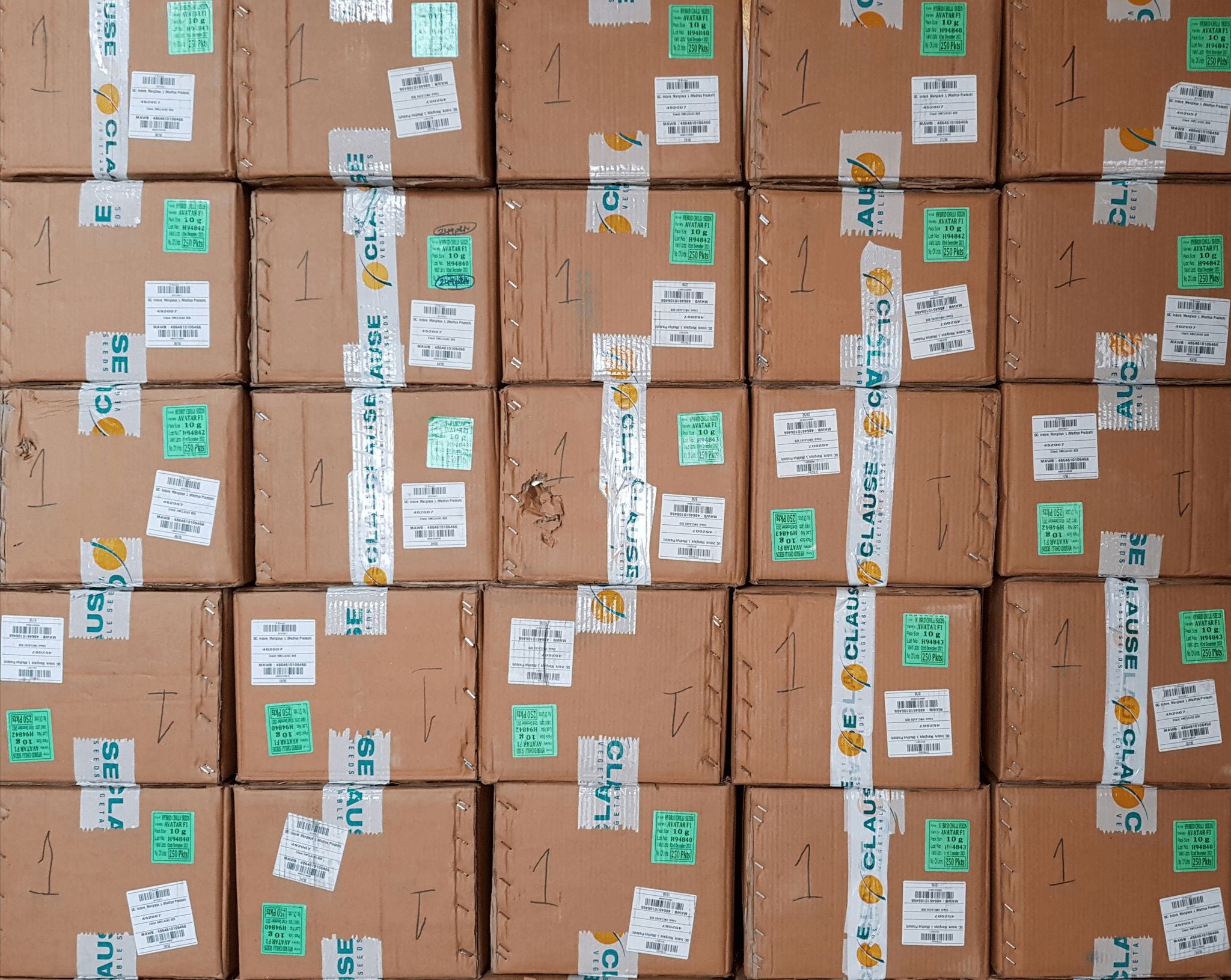
When it comes to ensuring the quality and compliance of products before they hit the open seas, a Pre-Shipment Inspection (PSI) is your best ally. This thorough examination focuses on several key aspects that can make or break your shipping experience. Understanding what specific elements are inspected during a Pre-Shipment Inspection is crucial for businesses aiming to avoid costly errors.
Quality Control Checks
Quality control checks are at the heart of any effective Pre-Shipment Inspection. Inspectors meticulously examine the products to ensure they meet predefined quality standards, which can vary depending on industry regulations and client expectations. By identifying defects or inconsistencies during this phase, businesses can save themselves from potential returns and complaints, reinforcing the importance of pre-shipment inspections in maintaining product integrity.
During these quality control checks, inspectors look for issues such as material defects, functional performance, and overall workmanship. It's not just about spotting problems; it's also about verifying that products perform as intended and meet customer specifications. So when you ask yourself, What is the importance of pre-shipment inspection? remember that these checks play a pivotal role in safeguarding investments.
Product Specifications and Packaging
Another critical aspect of a Pre-Shipment Inspection involves verifying product specifications and packaging compliance. This ensures that what’s inside the box matches what was ordered—no surprises here! Inspectors confirm dimensions, weights, colors, and other characteristics against agreed-upon specifications to ensure everything aligns perfectly with client expectations.
Packaging also plays an essential role in protecting products during transit. Inspectors will assess whether packaging materials are adequate for safeguarding items from damage while en route to their destination. With increasing competition in various markets, ensuring proper packaging through pre-shipment inspections can significantly enhance brand reputation.
Documentation and Compliance Review
The final piece of the puzzle during a Pre-Shipment Inspection is conducting a thorough documentation and compliance review. This step verifies that all necessary paperwork is complete and accurate—think shipping invoices, certificates of origin, or regulatory compliance documents—before goods leave the warehouse. Missing or incorrect documentation can lead to significant delays at customs or even fines; hence why this review is non-negotiable.
In addition to checking documents for accuracy, inspectors also ensure that all items comply with relevant regulations specific to different industries or countries involved in international trade. The history and evolution of pre-shipment inspections highlight how crucial this step has become as global trade continues to expand rapidly. Ultimately, having well-organized documentation reinforces your credibility with clients while easing logistical challenges down the line.
When Should You Schedule a Pre-Shipment Inspection?
Timing is everything, especially when it comes to ensuring your goods are up to par before they hit the open seas. Scheduling a Pre-Shipment Inspection (PSI) can be the difference between smooth sailing and a chaotic mess of shipping errors. Understanding when to arrange this crucial step can save businesses from potential pitfalls and ensure that products meet quality standards.
Best Timing for Different Industries
Different industries have unique timelines and requirements for their Pre-Shipment Inspections. For instance, the fashion industry often requires inspections right after production but before shipping, as trends change rapidly and quality control is paramount. On the other hand, electronics manufacturers might schedule their PSI closer to shipping dates to ensure compliance with evolving safety regulations, making it essential to adapt your timing based on industry norms.
Understanding What Is a Pre-Shipment Inspection? is key here; it's not just about checking boxes but aligning with your industry's rhythm. The importance of timing cannot be overstated—delays can lead to missed sales windows or dissatisfied customers. In sectors like food and pharmaceuticals, where freshness and compliance are critical, scheduling inspections promptly becomes even more vital.
Pre-Shipment Inspection and Shipping Schedules
Integrating your Pre-Shipment Inspection into your overall shipping schedule is crucial for maintaining efficiency in logistics operations. Ideally, PSI should occur once production is complete but well before the shipment leaves the factory—this allows time for any necessary adjustments or reworks without delaying delivery dates. By planning ahead, businesses can avoid costly last-minute inspections that could disrupt shipping schedules.
When considering How Does a Pre-Shipment Inspection Work?, remember that effective communication between suppliers and inspectors plays a significant role in adhering to timelines. A well-timed inspection ensures that products meet all specifications outlined during initial agreements while minimizing disruptions in transportation logistics. This proactive approach not only enhances operational efficiency but also reinforces trust with clients by demonstrating commitment to quality control.
Planning for Seasonal Demand
Seasonal demand fluctuations require careful planning around your Pre-Shipment Inspections to avoid bottlenecks during peak periods. For example, if you anticipate increased orders during holiday seasons or back-to-school periods, scheduling inspections ahead of time allows you to manage inventory effectively while ensuring product quality remains uncompromised. Businesses should analyze historical data on seasonal trends alongside their inspection schedules for optimal results.
Moreover, understanding What Specific Aspects Are Inspected During a Pre-Shipment Inspection? helps businesses prioritize what needs attention during high-demand seasons—this could range from packaging integrity to compliance checks based on current regulations or market expectations. By proactively addressing these aspects through timely inspections, companies can better position themselves against competitors who may struggle under increased pressure during peak times.
In conclusion, knowing when to schedule a Pre-Shipment Inspection isn’t just about ticking off tasks; it’s about strategically aligning your operations with market demands while safeguarding product integrity.
Conclusion
In the fast-paced world of international trade, understanding Pre-Shipment Inspection (PSI) is crucial for businesses aiming to protect their investments and maintain quality standards. A well-executed PSI not only safeguards against shipping errors but also helps in ensuring compliance with regulations and customer satisfaction. As we’ve explored throughout this guide, incorporating a robust pre-shipment inspection strategy can significantly enhance your operational efficiency.
Key Takeaways on Pre-Shipment Inspections
When considering What Is a Pre-Shipment Inspection?, it’s essential to recognize its role in verifying the quality and compliance of products before they hit the market. The importance of Pre-Shipment Inspection cannot be overstated; it acts as a safety net that prevents costly mistakes down the line. Additionally, understanding the history and evolution of pre-shipment inspections provides valuable context for why these processes are indispensable in today’s globalized economy.
Making Pre-Shipment Inspection Part of Your Strategy
Integrating What is the Importance of Pre-Shipment Inspection? into your business strategy can lead to enhanced product quality and customer trust. By knowing when to schedule a pre-shipment inspection, you can align your shipping schedules with production timelines effectively, avoiding last-minute scrambles that could jeopardize delivery promises. Moreover, familiarizing yourself with how a pre-shipment inspection works ensures that you’re prepared for each step, from initial checks to final approvals.