
Introduction
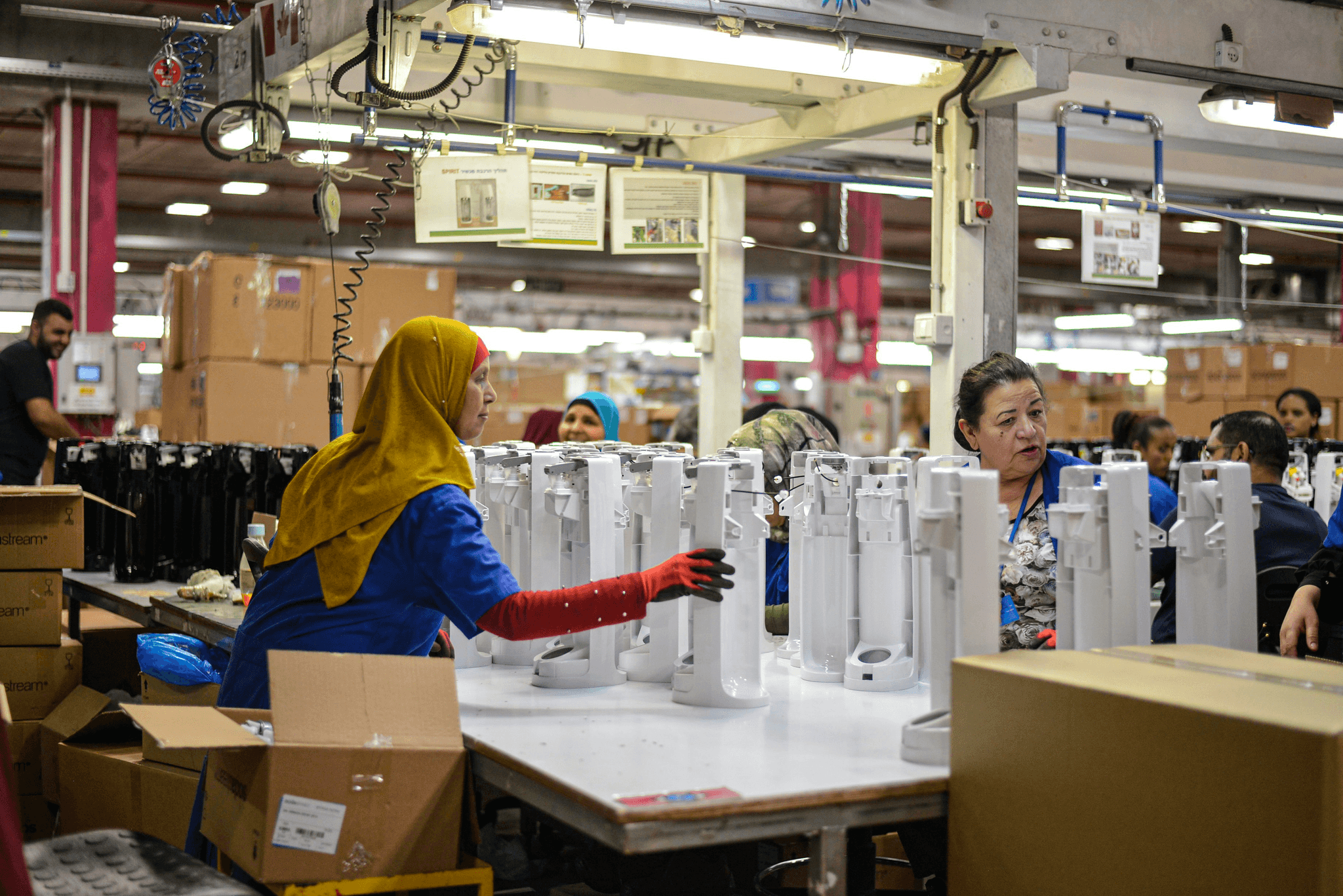
In today's fast-paced manufacturing landscape, Product Inspection has emerged as a cornerstone of maintaining quality and ensuring safety. As businesses strive to meet consumer expectations and comply with regulations, understanding the fundamentals of product inspection becomes paramount. This introductory section will delve into the basics of product inspection, its significance in quality control, and the key goals that drive this essential process.
Understanding Product Inspection Basics
Product Inspection refers to the systematic examination of products at various stages of production to ensure they meet predetermined standards and specifications. This process not only identifies defects but also assesses compliance with industry norms, making it a vital aspect of quality management. By grasping what product inspection entails, stakeholders can better appreciate its role in delivering high-quality goods.
Importance of Product Inspection in Quality Control
The importance of product inspection in quality control cannot be overstated; it serves as a critical checkpoint that helps prevent defective products from reaching consumers. Effective inspections help businesses avoid costly recalls, enhance brand reputation, and build customer trust by ensuring that products are safe and reliable. In an era where consumers are increasingly discerning about quality, robust product inspection processes can be a competitive differentiator.
Key Goals of Product Inspection
The key goals of product inspection revolve around ensuring product quality and safety while adhering to compliance standards set by regulatory bodies. Moreover, effective inspections aim to reduce production risks by identifying potential issues early on in the manufacturing process. Ultimately, these goals align with the broader objectives of maximizing efficiency and minimizing waste within production operations.
What is a Product Inspection?
When we talk about product inspection, we're diving into a crucial aspect of quality control that ensures products meet established standards before reaching consumers. It involves examining goods at various stages of production to identify defects and ensure compliance with industry regulations. In essence, product inspection is the safeguard that keeps quality in check, protecting both manufacturers and consumers alike.
Definition of Product Inspection
Product inspection is the systematic process of evaluating goods to verify their quality, safety, and compliance with specific standards. This evaluation can occur at different stages in the manufacturing process, including pre-production, during production, and post-production phases. By implementing a robust product inspection system, businesses can enhance their reputation while minimizing risks associated with defective products.
History and Evolution of Product Inspection
The roots of product inspection can be traced back to ancient civilizations where artisans ensured that their creations met certain standards before sale. Over time, as industries grew and global trade expanded, the need for standardized inspections became paramount to maintain quality across borders. Today’s product inspection practices have evolved significantly with advanced technology and international standards that streamline processes while ensuring safety and quality.
How Product Inspection Works
Product inspection works through a series of steps designed to assess various attributes of a product based on predefined criteria. Inspectors typically follow established protocols that involve visual checks, measurements, functional tests, and sometimes destructive testing to evaluate durability or performance under stress. By employing these methods systematically across different types of inspections—whether it's pre-production or final random inspections—companies can effectively identify issues early on or confirm that products are ready for market release.
What are the Objectives of Product Inspection?
Product Inspection serves multiple critical objectives that are essential for maintaining quality and safety in manufacturing processes. Understanding these objectives helps businesses navigate the complexities of production while ensuring they meet consumer expectations and regulatory requirements. Let’s delve into the primary goals that define what product inspection aims to achieve.
Ensuring Product Quality and Safety
One of the foremost objectives of product inspection is to ensure product quality and safety. This involves systematically evaluating products at various stages of production to identify defects or potential hazards before they reach consumers. By implementing rigorous product inspection protocols, companies can significantly reduce the risk of defective items entering the market, thereby protecting their brand reputation and customer trust.
Moreover, ensuring product quality goes hand in hand with safety regulations, which vary across industries. A robust approach to product inspection guarantees that products not only meet aesthetic standards but also adhere to operational safety criteria, ultimately safeguarding users from possible harm. Thus, thorough inspections serve as a vital checkpoint in maintaining high-quality standards throughout the production cycle.
Compliance with Industry Standards
Compliance with industry standards is another critical objective of product inspection that cannot be overlooked. Various sectors have established specific guidelines and regulations that govern manufacturing practices, ensuring products meet minimum safety and performance criteria. Product inspections help verify adherence to these standards, allowing manufacturers to avoid costly penalties or recalls due to non-compliance.
In global markets, compliance becomes even more complex due to differing regulations across countries and regions. Conducting thorough inspections ensures that products are aligned with international standards such as ISO or ASTM, which boosts credibility among consumers and partners alike. Ultimately, a commitment to compliance through diligent product inspection enhances a company’s competitive edge while fostering trust within its supply chain.
Reducing Production Risks
Reducing production risks is yet another key objective of implementing effective product inspection practices. By identifying potential issues early in the manufacturing process—whether during pre-production or final random inspections—companies can mitigate costly disruptions down the line. This proactive approach not only saves time but also minimizes financial losses associated with rework or returns due to defective products.
Additionally, understanding what are the different types of product inspections allows businesses to tailor their strategies based on specific risk factors inherent in their operations. With a comprehensive checklist guiding inspectors on what needs attention at each stage, organizations can ensure consistent quality control throughout production runs—ultimately leading to smoother operations overall. In this way, thorough inspections act as a safeguard against unforeseen complications that could derail production schedules or damage customer relationships.
What are the Different Types of Product Inspections?
When it comes to ensuring quality and safety in manufacturing, understanding the different types of product inspections is crucial. Each type serves a specific purpose and aligns with the objectives of product inspection, helping to maintain high standards throughout the production process. Let's dive into three primary types: Pre-Production Inspection, During Production Inspection, and Final Random Inspection.
Pre-Production Inspection
Pre-Production Inspection is the first line of defense against potential quality issues before production starts. This inspection typically involves reviewing samples or prototypes to ensure they meet design specifications and compliance standards. By identifying any discrepancies early on, manufacturers can save time and resources while aligning with what are the objectives of product inspection—ensuring product quality and safety from the get-go.
During this stage, inspectors often assess materials, components, and manufacturing processes that will be used in production. They may also verify supplier capabilities to ensure they meet industry standards outlined in what are product inspection standards and compliance. By addressing issues before production begins, companies can significantly reduce risks associated with faulty products.
During Production Inspection
As its name suggests, During Production Inspection occurs while products are being manufactured. This type of inspection aims to monitor ongoing processes to ensure that everything remains within specified guidelines for quality and safety. Inspectors check for consistency in workmanship as well as adherence to what are product inspection standards throughout the entire manufacturing process.
This stage is particularly beneficial because it allows for immediate corrective actions if any irregularities arise during production runs. Not only does this help maintain compliance with industry regulations outlined in what are product inspection standards and compliance, but it also reinforces trust between manufacturers and clients by demonstrating a commitment to quality assurance through regular checks aligned with what are the objectives of product inspection.
Final Random Inspection
Final Random Inspection (FRI) is typically conducted after production has been completed but before products reach consumers or retailers. This method involves randomly selecting finished goods for thorough examination against predetermined criteria outlined in a typical product inspection checklist. The goal here is straightforward: confirm that products meet all required specifications regarding functionality, appearance, packaging, labeling—and ultimately customer satisfaction.
FRI plays a pivotal role in risk management by ensuring that defective items do not make it into the market—a key component when discussing benefits of production inspection for businesses aiming for long-term success. Moreover, this final check helps uphold compliance with international standards mentioned earlier under what are product inspection standards and compliance by verifying that all aspects align perfectly before delivery.
In summary, each type of product inspection serves an essential function within quality control frameworks across various industries—whether it's preemptively identifying issues or confirming final output meets expectations aligned with what does a typical product inspection checklist look like? Understanding these distinctions not only enhances operational efficiency but also fosters consumer trust through consistent adherence to safety protocols.
What are Product Inspection Standards and Compliance?
Product inspection standards and compliance play a pivotal role in ensuring that goods meet specific quality benchmarks before reaching consumers. These standards help businesses maintain their reputation while safeguarding consumer health and safety. Understanding these standards is essential for anyone involved in product inspection, as they dictate the parameters within which inspections must operate.
Overview of International Standards
International standards for product inspection are established by various organizations to ensure consistency and reliability across different markets. These standards, such as ISO 9001 for quality management systems or ISO 2859 for sampling procedures, provide a framework that companies can follow to ensure their products meet global expectations. By adhering to these international benchmarks, businesses can enhance their credibility and facilitate smoother trade across borders.
Importance of Compliance in Global Markets
Compliance with product inspection standards is crucial in today’s interconnected global markets where consumers demand high-quality products. Non-compliance can lead to significant risks, including legal repercussions, financial losses, and damage to brand reputation. In industries such as electronics or food production, where safety is paramount, adhering to these standards not only protects the consumer but also instills confidence in the brand's commitment to quality.
Role of Organizations in Setting Standards
Various organizations play a key role in setting product inspection standards that guide manufacturers and inspectors alike. Bodies like the International Organization for Standardization (ISO), American National Standards Institute (ANSI), and Underwriters Laboratories (UL) develop guidelines that reflect best practices within specific industries. These organizations continuously evolve their criteria based on technological advancements and market needs to keep pace with changing consumer expectations.
What Does a Typical Product Inspection Checklist Look Like?

When it comes to ensuring product quality and safety, a well-structured checklist is an essential tool in the product inspection process. A typical product inspection checklist serves as a roadmap for inspectors, guiding them through the various criteria that need to be evaluated. This systematic approach not only enhances efficiency but also helps in identifying potential issues early on, ultimately contributing to the objectives of product inspection.
Essential Items on the Checklist
A comprehensive product inspection checklist includes several essential items that cover various aspects of quality assurance. These typically encompass criteria such as dimensions and specifications, material quality, functionality tests, safety compliance, and packaging integrity. By addressing these critical areas, inspectors can ensure that products meet industry standards and align with what are the different types of product inspections conducted across various sectors.
In addition to these core elements, it's vital to incorporate specific client requirements or regulatory standards applicable to the products being inspected. This tailored approach not only reinforces compliance with what are product inspection standards and compliance but also boosts customer confidence in the final output. Ultimately, having a detailed checklist enables inspectors to effectively communicate findings and recommendations.
Customizing Your Inspection Checklist
While there are standard items that every product inspection checklist should include, customization is key for optimal results. Different industries have unique requirements; therefore, tailoring your checklist allows you to focus on what's most important for your specific context or client needs. For instance, if you're inspecting electronics versus textiles, your focus areas will differ significantly based on what are the objectives of product inspection.
Customizing your checklist can also involve adding sections for additional checks or incorporating feedback from previous inspections to enhance thoroughness over time. This adaptive strategy aligns well with evolving market demands and ensures that inspections remain relevant and effective against emerging challenges in quality control practices.
Role of Technology in Checklist Management
In today's fast-paced world, leveraging technology can significantly enhance how we manage our product inspection checklists. Digital tools allow inspectors to create dynamic checklists that can be updated in real-time based on new information or changing standards—making it easier than ever to stay compliant with what are product inspection standards and compliance regulations globally.
Moreover, technology facilitates better data collection through mobile applications or cloud-based platforms where results can be documented instantly during inspections. This not only streamlines communication among team members but also provides valuable insights into trends over time—helping organizations understand what are the benefits of production inspection more clearly by analyzing historical data.
As we move forward into an increasingly digital landscape, embracing these technological advancements will undoubtedly elevate our approach toward effective quality assurance practices within the realm of product inspections.
How Should an Inspector Prepare for a Product Inspection?

Preparing for a product inspection is akin to gearing up for a big game; it requires strategy, tools, and training. Inspectors must ensure they have all necessary documentation and materials ready, including the typical product inspection checklist, which outlines what to look for during the process. Understanding the objectives of product inspection helps inspectors remain focused on delivering quality results while minimizing risks.
Key Preparation Steps for Inspectors
The first step in preparation is reviewing relevant documents that outline what are the different types of product inspections applicable to the situation at hand. Inspectors should familiarize themselves with industry standards and compliance requirements that may affect the products being inspected. Additionally, it’s crucial to have a clear understanding of what are the objectives of product inspection, such as ensuring quality and safety while adhering to regulations.
Next, inspectors should gather all necessary tools and equipment needed for effective inspections—these can range from measuring devices to software applications designed for checklist management. Having these tools ready not only streamlines the inspection process but also enhances accuracy in reporting findings. Lastly, conducting a pre-inspection meeting with team members can further clarify roles and expectations during the actual inspection.
Leveraging Tools and Technology
In today's fast-paced world, leveraging technology is essential when preparing for a product inspection. Digital tools can facilitate real-time data collection and analysis, making it easier to track compliance with various standards related to product inspections. Utilizing software that automates checklist management allows inspectors to focus on critical aspects rather than getting bogged down by paperwork.
Moreover, mobile applications can enable inspectors to capture images or videos as evidence during their assessments—this visual documentation adds an extra layer of accountability in ensuring quality control measures are met consistently across different types of inspections. By embracing technology in preparation efforts, inspectors can enhance their efficiency while providing detailed reports that highlight any areas needing attention.
Importance of Inspector Training
Training plays an indispensable role in preparing inspectors adequately for their tasks; after all, knowledge is power! Well-trained inspectors are not only familiar with what does a typical product inspection checklist look like but also understand how various factors influence outcomes during inspections—this includes knowing how to interpret results effectively based on established standards and compliance guidelines.
Furthermore, ongoing training ensures that inspectors stay updated on emerging trends within industries they serve—including new technologies or methods used in conducting inspections efficiently. This continuous learning approach fosters adaptability among inspectors who must navigate evolving market demands while maintaining high-quality assurance levels throughout each phase of production processes.
In conclusion, effective preparation is vital when conducting any type of product inspection; understanding objectives clearly combined with leveraging modern technologies will significantly enhance overall performance outcomes!
Conclusion
In the realm of manufacturing and distribution, Product Inspection plays a pivotal role in maintaining quality and safety standards. It ensures that products meet specified requirements and helps mitigate risks associated with production flaws. Understanding the objectives of product inspection, including compliance with industry standards, is vital for any business aiming for success.
Recap of Product Inspection Importance
To summarize, Product Inspection is essential for guaranteeing product quality and safety while reducing production risks. The different types of product inspections—such as pre-production, during production, and final random inspections—each serve unique purposes in the quality control process. Moreover, adhering to established product inspection standards and compliance guidelines ensures that businesses can thrive in competitive global markets.
Future Trends in Product Inspection
Looking ahead, the future of Product Inspection will likely be shaped by advancements in technology and automation. Innovations such as AI-driven inspection tools and real-time data analytics will enhance efficiency and accuracy in identifying defects. Additionally, as consumer expectations rise, businesses will increasingly focus on What are the Objectives of Product Inspection? to ensure they deliver superior products that comply with evolving industry standards.
How China Inspection Pro Enhances Quality Assurance
China Inspection Pro stands out as a leader in enhancing quality assurance through meticulous inspections tailored to various industries. By providing comprehensive checklists that encompass What Does a Typical Product Inspection Checklist Look Like?, they help clients streamline their inspection processes effectively. Furthermore, their commitment to educating inspectors on how to prepare thoroughly for a product inspection ensures high-quality outcomes that align with international standards.