
Introduction

Quality control has come a long way from its humble beginnings, evolving into a crucial aspect of modern manufacturing and service industries. The journey of quality assurance reflects the need for consistency and reliability in products, ensuring that what reaches consumers meets their expectations. Today, quality control is not just about passing inspections; it's about fostering a culture of excellence that permeates every level of an organization.
The Evolution of Quality Control
The evolution of quality control can be traced back to the craftsmanship era when skilled artisans took pride in their work and hand-checked every detail. As industrialization took hold, the need for systematic approaches emerged, leading to innovations like statistical process control that transformed how we understand quality assurance today. This historical progression underscores the importance of adapting to new challenges while maintaining high standards—a principle that remains relevant in today’s fast-paced market.
Why Quality Assurance Matters
Quality assurance matters because it directly impacts customer satisfaction and loyalty; after all, nobody wants to invest time or money in subpar products or services. Effective QA assurance helps organizations identify potential issues before they escalate, minimizing waste and enhancing efficiency—key factors in maintaining competitiveness. In essence, robust quality assurance services not only safeguard an organization's reputation but also drive continuous improvement across all processes.
Key Players in Quality Control History
Throughout history, several key players have shaped the landscape of quality control as we know it today. Pioneers such as W. Edwards Deming and Joseph Juran introduced groundbreaking concepts that laid the foundation for modern quality management practices, emphasizing data-driven decision-making and employee involvement. Their contributions remind us that effective quality checks are not merely procedural but also require a cultural commitment to excellence from everyone involved in production and service delivery.
Early Beginnings of Quality Control
Quality control has a rich history that dates back to the early craftsmanship era, where the emphasis was on individual skill and meticulous attention to detail. This period laid the groundwork for modern quality assurance practices by establishing a culture of pride in workmanship and personal accountability. As we delve into the evolution of quality control, we can trace how these foundational elements transitioned into more systematic approaches.
The Craftsmanship Era
During the craftsmanship era, quality was intrinsically linked to the artisan's skill and experience. Craftsmen took great pride in their work, ensuring that every piece met their high standards before it left their workshop. This personal touch provided an informal yet effective form of quality assurance; however, it lacked consistency and scalability as production demands grew.
As societies industrialized, the limitations of this craftsmanship model became apparent. The need for mass production called for a more structured approach to quality checks, leading to innovations that would eventually shape modern manufacturing processes. Thus, while craftsmanship emphasized individual excellence, it also set the stage for a new era where systematic quality control measures would emerge.
The Birth of Statistical Process Control
The birth of statistical process control (SPC) marked a significant turning point in the history of quality control. Developed in the early 20th century by pioneers like Walter Shewhart, SPC introduced quantitative methods to monitor and improve processes through data analysis. This innovative approach allowed organizations to identify variations in production and implement corrective actions before defects occurred.
SPC transformed how manufacturers approached quality assurance by shifting from reactive measures—where problems were addressed post-production—to proactive strategies aimed at preventing defects from happening in the first place. By employing statistical methods for quality checks, businesses could achieve greater consistency and reliability in their products. As a result, statistical process control became an essential tool for any serious quality assurance specialist seeking to enhance operational efficiency.
Quality Control What Is: Definitions
So what exactly is quality control? At its core, quality control refers to a set of procedures designed to ensure that products meet specific standards before they reach consumers or clients. It encompasses various techniques—ranging from inspections and testing to statistical analysis—that help maintain product integrity throughout manufacturing processes.
Quality assurance services play an integral role in this framework by providing structured methodologies for continuous improvement and compliance with established standards. In essence, when we ask quality control what is, we are exploring not just definitions but also its practical applications across industries striving for excellence in product delivery and customer satisfaction.
Quality Control in Manufacturing

Quality control has become a cornerstone of modern manufacturing, ensuring that products meet established standards and customer expectations. The integration of quality assurance practices into manufacturing processes not only enhances product reliability but also boosts overall efficiency. As we explore key systems and methodologies, we’ll see how quality control has evolved to meet the demands of today’s market.
The Toyota Production System
The Toyota Production System (TPS) revolutionized the way manufacturers approach quality control and production efficiency. At its core, TPS emphasizes continuous improvement and respect for people, integrating quality assurance at every step of the manufacturing process. This approach ensures that each worker is not just a cog in the machine but a vital part of the quality check process, contributing to higher standards and lower defect rates.
In TPS, quality control is not an afterthought; it’s built into every phase of production through techniques like “jidoka” or automation with a human touch. This means that if a defect occurs, machines stop immediately to address the issue—ensuring that only products meeting rigorous quality assurance criteria move forward. By fostering a culture where everyone is responsible for maintaining high-quality standards, TPS has set benchmarks that many industries strive to emulate.
The success of TPS demonstrates how effective quality assurance can lead to significant cost savings and enhanced customer satisfaction. Companies adopting this model often see reduced waste and increased productivity—a win-win situation for both manufacturers and consumers alike. As such, understanding the principles behind TPS is essential for anyone looking to delve deeper into modern manufacturing practices.
Lean Manufacturing and Quality Assurance Services
Lean manufacturing takes inspiration from systems like TPS but expands upon them by focusing on minimizing waste while maximizing value through efficient processes—essentially marrying quality control with operational excellence. In this paradigm, every step in production is scrutinized through rigorous quality checks to eliminate anything that doesn’t add value to the final product. Quality assurance services play a critical role here by providing frameworks and tools necessary for implementing these lean principles effectively.
A hallmark of lean manufacturing is its commitment to continuous improvement (kaizen), which aligns perfectly with robust QA practices aimed at enhancing product reliability over time. By embedding regular evaluations into daily operations, companies can identify areas needing refinement before they escalate into larger issues—saving time and resources down the line. This proactive approach ensures that products consistently meet or exceed customer expectations while adhering to stringent industry standards.
Moreover, lean methodologies encourage collaboration across departments—everyone from engineers to assembly line workers becomes part of the broader conversation about maintaining high-quality outputs. This collective responsibility fosters an environment where innovation thrives alongside accountability in terms of both productivity and product integrity—a true hallmark of effective quality assurance in action.
The Rise of Six Sigma
Six Sigma emerged as a powerful methodology aimed specifically at improving process outputs by identifying and eliminating defects within any given process—essentially redefining what it means when we ask ourselves: “Quality Control what is it?” Developed by Motorola in the 1980s, Six Sigma employs statistical tools to analyze data meticulously so organizations can achieve near-perfect levels of performance across their operations.
At its heart lies an emphasis on data-driven decision-making; each project follows a defined sequence known as DMAIC (Define, Measure, Analyze, Improve, Control) designed explicitly for enhancing existing processes or developing new ones with integrated QA measures from inception through execution stages—all while keeping costs low without sacrificing quality assurance standards! Businesses employing Six Sigma report substantial improvements in efficiency alongside reductions in errors—demonstrating just how impactful this framework can be when implemented correctly.
As industries continue evolving amidst technological advancements today—including AI-driven analytics—the future looks bright for Six Sigma practitioners who leverage these innovations alongside traditional methodologies like statistical process controls or lean techniques! With ongoing training available for aspiring professionals interested in becoming certified as Quality Assurance Specialists within their respective fields too—it’s clear there will always be demand for skilled individuals capable not only understanding but also applying these critical concepts effectively!
Technology and Quality Control
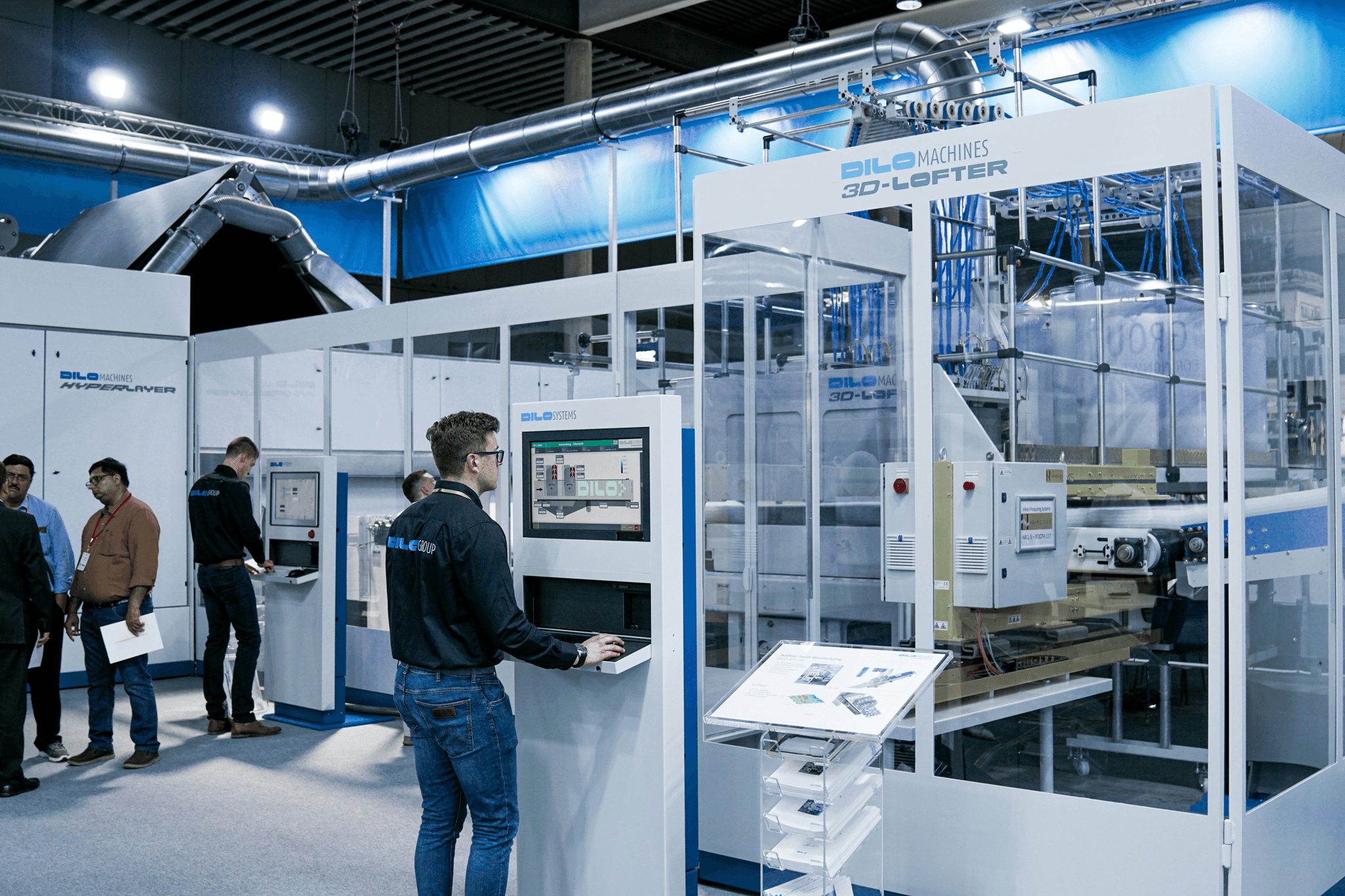
In the dynamic landscape of quality control, technology has become a game changer, transforming how organizations approach quality assurance. With the integration of automation, data analytics, and specialized software solutions, businesses can enhance their quality checks and ensure adherence to standards more efficiently than ever before. This evolution not only streamlines processes but also significantly reduces human error in quality assurance services.
Automation in Quality Assurance
Automation in quality assurance has revolutionized the way companies conduct their quality checks. By employing automated systems for monitoring production processes, organizations can achieve higher accuracy and consistency in their outputs—key components of effective quality control. With automated solutions, a quality assurance specialist can focus on strategic tasks rather than mundane repetitive activities, making the entire process more efficient.
Moreover, automation allows for real-time tracking of products throughout the manufacturing process. This capability means that any deviations from established standards can be detected immediately, facilitating swift corrective actions that uphold quality assurance principles. As a result, businesses can maintain high-quality standards while reducing labor costs associated with manual inspections.
The Role of Data Analytics
Data analytics plays a pivotal role in enhancing the effectiveness of quality control measures within an organization. By analyzing vast amounts of data collected during production cycles, companies can identify patterns that may indicate potential issues before they escalate into significant problems. This proactive approach is vital for maintaining high levels of product integrity and customer satisfaction.
Furthermore, data-driven insights enable continuous improvement by providing actionable feedback on processes and outcomes related to quality assurance services. Organizations leveraging advanced analytics tools are better positioned to refine their operations based on empirical evidence rather than intuition alone—leading to improved efficiency and reduced waste in manufacturing practices. Ultimately, embracing data analytics fosters a culture of accountability around quality control what is often seen as an essential aspect of modern business strategy.
Quality Control Software Solutions
Quality control software solutions are essential tools for organizations aiming to streamline their QA processes effectively. These platforms integrate various functionalities such as tracking defects, managing audits, and generating compliance reports—all crucial elements for successful quality assurance initiatives. By centralizing these functions within one system, companies can ensure that all stakeholders have access to up-to-date information regarding product standards.
Moreover, user-friendly interfaces allow even those without extensive technical knowledge to navigate through complex datasets easily—a significant advantage for many teams focused on maintaining rigorous quality checks without getting bogged down by cumbersome technology hurdles. In addition to improving communication among team members regarding QA efforts, these software solutions provide valuable insights into trends over time that inform future decisions about improvements or necessary adjustments in production methods.
In summary, technology has undeniably reshaped the landscape of quality control by introducing automation capabilities and data-driven approaches that enhance overall efficiency while ensuring compliance with established standards across industries.
Conclusion
As we wrap up our exploration of quality control, it’s clear that the lessons learned from its history are invaluable. Quality assurance has evolved significantly, shaping industries and standards across the globe. By understanding where we came from, we can better appreciate the sophisticated quality checks and methodologies in place today.
Lessons from Quality Control History
The journey of quality control is filled with pivotal moments that have shaped its current practices. From the craftsmanship era to modern statistical process control, each phase has imparted crucial lessons about consistency and reliability in production. The evolution of quality assurance reminds us that a proactive approach to quality checks can prevent issues before they arise, emphasizing the importance of continuous improvement.
The Importance of Ongoing Quality Assurance
In today's fast-paced environment, ongoing quality assurance is not just beneficial; it's essential for survival in competitive markets. Quality assurance specialists are at the forefront of ensuring products meet rigorous standards, thereby safeguarding brand reputation and customer trust. By prioritizing qa assurance processes, companies can mitigate risks and enhance their overall operational efficiency.
Future Directions for Quality Control Standards
Looking ahead, the future of quality control standards will likely be shaped by advancements in technology and evolving consumer expectations. With automation playing a larger role in quality assurance services, organizations must adapt to integrate these tools effectively into their workflows. As global supply chains become increasingly complex, maintaining robust quality check systems will be vital for businesses aiming to thrive in an interconnected world