
Introduction
In today's fast-paced manufacturing landscape, the importance of quality control cannot be overstated. Quality Control Checklists serve as essential tools that help organizations maintain high standards and ensure that products meet customer expectations. By implementing effective checklists, businesses can streamline their inspection processes and enhance overall product quality.
The Importance of Quality Control
Quality control is crucial for any business aiming to deliver exceptional products consistently. It not only safeguards a company's reputation but also fosters customer trust and loyalty. Without a robust quality control system in place, organizations risk producing subpar goods that can lead to costly recalls and damage to brand integrity.
What Are Quality Control Checklists?
Quality Control Checklists are systematic tools used during inspections to ensure all necessary criteria are met before a product is approved for sale or distribution. They provide a structured format for inspectors to follow, helping them assess various aspects of a product's quality efficiently. From pulling random samples for inspection to checking the product against specifications, these checklists guide inspectors through every critical phase of evaluation.
Benefits of Using Checklists in Inspections
Using Quality Control Checklists offers numerous benefits that can significantly improve the inspection process. They help standardize procedures, ensuring consistency across inspections and reducing the likelihood of human error during evaluations like verifying packaging requirements or classifying and reporting quality defects. Additionally, checklists facilitate better communication among team members by providing clear documentation of findings during conducting on-site testing, ultimately leading to enhanced accountability and continuous improvement.
Understanding Quality Control Checklists

Quality Control Checklists are invaluable tools that help ensure consistency and quality in various inspection processes. They serve as structured guides, enabling inspectors to systematically evaluate products and processes against predefined standards. By implementing Quality Control Checklists, organizations can enhance their quality assurance efforts, leading to improved product reliability and customer satisfaction.
Definition and Purpose
At its core, a Quality Control Checklist is a systematic list of criteria or tasks designed to ensure that all necessary steps in an inspection process are completed thoroughly. The primary purpose of these checklists is to minimize the risk of overlooking critical aspects during inspections, ensuring comprehensive evaluations. This structured approach not only aids in maintaining quality but also fosters accountability among team members involved in the inspection process.
Components of an Effective Checklist
An effective Quality Control Checklist includes several key components that make it functional and user-friendly. First, it should have clear headings and categories that organize tasks logically, which helps inspectors navigate through the checklist seamlessly. Additionally, each item on the checklist needs to be specific and measurable; for instance, rather than stating check quality, it should specify verify color consistency or measure dimensions against specifications. Finally, incorporating space for notes allows inspectors to document observations or issues encountered during inspections.
Real-World Applications
Quality Control Checklists find applications across various industries by facilitating consistent evaluation methods tailored for specific contexts. In manufacturing settings, they are crucial during the 5 inspection steps where quality control checklists are vital: pulling random samples for inspection ensures that products represent overall production quality; checking the product against specifications guarantees compliance with industry standards; verifying packaging requirements safeguards product integrity during transportation; classifying and reporting quality defects enables efficient resolution; and conducting on-site testing confirms functionality under real-world conditions. These applications underscore how Quality Control Checklists streamline operations while enhancing overall product excellence.
5 Inspection Steps Where Quality Control Checklists Are Vital

Quality Control Checklists play a crucial role in ensuring that products meet the required standards during inspections. By utilizing these checklists, inspectors can streamline their processes and avoid overlooking critical details. Let’s delve into the five inspection steps where Quality Control Checklists are vital.
Pulling Random Samples for Inspection
The first step in any quality control process is pulling random samples for inspection, which is essential to ensure representative results. Quality Control Checklists guide inspectors on how to select samples without bias, promoting fairness and accuracy in testing. By adhering to a checklist, inspectors can maintain consistency, reducing the chances of errors that could arise from haphazard sampling methods.
Checking the Product Against Specifications
Once samples are collected, the next step involves checking the product against specifications to verify compliance with standards. Quality Control Checklists serve as a roadmap during this phase, detailing specific criteria that need to be evaluated, such as dimensions, materials used, and functionality. This systematic approach not only enhances thoroughness but also helps identify discrepancies early in the process before they escalate into larger issues.
Verifying Packaging Requirements
Packaging is often overlooked but is critical for maintaining product integrity during transport and storage; therefore, verifying packaging requirements is paramount. Quality Control Checklists help inspectors ensure that every package meets industry standards regarding labeling, durability, and protection from damage. By following these checklists diligently, companies can mitigate risks associated with poor packaging that could lead to customer dissatisfaction or financial loss.
Classifying and Reporting Quality Defects
Identifying quality defects is an inevitable part of inspections; however, classifying and reporting them correctly makes all the difference in addressing issues effectively. Utilizing Quality Control Checklists allows inspectors to categorize defects systematically—whether they are minor or major—and document them accurately for further analysis. This structured reporting not only aids in corrective actions but also provides valuable insights for future improvements.
Conducting On-Site Testing
Finally, conducting on-site testing is essential for evaluating products under real-world conditions; this step cannot be taken lightly! Quality Control Checklists outline necessary tests and parameters that should be monitored during on-site evaluations—ranging from performance metrics to environmental factors affecting product functionality. By following these guidelines meticulously, inspectors can ensure comprehensive assessments leading to informed decisions about product reliability.
The Role of Quality Control Checklists at China Inspection Pro

In the dynamic world of product inspections, Quality Control Checklists serve as a cornerstone for ensuring consistent quality and compliance. At China Inspection Pro, these checklists are not merely forms to fill out; they are strategic tools that enhance inspection accuracy and reliability. By embedding thorough quality control practices into our processes, we help clients achieve their desired product standards.
Expert Insights on Quality Control
The experts at China Inspection Pro understand that effective Quality Control Checklists are grounded in industry best practices and tailored to specific needs. With years of experience, our team emphasizes the importance of integrating the 5 inspection steps where quality control checklists are vital into every inspection process. This ensures that critical areas such as pulling random samples for inspection and checking the product against specifications are meticulously addressed.
Moreover, our professionals continuously analyze data from past inspections to refine these checklists further. This ongoing evaluation allows us to adapt quickly to changing market demands and regulatory requirements while maintaining high-quality standards. By sharing insights on common pitfalls in checklist usage, we empower clients to maximize their effectiveness in quality assurance.
Enhancing Product Excellence
Quality Control Checklists play a crucial role in enhancing product excellence by providing a structured approach to inspections. At China Inspection Pro, we focus on verifying packaging requirements as part of our checklist process, ensuring that products not only meet internal specifications but also comply with external regulations. This meticulous attention to detail helps prevent costly recalls or customer dissatisfaction down the line.
Additionally, by classifying and reporting quality defects accurately through our checklists, we enable manufacturers to identify trends and implement corrective actions swiftly. Our commitment to excellence is reflected in how we utilize these tools not just for compliance but as a means for continuous improvement within production processes. Ultimately, this leads to higher-quality products reaching consumers faster than ever before.
Streamlining the Inspection Process
Streamlining the inspection process is essential for efficiency and effectiveness in any quality control program—this is where Quality Control Checklists shine at China Inspection Pro! By standardizing procedures across various inspections, we ensure that every step is accounted for without unnecessary delays or confusion among inspectors. Conducting on-site testing becomes more systematic when guided by clear checklist protocols.
Furthermore, using checklists allows teams to quickly reference critical checkpoints during inspections while minimizing oversight risks during tasks like pulling random samples for inspection or checking products against specifications. The result? A smoother workflow that enhances productivity without sacrificing thoroughness or accuracy! Through this streamlined approach, clients can enjoy quicker turnaround times while still receiving top-notch service.
Challenges in Quality Control Inspections
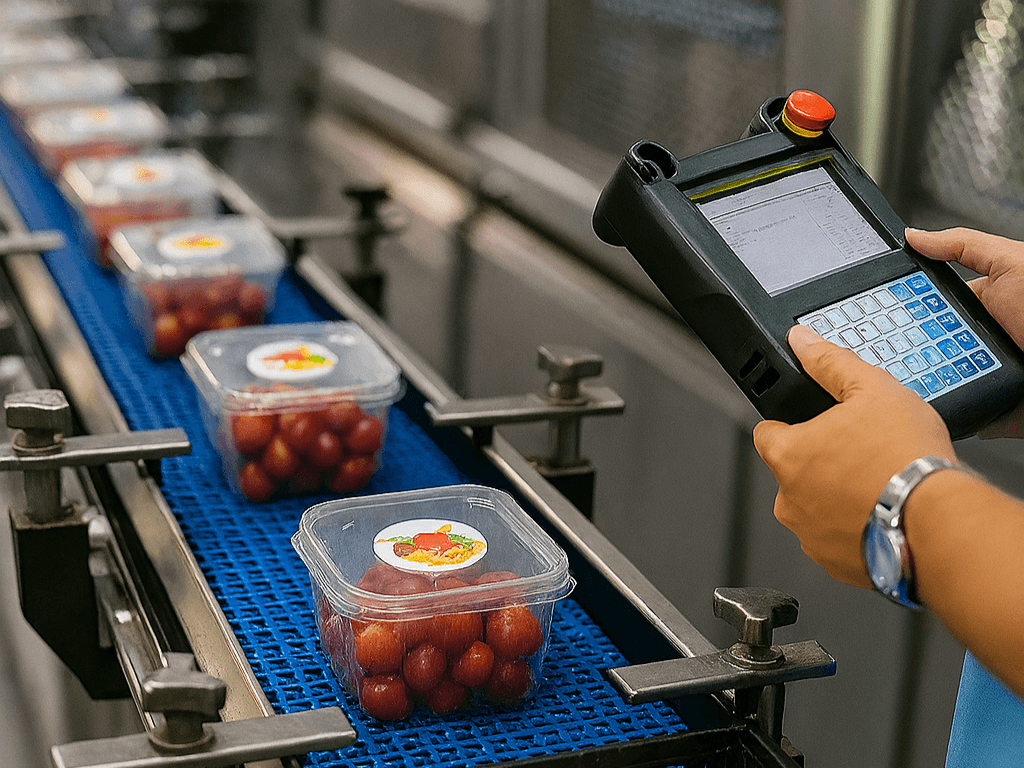
Quality control inspections are essential for maintaining product standards, but they come with their own set of challenges. One major hurdle is the effective use of quality control checklists, which can sometimes lead to pitfalls if not utilized correctly. Additionally, there may be resistance from staff who see checklists as tedious rather than valuable tools for ensuring quality.
Common Pitfalls in Checklist Usage
One common pitfall in using quality control checklists is the tendency to treat them as mere formalities rather than essential components of the inspection process. Inspectors might rush through pulling random samples for inspection or checking the product against specifications without thoroughly engaging with each item on the checklist. This lack of diligence can result in overlooked defects and a compromised quality assurance process.
Another issue arises when checklists are too lengthy or complex, leading to confusion and frustration among inspectors. If an inspector struggles to verify packaging requirements or classify and report quality defects due to an unwieldy checklist, it can hinder their efficiency and effectiveness. Ultimately, a well-structured checklist should streamline tasks rather than complicate them.
Lastly, failing to regularly update checklists can render them obsolete over time due to changes in industry standards or product specifications. Conducting on-site testing with outdated criteria may lead to inaccurate assessments and missed opportunities for improvement. Regular review and adaptation of quality control checklists are crucial for sustained success in inspections.
Overcoming Resistance to Checklists
Resistance to using quality control checklists often stems from a perception that they stifle creativity and flexibility during inspections. Some inspectors might feel that relying on a checklist limits their ability to adapt their approach based on situational nuances when pulling random samples for inspection or conducting on-site testing. To combat this mindset, it's vital to communicate the benefits of these tools clearly: enhanced consistency, improved accuracy, and ultimately better products.
Training sessions can help bridge this gap by demonstrating how effective checklist usage enhances both individual performance and overall team outcomes. By showcasing real-world examples where checking the product against specifications led directly to higher customer satisfaction rates, organizations can foster buy-in among staff members hesitant about adopting these practices fully.
Moreover, involving inspectors in the development or revision of quality control checklists empowers them by giving them ownership over the processes they use daily—making it less likely they'll resist such tools moving forward.
Adapting Checklists for Different Industries
The versatility of quality control checklists allows them to be tailored specifically for various industries; however, this adaptability poses its own challenges as well. Each sector has unique requirements that must be considered when verifying packaging requirements or classifying and reporting quality defects—what works well in one field may not suit another at all! Therefore, it's crucial that organizations invest time into understanding these nuances before finalizing any checklist format.
For instance, manufacturing industries might prioritize detailed checks during pulling random samples for inspection while service-based sectors could emphasize customer feedback mechanisms instead. Conducting on-site testing protocols will vary greatly depending on whether one is inspecting physical goods versus assessing software applications; thus requiring distinct approaches within each industry’s context.
Ultimately, adapting quality control checklists requires ongoing collaboration between management teams and frontline inspectors who understand specific industry demands best—ensuring that all parties are aligned towards achieving excellence through effective inspection practices tailored appropriately across diverse fields.
Continuous Improvement through Quality Control
In the realm of quality control, continuous improvement is not just a goal; it's a necessity. By leveraging findings from inspections, companies can refine their processes and enhance product quality. Quality Control Checklists play a pivotal role in this journey, enabling organizations to systematically identify areas for improvement.
Using Findings for Process Enhancement
When utilizing Quality Control Checklists during inspections, the data collected can reveal trends and recurring issues that need attention. For instance, if multiple inspections highlight problems while Pulling Random Samples for Inspection or Checking the Product Against Specifications, it signals an opportunity to reassess production methods. By analyzing these findings, businesses can implement targeted enhancements that lead to improved quality and efficiency.
Moreover, insights gained from Classifying and Reporting Quality Defects help teams understand the root causes of issues. This deeper understanding enables companies to address systemic problems rather than merely treating symptoms. Continuous feedback loops established through these checklists ensure that every inspection contributes to refining processes over time.
Training Staff on Checklist Utilization
Effective training on how to properly utilize Quality Control Checklists is crucial for maximizing their benefits. Employees must be well-versed in the 5 inspection steps where quality control checklists are vital—this includes everything from Conducting On-Site Testing to Verifying Packaging Requirements. When staff members understand how each step contributes to overall quality assurance, they become more engaged and invested in their roles.
Training sessions should emphasize practical applications of the checklist in real-world scenarios so that employees feel confident when Pulling Random Samples for Inspection or Checking Products Against Specifications. Regular refresher courses can also help maintain high standards and adapt practices as industry needs evolve. Ultimately, well-trained staff equipped with effective checklists are key drivers of continuous improvement efforts.
Impact on Overall Quality Management
The integration of Quality Control Checklists into daily operations has a profound impact on overall quality management systems within an organization. By consistently applying these tools across various stages—such as Classifying and Reporting Quality Defects—companies not only enhance product reliability but also foster a culture of accountability among employees. This leads to heightened awareness around quality standards and encourages proactive problem-solving.
Furthermore, as organizations embrace continuous improvement through effective checklist usage, they often see reductions in defect rates and increased customer satisfaction levels over time. The feedback loop created by using checklists informs strategic decisions regarding resource allocation and process adjustments based on real-time data gathered from inspections like Conducting On-Site Testing or Verifying Packaging Requirements. In this way, the ripple effect of using Quality Control Checklists extends far beyond individual inspections; it transforms organizational culture toward excellence.
Conclusion

In the realm of quality assurance, Quality Control Checklists serve as indispensable tools that enhance inspections and ensure product excellence. By providing a structured approach to assessing various aspects of production, these checklists streamline processes and minimize the risk of oversight. Whether it’s through pulling random samples for inspection or checking the product against specifications, a well-crafted checklist ensures that no detail is overlooked.
How Quality Control Checklists Enhance Inspections
Quality Control Checklists significantly improve inspection accuracy by guiding inspectors through critical evaluation stages. The 5 inspection steps where quality control checklists are vital—pulling random samples for inspection, checking products against specifications, verifying packaging requirements, classifying and reporting quality defects, and conducting on-site testing—are all meticulously addressed with these tools. This systematic approach not only boosts confidence in findings but also creates a culture of accountability within teams.
The Future of Quality Assurance Practices
As industries evolve, so too will the role of Quality Control Checklists in shaping future quality assurance practices. With advancements in technology such as AI and automation, we can expect checklists to become more dynamic and adaptable to specific environments and challenges. Integrating digital solutions will enable real-time data collection during inspections, further refining processes like verifying packaging requirements or classifying and reporting quality defects.
Key Takeaways for Product Inspectors
For product inspectors aiming to enhance their effectiveness, embracing Quality Control Checklists is paramount. Remember that each checklist should be tailored to address the unique demands of your industry while consistently covering essential steps like conducting on-site testing and checking products against specifications. Ultimately, leveraging these checklists not only elevates individual performance but also contributes to an organization’s overall commitment to quality management.