
Introduction
In today's health-conscious world, the significance of Quality Testing cannot be overstated. With consumers becoming increasingly aware of what they put into their bodies, ensuring the quality of food products, particularly cereals and pulses, is paramount. Quality Testing not only safeguards consumer health but also enhances market trust and brand reputation.
The Importance of Quality Testing
Quality Testing serves as a critical checkpoint in the food supply chain, ensuring that products meet safety and nutritional standards before reaching consumers. By employing rigorous assessment techniques like Chemical & Nutritional Testing and Microbiological Safety Assessment, manufacturers can identify potential hazards early on. This proactive approach to Quality Testing helps prevent costly recalls and protects consumers from harmful substances.
Overview of Cereals and Pulses
Cereals and pulses are staple foods that provide essential nutrients to millions around the globe. These versatile ingredients are rich in proteins, fibers, vitamins, and minerals, making them vital components of a balanced diet. However, their quality can be compromised by factors such as contamination or improper handling; hence the need for thorough Cereals & Pulses Quality Testing cannot be ignored.
Why Quality Testing Matters
Quality Testing matters because it directly impacts consumer safety and product integrity in an ever-evolving marketplace. Regular assessments through Contaminant & Residue Analysis ensure that harmful additives or pesticide residues do not make their way into our diets. Furthermore, adhering to Regulatory Compliance & Standards Alignment not only fosters consumer confidence but also positions companies favorably in a competitive landscape.
Understanding Cereals & Pulses Quality Testing
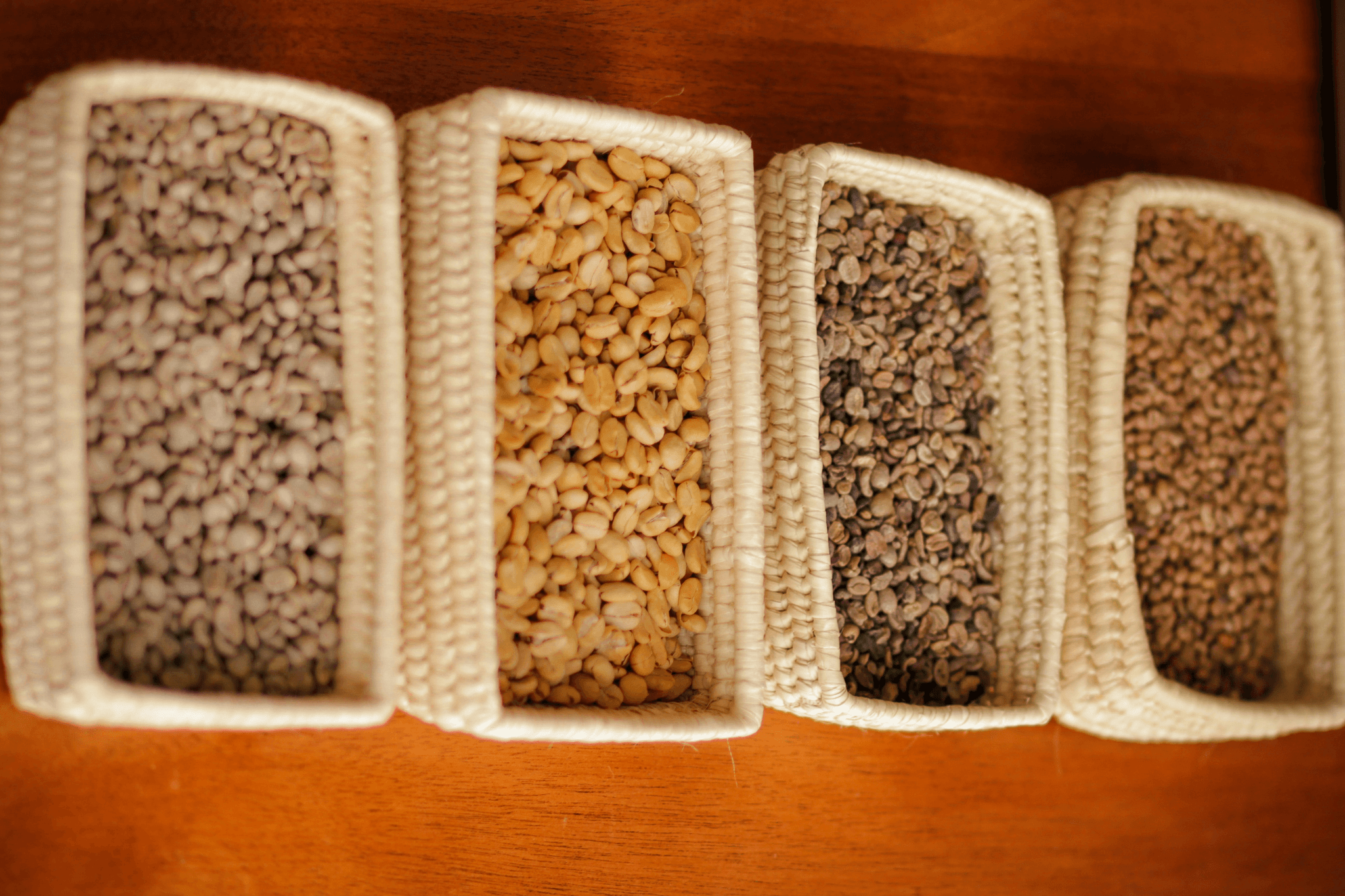
Quality testing is the backbone of ensuring that cereals and pulses meet consumer expectations for safety, nutrition, and flavor. With an increasing demand for transparency in food production, understanding the nuances of cereals & pulses quality testing has never been more crucial. This section will delve into key parameters that define quality, the pivotal role of chemical & nutritional testing, and the benefits of adopting a proactive approach to quality management.
Key Parameters in Quality Assessment
When assessing the quality of cereals and pulses, several key parameters come into play. These include moisture content, protein levels, fiber composition, and overall appearance—each contributing to the final product's desirability. By meticulously evaluating these factors through rigorous quality testing protocols, producers can ensure they deliver high-quality products that meet both regulatory standards and consumer expectations.
Furthermore, sensory attributes such as taste and texture are equally important in the assessment process. The balance between these quantitative measures and qualitative experiences helps establish a product's marketability. Ultimately, a comprehensive understanding of these key parameters ensures that cereals & pulses maintain their reputation as nutritious staples.
Role of Chemical & Nutritional Testing
Chemical & nutritional testing plays a vital role in guaranteeing that cereals and pulses provide real health benefits to consumers. This type of testing involves analyzing nutrient profiles to ensure adequate levels of essential vitamins and minerals while identifying harmful additives or contaminants lurking within food products. By conducting thorough chemical analyses alongside nutritional assessments, producers can confidently stand behind their claims regarding health benefits.
Moreover, accurate nutrient profiling helps consumers make informed choices about their diets—something increasingly important in today’s health-conscious society. As awareness grows about dietary impacts on well-being, the demand for transparency through robust chemical & nutritional testing continues to rise. Thus, this aspect not only assures compliance but also enhances brand loyalty among consumers who prioritize healthful eating.
Benefits of Proactive Quality Management
Adopting a proactive approach to quality management provides numerous advantages for producers in the cereals and pulses sector. By implementing regular quality testing protocols—ranging from microbiological safety assessments to contaminant & residue analysis—companies can identify potential issues before they escalate into larger problems affecting public health or brand reputation. This forward-thinking strategy not only safeguards consumers but also streamlines production processes by minimizing waste associated with rejected batches.
Furthermore, proactive quality management fosters regulatory compliance & standards alignment by keeping companies abreast of evolving food safety regulations across different markets globally. Staying ahead means avoiding costly fines or recalls while ensuring products remain competitive on store shelves worldwide. In this ever-evolving landscape where consumer preferences shift rapidly toward healthier options with transparent sourcing practices, embracing proactive strategies becomes essential for long-term success.
Chemical & Nutritional Testing Explained
In the realm of Cereals & Pulses Quality Testing, Chemical & Nutritional Testing plays a pivotal role in ensuring that consumers receive products that are not only safe but also nutritious. This section delves into the intricacies of nutrient profiling, identifying harmful additives, and ensuring accurate labeling—each essential for maintaining consumer trust and health. By understanding these components, stakeholders can implement effective quality testing measures that align with regulatory compliance and standards.
Nutrient Profiling for Consumer Health
Nutrient profiling is a cornerstone of Chemical & Nutritional Testing, focusing on the essential vitamins, minerals, and macronutrients present in cereals and pulses. This process helps consumers make informed dietary choices by highlighting the nutritional value of these products. With an increasing emphasis on health-conscious eating habits, quality testing ensures that food items meet specific nutritional benchmarks to promote overall well-being.
Moreover, nutrient profiling can reveal the presence of beneficial compounds such as antioxidants and fiber that contribute to heart health and digestive wellness. By conducting thorough assessments during Cereals & Pulses Quality Testing, manufacturers can enhance their product offerings based on consumer preferences for healthier options. Ultimately, robust nutrient profiles not only benefit consumers but also foster brand loyalty through transparency about what’s in their food.
Identifying Harmful Additives and Contaminants
The safety of cereals and pulses hinges on identifying harmful additives and contaminants through comprehensive Chemical & Nutritional Testing protocols. Additives like artificial colors or preservatives may enhance appearance or shelf-life but could pose health risks if consumed excessively over time. Rigorous quality testing helps ensure that any potentially harmful substances are detected early in the production process.
Contaminants such as heavy metals or mycotoxins can infiltrate food supplies through various channels—agricultural practices or environmental factors being prime culprits. Regular contaminant analysis is vital for safeguarding public health; it reassures consumers that their favorite cereals and pulses are free from unwanted surprises lurking beneath the surface. This proactive approach to quality testing not only protects consumers but also aligns with regulatory compliance requirements across global markets.
Ensuring Label Accuracy and Integrity
Label accuracy is crucial in building consumer trust within the competitive landscape of cereals and pulses markets; it’s where Chemical & Nutritional Testing shines brightly! Labels must reflect true ingredient lists, nutritional values, and any potential allergens present in a product to ensure transparency for informed choices. Through meticulous quality testing processes, manufacturers can verify that their labels accurately represent what’s inside each package.
Integrity in labeling goes beyond just compliance; it speaks volumes about a brand's commitment to honesty with its customers. Misleading labels can lead to significant repercussions—both legally during audits for regulatory compliance as well as reputationally when customers feel deceived about what they consume daily! Therefore, implementing rigorous testing protocols allows producers to maintain label integrity while fortifying their standing within market standards.
Microbiological Safety Assessment

Microbiological safety assessment is a critical component of quality testing in the food industry, particularly for cereals and pulses. These staple foods can be susceptible to microbial contamination during various stages of production, storage, and transportation. Ensuring microbiological safety not only protects consumers but also fortifies the reputation of brands committed to high standards in cereals & pulses quality testing.
The Risks of Microbial Contamination
Microbial contamination poses significant health risks, including foodborne illnesses that can lead to severe consequences for consumers. Contaminants such as bacteria, viruses, and fungi can thrive in improperly stored or processed cereals and pulses. This risk emphasizes the need for rigorous microbiological safety assessments as part of comprehensive quality testing protocols.
Moreover, specific pathogens like Salmonella or E. coli are notorious for their potential to cause outbreaks linked to contaminated grains and legumes. The financial implications for producers facing recalls or legal actions due to microbial issues can be staggering. Thus, understanding these risks is essential for implementing effective measures within the realms of chemical & nutritional testing and contaminant & residue analysis.
Testing Methods for Safety Assurance
To combat microbial threats effectively, various testing methods are employed in microbiological safety assessments. Techniques such as polymerase chain reaction (PCR) allow for rapid detection of harmful microorganisms within samples of cereals and pulses. Additionally, traditional culture methods remain invaluable in identifying specific pathogens that may compromise product integrity.
Advancements in technology have led to more sophisticated approaches like next-generation sequencing (NGS), which provides a comprehensive view of microbial communities present in food products. By integrating these methods into regular quality testing regimes, producers can ensure that their products meet stringent safety standards while aligning with regulatory compliance & standards alignment requirements across global markets.
Furthermore, educating staff on proper handling practices complements these scientific methods by reducing contamination risks at every stage from harvest to shelf. It’s not just about finding contaminants; it’s about preventing them from ever entering the supply chain.
Importance of Regular Safety Audits
Regular safety audits play an indispensable role in maintaining high-quality standards through consistent microbiological safety assessments. These audits help identify potential weaknesses in production processes that could lead to microbial contamination before they escalate into serious issues. By routinely evaluating facilities and practices against established guidelines, companies reinforce their commitment to consumer health through diligent quality testing efforts.
Moreover, regular audits serve as an opportunity for continuous improvement within organizations engaged in cereals & pulses quality testing programs. They provide valuable insights into areas needing enhancement while also ensuring compliance with evolving regulatory frameworks governing food safety worldwide.
In conclusion, proactive measures involving regular microbiological safety assessments not only safeguard consumer health but also bolster brand trustworthiness—an essential aspect when navigating today’s competitive marketplace where transparency is paramount.
Contaminant & Residue Analysis
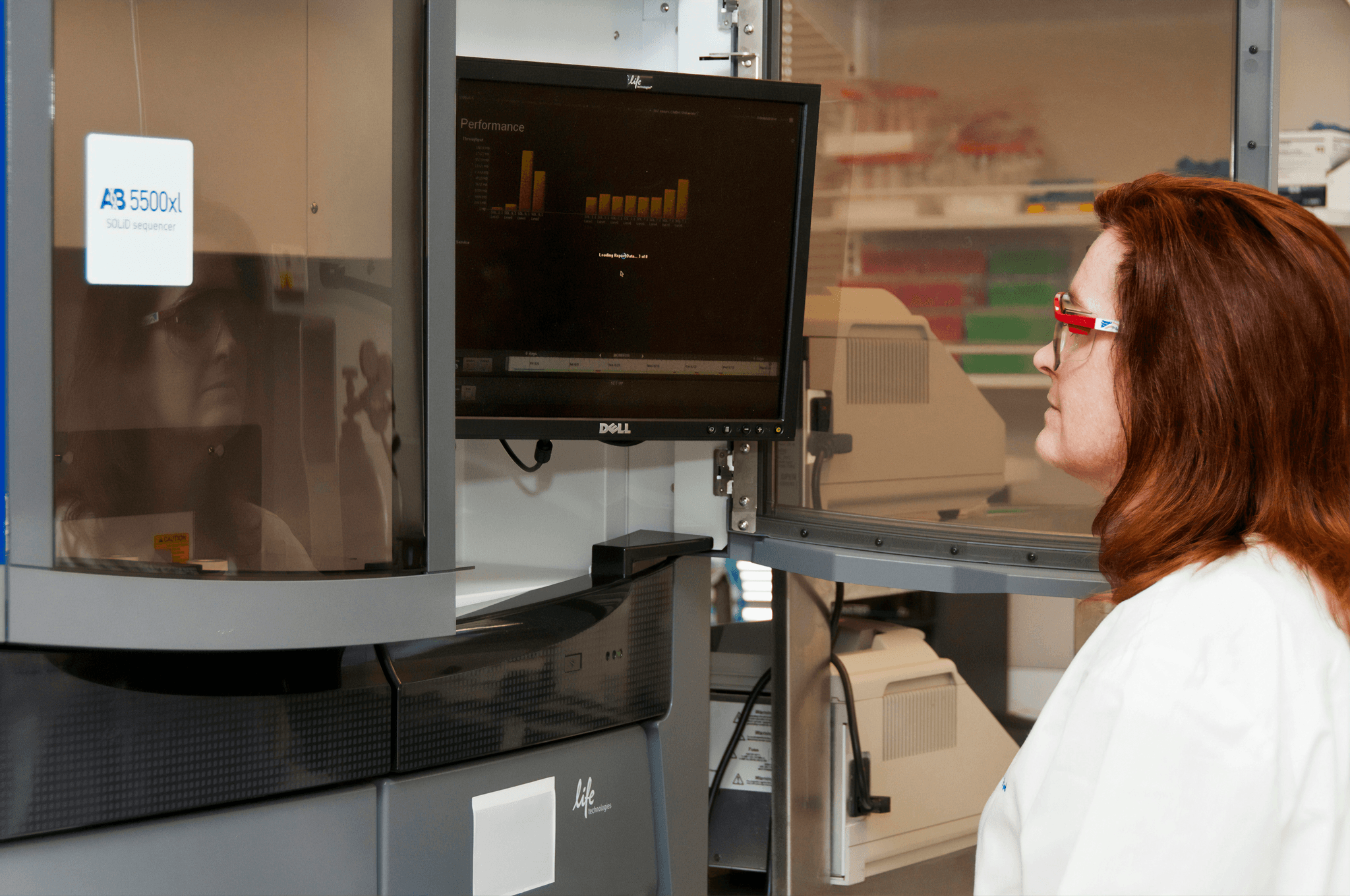
In the realm of cereals and pulses, ensuring product safety is paramount. Contaminant and residue analysis plays a crucial role in Quality Testing, helping to identify harmful substances that could compromise consumer health. This section delves into common contaminants, pesticide residues, and the importance of thorough testing for consumer protection.
Common Contaminants in Cereals and Pulses
Cereals and pulses can be susceptible to various contaminants throughout their production lifecycle. Common culprits include mycotoxins, heavy metals, and pathogens that can infiltrate these staples during cultivation or processing. Recognizing these threats is essential for effective Cereals & Pulses Quality Testing, as it allows producers to implement necessary safeguards against potential hazards.
Mycotoxins are particularly concerning; they can develop in crops due to improper storage conditions or environmental factors. Heavy metals such as lead or cadmium may enter the food chain through contaminated soil or water sources. By understanding these common contaminants, stakeholders can better strategize their Chemical & Nutritional Testing protocols to ensure safe consumption.
Testing for Pesticide Residues
Pesticide residues are another significant concern within contaminant analysis for cereals and pulses. These chemicals, while helpful in managing pests during cultivation, pose risks if they remain on the final product beyond acceptable limits. Rigorous testing for pesticide residues is an integral part of Quality Testing programs aimed at safeguarding public health.
Different methods exist for detecting pesticide residues in food products; these range from chromatographic techniques to mass spectrometry approaches that provide precise measurements of chemical levels present. Regular testing helps ensure compliance with safety regulations while also maintaining consumer trust in products labeled as organic or sustainably sourced. By prioritizing this aspect of quality assurance through Chemical & Nutritional Testing, companies demonstrate their commitment to producing safe food.
Protecting Consumers through Thorough Testing
Thorough contaminant and residue analysis not only protects consumers but also enhances brand reputation within the marketplace. By investing in comprehensive Quality Testing measures—including microbiological safety assessments—companies can confidently assure customers about the safety of their cereals and pulses products. This proactive approach builds trust with consumers who are increasingly concerned about what goes into their food.
Moreover, staying ahead of potential contamination issues through rigorous testing helps mitigate legal liabilities associated with food safety breaches. Regulatory Compliance & Standards Alignment becomes more manageable when companies have robust testing protocols in place that meet or exceed industry standards. Ultimately, protecting consumers through thorough testing fosters a culture of quality that benefits everyone involved—from farmers to grocery store shelves.
Regulatory Compliance & Standards Alignment
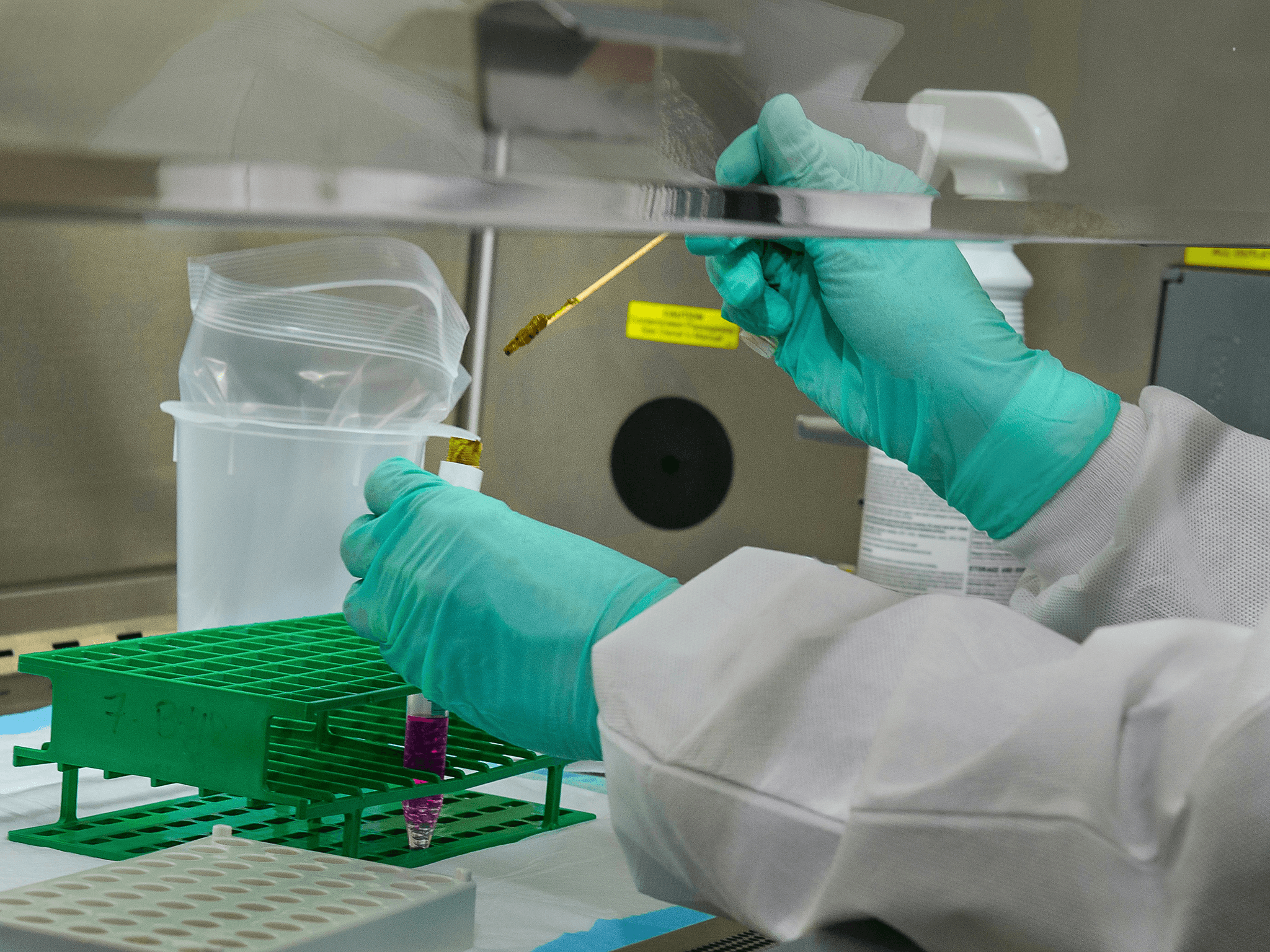
Navigating the complex world of food safety standards is crucial for manufacturers of cereals and pulses. Quality Testing must align with various regulations that differ from country to country, which can be a daunting task. Understanding these global food safety standards ensures that products not only meet local requirements but also gain acceptance in international markets.
Navigating Global Food Safety Standards
Quality Testing for cereals and pulses involves a meticulous understanding of applicable regulations, including those set by organizations such as the FDA, EFSA, and Codex Alimentarius. Each region may have specific guidelines regarding Chemical & Nutritional Testing, microbiological safety assessments, and contaminant analyses that need to be followed closely. Manufacturers must stay updated on these evolving standards to avoid costly penalties or product recalls.
The Role of China Inspection Pro in Compliance
China Inspection Pro plays a pivotal role in helping companies navigate the labyrinth of regulatory compliance within the Chinese market. Their expertise ensures that all aspects of Quality Testing are thoroughly covered, from microbiological safety assessments to contaminant and residue analysis. By leveraging their services, businesses can focus on production while ensuring their products meet stringent Chinese food safety standards.
Ensuring Market Readiness through Testing
To ensure market readiness, robust Quality Testing protocols must be implemented before products hit the shelves. This includes comprehensive Chemical & Nutritional Testing alongside regular microbiological safety assessments to preemptively address potential issues. By prioritizing thorough testing and compliance with global standards, manufacturers not only protect consumers but also enhance their brand reputation in an increasingly competitive marketplace.
Conclusion

Quality testing is not just a box to tick; it’s the backbone of consumer trust and product integrity in the realms of cereals and pulses. By prioritizing **Cereals & Pulses Quality Testing**, manufacturers can ensure that their products meet high standards for safety, nutrition, and overall quality. This proactive approach not only protects consumers but also enhances brand reputation and market competitiveness.
Recap of Quality Testing Benefits
The benefits of **Quality Testing** are manifold, providing assurance that cereals and pulses are free from harmful contaminants while being nutritionally sound. Through comprehensive assessments such as **Chemical & Nutritional Testing**, companies can guarantee that their products deliver on health promises without hidden dangers lurking in the fine print. Furthermore, regular **Microbiological Safety Assessments** help mitigate risks associated with microbial contamination, ensuring consumers receive safe food products.
The Future of Cereals & Pulses Testing
Looking ahead, the future of **Cereals & Pulses Quality Testing** will likely see advancements in technology that streamline testing processes and enhance accuracy. With an increasing focus on sustainability and transparency, consumers will demand even higher standards for quality assurance, driving innovation in methods like **Contaminant & Residue Analysis**. Moreover, as regulatory frameworks evolve worldwide, aligning with these standards through rigorous **Regulatory Compliance & Standards Alignment** will be crucial for market success.
Next Steps for Quality Assurance in Products
To maintain leadership in the competitive landscape of cereals and pulses, businesses must invest in robust quality assurance strategies now more than ever. This includes implementing cutting-edge techniques for **Chemical & Nutritional Testing**, ensuring thorough evaluations through regular microbiological assessments, and committing to continuous improvement based on consumer feedback. By taking these next steps towards comprehensive quality management practices, companies can not only meet but exceed consumer expectations while safeguarding public health.