
Introduction
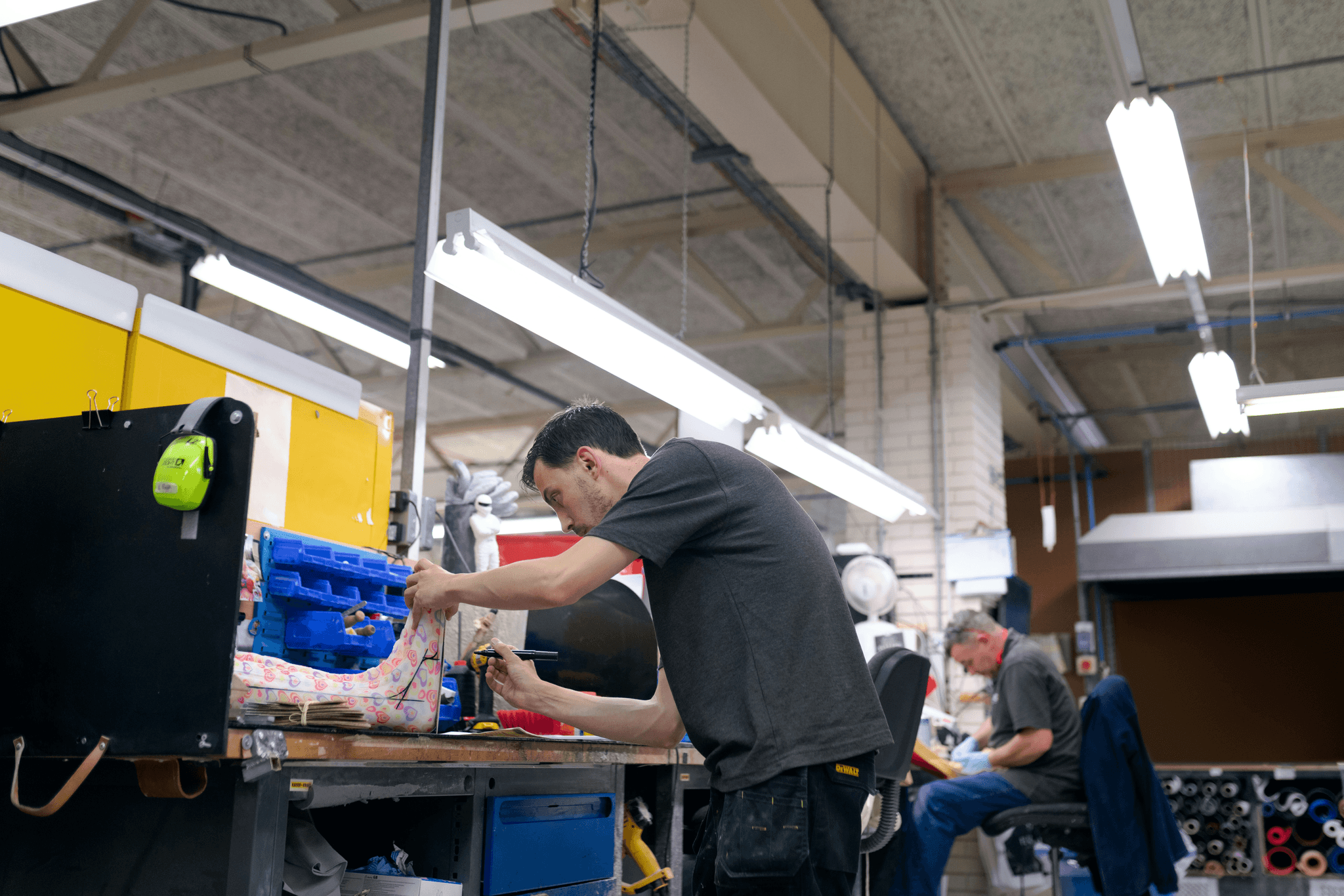
In the competitive world of footwear, quality isn’t just a buzzword; it’s the backbone of brand reputation and consumer loyalty. With the stakes higher than ever, brands must prioritize not only the quality of raw materials but also ensure that craftsmanship meets consumer expectations. As consumers become increasingly conscientious about their purchases, tackling the environmental footprint associated with footwear production has emerged as a critical challenge for manufacturers.
The High Stakes of Quality in Footwear
Quality in footwear is paramount; it can make or break a brand's success in today's market. When consumers invest in a pair of shoes, they expect not only style but durability and comfort, which hinge on both the quality of raw materials and craftsmanship. Poor workmanship can lead to defects that tarnish a brand's reputation, making stringent footwear inspection processes essential to maintain high standards.
Navigating Consumer Expectations Today
Today’s consumers are savvy and informed; they demand transparency regarding product quality and sourcing practices. Brands must navigate these heightened consumer expectations by delivering products that reflect both superior craftsmanship and sustainable practices. Engaging customers through innovation while ensuring consistent communication about quality will foster trust and loyalty in an ever-evolving marketplace.
Tackling Environmental Footprint Challenges
As awareness of environmental issues grows, so does the pressure on footwear brands to minimize their ecological impact. Tackling the environmental footprint involves adopting sustainable practices that extend from sourcing raw materials to production methods that reduce waste and emissions. By prioritizing eco-friendly initiatives alongside rigorous quality control measures, brands can meet consumer demands while contributing positively to our planet's future.
Quality of Raw Materials
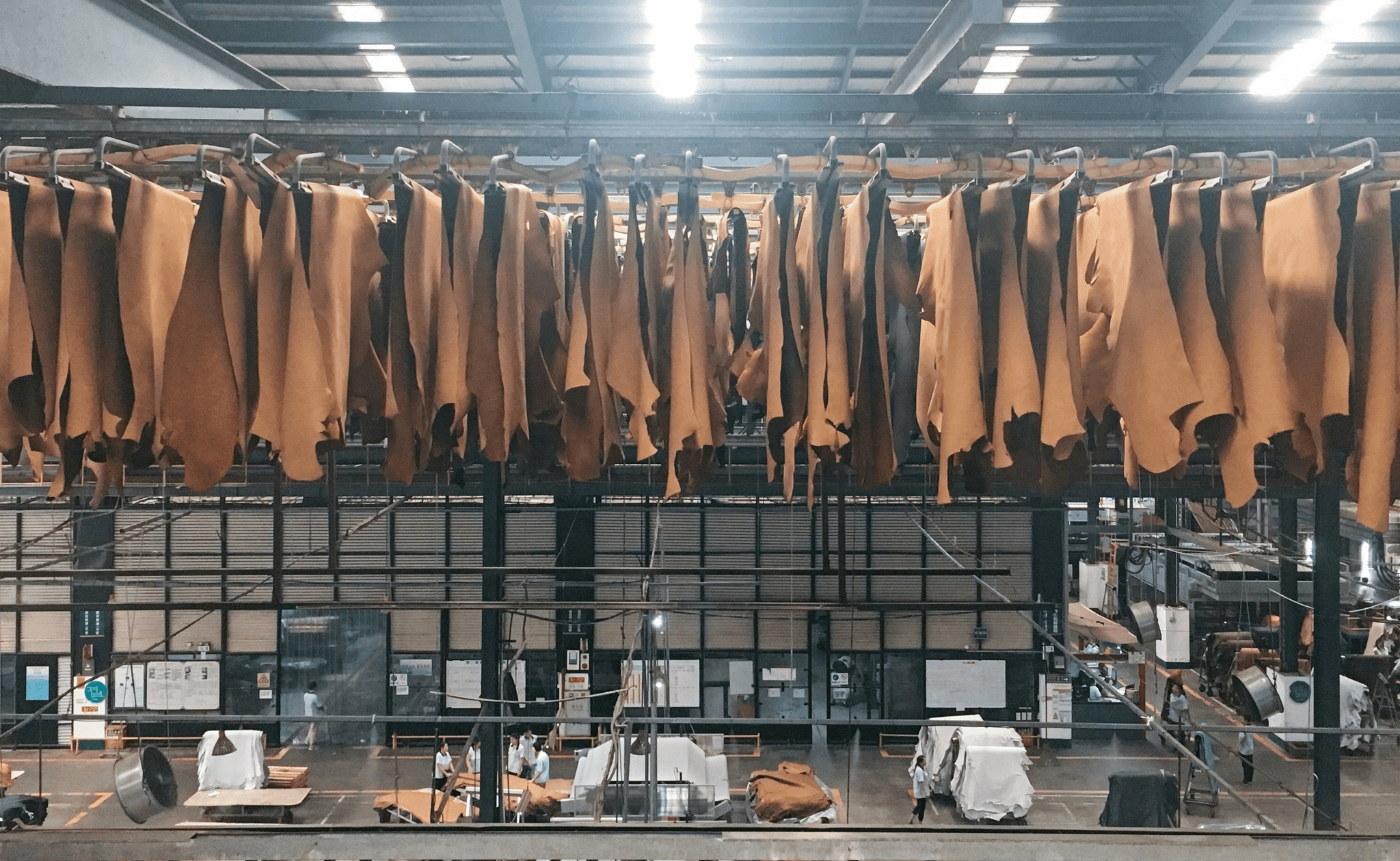
In the world of footwear, the quality of raw materials serves as the bedrock upon which successful products are built. When consumers lace up their shoes, they expect not only style but also durability and comfort—qualities that begin with high-grade materials. Therefore, investing in superior raw materials is not merely an option; it’s a necessity for brands aiming to meet consumer expectations while minimizing their environmental footprint.
The Foundation of Footwear Success
Quality raw materials are paramount in determining the overall performance and longevity of footwear. Poor workmanship can often be masked by flashy designs, but when it comes to functionality, nothing beats a solid foundation made from top-notch components. This foundation directly influences customer satisfaction and brand loyalty, making it essential for companies to prioritize high-quality inputs in their production processes.
Sourcing Sustainably and Effectively
Sourcing sustainably is no longer just a trend; it's become an imperative for brands looking to resonate with eco-conscious consumers. By choosing suppliers who prioritize environmental responsibility alongside material quality, brands can significantly reduce their environmental footprint while ensuring that they meet consumer expectations for sustainability. Effective sourcing also involves building relationships with trusted suppliers who can consistently deliver high-quality raw materials without compromising ethical practices.
Partnering with Experts like China Inspection Pro
To ensure that the quality of raw materials meets rigorous standards, partnering with experts such as China Inspection Pro can be a game-changer. Their specialized footwear inspection services help identify potential issues before they escalate into costly problems down the line—addressing both poor workmanship and material flaws effectively. By leveraging such expertise, brands can maintain high quality across all stages of production while reassuring consumers that their products are crafted from the best possible resources.
Poor Workmanship

In the world of footwear, poor workmanship can be the Achilles' heel for brands striving to meet consumer expectations. Cutting corners during production might save a few bucks in the short term, but it often leads to a cascade of problems that can tarnish a brand's reputation. The cost of poorly made shoes extends beyond financial losses; it erodes trust and loyalty among consumers who demand quality.
The Cost of Cutting Corners
When manufacturers skimp on craftsmanship, they risk producing footwear that not only looks subpar but also fails to perform as expected. This leads to increased returns and complaints, which ultimately hurt a brand’s bottom line and its standing in the market. Moreover, poor workmanship can contribute significantly to an increased environmental footprint as defective products often end up in landfills instead of being recycled or reused.
Training and Retaining Skilled Labor
To combat the pitfalls of poor workmanship, investing in training and retaining skilled labor is essential for footwear brands aiming for excellence. A well-trained workforce is crucial for maintaining high standards that align with consumer expectations regarding quality. Furthermore, fostering an environment where skilled artisans feel valued reduces turnover rates and enhances overall productivity—creating shoes that not only look great but also stand the test of time.
Quality Control Measures That Work
Implementing robust quality control measures is non-negotiable when tackling issues related to poor workmanship in footwear production. Regular inspections throughout the manufacturing process ensure that any defects are caught early, thus minimizing waste and reducing environmental footprints associated with flawed products. Partnering with experts in footwear inspection can provide brands with insights into best practices while reinforcing their commitment to delivering top-notch quality consistently.
Meeting Consumer Expectations

In the competitive realm of footwear, meeting consumer expectations is no longer a luxury but a necessity. The landscape is shifting rapidly, with customers becoming increasingly discerning about quality, sustainability, and overall brand values. Brands must adapt to these changes or risk being left behind in a market that demands transparency and accountability.
The Evolving Market Landscape
The footwear market is evolving at breakneck speed, driven by consumer expectations for higher quality and sustainable practices. Today’s consumers are not just looking for stylish shoes; they want assurance that the materials used are top-notch and sourced responsibly. This means that brands must pay close attention to the quality of raw materials while ensuring their production processes minimize environmental footprint.
As consumers become more informed about issues like poor workmanship and unethical sourcing, they are more likely to support brands that prioritize quality over cost-cutting measures. This shift has prompted companies to rethink their strategies and embrace innovation in design and production methods. In this new landscape, those who fail to meet evolving expectations will find themselves facing the consequences.
Engaging Customers Through Innovation
To truly engage customers, footwear brands need to harness innovation as a key strategy for meeting consumer expectations effectively. This could mean incorporating cutting-edge technology into shoe design or utilizing eco-friendly materials that appeal to environmentally conscious shoppers. By prioritizing both style and sustainability, brands can create products that resonate with today’s discerning consumers.
Moreover, engaging customers goes beyond just product offerings; it involves creating an experience around the brand itself. Transparency in sourcing and production processes can foster trust while showcasing commitment to quality of raw materials used in footwear manufacturing. When customers see genuine efforts towards reducing environmental footprint through innovative practices, they are more likely to remain loyal.
Feedback Loops for Continuous Improvement
Establishing feedback loops is essential for continuous improvement in meeting consumer expectations effectively within the footwear industry. By actively seeking customer input on product quality—whether it be related to raw materials or craftsmanship—brands can identify areas needing enhancement promptly. This proactive approach ensures that any issues related to poor workmanship are addressed swiftly before they escalate into larger problems.
Additionally, leveraging social media platforms allows companies to gather real-time feedback from their audience about what matters most in terms of style, comfort, and sustainability initiatives. Engaging directly with consumers creates a sense of community around the brand while also providing invaluable insights into evolving preferences within the market landscape. Ultimately, embracing these feedback loops leads not only to improved products but also fosters deeper connections with customers who appreciate being heard.
Reducing Environmental Footprint
In today's competitive footwear market, reducing the environmental footprint has become a paramount concern for brands and consumers alike. With increasing awareness of sustainability, companies must adopt practices that not only meet consumer expectations but also contribute positively to the planet. By integrating eco-friendly methods into their production processes, footwear brands can enhance their reputation while making a meaningful impact.
Sustainable Practices That Matter
Sustainable practices in footwear production encompass a range of strategies aimed at minimizing waste and maximizing efficiency. From utilizing renewable energy sources in manufacturing to implementing recycling programs for materials, every step counts toward reducing the environmental footprint. Moreover, ensuring quality of raw materials is crucial; sourcing from suppliers who prioritize sustainability can significantly enhance a brand's commitment to eco-friendly practices.
Training staff on sustainable methods is equally essential; poor workmanship can lead to increased waste and inefficiencies that undermine these efforts. By investing in training programs that emphasize sustainable practices, companies can foster a culture of environmental responsibility among their workforce. Ultimately, sustainable practices not only benefit the planet but also resonate with consumers who are increasingly seeking out environmentally conscious brands.
Eco-friendly Materials and Production Methods
The choice of materials plays a pivotal role in determining the overall environmental impact of footwear products. Brands are now exploring innovative eco-friendly materials such as recycled plastics, organic cotton, and biodegradable components that reduce reliance on traditional resources. By prioritizing quality of raw materials that align with sustainability goals, companies can produce shoes that meet consumer expectations without compromising on performance or style.
Production methods have also evolved to embrace greener technologies; for instance, waterless dyeing techniques minimize water usage while maintaining vibrant colors in footwear designs. Additionally, adopting circular economy principles—where products are designed for longevity and recyclability—can further mitigate the environmental footprint associated with footwear manufacturing. These advancements not only appeal to eco-conscious consumers but also set new industry standards for responsible production.
Communicating Your Green Initiatives
Effectively communicating green initiatives is key to building trust with consumers who prioritize sustainability when making purchasing decisions. Brands should transparently share information about their sourcing practices, production processes, and commitment to reducing their environmental footprint through various channels like social media and marketing campaigns. Highlighting partnerships with organizations dedicated to quality assurance—such as those focused on footwear inspection—can reinforce credibility and demonstrate accountability.
Engaging storytelling around these initiatives helps create an emotional connection between consumers and brands; sharing success stories about sustainable transformations or community impact projects fosters loyalty among environmentally conscious customers. Additionally, soliciting feedback from customers regarding their perceptions of your green efforts allows for continuous improvement while aligning product offerings with consumer expectations more closely than ever before.
In conclusion, by embracing sustainable practices throughout all aspects of production—from raw material sourcing to final product delivery—footwear brands can significantly reduce their environmental footprint while meeting evolving consumer demands.
Conclusion
In the ever-evolving landscape of footwear, raising the bar on quality is no longer just an option; it's a necessity. As brands strive to meet consumer expectations, they must prioritize the quality of raw materials and ensure that every step of production reflects excellence. When it comes to footwear inspection, a thorough approach can prevent poor workmanship from tarnishing a brand’s reputation and impact its bottom line.
Raising the Bar on Footwear Quality
To truly elevate footwear quality, brands need to focus on sourcing the best raw materials available. This not only enhances product durability but also aligns with consumer expectations for premium offerings. By investing in rigorous footwear inspection processes, companies can identify any lapses in craftsmanship or material integrity before products hit the shelves.
Fulfilling Consumer Expectations Responsively
Today's consumers are savvy; they seek transparency and responsiveness from brands regarding their products' quality and sustainability. Engaging customers through innovative designs and responsive feedback loops ensures that their voices shape future offerings. This commitment to meeting consumer expectations also means addressing concerns about poor workmanship head-on—after all, nobody wants a pair of shoes that falls apart after a few wears.
Embracing Sustainability for Future Success
As we look to the future, embracing sustainability is crucial for reducing our environmental footprint while appealing to eco-conscious consumers. Brands must adopt eco-friendly materials and production methods that not only minimize waste but also resonate with modern consumer values. By effectively communicating green initiatives through transparent practices like footwear inspection, companies can carve out a niche in an increasingly competitive market while championing environmental responsibility.