
Introduction
Among these regulations, the CPSIA Tracking Label stands out as a vital requirement for sellers. Understanding what a CPSIA Tracking Label is and its significance can make all the difference in ensuring your products meet safety standards.
Understanding the CPSIA Tracking Label
So, what is a CPSIA Tracking Label? In essence, it’s a label that provides essential information about a product's compliance with the Consumer Product Safety Improvement Act (CPSIA). This label serves not only as proof of safety but also as an assurance to consumers that you take their well-being seriously.
Importance of Compliance for Sellers
For sellers, compliance with CPSIA requirements isn't just about following rules; it's about building trust with customers. Failing to adhere to these standards can lead to severe consequences, including fines and damage to your brand's reputation. Thus, understanding how to create a CPSIA Tracking Label becomes crucial for maintaining credibility in the marketplace.
Overview of CPSIA Requirements
The CPSIA has specific requirements that apply to various products aimed at children, including toys and clothing. Knowing what products require a CPSIA label is essential for any seller in this space. By adhering to these requirements, you not only protect your business but also contribute positively to consumer safety.
What is a CPSIA Tracking Label?

When navigating the intricate world of product safety, one term that frequently pops up is the CPSIA Tracking Label. This label is more than just a sticker; it serves as a vital tool for ensuring compliance with safety regulations regarding children's products. Understanding what a CPSIA Tracking Label entails is crucial for sellers, especially those wondering, What Products Require a CPSIA Label?
Definition and Purpose
A CPSIA Tracking Label is an essential component mandated by the Consumer Product Safety Improvement Act (CPSIA) aimed at enhancing the safety of children's products. Its primary purpose is to provide critical information about the product's origin, manufacturing details, and compliance with safety standards. By including this label, manufacturers and sellers can ensure transparency and accountability in their supply chain.
The existence of a CPSIA Tracking Label not only aids in compliance but also fosters consumer trust. Parents are increasingly vigilant about the safety of products intended for their children; thus, having this label can reassure them that you take safety seriously. Moreover, it creates a streamlined process for recalls if any issues arise.
Key Components of the Label
To fully grasp what makes up a CPSIA Tracking Label, it’s important to understand its key components. Typically, these labels include information such as the manufacturer's name, location where the product was manufactured, date of production, and batch or lot number. Additionally, it may contain specific warnings or instructions related to safe usage.
Another vital aspect of these labels is that they must be durable and legible throughout the product's lifespan—no one wants peeling stickers or faded text when they need them most! The layout should be straightforward yet informative so that consumers can quickly find essential details without any hassle.
Benefits of Using CPSIA Tracking Labels
Using CPSIA Tracking Labels offers numerous benefits that go beyond mere compliance with regulations; they serve as an investment in your brand's reputation and customer loyalty. First off, these labels help streamline recall processes by providing precise information about affected batches if issues arise—saving time and potentially lives.
Moreover, adopting these labels can enhance your brand image as a responsible seller committed to child safety standards. This commitment resonates well with consumers who prioritize safe products for their children; thus increasing customer trust translates into increased sales over time.
Finally, implementing CPSIA Tracking Labels helps you stay ahead of competitors who may overlook such requirements—making your products more appealing on platforms like Amazon where compliance is scrutinized closely! By understanding Do Products Sold on Amazon Need to be CPSIA Compliant?, you’ll see how critical these labels are in maintaining market access.
What Products Require a CPSIA Label?

Understanding what products require a CPSIA Tracking Label is crucial for sellers, especially when navigating the complex landscape of compliance. The Consumer Product Safety Improvement Act (CPSIA) mandates that certain items, particularly those intended for children, adhere to strict safety guidelines. Failing to implement the necessary CPSIA Tracking Labels can lead to significant penalties and safety risks.
Children's Products and Toys
Children's products and toys are at the forefront of CPSIA requirements, making it essential for sellers to understand what is classified under this category. If a product is designed for children aged 12 years or younger, it likely requires a CPSIA Tracking Label to ensure compliance with safety standards. This includes toys that pose choking hazards or contain hazardous materials; thus, proper labeling not only meets legal requirements but also protects young consumers.
In addition to physical toys, any item marketed as suitable for children—such as art supplies or educational products—must also carry the CPSIA Tracking Label. These labels serve as an assurance that manufacturers have followed necessary testing protocols and documented their compliance efforts. Sellers should be diligent in identifying all children's products in their inventory that fall under these regulations.
Clothing and Accessories
Items such as shirts, pants, hats, and even jewelry tailored for kids must comply with CPSIA guidelines if they are intended for use by children aged 12 years or younger. This means including labels that specify material content and safety testing results.
Moreover, accessories like backpacks or lunchboxes also require proper labeling under the CPSIA framework if they cater specifically to minors. Sellers should be proactive in ensuring all clothing items meet these standards by incorporating detailed tracking labels that document their compliance journey from production through sale. By doing so, they not only fulfill legal obligations but also foster trust among parents who prioritize product safety.
Furniture and Home Goods
Furniture items intended for children's use represent another category where a CPSIA Tracking Label is mandatory. Cribs, high chairs, playpens—these essential pieces must adhere to stringent safety regulations due to their direct impact on child welfare during critical developmental stages. Each piece of furniture must include detailed tracking labels indicating compliance with required tests such as stability assessments and material toxicity checks.
Even home goods like bedding sets or decorative items designed specifically for children's rooms fall under this umbrella of regulation requiring clear labeling practices according to the CPSIA guidelines. Sellers need to understand that failure to provide these tracking labels could result in recalls or legal action against them—a risk no business wants on its hands! Therefore, ensuring every piece of furniture complies with these requirements will not only safeguard their business interests but also enhance customer confidence in the brand.
How to Create a CPSIA Tracking Label
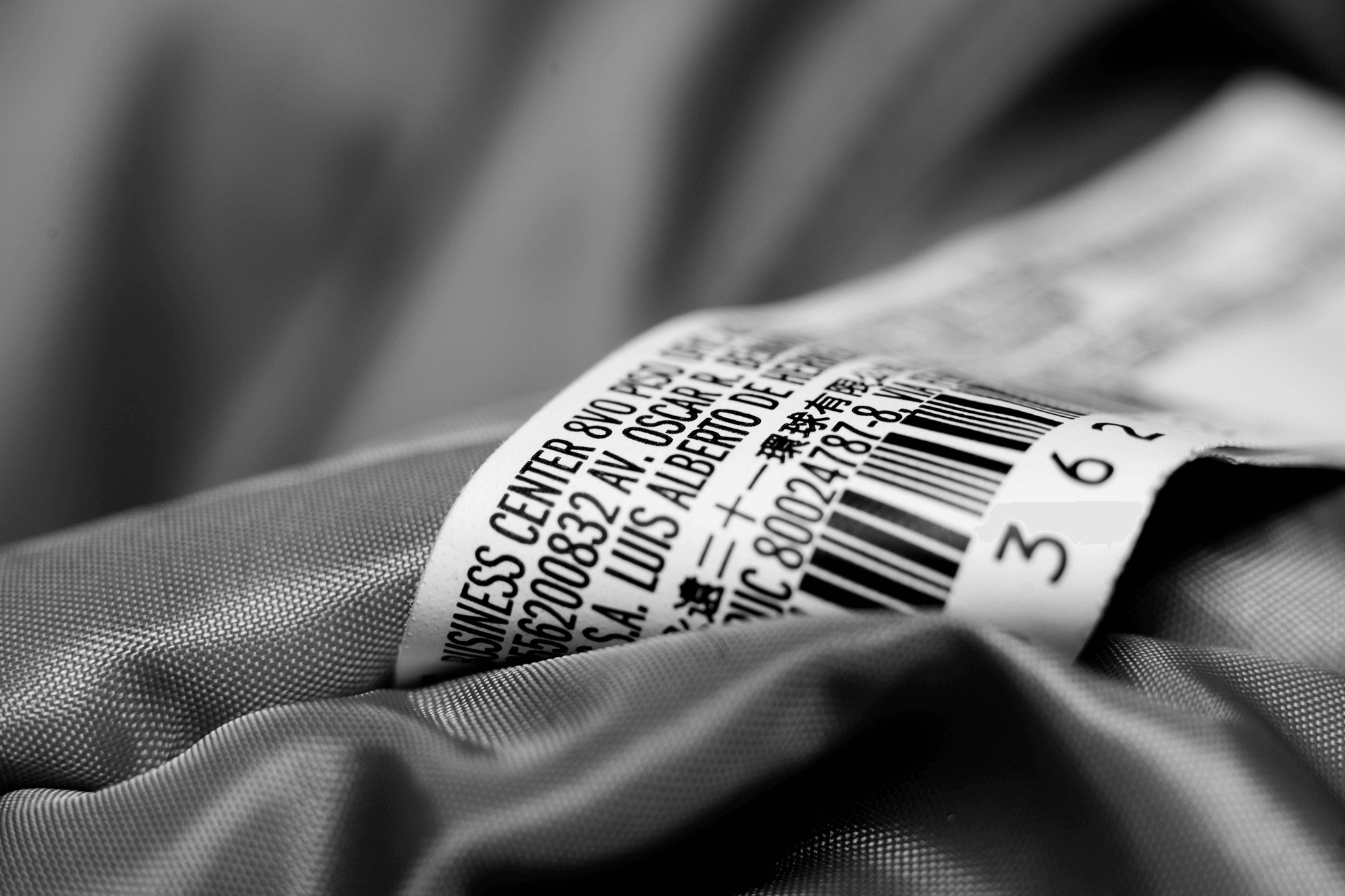
Creating a CPSIA Tracking Label is essential for ensuring your products comply with safety regulations. This label not only helps you adhere to legal requirements but also builds trust with consumers who prioritize safety. So, let’s dive into the nitty-gritty of how to create a CPSIA Tracking Label that meets compliance standards.
Essential Information to Include
When crafting your CPSIA Tracking Label, it’s crucial to include specific information that meets regulatory standards. First and foremost, the label should contain the name and contact information of the manufacturer or importer—this is vital for traceability. Additionally, include the date of manufacture and any applicable tracking number or batch code; this assists in identifying potential recalls or safety issues down the line.
Another key component is a statement indicating compliance with applicable safety standards, such as ASTM F963 for toys or other relevant regulations. Remember that clarity is king; ensure all text is legible and easy to read at a glance. Lastly, don’t forget to add any necessary warnings regarding age appropriateness—this helps inform consumers about what products require a CPSIA label.
Design and Format Guidelines
The design of your CPSIA Tracking Label might seem like an afterthought, but it plays a significant role in its effectiveness. Start by choosing durable materials that can withstand wear and tear since these labels often end up on toys or products that get handled frequently. Use clear fonts and contrasting colors for readability; you want consumers—and inspectors—to easily identify critical information without squinting!
In terms of format, keep it simple yet informative: dimensions should be practical enough so they fit on your product without being overwhelming. The label can be printed directly onto packaging or applied as an adhesive sticker—just ensure it adheres well! Remember that if you're wondering What Products Require a CPSIA Label?, then this design will apply across various items from toys to clothing.
Common Pitfalls to Avoid
Even seasoned sellers can trip up when creating their CPSIA Tracking Labels if they’re not careful! One common pitfall is omitting essential information; make sure every required detail is present before hitting print! Another mistake involves using illegible fonts or confusing designs—if customers can’t read your label, it defeats its purpose completely.
Also, beware of incorrect compliance statements: if you claim adherence to certain standards without proper testing documentation, you could face severe consequences down the line—especially if you sell on platforms like Amazon where compliance checks are stringent! Finally, remember that labels must be updated whenever there are changes in manufacturing practices or regulations; staying current ensures ongoing compliance with evolving safety laws.
Do Products Sold on Amazon Need to be CPSIA Compliant?
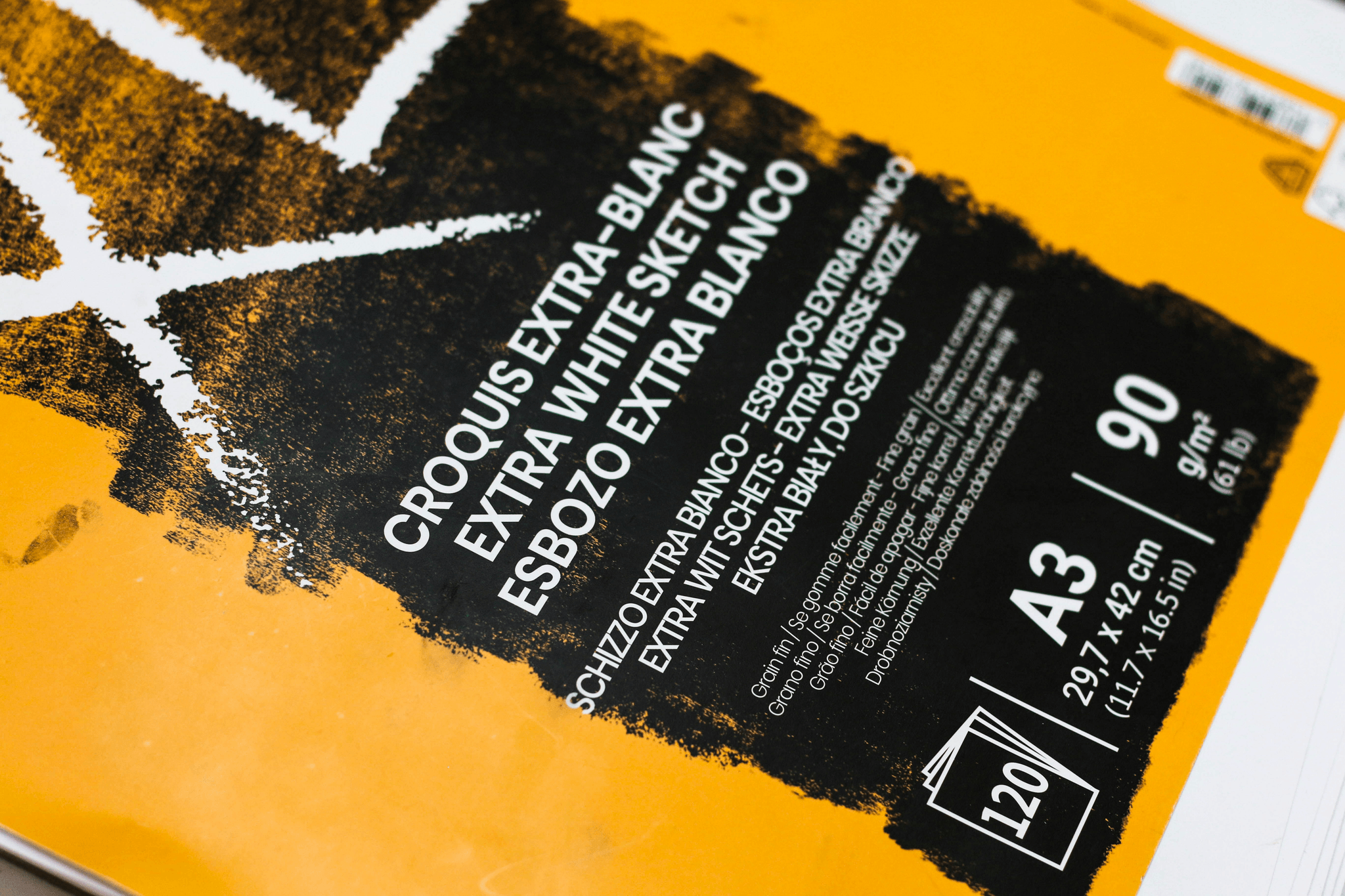
When it comes to selling products on Amazon, understanding compliance with regulations such as the CPSIA Tracking Label is crucial. The Consumer Product Safety Improvement Act (CPSIA) mandates that certain products, especially those intended for children, must adhere to safety standards. This means sellers need to be well-versed in what constitutes a CPSIA Tracking Label and the implications of non-compliance.
Amazon's Requirements Explained
Amazon is quite clear about its expectations regarding product safety and compliance, particularly for items that fall under the umbrella of children's products. According to their guidelines, any product aimed at children must have a CPSIA Tracking Label if it meets the criteria outlined in the act. This requirement ensures that all toys, clothing, and other children's items sold on Amazon can be traced back through their supply chain for safety verification.
Understanding what is a CPSIA Tracking Label helps sellers navigate these requirements more effectively. Essentially, this label contains vital information about the product’s manufacturing details and compliance status. Sellers should familiarize themselves with these specific requirements to avoid potential pitfalls when listing their products.
Seller Responsibilities for Compliance
Sellers are not just passive participants; they bear significant responsibility when it comes to ensuring their products meet CPSIA standards. This includes creating a valid CPSIA Tracking Label that contains essential information such as manufacturer details and certification statements regarding safety tests passed by the product. It’s imperative for sellers to stay updated on what products require a CPSIA label and ensure their listings reflect this compliance accurately.
Moreover, sellers must maintain records of testing results and any certifications related to their products’ safety features. This documentation is vital not only for compliance but also in case of audits or inquiries from Amazon or regulatory bodies. By being proactive about these responsibilities, sellers can enhance consumer trust while ensuring they meet legal obligations.
Consequences of Non-compliance
The consequences of failing to comply with CPSIA requirements can be severe—both financially and reputationally. Non-compliance may lead Amazon to remove listings or suspend seller accounts entirely until proper documentation is provided or issues are resolved. Additionally, legal repercussions could arise from fines or penalties imposed by regulatory agencies if non-compliant products are found in circulation.
Beyond immediate financial penalties, there’s also the potential damage to brand reputation that comes from selling unsafe or unregulated products. Customers expect transparency regarding product safety; lacking a proper CPSIA Tracking Label might lead them to question your commitment to quality assurance and safety standards. Ultimately, understanding how to create a CPSIA Tracking Label isn't just about following rules—it's about fostering trust with your customers while safeguarding your business interests.
Ensuring Quality with China Inspection Pro
Quality assurance is a crucial aspect of the manufacturing process, especially when it comes to products requiring a CPSIA Tracking Label. Ensuring that your products meet safety standards and regulatory requirements helps protect both consumers and sellers from potential liabilities. A robust quality inspection process can identify defects early, preventing costly recalls and compliance issues later on.
Importance of Quality Inspection
Quality inspection plays a pivotal role in ensuring that products adhere to the necessary regulations, including those outlined by the CPSIA. Not only does it help verify that your items are safe for children, but it also enhances your brand's reputation as a reliable seller. By implementing thorough inspections, you can confidently market your products while minimizing risks associated with non-compliance.
How China Inspection Pro Can Help
China Inspection Pro specializes in providing comprehensive quality control services tailored to meet CPSIA requirements. Their team of experienced inspectors ensures that every product is evaluated against stringent safety standards before reaching the market. By partnering with China Inspection Pro, sellers can streamline their quality assurance processes and focus on what they do best—creating great products.
Tips for Selecting the Right Inspection Services
When selecting an inspection service provider, look for those with proven expertise in CPSIA compliance and experience with your specific product category. It's essential to check their credentials and client testimonials to gauge their reliability and effectiveness in conducting inspections related to what is a CPSIA Tracking Label? Additionally, consider their flexibility in accommodating your production timeline; timely inspections can prevent delays in getting your products to market while ensuring they meet all necessary regulations.
Conclusion
As we wrap up our exploration of the CPSIA Tracking Label, it’s clear that understanding this label is crucial for anyone involved in selling children's products. From its definition to its essential components, the CPSIA Tracking Label serves as a safeguard for both consumers and sellers alike. Compliance with these regulations not only protects children but also enhances a seller's reputation in a competitive marketplace.
Key Takeaways on CPSIA Tracking Labels
The CPSIA Tracking Label is more than just a piece of information; it's a commitment to safety and transparency. Remember, what is a CPSIA Tracking Label? It’s designed to provide essential details about the product's origin and compliance with safety standards. Sellers must recognize that products requiring a CPSIA label include toys, clothing, and even furniture—essentially anything intended for children.
Navigating Compliance as a Seller
Navigating compliance can feel like walking through a maze, but understanding how to create a CPSIA Tracking Label simplifies the process significantly. Sellers are responsible for ensuring their products meet all necessary requirements, including those set by platforms like Amazon—do products sold on Amazon need to be CPSIA compliant? Absolutely! Non-compliance can lead to severe consequences such as fines or removal from sales platforms, making it imperative for sellers to stay informed.
Future Trends in CPSIA Regulations
Looking ahead, future trends in CPSIA regulations suggest an increasing focus on sustainability and environmental impact alongside safety standards. As consumer awareness grows, sellers may need to adapt their practices not only regarding what products require a CPSIA label but also how they communicate this information effectively. The evolution of these regulations will likely emphasize transparency even more, so staying proactive will be key for any seller aiming for long-term success.