
Introduction
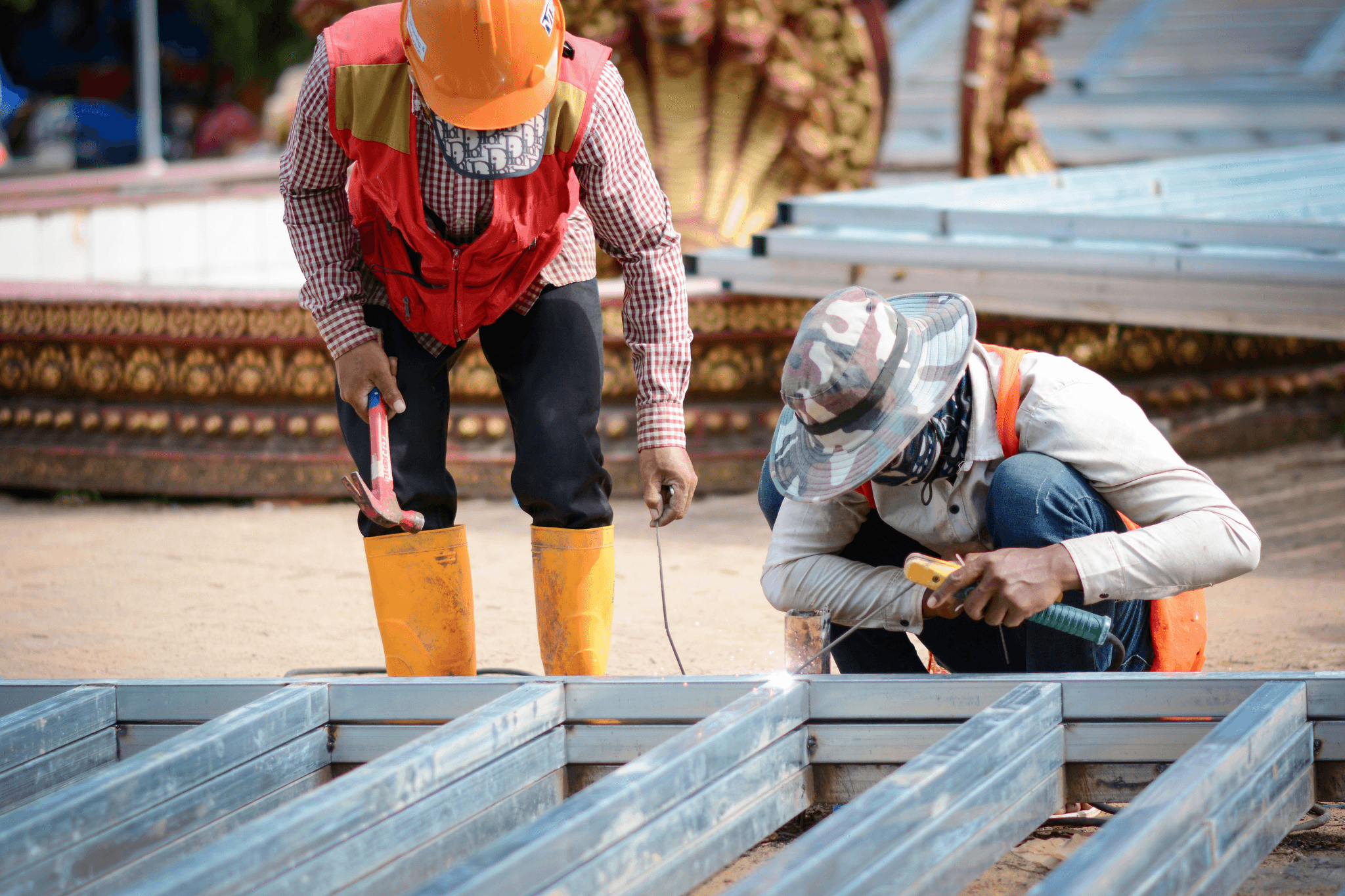
In a world where quality and safety are paramount, third-party inspection emerges as a crucial component in various industries. This process involves independent professionals who assess products, materials, or processes to ensure they meet established standards and regulations. Understanding the role of different types of inspectors can help organizations maintain high levels of quality and safety throughout their operations.
Understanding Third Party Inspection
Third-party inspection serves as an impartial evaluation mechanism that helps businesses mitigate risks associated with product failures or non-compliance. By relying on experts such as Welding Inspectors, Painting & Coatings Inspectors, and HSE Inspectors, companies can gain insights into the integrity and safety of their projects. This system not only fosters trust among stakeholders but also enhances overall operational efficiency.
Importance of Different Types of Inspectors
The landscape of third-party inspection is diverse, featuring different types of inspectors who specialize in various fields. Each inspector plays a vital role in ensuring that specific aspects of production adhere to quality standards—whether it's through welding integrity assessments, coating evaluations, or health and safety compliance checks. Recognizing the importance of these specialized roles can lead to improved project outcomes and reduced liabilities.
Brief Overview of Key Inspector Roles
Among the different types of inspectors, the Welding Inspector stands out for their expertise in assessing weld quality and ensuring structural integrity in metalwork. Meanwhile, Painting & Coatings Inspectors focus on surface preparation and application techniques to enhance durability and aesthetics. Lastly, HSE Inspectors are pivotal in safeguarding workplace environments by enforcing compliance with health and safety regulations—each contributing uniquely to a comprehensive quality assurance framework.
Welding Inspector

When it comes to ensuring the integrity and safety of welded structures, the role of a Welding Inspector is paramount. This inspector specializes in evaluating welding processes, materials, and finished products to ensure they meet industry standards and specifications. In a world where structural failures can lead to catastrophic consequences, the importance of a skilled Welding Inspector cannot be overstated.
Role of a Welding Inspector
The primary role of a Welding Inspector is to oversee welding operations and ensure that all welds are performed according to established codes and standards. They act as the gatekeepers of quality, examining welds for defects such as cracks or incomplete fusion that could compromise structural integrity. By collaborating closely with welders and engineers, the Welding Inspector ensures that everyone adheres to best practices throughout the welding process.
Key Responsibilities and Skills
A Welding Inspector wears many hats—inspecting welds visually, conducting non-destructive testing (NDT), and maintaining detailed records of inspections performed. Key responsibilities include interpreting blueprints and specifications, identifying potential issues during the welding process, and providing guidance on corrective actions when necessary. Essential skills for this position include attention to detail, strong analytical abilities, familiarity with different types of inspectors' methodologies like those used by Painting & Coatings Inspectors or HSE Inspectors, as well as excellent communication skills for effective collaboration with teams.
Importance in Quality Assurance
The importance of a Welding Inspector in quality assurance cannot be overlooked; they play an essential role in maintaining safety standards across various industries such as construction, manufacturing, and oil & gas. By ensuring that welds are completed correctly from the outset, these inspectors help prevent costly rework or catastrophic failures down the line—saving companies time and money while safeguarding lives. In essence, without skilled Welding Inspectors assessing their work alongside other experts like Painting & Coatings Inspectors or HSE Inspectors, achieving high-quality outcomes would be significantly more challenging.
Painting & Coatings Inspector

When it comes to maintaining the integrity and appearance of structures, the role of a Painting & Coatings Inspector is crucial. This inspector specializes in evaluating the application and quality of coatings on various surfaces, ensuring they meet industry standards and specifications. In a world where aesthetics and functionality go hand in hand, understanding this role is key to asset preservation.
Overview of Painting & Coatings Inspector
A Painting & Coatings Inspector focuses on the processes involved in applying protective layers to surfaces, whether they be metal, wood, or concrete. These inspectors assess factors like surface preparation, coating application techniques, and curing processes to ensure that every layer contributes to overall durability. By understanding different types of inspectors—including Welding Inspectors and HSE Inspectors—it's clear that each plays a vital role in safeguarding assets from environmental wear and tear.
Techniques and Standards Used
In their line of work, Painting & Coatings Inspectors employ various techniques such as visual inspections, adhesion tests, and thickness measurements to evaluate coating effectiveness. They adhere to industry standards set by organizations like ASTM International or ISO (International Organization for Standardization), which guide best practices for material selection and application methods. By utilizing these techniques alongside collaboration with other inspectors—like Welding Inspectors who focus on structural integrity—they ensure a comprehensive approach to quality assurance.
Significance in Asset Longevity
The significance of a Painting & Coatings Inspector cannot be overstated when it comes to enhancing asset longevity. Properly applied coatings not only improve aesthetics but also protect against corrosion, UV damage, and other environmental factors that can lead to premature deterioration. As part of a broader team that includes different types of inspectors such as HSE Inspectors focusing on safety regulations, these professionals contribute significantly to extending the life cycle of structures while ensuring compliance with safety standards.
HSE Inspector
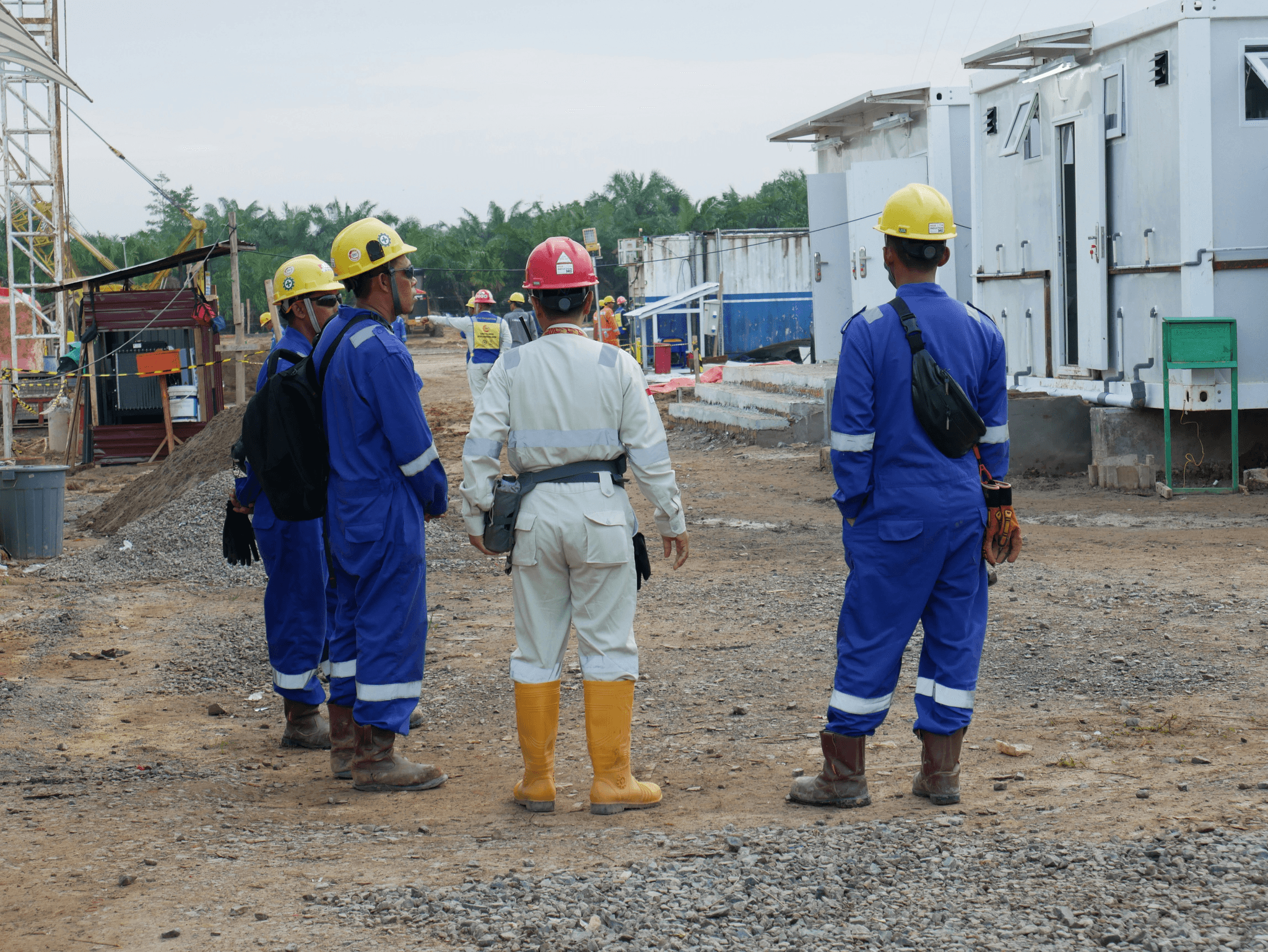
When it comes to ensuring a safe and healthy working environment, the role of an HSE (Health, Safety, and Environment) Inspector is paramount. These professionals are dedicated to identifying hazards, assessing risks, and implementing safety measures across various industries. Their expertise is crucial in fostering a culture of safety that protects employees and assets alike.
Functions of an HSE Inspector
An HSE Inspector performs a variety of functions aimed at promoting workplace safety and compliance with health regulations. They conduct thorough inspections to identify potential hazards and ensure that all safety protocols are being followed by employees. Additionally, they provide training sessions on best practices for health and safety, reinforcing the importance of awareness among staff members.
In their quest for safety, HSE Inspectors also review documentation related to incidents and accidents within the workplace. This analysis helps them understand trends in workplace injuries or illnesses, allowing them to recommend corrective actions effectively. Ultimately, their multifaceted role ensures that organizations not only comply with legal requirements but also cultivate a proactive approach towards health and safety.
Compliance with Safety Regulations
Compliance with safety regulations is one of the primary responsibilities of an HSE Inspector. They are well-versed in local laws as well as international standards governing occupational health and safety practices. By ensuring adherence to these regulations, they help organizations avoid costly fines or legal repercussions while safeguarding employee well-being.
HSE Inspectors often collaborate with other types of inspectors—such as Welding Inspectors or Painting & Coatings Inspectors—to create comprehensive assessments that address all aspects of workplace safety. This collaborative approach ensures that every angle is covered when it comes to risk management strategies within an organization’s operations. By maintaining compliance across different domains, they contribute significantly to overall operational integrity.
Impact on Workplace Safety
The impact of an HSE Inspector on workplace safety cannot be overstated; their presence often leads to a noticeable decline in accident rates over time. By actively identifying risks and implementing effective solutions, they create safer work environments where employees can thrive without fear of injury or illness. Their work fosters a culture where everyone feels responsible for maintaining high standards of health and safety.
Moreover, the influence extends beyond immediate compliance; it cultivates long-term benefits such as increased productivity and employee morale. When workers feel secure in their environment thanks to diligent oversight from professionals like HSE Inspectors, they are more likely to perform at their best—leading ultimately to better outcomes for businesses overall. In essence, investing in expert inspectors translates into tangible gains for both employees and employers alike.
Conclusion
In a world where quality and safety are paramount, the role of expert inspectors cannot be overstated. Different types of inspectors, including Welding Inspectors, Painting & Coatings Inspectors, and HSE Inspectors, each bring unique skills and perspectives that contribute significantly to various industries. Their expertise not only ensures compliance with regulations but also enhances overall project quality.
The Value of Expert Inspectors
Expert inspectors are the unsung heroes behind the scenes, ensuring that projects meet stringent standards and specifications. The value they bring is evident in every weld inspected by a Welding Inspector or every coat applied by a Painting & Coatings Inspector. Without their keen eyes and specialized knowledge, projects could face delays or even catastrophic failures due to overlooked details.
How Different Inspectors Enhance Quality
Different types of inspectors play crucial roles in enhancing quality across various sectors. A Welding Inspector guarantees that structural integrity is maintained through proper welding techniques, while a Painting & Coatings Inspector ensures surface protection against environmental damage. Meanwhile, HSE Inspectors focus on workplace safety protocols that protect workers’ health, ultimately fostering an environment where high-quality work can thrive.
Choosing the Right Inspector for Your Needs
Selecting the right inspector is vital for achieving optimal results in any project. Depending on your specific requirements—be it welding integrity or protective coatings—you may need a specialized Welding Inspector or Painting & Coatings Inspector to suit your needs best. Additionally, incorporating an HSE Inspector into your team can ensure compliance with safety regulations while enhancing overall workplace safety.