
Introduction
Embarking on a project involving complex machinery or electrical systems without a proper Factory Acceptance Test can be like sailing into uncharted waters blindfolded. A well-executed Factory Acceptance Test in Pump setups, especially the FAT Test for Rotary Equipment, ensures that everything functions seamlessly before reaching the client’s doorstep. This crucial step acts as a safeguard, catching potential issues early and saving time and money down the line.
Understanding the scope of Factory Acceptance Test procedures is essential for any successful project. The FAT Test for Rotary Equipment and electrical components covers performance verification, safety standards, and compliance checks—all tailored to meet specific industry requirements. When you grasp what needs testing and why it matters, you’re better equipped to streamline your process and avoid costly surprises during site commissioning.
Conducting a thorough FAT before delivery offers numerous benefits that extend beyond just quality assurance. It provides confidence that the equipment—whether it's a pump system or electrical setup—meets all specifications, reducing downtime later on. Plus, it demonstrates professionalism to clients and stakeholders alike, reinforcing your reputation for delivering reliable solutions through meticulous planning and execution.
Planning Your Factory Acceptance Test
Proper planning is the backbone of a successful Factory Acceptance Test, especially when it comes to complex systems like pumps and rotary equipment. A well-structured plan ensures that every aspect of the FAT Test for Rotary Equipment and Electrical Equipment is covered thoroughly, reducing surprises during final delivery. When you meticulously prepare, you’re not just ticking boxes; you're setting the stage for a seamless factory inspection that guarantees quality and performance.
Before diving into the FAT Test for Pump systems, it's crucial to define clear objectives. These objectives should specify what performance metrics, safety standards, and compliance requirements need to be verified during the Factory Acceptance Test. Clear goals help focus your efforts on what truly matters—whether it’s verifying pump efficiency or ensuring electrical safety standards are met—making sure every aspect of your FAT Test for Electrical Equipment aligns with project specifications.
Preparing detailed test procedures and checklists is essential to avoid missing critical steps during your FAT Test for Rotary Equipment or electrical components. These documents act as a roadmap, guiding inspectors through each phase of the factory inspection process while ensuring consistency across tests. When checklists are comprehensive and precise, they facilitate quick identification of non-conformities and streamline documentation—saving time and avoiding costly re-tests later on.
Effective coordination with stakeholders—including factory teams, suppliers, and project managers—is vital for a smooth Factory Acceptance Test process. Communicate expectations clearly about what will be tested in the FAT Test for Pump and ensure everyone understands their roles beforehand. This collaborative approach minimizes misunderstandings, accelerates issue resolution if problems arise, and fosters a transparent environment where quality assurance becomes a shared goal.
Key Components of the Factory Acceptance Test in Pump Systems
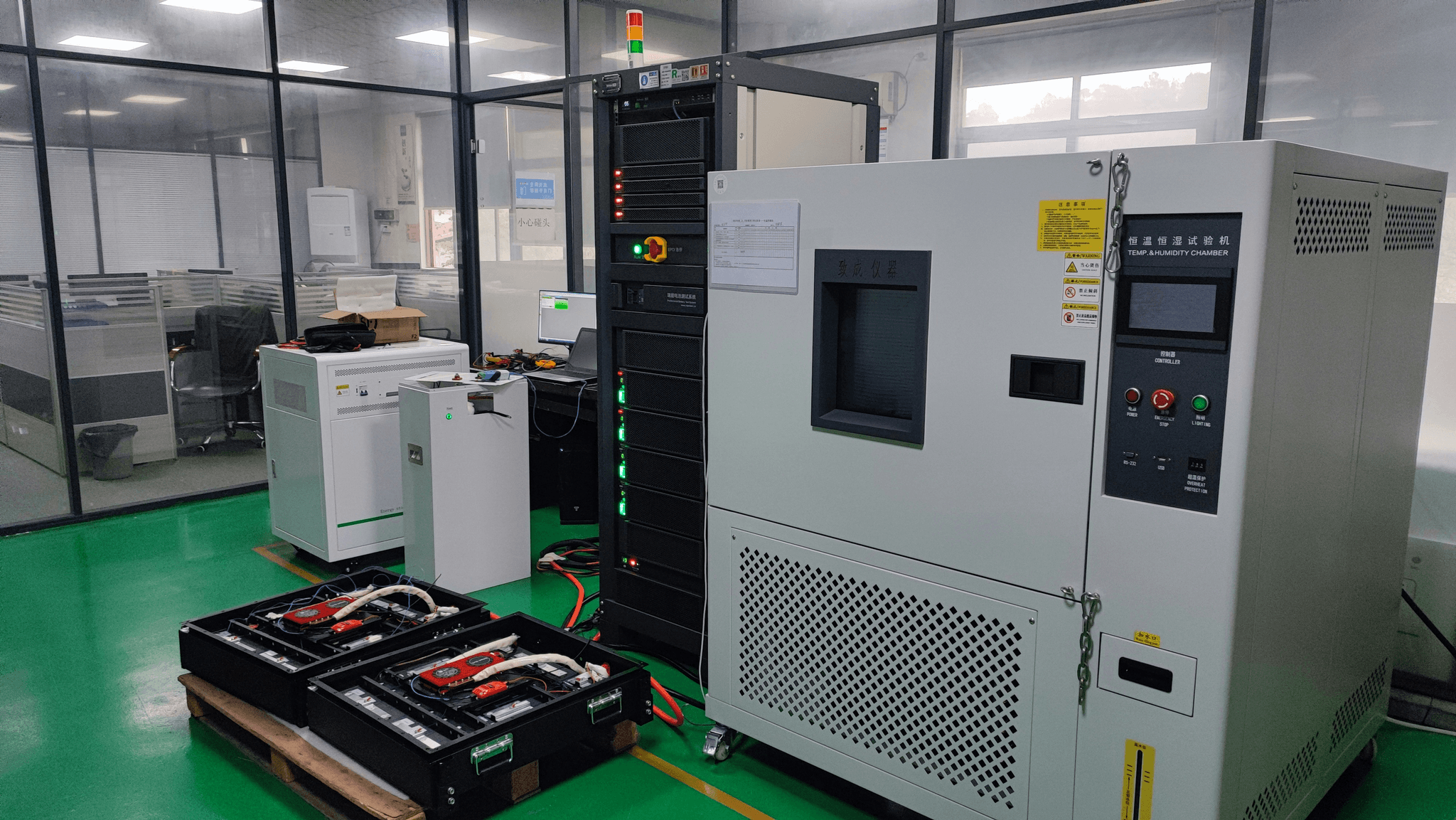
A comprehensive Factory Acceptance Test in Pump involves scrutinizing every critical aspect to ensure the equipment meets all operational and safety standards. This process is vital for catching potential issues early, saving time and money down the line. When conducting a FAT Test for Rotary Equipment, attention to detail guarantees that the machinery performs reliably under real-world conditions.
Verifying Pump Performance and Compliance
The first step in a Factory Acceptance Test for Pump systems is verifying performance parameters such as flow rate, pressure, and efficiency. Ensuring compliance with design specifications is essential to prevent costly modifications after installation. During the FAT Test for Rotary Equipment, engineers simulate operational scenarios to validate that the pump operates within acceptable tolerances and adheres to industry standards.
Testing for Rotary Equipment Reliability and Durability
Rotary equipment like pumps must withstand continuous operation without fail; hence, reliability testing is a cornerstone of the FAT process. This phase involves running the pump under various loads and durations to assess wear resistance and mechanical stability. A thorough FAT Test for Rotary Equipment helps identify potential failure points early, ensuring only durable units proceed to site installation.
Ensuring Electrical Equipment Meets Safety Standards
Electrical components are critical safety elements within pump systems; thus, their inspection during a Factory Acceptance Test is non-negotiable. The FAT test for electrical equipment includes checks on insulation resistance, circuit integrity, and control system functionality. Confirming electrical safety standards are met not only protects personnel but also guarantees compliance with international regulations.
Conducting the FAT Test for Rotary Equipment
Executing a Factory Acceptance Test in Pump systems, especially FAT Test for Rotary Equipment, requires meticulous planning and precision. This stage is crucial to ensure that all rotary components perform reliably under simulated operational conditions before shipment. A well-conducted FAT Test for Rotary Equipment not only identifies potential issues but also boosts confidence in the final product's durability and efficiency.
Setting Up Simulations and Test Conditions
The first step in conducting the FAT Test for Rotary Equipment involves creating realistic simulation environments that mimic actual operating conditions. This includes adjusting parameters such as flow rates, pressure levels, and rotational speeds to match client specifications or industry standards. Proper setup ensures that the Factory Acceptance Test accurately assesses the pump’s performance under expected loads, minimizing surprises during field operation.
Monitoring Operational Parameters Closely
During the Factory Acceptance Test in Pump applications, continuous monitoring of operational parameters is essential. Critical factors like vibration levels, temperature fluctuations, and power consumption must be tracked meticulously to verify equipment reliability. For the FAT Test for Rotary Equipment, close observation helps detect early signs of wear or imbalance, ensuring any deviations are addressed promptly before delivery.
Documenting Findings for Future Reference
Thorough documentation is a cornerstone of an effective factory acceptance process. Recording test results—including performance metrics, anomalies encountered during testing, and corrective actions taken—provides valuable insights for future maintenance or troubleshooting efforts. For those performing a Factory Acceptance Test in Pump projects, detailed records of the FAT Test for Rotary Equipment serve as proof of quality assurance and compliance with standards.
FAT Test for Electrical Equipment Explained
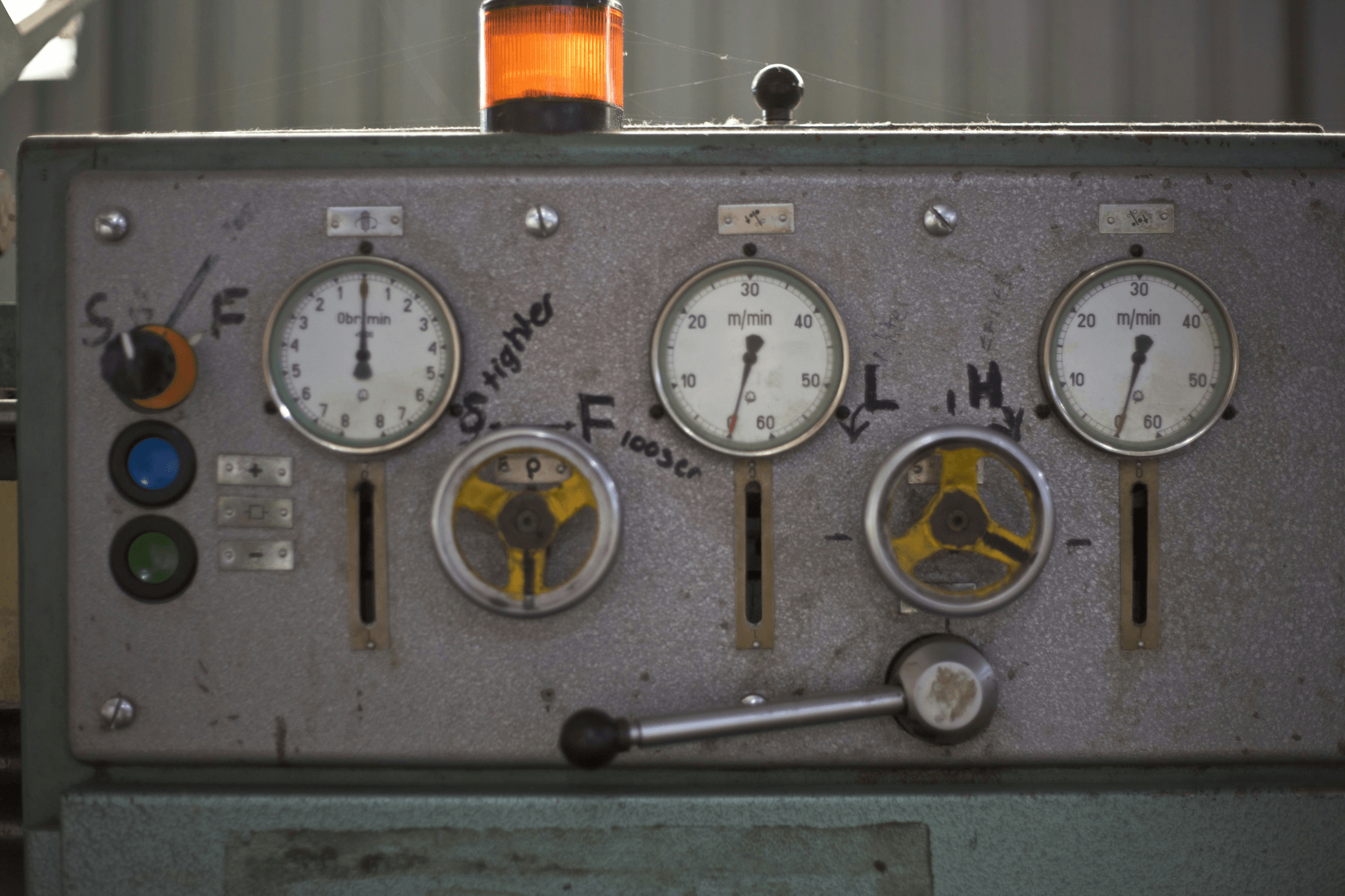
When it comes to the Factory Acceptance Test in Pump systems, ensuring electrical equipment meets all safety and performance standards is crucial. This phase involves rigorous checks that prevent costly failures down the line and guarantee compliance with international regulations. A thorough FAT Test for Electrical Equipment helps identify potential issues early, saving time and resources before installation.
Checking Circuit Integrity and Insulation Resistance
One of the key steps during a Factory Acceptance Test in Pump projects is verifying circuit integrity and insulation resistance. This process involves testing all electrical circuits to confirm there are no shorts, open circuits, or grounding issues that could compromise safety or performance. Conducting these tests as part of the FAT Test for Electrical Equipment ensures that every component functions correctly under real-world conditions, preventing future failures.
Validating Control Systems and Automation Functions
The next critical aspect of a FAT Test for Electrical Equipment is validating control systems and automation functions. This step guarantees that control panels, sensors, and automation devices operate seamlessly together, providing precise control over pump operations. Proper validation during the Factory Acceptance Test ensures your rotary equipment's electrical system responds accurately to commands, reducing downtime and enhancing operational efficiency.
Confirming Electrical Safety and Certification Standards
Finally, confirming electrical safety standards and certifications is non-negotiable during a Factory Acceptance Test for Electrical Equipment. This includes checking compliance with international safety norms such as IEC or UL standards, which are essential for legal operation across different regions. Ensuring your electrical components meet these certification standards during the FAT test not only safeguards personnel but also boosts confidence in your equipment’s reliability.
Role of China Inspection Pro in Quality Assurance
China Inspection Pro plays a pivotal role in elevating the quality assurance process during the Factory Acceptance Test, especially for complex systems like pump setups and rotary equipment. Their seasoned inspectors bring a wealth of knowledge to every phase of the FAT Test for Rotary Equipment, ensuring that each component meets stringent international standards before shipment. By integrating their expertise into your Factory Acceptance Test in Pump projects, clients can rest assured that both mechanical and electrical aspects are thoroughly scrutinized and validated.
When it comes to the FAT Test for Electrical Equipment, China Inspection Pro ensures that electrical safety standards are not just met but exceeded. Their team meticulously checks circuit integrity, insulation resistance, and control system functionality during the Factory Acceptance Test in Pump or other rotary applications. This comprehensive approach guarantees that electrical equipment adheres to global safety regulations, reducing risks during operation and long-term maintenance.
Delivering actionable recommendations is where China Inspection Pro truly shines. After conducting a detailed FAT test for Rotary Equipment or Electrical Equipment, they provide insightful feedback on potential improvements or adjustments needed before final delivery. These recommendations help optimize performance, enhance durability, and prevent costly failures down the line—making sure your Factory Acceptance Test results translate into operational excellence.
Common Challenges and How to Overcome Them
Navigating the Factory Acceptance Test process can sometimes feel like walking a tightrope—unexpected test failures, miscommunications, and non-conformities can throw a wrench in your plans. When conducting a Factory Acceptance Test in Pump systems or rotary equipment, these challenges are common but not insurmountable. The key is to stay proactive, organized, and ready to adapt to keep your FAT Test for Rotary Equipment and electrical components on track.
Managing Unexpected Test Failures
When your Factory Acceptance Test hits a snag with unexpected failures, it’s tempting to panic—resist that urge! Instead, treat each failure as an opportunity to improve; analyze whether the issue stems from the pump's performance or electrical setup. Conducting a thorough review during your FAT Test for Electrical Equipment can reveal root causes that might otherwise be overlooked. Remember, failure during the FAT isn’t the end of the world—it’s just part of fine-tuning your system before delivery.
Communicating Effectively with Factory Teams
Clear communication is the backbone of a successful Factory Acceptance Test in Pump projects. Misunderstandings about test procedures or expectations often lead to delays or rework. Establishing open channels with factory teams ensures everyone is aligned on FAT test procedures for rotary equipment and electrical standards from day one. Regular updates and detailed documentation make sure all stakeholders stay on the same page, reducing surprises during critical moments.
Documenting and Resolving Non-Conformities
Proper documentation during your FAT Test for Rotary Equipment and electrical systems forms the foundation for quality assurance. When non-conformities arise, swift action paired with comprehensive records helps trace issues back to their source—be it mechanical faults or wiring inconsistencies in electrical equipment. Having detailed reports ready allows you to communicate effectively with factory teams about corrective actions needed before final approval; this keeps everything transparent and ensures compliance with international standards.
Conclusion
A robust Factory Acceptance Test process is the cornerstone of delivering high-quality pump systems and electrical equipment. When you thoroughly execute a Factory Acceptance Test in Pump, you catch potential issues early, ensuring that rotary equipment performs reliably and meets all specifications before reaching the client. This proactive approach minimizes costly rework and guarantees that your product stands up to rigorous standards, ultimately safeguarding your reputation and customer satisfaction.
Ensuring Product Quality with a Robust FAT Process
Implementing a comprehensive FAT Test for Rotary Equipment ensures every component functions as intended under real-world conditions. By meticulously verifying performance parameters during the Factory Acceptance Test, manufacturers can identify discrepancies early on, preventing defects from slipping into the final delivery. A well-executed FAT Test for Electrical Equipment further confirms safety compliance and electrical integrity, reinforcing overall product quality.
How China Inspection Pro Elevates Your Inspection Standards
Partnering with China Inspection Pro elevates your Factory Acceptance Test standards by providing expert oversight and detailed inspections tailored to your project needs. Their team specializes in verifying that all aspects of the FAT test meet international standards, whether it’s pump performance or electrical safety protocols. With their support during the FAT process, you gain actionable insights that help refine manufacturing processes and ensure your products pass every test confidently.
Preparing for a Smooth Turnover and Client Satisfaction
A seamless factory acceptance process paves the way for smooth project turnover by minimizing surprises at delivery time. Proper documentation of each step in the FAT Test for Rotary Equipment and Electrical Equipment ensures transparency and builds trust with clients. When you prioritize thorough testing upfront, including comprehensive checks during the Factory Acceptance Test in Pump scenarios, client satisfaction skyrockets because they receive a reliable, fully compliant product ready to perform from day one.