
Introduction
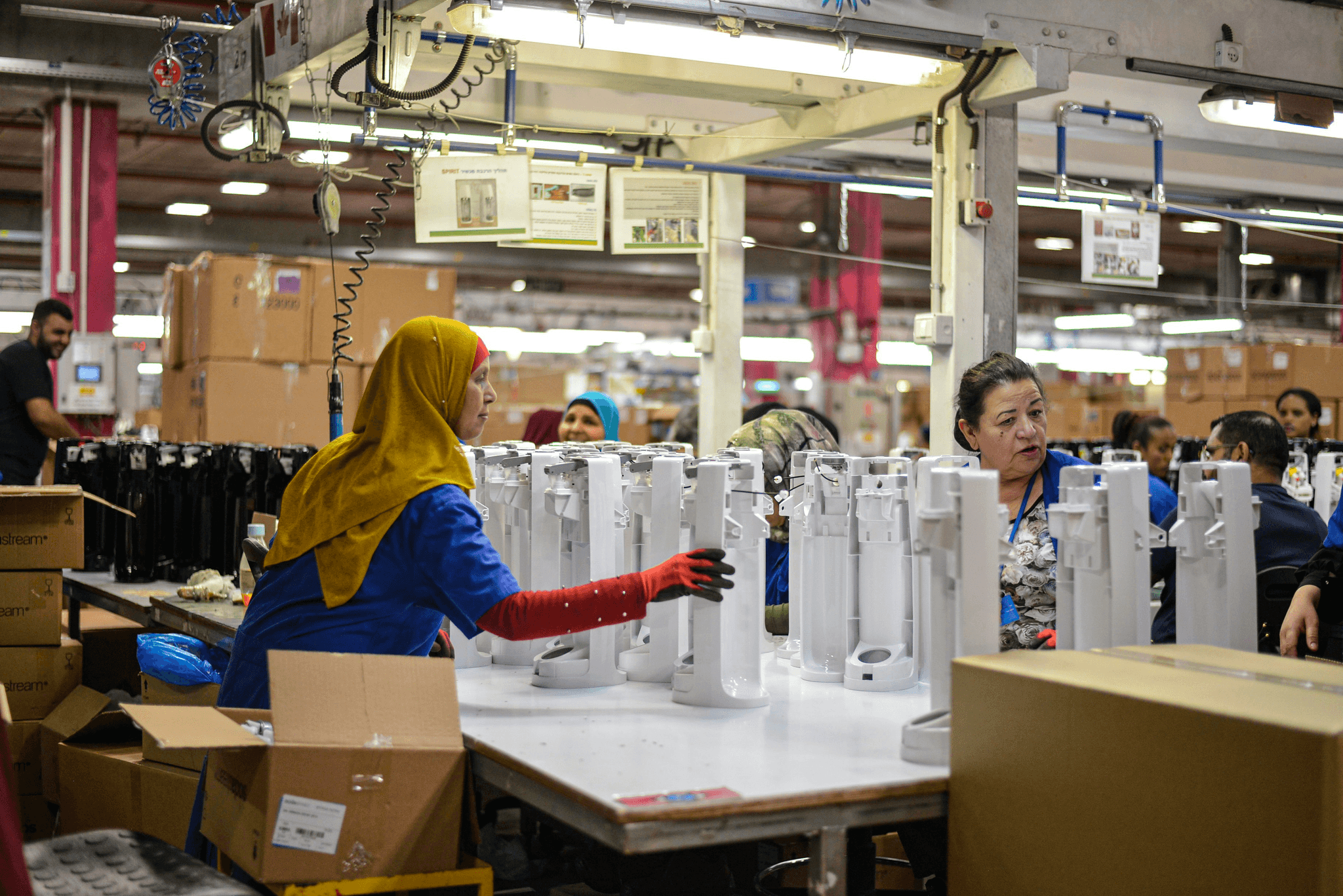
In the fast-paced world of manufacturing, factory inspection has become a cornerstone of ensuring product quality and operational efficiency. The importance of factory inspection cannot be overstated; it serves as a critical checkpoint in the production process, safeguarding both consumer trust and company reputation. By implementing rigorous quality control measures through effective inspection services, companies can significantly reduce defects and enhance their overall production standards.
Importance of Factory Inspection
Factory inspections play a vital role in maintaining high standards across various manufacturing sectors. They help organizations identify potential issues before they escalate into costly problems, ensuring that products meet both regulatory requirements and customer expectations. In an era where quality control is paramount, regular inspections serve as a proactive approach to uphold company quality control and mitigate risks associated with poor-quality products.
How Factory Inspections Enhance Quality Control
Quality inspections are essential for reinforcing the principles of quality control throughout the manufacturing process. By identifying deviations from established standards during various stages—such as pre-production or final product checks—companies can implement corrective actions swiftly and effectively. This not only enhances product reliability but also fosters a culture of continuous improvement, where process control becomes integral to achieving excellence in manufacturing.
Overview of Inspection Services
Inspection services encompass a range of activities designed to evaluate and ensure product quality at different stages of production. From pre-production inspections that assess raw materials to during production monitoring that ensures adherence to specifications, these services are crucial for maintaining high-quality outputs. Understanding the full spectrum of available inspection services can empower companies to make informed decisions about their quality control strategies and ultimately lead to greater success in the marketplace.
Understanding Factory Inspection
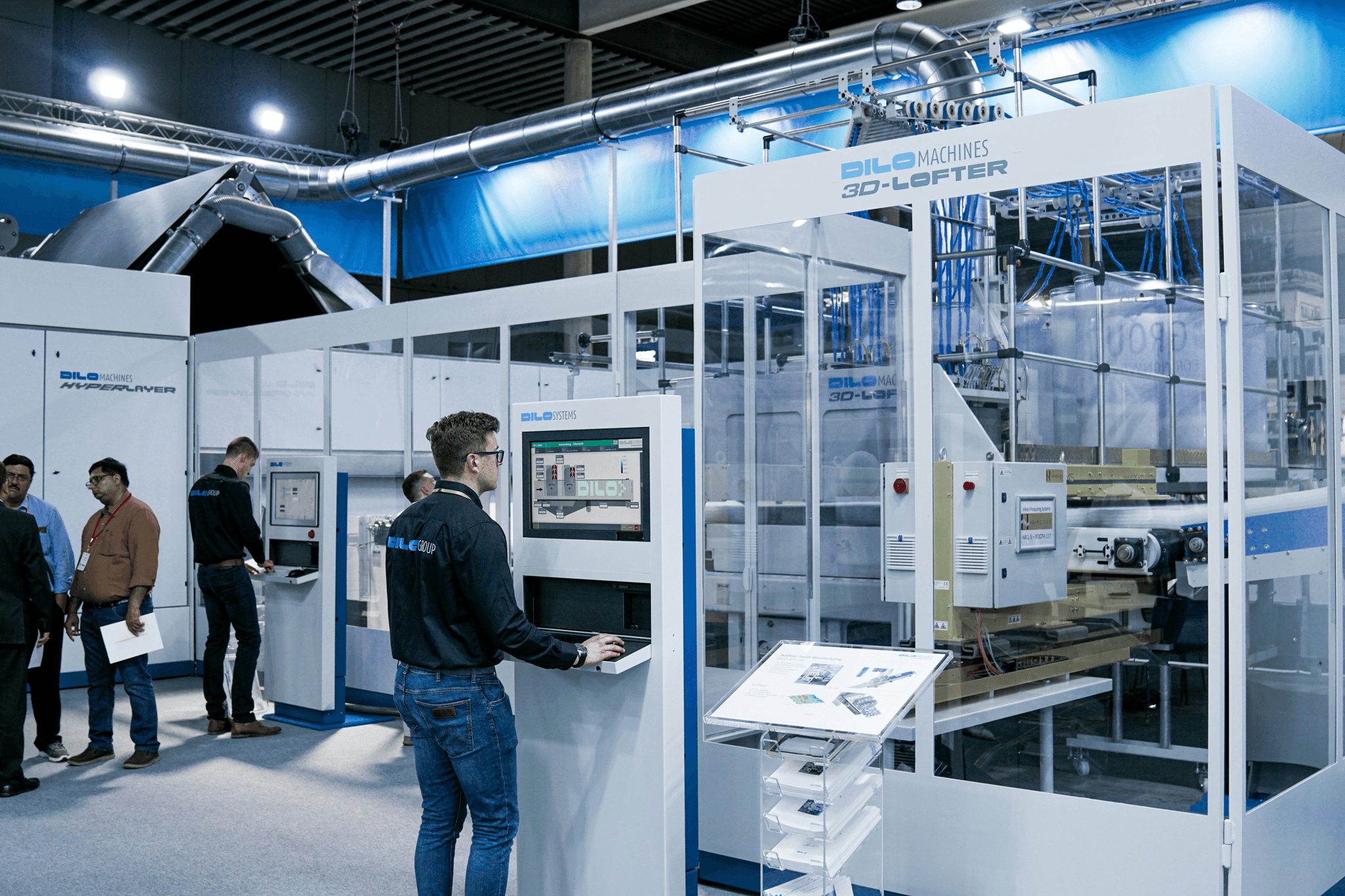
Factory inspection is a crucial component of the manufacturing process, ensuring that products meet established quality standards before they reach consumers. The primary purpose of factory inspection is to identify defects and ensure compliance with specifications, thereby enhancing overall quality control. By systematically evaluating production processes and finished goods, companies can mitigate risks associated with defective products and maintain their reputation in the market.
Definition and Purpose
Factory inspection refers to a systematic examination of manufacturing facilities, processes, and products to ensure they adhere to predefined standards. The purpose of this inspection is multifaceted: it aims to protect consumer safety, uphold company quality control measures, and enhance product reliability. Ultimately, effective factory inspections contribute significantly to maintaining high-quality outputs while reducing waste and operational inefficiencies.
Key Players in the Inspection Process
The factory inspection process involves several key players who contribute to its success. These include quality inspectors, production managers, and third-party inspection service providers who specialize in quality inspections. Each participant plays a vital role; inspectors assess compliance with quality control standards while managers implement necessary adjustments based on findings from inspections.
How Factory Inspection Fits into Quality Control
Factory inspection is an integral part of the broader framework of quality control within manufacturing organizations. It serves as a checkpoint that ensures all processes align with established quality control parameters throughout production cycles. By incorporating regular inspections into their operations, companies can proactively address issues before they escalate into more significant problems—essentially reinforcing the concept of process control as a continuous improvement strategy in quality management practices.
The Role of Quality Control
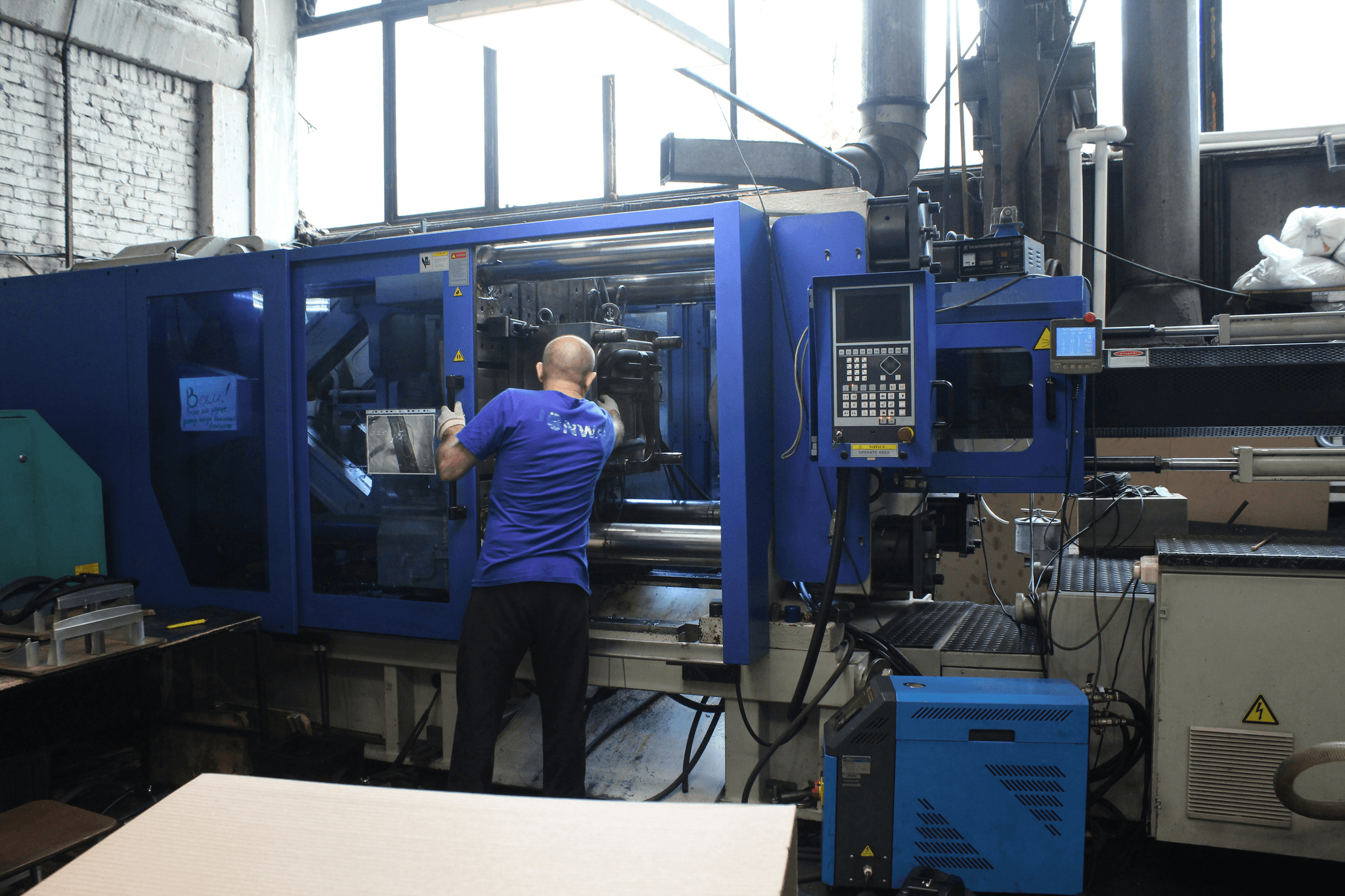
Quality control plays a pivotal role in ensuring that factory inspections yield reliable and consistent results. It acts as the backbone of manufacturing processes, establishing a framework that defines acceptable standards for products and services. By integrating quality control into factory inspection, companies can enhance their overall operational efficiency and product reliability.
Establishing Standards for Inspection
Establishing standards for inspection is crucial to effective quality control. These standards serve as benchmarks against which products are evaluated during various stages of production, ensuring compliance with both regulatory requirements and customer expectations. A well-defined standard not only streamlines the factory inspection process but also fosters trust between manufacturers and clients, leading to improved business relationships.
To effectively establish these standards, companies must engage in thorough research and analysis of industry best practices. This involves assessing existing protocols and identifying areas where enhancements can be made to bolster quality control efforts. Ultimately, clear standards guide inspection services in delivering accurate evaluations that uphold the integrity of the manufacturing process.
Quality Control What Is?
Quality control what is it? At its core, quality control refers to the systematic process employed by organizations to ensure that their products meet specified requirements consistently. This encompasses everything from raw material selection to final product assessments during factory inspections.
The essence of quality control lies in its proactive approach; rather than merely identifying defects after production, it emphasizes prevention through meticulous planning and monitoring throughout the manufacturing cycle. By implementing robust quality control measures, companies can reduce waste, lower costs associated with defects, and ultimately enhance customer satisfaction.
Incorporating effective quality control practices into factory inspections not only safeguards product integrity but also elevates a company's reputation within its industry. When customers know they can rely on consistent quality from a manufacturer, they are more likely to return for future purchases or recommend the company to others.
Maintaining Consistency Through Process Control
Maintaining consistency through process control is essential for achieving long-term success in manufacturing operations. Process control involves monitoring various aspects of production—such as machinery performance or environmental conditions—to ensure that every step adheres to established standards set forth by quality control measures.
By utilizing advanced technologies like automation and real-time data analytics during factory inspections, companies can identify deviations from expected outcomes swiftly. This allows them to take corrective actions before issues escalate into larger problems that could compromise product quality or lead to costly recalls.
Moreover, consistent process control fosters an environment where continuous improvement is prioritized within an organization’s culture. As employees become more attuned to recognizing potential discrepancies during factory inspections, they contribute significantly toward enhancing overall company quality control efforts—ultimately driving better results across all facets of production.
Types of Inspection Services
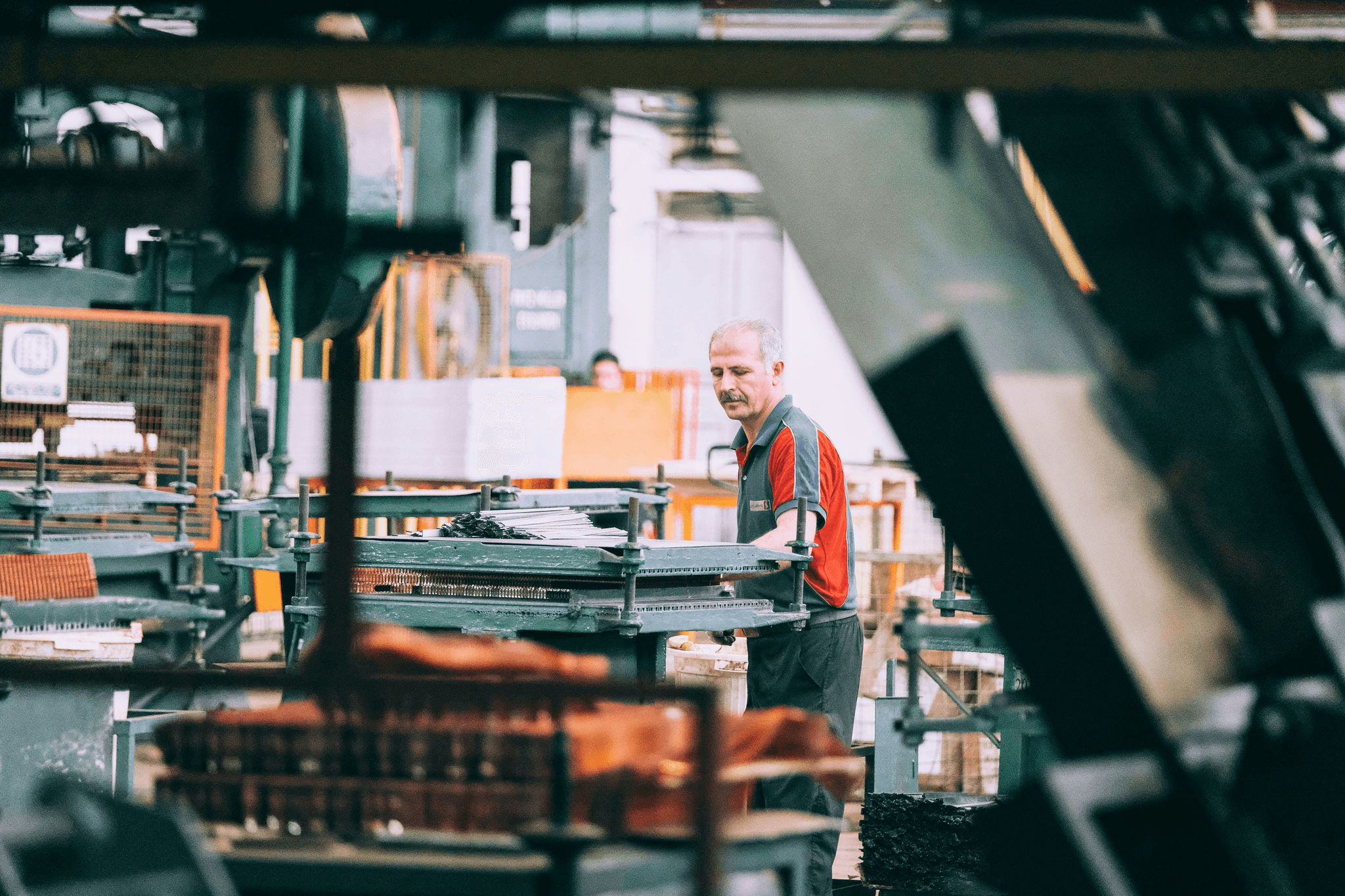
When it comes to ensuring product quality, inspection services play a pivotal role in the manufacturing process. Understanding the various types of inspections is essential for effective quality control. Each type serves a specific purpose and helps maintain high standards throughout production.
Pre-Production Inspections
Pre-production inspections are conducted before the manufacturing process begins, setting the stage for successful quality control. During this phase, inspectors review raw materials and components to ensure they meet predefined specifications and standards. This proactive approach helps identify potential issues early on, reducing the risk of costly mistakes later in production.
By focusing on quality inspection at this stage, companies can avoid delays and maintain smoother operations throughout their supply chain. Additionally, pre-production inspections allow manufacturers to assess their suppliers' capabilities, ensuring that they align with company quality control objectives. Ultimately, this step is crucial for establishing a solid foundation for process control throughout production.
During Production Monitoring
During production monitoring is all about keeping an eye on the manufacturing process as it unfolds. This type of factory inspection ensures that quality control measures are consistently applied while products are being made. By regularly checking products at various stages of production, inspectors can catch defects early and implement corrective actions promptly.
This ongoing oversight not only enhances product quality but also fosters a culture of accountability among workers and management alike. With effective during-production monitoring in place, companies can significantly reduce waste and improve overall efficiency in their operations. It's all about maintaining the integrity of the final product while adhering to established standards—essentially what quality control is all about.
Final Product Inspections
Final product inspections serve as the last line of defense before goods reach consumers or retailers. Inspectors evaluate finished products against predetermined criteria to ensure they meet both safety regulations and customer expectations—a vital aspect of any robust company quality control program. This thorough examination often involves testing functionality, aesthetics, packaging integrity, and compliance with industry standards.
By implementing rigorous final product inspections, manufacturers can mitigate risks associated with defective items reaching the market—protecting both their reputation and bottom line in one fell swoop! Moreover, these inspections help identify trends or recurring issues that may require attention within the overall production process or supplier relationships. In essence, final product inspections are integral to maintaining consistent quality across all offerings.
Best Practices for Effective Factory Inspections

When it comes to factory inspection, a little preparation goes a long way. Establishing clear objectives and expectations is crucial; this ensures that everyone involved understands the scope of the quality control process. Additionally, gathering all necessary documentation, such as previous inspection reports and product specifications, can streamline the inspection services and enhance overall efficiency.
Preparing for Inspections
Preparing for inspections involves more than just checking off a to-do list; it requires a strategic approach to quality control. Start by assembling an experienced team that understands the intricacies of factory operations and quality standards. This team should review past performance data and current production processes to identify potential pitfalls before they become problems during the actual inspection.
Moreover, conducting pre-inspection meetings with stakeholders helps clarify roles and responsibilities, fostering an environment of accountability within the company quality control framework. It’s also vital to ensure that all equipment used during inspections is calibrated and functioning properly—after all, accurate measurements are key in maintaining high-quality standards throughout the process control cycle.
How to Choose the Right Inspection Services
Choosing the right inspection services can significantly impact your factory's success in maintaining quality control. Start by evaluating potential providers based on their experience in your specific industry—this ensures they understand your unique requirements and challenges related to factory inspections. Look for companies with solid reputations backed by client testimonials or case studies demonstrating their effectiveness in enhancing quality inspection outcomes.
Don't forget to consider technological capabilities; modern inspection services should leverage tools like automated reporting systems or real-time monitoring software that align with current trends in process control. Always remember: choosing an inspection service is not just about cost but finding a partner who will contribute positively to your company's overall quality control strategy.
Utilizing Technology for Enhanced Quality Inspection
In today's fast-paced manufacturing environment, utilizing technology for enhanced quality inspection is no longer optional—it’s essential! Advanced technologies such as AI-driven analytics can help identify patterns that human inspectors might miss, thus improving overall accuracy during factory inspections. Additionally, mobile applications allow inspectors to document findings instantly, ensuring timely communication of any issues affecting product quality.
Moreover, integrating IoT devices into production lines provides real-time data on various parameters critical for maintaining consistent quality control throughout manufacturing processes. As you implement these technologies into your company’s quality control practices, you'll find not only increased efficiency but also a significant reduction in errors—making every factory inspection count toward achieving excellence!
Case Studies from China Inspection Pro
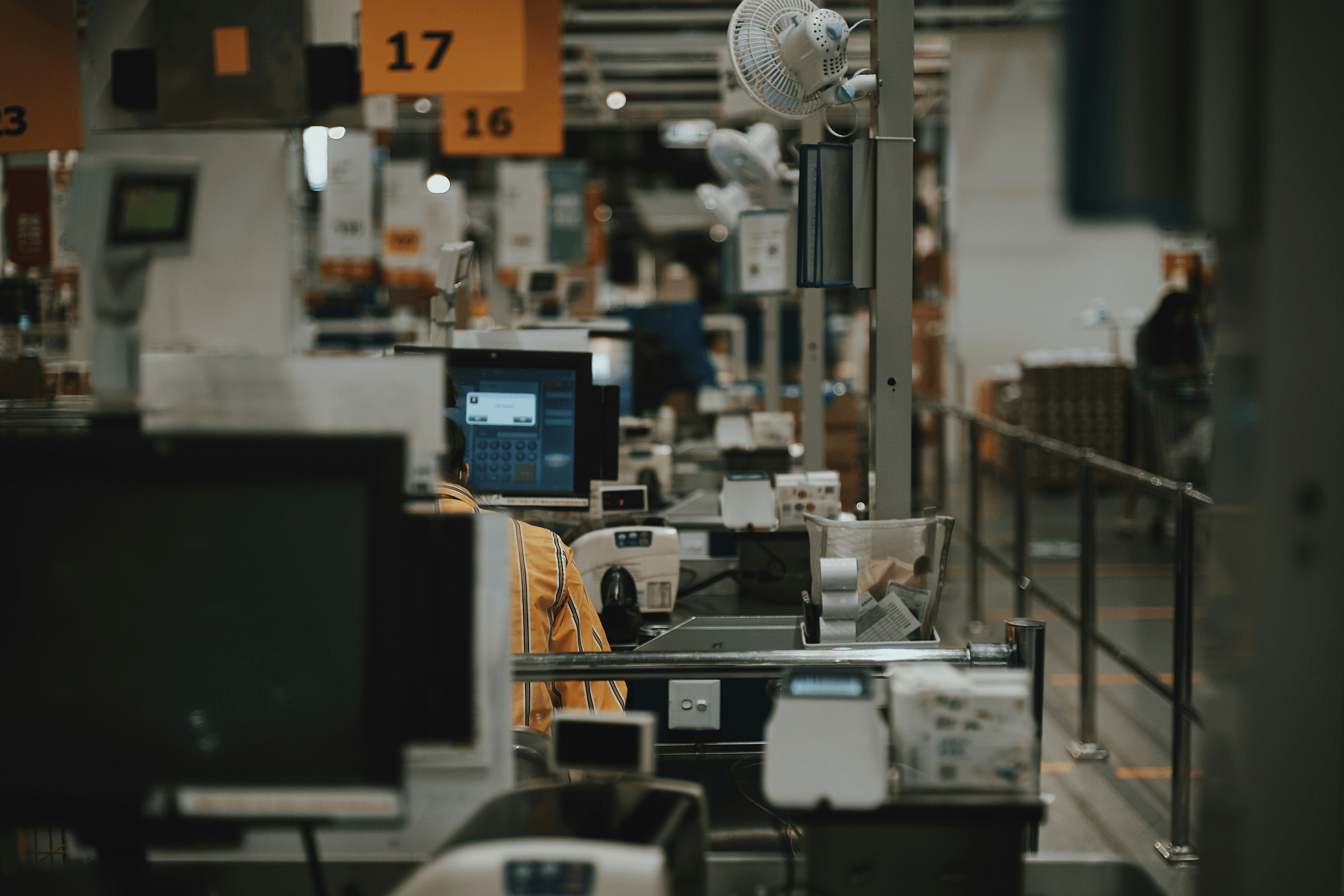
In the world of manufacturing, real-life experiences often provide the best lessons. China Inspection Pro has been at the forefront of quality control, offering insightful case studies that highlight both successful factory inspections and instances where things went awry. These examples not only showcase the effectiveness of their inspection services but also emphasize the critical role quality inspection plays in maintaining high standards.
Real-World Examples of Successful Inspections
One notable success story involved a leading electronics manufacturer that engaged China Inspection Pro for pre-production inspections. By identifying potential flaws in components before mass production, they avoided costly recalls and ensured compliance with international safety standards. This proactive approach to factory inspection not only saved time and money but also enhanced the company's reputation for quality control among clients.
Another example features a textile company that utilized during-production monitoring services from China Inspection Pro. Regular check-ins during the manufacturing process allowed them to catch inconsistencies early, ensuring that every batch met their stringent quality control requirements. The result? A significant reduction in defects and an impressive boost in customer satisfaction.
These successful inspections underscore how effective factory inspection can lead to improved product quality and operational efficiency, reinforcing the idea that investing in comprehensive inspection services pays dividends down the line.
Lessons Learned from Quality Control Failures
Not all stories are success tales; some serve as cautionary reminders about what happens when quality control measures fall short. In one instance, a furniture manufacturer overlooked critical final product inspections due to time constraints, resulting in a massive shipment filled with defective items. The backlash was swift: returns surged, customer trust plummeted, and financial losses mounted—showing just how vital thorough factory inspection is to any company’s bottom line.
Another failure occurred when an automotive parts supplier neglected process control protocols during production monitoring. As a result, several key components failed safety tests after delivery, leading to costly recalls and damaging legal ramifications. This incident highlighted how neglecting proper quality control can have far-reaching consequences beyond immediate financial impacts—it can tarnish reputations built over decades.
These lessons remind us that while striving for efficiency is important, cutting corners on factory inspections or ignoring established quality control practices can lead to disastrous outcomes.
Impact of Quality Inspections on Manufacturing Success
The impact of robust quality inspections on manufacturing success cannot be overstated. Companies that prioritize thorough factory inspection processes often see marked improvements in their overall productivity levels and customer satisfaction ratings. For instance, a consumer goods company that integrated consistent pre-production checks into its workflow reported a 30% decrease in production delays due to defects—showing how effective inspection services streamline operations.
Moreover, organizations embracing technology-driven solutions within their quality control frameworks have experienced transformative results as well. By utilizing data analytics during inspections, manufacturers can identify trends or recurring issues more effectively than ever before—allowing them to implement corrective actions swiftly and maintain high-quality standards across all products.
Ultimately, these case studies illustrate that when companies invest in comprehensive quality inspections as part of their overall strategy for process control and production management, they position themselves not just for survival but for thriving success within competitive markets.
Conclusion
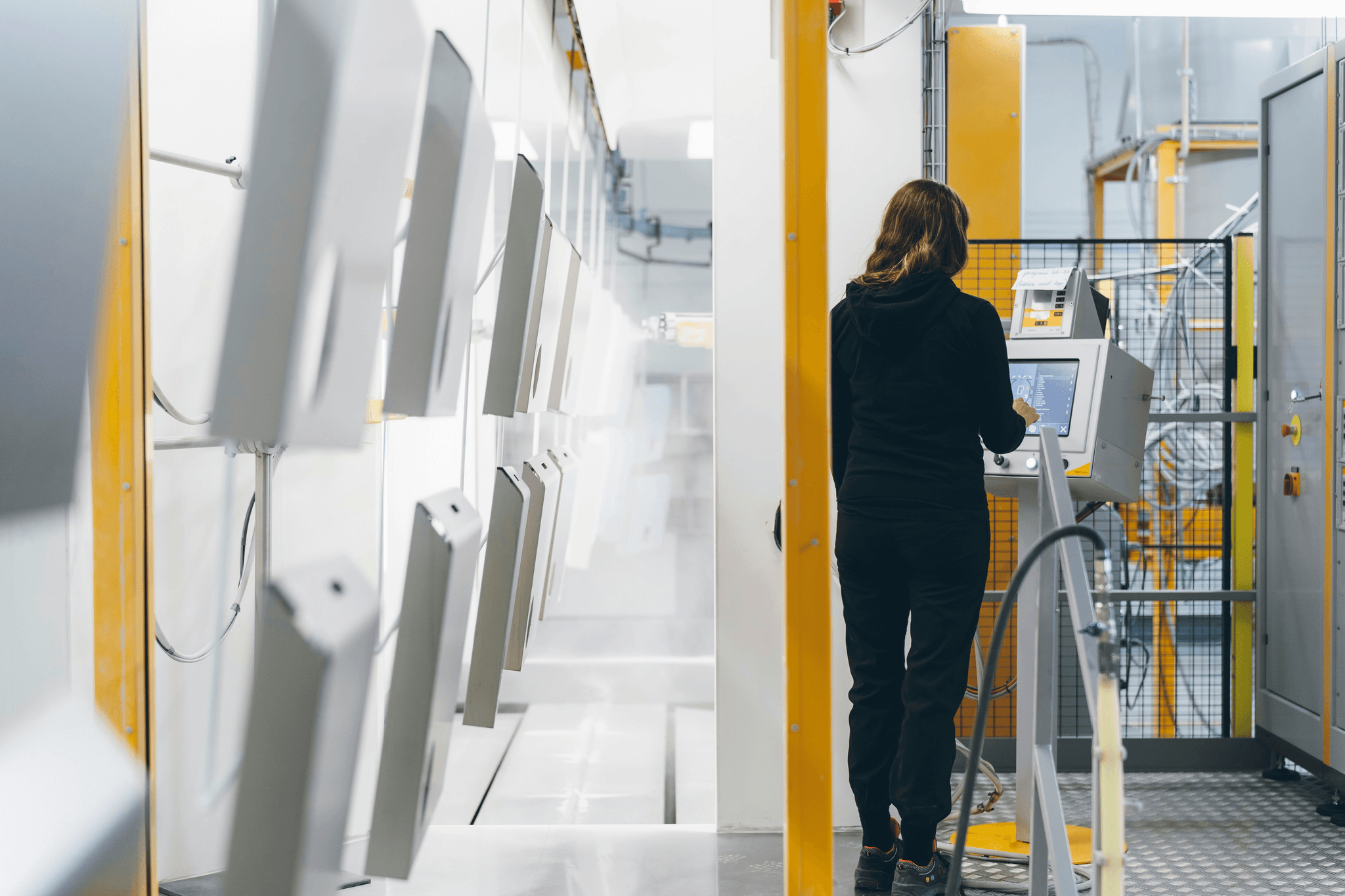
In summary, factory inspection plays a pivotal role in ensuring that products meet the highest standards of quality control. By integrating various inspection services throughout the manufacturing process, companies can significantly enhance their overall product reliability and customer satisfaction. This commitment to quality inspection not only safeguards a company's reputation but also fosters long-term success in a competitive market.
Key Takeaways on Factory Inspection
The importance of factory inspection cannot be overstated; it is essential for maintaining high-quality standards and ensuring compliance with industry regulations. Key players in the inspection process, including third-party inspectors and internal quality control teams, work together to establish benchmarks that guide production efforts. Ultimately, effective factory inspections serve as a foundation for robust company quality control systems, helping businesses avoid costly errors and enhance consumer trust.
Future Trends in Quality Control
As industries evolve, so do the methods of quality control and factory inspection. The future will likely see increased reliance on advanced technologies like artificial intelligence and machine learning to streamline process control and improve accuracy during inspections. Furthermore, with an emphasis on sustainability and ethical manufacturing practices, companies will need to adapt their quality inspection strategies to align with these emerging trends while still delivering exceptional products.
How to Implement Effective Inspection Practices
To implement effective inspection practices, companies should start by clearly defining their quality control what is framework that aligns with their operational goals. Selecting the right inspection services tailored to specific production needs is crucial for maintaining consistency across all stages of manufacturing. Additionally, organizations should leverage technology—such as digital checklists or automated reporting tools—to enhance their quality inspections and ensure thorough documentation throughout the process.