
Introduction
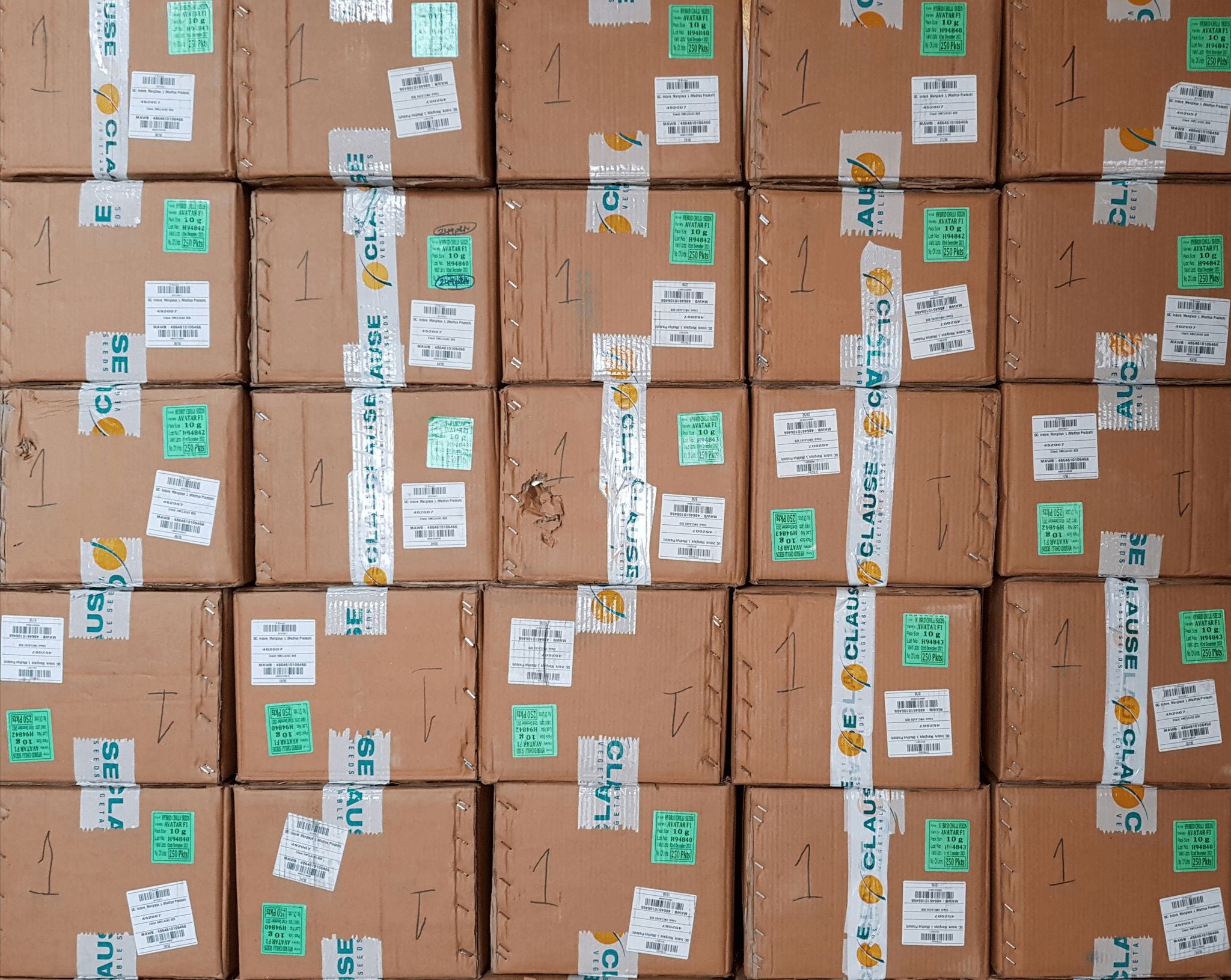
In the world of international trade and logistics, Quality Control in Packaging is the unsung hero that keeps shipments safe, intact, and compliant with industry standards. When packaging isn’t up to par, it can lead to damaged goods, delays, and costly rework—none of which a business wants to deal with. Implementing a seaworthy packing procedure and ensuring correct packing style along with proper thickness of sheathing are crucial steps toward maintaining high-quality standards.
Many companies face common challenges in packaging processes such as inconsistent shipping marks, incorrect weight indications, or subpar materials that compromise product safety. These issues often stem from a lack of standardized procedures or inadequate staff training on quality control measures. Addressing these challenges head-on helps prevent mishaps during transit and builds trust with clients who rely on accurate markings and robust packaging.
The impact of good quality control in packaging extends far beyond avoiding damage; it directly influences your business success. Consistently correct weight indication ensures transparency and customer satisfaction, while proper shipping marks facilitate smooth customs clearance. By prioritizing quality control in packaging practices—like verifying the thickness of sheathing or following a seaworthy packing procedure—you set your brand apart as reliable and professional in a competitive market.
Establish Clear Packaging Standards
Creating a solid foundation for quality control in packaging starts with establishing clear standards that everyone can follow. Without defined parameters, even the best seaworthy packing procedure can falter, leading to costly mistakes and delays. Setting precise guidelines for your packaging process ensures consistency, safety, and customer satisfaction across all shipments.
Defining the Correct Packing Style
The first step in effective quality control in packaging is determining the correct packing style tailored to your product type. Whether you’re using pallets, cartons, or crates, each packing style should be chosen based on durability and ease of handling during transit. Clear instructions on the correct packing style help prevent damage and ensure that each shipment meets industry standards for seaworthy packing procedures.
Setting the Appropriate Thickness of Sheathing
One of the key elements in quality control in packaging involves specifying the thickness of sheathing materials like cardboard or plywood. The right thickness not only enhances protection but also contributes to a seaworthy packing procedure by resisting moisture and impacts during transportation. Regularly reviewing and updating these standards guarantees that your sheathing provides optimal support while complying with industry benchmarks.
Implementing Consistent Correct Shipping Marks
Consistent implementation of correct shipping marks is essential for smooth logistics and accurate handling throughout transit. Proper shipping marks include labels indicating weight, destination, handling instructions, and any special requirements—all vital components of quality control in packaging. When these marks are standardized across all shipments, it minimizes errors and reinforces a seaworthy packing procedure that aligns with industry best practices.
Implementing a Seaworthy Packing Procedure
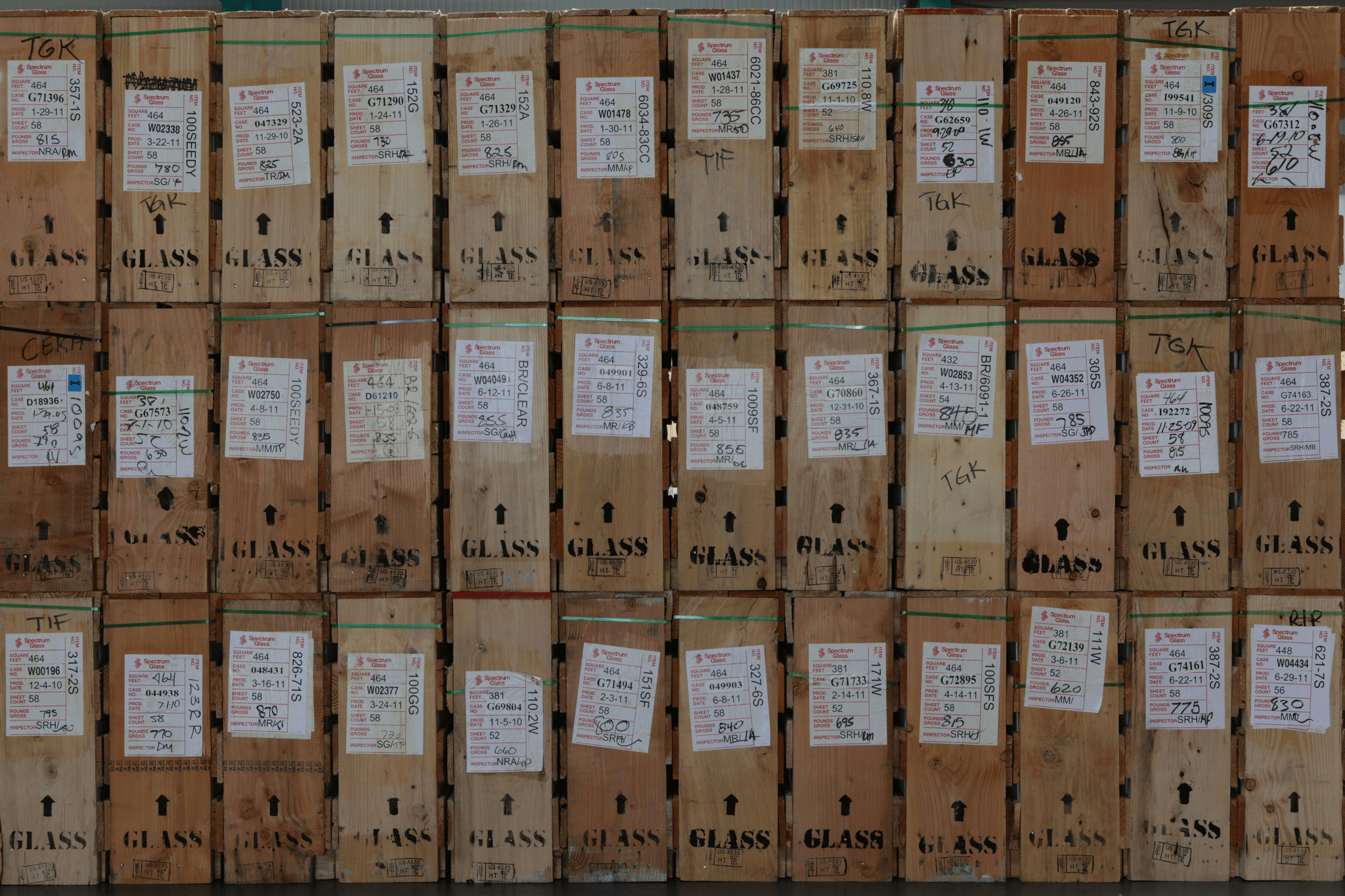
Establishing a seaworthy packing procedure is the cornerstone of effective Quality Control in Packaging. It ensures that your shipments withstand the rigors of marine transport, minimizing damage and delays. A well-executed seaworthy packing process also demonstrates professionalism, boosting your reputation among clients and partners.
Prioritizing durability and safety is essential when developing a seaworthy packing procedure. This means selecting the correct packing style tailored to the product’s nature and destination, ensuring it can endure stacking, moisture, and handling stresses at sea. Proper attention to the thickness of sheathing not only protects the product but also aligns with industry standards for seaworthiness, making sure your packaging meets or exceeds expectations for safety.
Using reliable packaging materials forms the backbone of any robust seaworthy packing procedure. High-quality materials that are water-resistant, impact-absorbing, and sturdy help prevent damage during transit. Incorporating correct shipping marks into your packaging further enhances safety by providing clear instructions for handling and storage, which is vital for maintaining quality control in packaging throughout the shipping journey.
Following industry best practices with China Inspection Pro can elevate your seaworthy packing procedures to new heights. Their expertise guides you in implementing standard protocols like verifying correct weight indication on labels and ensuring consistency in packaging dimensions. Leveraging their insights guarantees that every aspect—from correct packing style to proper marking—is scrutinized under rigorous quality control in packaging standards.
Ensuring Accurate Weight and Markings

Maintaining impeccable quality control in packaging begins with verifying that the correct weight indication is clearly displayed on each package. When the weight is accurate, it not only helps in smooth logistics but also boosts customer confidence, especially when following a seaworthy packing procedure. Ensuring that the correct shipping marks are properly applied is equally vital; these marks serve as the package’s passport, guiding it safely through transit and customs.
Verifying Correct Weight Indication
The first step in quality control in packaging is to double-check that each package has the correct weight indication. This process involves cross-referencing actual weights with documented specifications to avoid costly mistakes during shipping or customs clearance. When implementing a seaworthy packing procedure, precise weight verification prevents overloading or underweight issues that could compromise safety and compliance.
Using Precision Scales and Labeling Tools
To uphold high standards of quality control in packaging, employing precision scales and reliable labeling tools is non-negotiable. These tools ensure that every package displays an accurate weight and correct shipping marks, which are essential for seamless logistics management. Integrating modern technology not only streamlines this process but also minimizes human error, aligning perfectly with best practices for a seaworthy packing procedure.
Regularly Auditing Marking Compliance
Routine audits of marking compliance are crucial to maintaining consistent quality control in packaging operations. Regular inspections verify that all packages adhere to industry standards regarding correct shipping marks and weight indications, preventing costly rework or delays. By continuously refining procedures based on audit findings, businesses can uphold their reputation for delivering seaworthy packing procedures that meet or exceed expectations.
Training and Engaging Staff

Getting your team on board with Quality Control in Packaging is the first step toward flawless shipments. Employees need to understand that every detail, from the correct packing style to the correct shipping marks, impacts the overall success of your logistics chain. When staff are well-trained, they become the frontline defenders of seaworthy packing procedures and ensure consistent adherence to standards.
Educating Teams on Quality Expectations
Clear education about quality standards is essential for effective Quality Control in Packaging. Teams should be trained on the importance of maintaining the correct packing style, ensuring proper thickness of sheathing, and verifying correct weight indications before dispatch. Regular workshops and refresher courses help reinforce these standards, making sure everyone understands that their attention to detail directly influences shipment safety and customer satisfaction.
Promoting Attention to Detail
Encouraging staff to focus on minute details—like accurate markings or consistent sheathing thickness—can dramatically improve packaging quality. Attention to detail not only reduces errors but also fosters a culture where each team member takes pride in their work, knowing it contributes to seaworthy packing procedures. Incorporate visual aids and checklists emphasizing critical elements such as correct shipping marks and weight indications; this keeps quality front and center during every step.
Using Real-World Case Studies from Industry Leaders
Sharing real-world case studies from industry leaders can inspire your team by illustrating how rigorous Quality Control in Packaging prevents costly mistakes. For instance, a leading exporter improved their seaworthy packing procedure by training staff on proper marking techniques and verifying weight accuracy before shipment—saving thousands in damage claims later. These stories highlight how diligent focus on details like correct packing style and proper thickness of sheathing can transform packaging from good to exceptional.
Leveraging Technology for Quality Control

In today’s fast-paced shipping environment, relying solely on manual checks can leave gaps in your quality control in packaging. Integrating advanced software solutions helps streamline the process, ensuring every aspect—from the correct packing style to the thickness of sheathing—is consistently monitored. These tools can flag deviations early, preventing costly errors that compromise seaworthy packing procedures and overall product integrity.
Automated checks are game-changers when it comes to verifying correct weight indications and correct shipping marks. Imagine a system that scans and compares labels against your standards in real-time—no more human oversight slipping through the cracks. By automating these critical steps, businesses can uphold rigorous quality control in packaging while saving time and reducing errors, thereby reinforcing their seaworthy packing procedures.
Relying on expertise from China Inspection Pro adds an extra layer of assurance to your quality control efforts. Their specialized knowledge ensures that every aspect—be it proper application of correct packing styles or precise measurements—meets international standards. Incorporating their insights guarantees your packaging process remains compliant, durable, and ready for global shipping challenges.
Continuous Monitoring and Improvement
Maintaining top-notch Quality Control in Packaging isn’t a “set it and forget it” affair; it requires ongoing vigilance and adaptability. Regular inspections are the backbone of this process, helping to catch issues like incorrect packing style, insufficient thickness of sheathing, or misapplied shipping marks before they become costly mistakes. By continuously monitoring these elements, businesses can ensure their seaworthy packing procedures are consistently up to standard and meet industry expectations.
Gathering feedback from transportation experts adds an extra layer of insight that’s often overlooked but incredibly valuable. These professionals have seen it all—from fragile cargo mishaps to bulk shipments gone awry—so their input can highlight flaws in your current approach, especially around the correct weight indication or shipping marks. Listening closely allows you to refine your processes, making sure every package is not only seaworthy but also aligned with best practices for quality control in packaging.
Refining procedures based on inspection findings is where the real magic happens. When you identify recurring issues—say, inconsistent thickness of sheathing or errors in the correct packing style—you can implement targeted improvements. This iterative process ensures your team stays sharp on correct weight indication and shipping marks, ultimately elevating your overall quality control standards and reducing costly rework or delays.
Conclusion
Implementing robust Quality Control in Packaging is the backbone of a successful shipping operation. When you prioritize a seaworthy packing procedure, ensure correct packing style, and pay attention to details like thickness of sheathing and correct shipping marks, your products are better protected and your brand reputation stays intact. A well-executed quality control process not only minimizes damages but also boosts customer satisfaction, reducing costly returns and delays.
The Benefits of Robust Quality Control in Packaging
A strong focus on quality control in packaging delivers tangible benefits such as reduced product damage during transit, fewer customer complaints, and improved operational efficiency. By consistently verifying correct weight indication and ensuring that shipping marks are accurate, businesses can avoid costly misunderstandings or misdeliveries. Ultimately, investing in quality control measures creates a competitive edge by demonstrating professionalism and reliability in every shipment.
How to Align Your Processes with Industry Standards
Aligning your processes with industry standards involves establishing clear protocols around the correct packing style, thickness of sheathing, and other key elements like proper weight indication. Regular audits for compliance with these standards help identify gaps early on, allowing you to refine your seaworthy packing procedure continuously. Partnering with experienced inspection services ensures that your packaging practices meet or exceed global benchmarks for quality control in packaging.
Partnering with Quality Inspection Experts like China Inspection Pro
Collaborating with professionals such as China Inspection Pro elevates your quality control efforts by providing expert insights into industry best practices for seaworthy packing procedures and marking accuracy. Their expertise helps verify correct shipping marks and ensure the thickness of sheathing is appropriate for different cargo types—saving you from costly reworks or damages later on. With their support, maintaining high standards becomes seamless, giving you peace of mind that every shipment adheres to top-tier quality control in packaging.