
Introduction

Quality control (QC) sampling is a crucial process that ensures products meet specified standards before reaching consumers. Understanding the nuances of inspection levels for QC sampling can significantly enhance the effectiveness of quality assurance programs across various industries. By grasping the essentials of QC sampling, businesses can better navigate the complexities of maintaining product quality and compliance.
Understanding QC Sampling Essentials
At its core, QC sampling involves selecting a representative subset of items from a larger batch to evaluate their quality. This method helps organizations identify defects and ensure that products adhere to predetermined quality standards without inspecting every single item in a lot. The efficiency of this approach hinges on understanding inspection levels for QC sampling, which dictate how thorough inspections should be based on acceptable quality levels (AQL).
The Role of AQL in Inspections
The Acceptable Quality Level (AQL) serves as a benchmark in the realm of inspections, defining the maximum number of defective items considered acceptable within a sample size. AQL is instrumental in guiding decisions about which inspection level—be it GI, GII, or GIII—should be applied during quality assessments. By aligning inspection processes with established AQL standards, companies can effectively balance risk and cost while ensuring product integrity.
Overview of Inspection Levels
Inspection levels for QC sampling are categorized into three primary tiers: GI, GII, and GIII inspection levels. Each level has distinct characteristics and applications tailored to different manufacturing contexts and risk thresholds. Understanding these inspection levels allows businesses to select appropriate strategies that align with their specific quality assurance needs while adhering to acceptable quality levels for optimal results.
GI Inspection Level
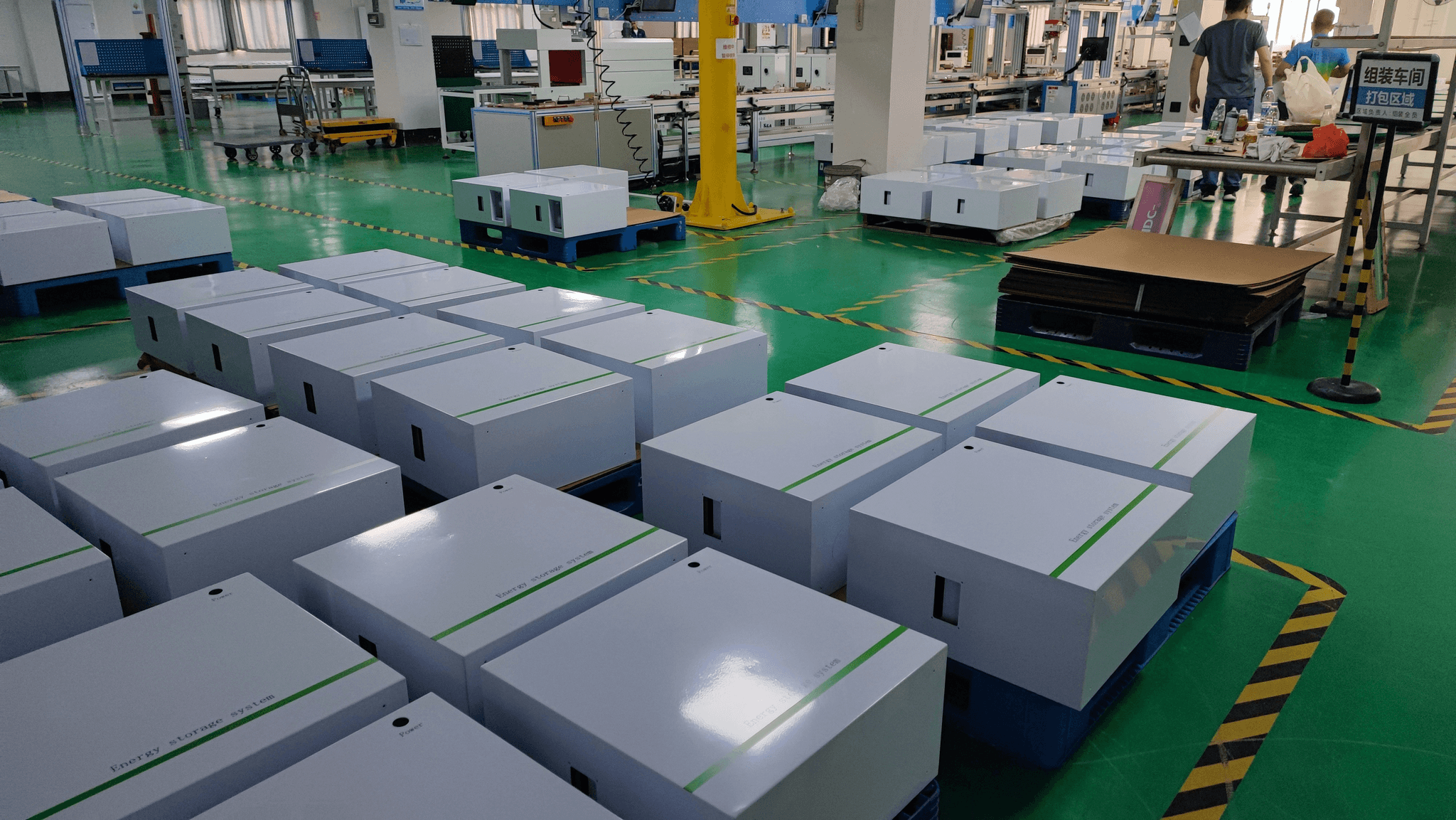
The GI inspection level serves as a foundational component in the realm of quality control (QC) sampling. It is tailored for situations where the risk of defects is relatively low, making it an ideal choice for manufacturers seeking to maintain high standards without excessive scrutiny. By understanding the characteristics, applications, and alignment with acceptable quality levels (AQL), businesses can effectively implement this inspection level to enhance their quality assurance processes.
Characteristics of GI Level Inspections
GI level inspections are characterized by their moderate sample size and acceptance criteria, which balance thoroughness with efficiency. This level is often employed when a company has a good track record of quality and reliability, allowing them to minimize inspection costs while still ensuring product integrity. The focus here is on identifying major defects rather than minor imperfections, streamlining the QC sampling process and reinforcing trust in the production line.
Applications in Various Industries
The GI inspection level finds its place across multiple industries, including textiles, electronics, and food production. In textiles, for instance, it helps ensure that fabric batches meet aesthetic and functional standards without excessive resource allocation on inspections. Similarly, in electronics manufacturing, GI inspections serve as a cost-effective measure to verify that components adhere to safety regulations while maintaining efficiency in production timelines.
How GI Inspection Level Meets AQL Standards
GI inspections align seamlessly with acceptable quality levels (AQL), providing a structured approach to evaluating product quality against predefined benchmarks. By adhering to AQL guidelines during GI inspections, companies can confidently determine whether their products meet customer expectations while minimizing waste and rework costs. Ultimately, this synergy between the GI inspection level and AQL standards reinforces effective QC sampling practices that benefit both manufacturers and consumers alike.
GII Inspection Level
The GII inspection level serves as a crucial middle ground in the hierarchy of inspection levels for QC sampling. It is designed to strike a balance between thoroughness and efficiency, making it suitable for various industries that require a higher standard than the GI inspection level but do not necessitate the rigorous scrutiny associated with GIII inspections. By understanding the distinct features and ideal scenarios for GII inspections, businesses can enhance their quality assurance processes while effectively managing resource allocation.
Distinct Features of GII Inspections
GII inspections are characterized by their moderate sample sizes and acceptance criteria that are more stringent than those of GI inspections. This level typically employs a double sampling plan, allowing inspectors to evaluate products with greater precision before making final acceptance decisions. Furthermore, GII inspections focus on identifying defects that could lead to significant quality issues, ensuring that products meet acceptable quality levels without overwhelming production timelines.
The use of statistical methods in GII inspections also sets it apart from other levels; it incorporates a more detailed analysis of defect types and potential impacts on overall product performance. This analytical approach allows businesses to gain deeper insights into their production processes while minimizing risks associated with subpar quality outputs. As companies navigate through various inspection levels for QC sampling, recognizing these distinct features can help them tailor their quality assurance strategies effectively.
Ideal Scenarios for GII Level
GII inspection levels are particularly advantageous in scenarios where product variability is moderate, and potential defects could have serious implications if left unchecked. Industries such as electronics manufacturing or automotive components often find themselves in situations where balancing cost-efficiency with stringent quality standards is vital; thus, opting for GII inspections becomes an ideal choice. Additionally, when introducing new products or modifications to existing lines, employing the GII level allows companies to assess risks comprehensively without resorting to the exhaustive measures required by GIII inspections.
Another situation ripe for utilizing the GII inspection level is during supplier evaluations or when sourcing materials from new vendors. By implementing this middle-tier approach, organizations can ensure they maintain high-quality standards while fostering relationships with suppliers who demonstrate consistent performance over time. Ultimately, recognizing these ideal scenarios enables businesses to leverage the benefits of both efficiency and effectiveness within their QC sampling strategies.
The Importance of GII in Quality Assurance
By providing a systematic method for evaluating product integrity without incurring excessive costs or time delays associated with more intensive inspections like those at the GIII level, organizations can achieve sustainable operational excellence. Moreover, this balanced approach helps build trust among stakeholders—both internally within teams and externally with customers—by consistently delivering products that meet acceptable quality levels.
Incorporating GII inspections into an organization’s overall QC strategy fosters continuous improvement by pinpointing areas requiring enhancement while still adhering to established benchmarks across all inspection levels for QC sampling. This proactive stance not only mitigates risks but also promotes innovation as teams feel empowered to explore new methodologies knowing they have reliable systems in place for maintaining product integrity throughout production cycles. Thus, understanding how QC sampling relies on acceptable quality levels ultimately strengthens brand reputation and customer satisfaction.
GIII Inspection Level

This level is particularly beneficial when the stakes are high and the cost of defects can lead to significant losses. It's ideal for scenarios where product quality must be ensured without overextending resources, striking a balance between thoroughness and efficiency.
When to Choose GIII Inspections
GIII inspections should be selected when you need a more comprehensive assessment than what GI or GII inspection levels provide but without going overboard. If your products are critical components in industries like aerospace or healthcare, opting for GIII inspections can help mitigate risks associated with potential defects. Additionally, if historical data indicates that previous batches had higher defect rates, upgrading to GIII could be wise for ensuring quality.
Benefits of GIII for Quality Control
One of the primary benefits of utilizing the GIII inspection level in QC sampling is its rigorous approach to identifying defects before they reach consumers. This not only enhances customer satisfaction but also minimizes returns and warranty claims, ultimately saving companies money in the long run. Furthermore, implementing GIII inspections reinforces a culture of quality within organizations by emphasizing accountability and continuous improvement.
GIII and Its Alignment with Acceptable Quality Levels
The alignment of GIII inspections with acceptable quality levels (AQL) is crucial for maintaining industry standards while ensuring product reliability. By adhering to AQL guidelines during GIII inspections, businesses can confidently assess whether their products meet necessary specifications before hitting the market. In this way, how QC sampling relies on acceptable quality levels becomes clear; it ensures that every batch produced aligns with both consumer expectations and regulatory requirements.
Conclusion
In summary, understanding the various Inspection Levels for QC Sampling is essential for effective quality control. Each level—GI, GII, and GIII—serves a distinct purpose in ensuring that products meet acceptable quality standards. By recognizing the unique characteristics of these levels, businesses can implement more efficient inspection processes tailored to their specific needs.
Recap of Inspection Levels for QC Sampling
The GI inspection level is designed for situations where a high level of confidence in product quality is required, making it suitable for critical applications across various industries. In contrast, the GII inspection level offers a balanced approach that caters to moderate risk scenarios while still maintaining acceptable quality levels. Lastly, the GIII inspection level serves as a more relaxed option, typically used when the stakes are lower but still demands adherence to basic quality standards.
Key Takeaways on GI, GII, and GIII Levels
When considering Inspection Levels for QC Sampling, it's crucial to match the right level with your product's risk profile and industry requirements. The GI inspection level provides thorough scrutiny and is ideal for high-stakes environments; however, it may be resource-intensive. On the other hand, both GII and GIII levels offer flexibility and efficiency while ensuring that acceptable quality levels are maintained without overburdening resources.
How QC Sampling Relies on AQL Insights
How QC sampling relies on acceptable quality levels cannot be overstated; these insights guide businesses in determining which inspection level to apply based on their specific context and objectives. By integrating AQL principles into their sampling strategies, organizations can optimize their processes while minimizing waste and inefficiencies associated with overly stringent inspections or inadequate checks. Ultimately, leveraging AQL insights ensures that all three Inspection Levels—GI, GII, and GIII—are utilized effectively to enhance overall product quality.