
Introduction

In a world where quality and compliance are paramount, factory audits have emerged as a crucial tool for businesses aiming to ensure their operations meet industry standards. A well-structured Factory Audit Checklist serves as the backbone of this process, guiding auditors through essential evaluations tailored to specific industries. From the Textiles & Apparel Industry Specific Checks to those relevant for Electronics & Electrical or Food & Beverage sectors, understanding these nuances can significantly enhance the effectiveness of an audit.
Understanding the Importance of Factory Audits
Factory audits are not just a box-ticking exercise; they play a vital role in safeguarding brand reputation and ensuring product safety. By conducting thorough inspections, companies can identify potential risks and non-compliance issues before they escalate into costly problems. Moreover, implementing a robust Factory Audit Checklist fosters transparency and builds trust among stakeholders, from suppliers to consumers.
Key Components of a Factory Audit Checklist
A comprehensive Factory Audit Checklist is made up of several key components that ensure no stone is left unturned during the evaluation process. These components typically include defining audit objectives, identifying compliance requirements, and preparing necessary documentation and records. Each section is designed to address specific areas pertinent to various industries like Automotive & Machinery or Furniture & Home Goods, providing a tailored approach that enhances audit accuracy.
Overview of Industry Specific Checks
Different industries have unique requirements that necessitate specialized checks within the factory audit framework. For instance, the Electronics & Electrical Industry Specific Checks focus on safety standards and product performance testing, while Food & Beverage Industry Specific Checks emphasize sanitation practices and quality control procedures. By incorporating these industry-specific elements into the Factory Audit Checklist, businesses can ensure they meet regulatory demands while maintaining high-quality production standards.
The Essentials of a Factory Audit Checklist
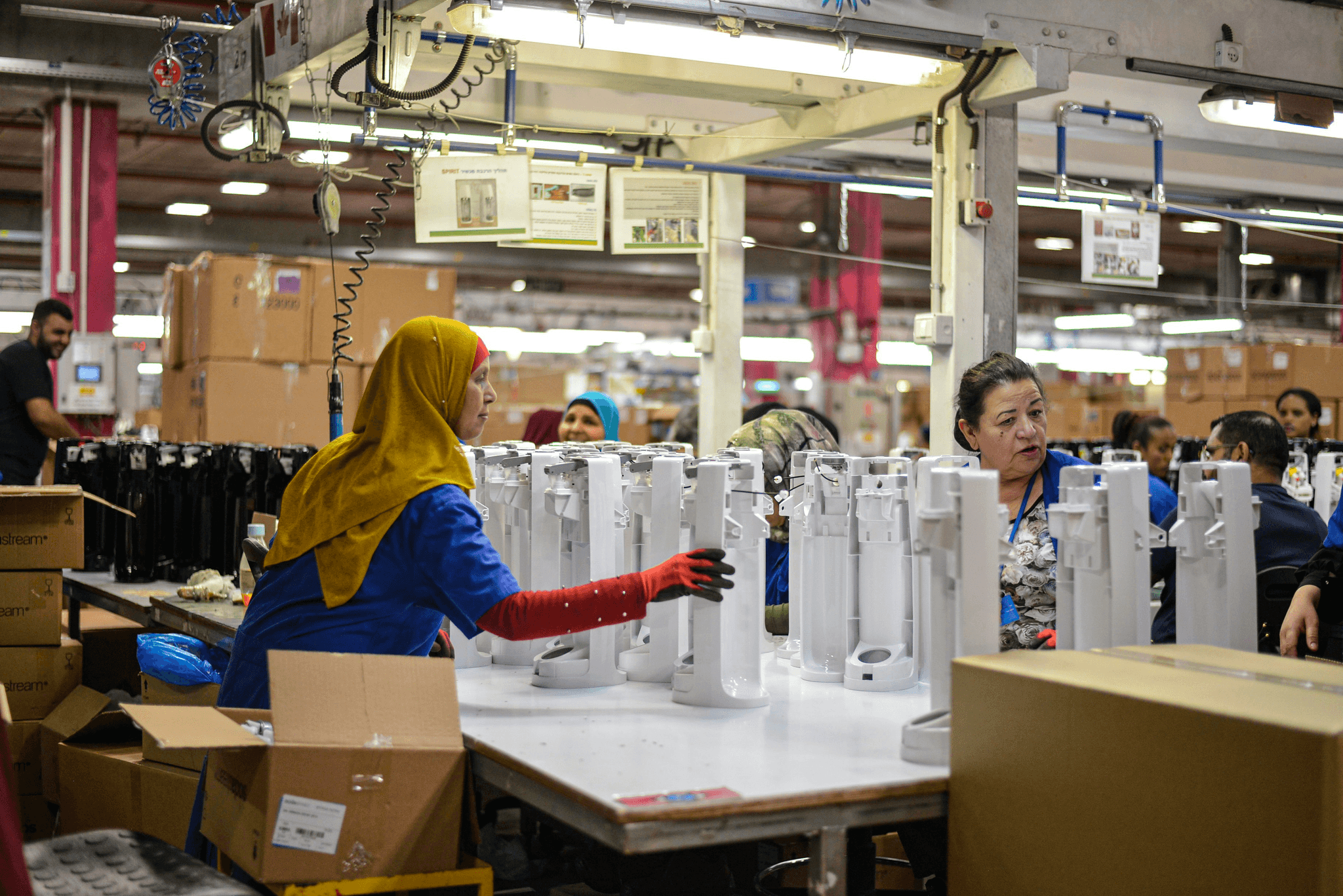
Creating an effective Factory Audit Checklist is crucial for ensuring that all aspects of production are compliant and efficient. This checklist serves as a roadmap, guiding auditors through the necessary steps to evaluate a factory's operations. By focusing on key areas such as objectives, compliance requirements, and documentation, companies can ensure comprehensive assessments across various industries.
Defining Audit Objectives and Scope
Before diving into the nitty-gritty of a Factory Audit Checklist, it's essential to define clear audit objectives and scope. Establishing what you aim to achieve—whether it’s improving quality control in Textiles & Apparel Industry Specific Checks or ensuring safety standards in Electronics & Electrical Industry Specific Checks—will help tailor your audit process effectively. A well-defined scope also ensures that your audit remains focused and relevant to the specific industry requirements.
In addition to setting objectives, consider the geographical location and size of the factory being audited. Different factories may have unique challenges based on their operational scale or regional regulations, particularly in sectors like Food & Beverage Industry Specific Checks or Automotive & Machinery Industry Specific Checks. Understanding these nuances not only sharpens your focus but also enhances the effectiveness of your audit.
Identifying Compliance Requirements
Once you’ve established your objectives, identifying compliance requirements becomes paramount in developing your Factory Audit Checklist. Each industry has its own set of regulations; for instance, Furniture & Home Goods Industry Specific Checks may necessitate adherence to safety standards while Electronics & Electrical Industry Specific Checks might focus on environmental compliance laws. Knowing these requirements helps auditors pinpoint potential areas of risk or non-compliance.
Moreover, staying updated on local and international regulations is vital for maintaining compliance throughout the auditing process. This not only helps avoid legal issues but also fosters trust with stakeholders who expect ethical practices from manufacturers across all sectors—including textiles, food production, automotive manufacturing, and more. With clear compliance criteria established, auditors can systematically evaluate each aspect during their inspections.
Preparing Documentation and Records
A well-organized approach to preparing documentation and records is essential for an effective Factory Audit Checklist. Thorough documentation not only aids in tracking compliance with industry standards but also serves as evidence during audits—especially critical when conducting checks related to Food & Beverage Industry Specific Checks or Automotive & Machinery Industry Specific Checks where traceability is key.
Auditors should compile records such as past inspection reports, employee training logs, safety certifications, and quality control documents before initiating the audit process. This preparation allows for smoother inspections by providing context about each area being evaluated—be it labor practices in Textiles & Apparel or supply chain management in Electronics & Electrical sectors.
In conclusion, laying down these essentials creates a solid foundation for any factory audit endeavor while ensuring that you’re equipped with a robust Factory Audit Checklist tailored specifically for diverse industries like furniture manufacturing or food processing.
Textiles & Apparel Industry Specific Checks

The textiles and apparel industry is a vibrant sector, but it also comes with its unique set of challenges that necessitate thorough scrutiny. A well-structured Factory Audit Checklist tailored for this industry can help ensure that manufacturers adhere to quality standards, ethical labor practices, and sustainable operations. By focusing on specific checks relevant to textiles and apparel, companies can foster trust and transparency in their supply chains.
Assessing Material Quality and Sustainability
This involves examining raw materials for their origin, composition, and environmental impact—are they sourced sustainably? Evaluating certifications like GOTS (Global Organic Textile Standard) or OEKO-TEX can also provide insights into whether materials are safe for consumers and the planet.
Sustainability is not just a buzzword; it’s a crucial factor in modern manufacturing practices. An effective audit should include checks on waste management practices as well as water usage during production processes. Companies that prioritize sustainable materials often find themselves ahead of the curve in consumer preference—after all, eco-conscious shoppers are increasingly seeking brands that align with their values.
Evaluating Labor Practices and Safety Standards
Next up on our Factory Audit Checklist is evaluating labor practices and safety standards within textile factories. This means checking for compliance with local labor laws regarding wages, working hours, and conditions—because no one wants to wear a shirt made by someone working under duress! It’s essential to ensure that workers are treated fairly, provided with adequate breaks, and have access to necessary safety equipment.
Moreover, safety standards play a critical role in preventing workplace accidents that could disrupt production or harm employees. Auditors should assess fire exits, ventilation systems, and machinery safeguards as part of this evaluation process. A commitment to ethical labor practices not only enhances brand reputation but also fosters employee loyalty—a win-win situation!
Inspecting Production Processes and Equipment
Finally, inspecting production processes and equipment rounds out our Factory Audit Checklist for the textiles & apparel industry. This entails evaluating everything from sewing machines to dyeing processes—ensuring they meet operational efficiency while adhering to safety regulations. Faulty equipment can lead not only to poor-quality products but also significant delays in delivery schedules.
Additionally, auditors should examine workflow efficiency within the factory setting: Are there bottlenecks? Is there an over-reliance on manual labor when automation could improve output? By identifying areas for improvement through this inspection process, companies can streamline operations while maintaining high-quality standards—a key component of success in today’s competitive market.
Electronics & Electrical Industry Specific Checks
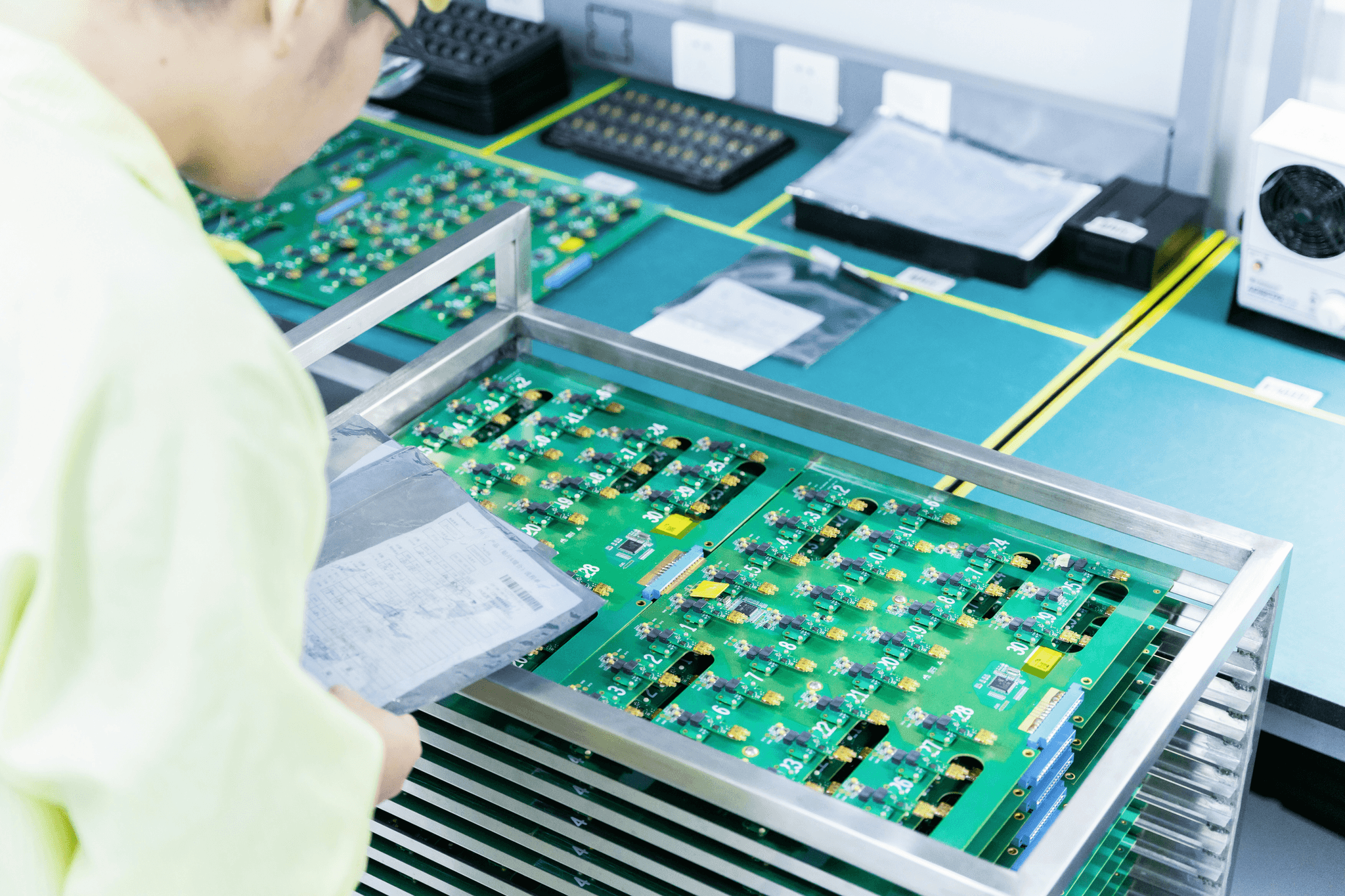
In the fast-paced world of electronics and electrical manufacturing, a thorough Factory Audit Checklist is crucial for ensuring product safety and performance. This industry is rife with regulations, standards, and consumer expectations that can make or break a brand's reputation. As such, specific checks tailored to this sector help maintain high-quality output while safeguarding public safety.
Ensuring Compliance with Safety Standards
Safety standards in the electronics industry are non-negotiable; they protect consumers and ensure products perform as intended without causing harm. The Factory Audit Checklist should include checks for compliance with international safety regulations such as IEC, UL, or CE certifications. By systematically assessing adherence to these standards, manufacturers can mitigate risks associated with electrical hazards and faulty designs.
Moreover, auditors need to evaluate the implementation of proper insulation techniques, grounding practices, and circuit protection methods within the production process. This ensures that every product not only meets legal requirements but also aligns with best practices in safety management. Ultimately, a robust focus on compliance during audits can enhance consumer trust and brand loyalty.
Testing Product Functionality and Performance
A well-rounded Factory Audit Checklist must also encompass rigorous testing of product functionality and performance metrics. In the electronics sector, this means ensuring that devices operate under specified conditions without failure or degradation over time. Auditors should assess various parameters including power consumption, signal integrity, thermal performance, and user interface responsiveness.
Conducting these tests helps identify potential issues early in the production cycle before they escalate into costly recalls or reputational damage. Furthermore, evaluating functionality against established benchmarks provides manufacturers insights into their competitive standing within the market. By integrating performance testing into factory audits, companies can continuously improve their offerings while meeting customer expectations.
Reviewing Supply Chain and Component Sourcing
The integrity of an electronic product often hinges on its components; thus reviewing supply chain practices is essential within any Factory Audit Checklist for this industry. Auditors should scrutinize suppliers' quality assurance processes to ensure that all sourced materials meet necessary specifications for reliability and safety. This includes evaluating traceability systems that track components from their origin to final assembly.
Additionally, assessing supplier relationships can reveal vulnerabilities in sourcing strategies that may affect production timelines or quality control measures down the line. With global supply chains becoming increasingly complex due to geopolitical factors or natural disasters, maintaining transparency becomes vital for risk management. Therefore, incorporating supply chain reviews into factory audits not only enhances product quality but also fortifies operational resilience against unforeseen disruptions.
Food & Beverage Industry Specific Checks

When it comes to the Food & Beverage industry, a robust Factory Audit Checklist is crucial for ensuring the safety and quality of products that consumers rely on daily. This sector faces unique challenges, from stringent regulations to evolving consumer expectations about health and safety. Therefore, conducting thorough audits with a focus on sanitation, quality control, and compliance can help businesses maintain their reputation while meeting industry standards.
Verifying Sanitation and Hygiene Practices
First up in our Food & Beverage Industry Specific Checks is the verification of sanitation and hygiene practices. This involves examining whether facilities adhere to cleanliness protocols that prevent contamination during production. Auditors should look for proper handwashing stations, cleanliness of equipment, and regular pest control measures—essential components outlined in the Factory Audit Checklist.
Moreover, it's important to check if staff are trained in hygiene practices relevant to food handling. Training records should be available for review during the audit process to ensure compliance with health regulations. A well-maintained environment not only safeguards public health but also enhances product integrity—a win-win situation for all stakeholders involved.
Analyzing Quality Control Procedures
Next on our checklist is analyzing quality control procedures within the food production process. Quality control is vital in ensuring that every batch meets safety standards and consumer expectations; thus, it must be meticulously documented and regularly reviewed as part of your Factory Audit Checklist. Auditors should examine sampling methods, testing protocols, and records of any deviations from accepted quality standards.
Additionally, it's essential to evaluate how non-conformities are managed within the facility—are there corrective actions taken promptly? Understanding these processes provides insights into a factory's commitment to producing safe food products consistently. The robustness of these procedures directly impacts brand reputation and customer loyalty.
Examining Packaging and Labeling Compliance
Lastly, we delve into examining packaging and labeling compliance as part of our Food & Beverage Industry Specific Checks. Packaging isn't just about aesthetics; it's about protecting products from contamination while providing essential information to consumers regarding ingredients and nutritional value—key elements often highlighted in a comprehensive Factory Audit Checklist. Auditors need to verify that labels meet regulatory requirements concerning allergen declarations, expiration dates, and nutritional information.
Furthermore, packaging materials themselves must also comply with safety standards; this includes checking for potential chemical leaching from containers or wrappers into food products. Ensuring accurate labeling not only keeps consumers informed but also protects manufacturers from legal liabilities associated with misinformation or unsafe products. In an industry where trust is paramount, meticulous attention to packaging can make all the difference.
Automotive & Machinery Industry Specific Checks

In the automotive and machinery sectors, factory audits are crucial for ensuring that manufacturers adhere to stringent standards. The Factory Audit Checklist for this industry is tailored to assess not just compliance but also operational efficiency and product quality. By focusing on specific checks, companies can mitigate risks and enhance their reputation in a competitive market.
Assessing Manufacturing Processes and Technologies
When it comes to assessing manufacturing processes, a thorough evaluation of production techniques is essential. The Factory Audit Checklist should include checks on machinery efficiency, production flow, and technology integration. This ensures that manufacturers are utilizing the best practices to enhance productivity while minimizing waste.
Additionally, it’s important to examine how technology impacts manufacturing processes. Are automation systems in place to streamline operations? Understanding these aspects allows auditors to provide valuable insights into potential improvements that could lead to cost savings and enhanced output.
Inspecting Quality Assurance Systems
Quality assurance systems are the backbone of any successful automotive or machinery manufacturer. A comprehensive Factory Audit Checklist will include an evaluation of the quality control measures in place throughout the production cycle. This includes reviewing testing protocols, documentation practices, and corrective action procedures when standards are not met.
Moreover, auditors should ensure that all products undergo rigorous testing before leaving the factory floor. By verifying these quality assurance systems, companies can build consumer trust and reduce returns due to defects or failures—an essential aspect in both the automotive & machinery industries.
Reviewing Environmental and Safety Compliance
Environmental compliance is increasingly becoming a non-negotiable factor in factory audits across all industries—including automotive and machinery manufacturing. The Factory Audit Checklist must address adherence to local regulations regarding emissions, waste disposal, and resource consumption. This helps companies not only comply with legal requirements but also embrace sustainability—a growing concern for consumers today.
Safety compliance is equally critical; ensuring that workers operate within safe environments protects both employees and the company’s bottom line. Auditors should assess safety training programs, equipment maintenance schedules, and emergency response plans as part of their review process. Ultimately, prioritizing environmental stewardship alongside safety can bolster a company’s reputation while fostering a culture of responsibility within the workplace.
Furniture & Home Goods Industry Specific Checks

In the realm of furniture and home goods, a comprehensive Factory Audit Checklist is crucial to ensure quality, safety, and compliance. This industry faces unique challenges, from material sourcing to design ergonomics, which necessitate specific checks tailored to its needs. By focusing on these areas, companies can enhance their reputation and customer satisfaction while adhering to industry standards.
Evaluating Material Sourcing and Safety
When evaluating material sourcing in the furniture industry, it's essential to prioritize sustainability and safety. A thorough Factory Audit Checklist should include checks for certifications that verify materials are sourced responsibly, such as FSC (Forest Stewardship Council) for wood products. Additionally, auditors should assess whether materials meet safety standards to prevent hazards like toxic chemicals in finishes or adhesives.
Understanding the origin of materials not only ensures compliance with regulations but also appeals to environmentally conscious consumers. This aspect aligns with broader trends seen in other sectors like Textiles & Apparel Industry Specific Checks or Electronics & Electrical Industry Specific Checks where transparency is increasingly demanded. Ultimately, effective material evaluation contributes significantly to the overall quality and marketability of furniture products.
Inspecting Furniture Design and Ergonomics
Design plays a pivotal role in the furniture industry; it’s not just about aesthetics but also functionality and comfort. The Factory Audit Checklist must include ergonomic assessments that ensure products are designed for user comfort and efficiency. This involves checking dimensions, weight distribution, and adjustability features that cater to diverse consumer needs.
Furthermore, inspectors should evaluate how design choices impact durability and usability over time—factors that are vital for customer satisfaction in an industry often compared with Automotive & Machinery Industry Specific Checks regarding product longevity. By ensuring that designs are both appealing and practical, manufacturers can differentiate themselves from competitors while fostering brand loyalty among consumers.
Ensuring Compliance with Regulatory Standards
Navigating regulatory compliance is critical for any manufacturer within the furniture sector; failing to meet these standards can lead to costly recalls or legal repercussions. The Factory Audit Checklist should focus on verifying adherence to local and international regulations concerning product safety, labeling requirements, and environmental impact assessments.
Regular audits help identify potential areas of non-compliance before they become significant issues—a proactive approach that mirrors practices found in Food & Beverage Industry Specific Checks or Automotive & Machinery Industry Specific Checks where regulatory scrutiny is intense. By prioritizing compliance within their operations, companies can build trust with consumers while safeguarding their brand reputation against potential liabilities.
Conclusion
In the ever-evolving landscape of global manufacturing, a comprehensive Factory Audit Checklist is not just a luxury; it’s a necessity. It serves as a critical tool for ensuring compliance across various industries, including textiles & apparel, electronics & electrical, food & beverage, automotive & machinery, and furniture & home goods. By meticulously following this checklist, businesses can mitigate risks and enhance their operational efficiency.
Summarizing the Importance of a Comprehensive Checklist
A well-structured Factory Audit Checklist acts as the backbone of an effective auditing process. It ensures that all essential components are reviewed thoroughly, from labor practices in textiles & apparel to safety standards in electronics & electrical sectors. This comprehensive approach allows companies to identify gaps and implement corrective actions before they escalate into larger problems.
Moreover, industry-specific checks tailored to sectors like food & beverage and automotive & machinery provide invaluable insights into compliance with regulatory standards. For instance, while evaluating sanitation practices in the food sector or inspecting manufacturing processes in automotive production, having a detailed checklist ensures no stone is left unturned. Ultimately, this diligence leads to better quality products and increased consumer trust.
How China Inspection Pro Elevates Audit Standards
China Inspection Pro stands out as a leader in elevating factory audit standards through its innovative approach to audits. By leveraging technology and expertise specifically designed for diverse industries—such as textiles & apparel or furniture & home goods—they provide tailored solutions that enhance compliance and quality assurance processes. Their commitment to excellence ensures that every Factory Audit Checklist is not only thorough but also aligned with international best practices.
Furthermore, China Inspection Pro's emphasis on real-time data collection during audits allows for immediate feedback and adjustments where necessary—transforming the traditional audit process into an agile one that adapts quickly to changing industry demands. This proactive stance not only improves operational efficiency but also fosters long-term partnerships between manufacturers and clients who prioritize quality above all else.
Next Steps for Implementing Effective Factory Audits
To implement effective factory audits using a robust Factory Audit Checklist, organizations should start by defining clear objectives tailored to their specific industry needs—be it textiles & apparel or electronics & electrical checks. Engaging with experts from firms like China Inspection Pro can provide invaluable guidance on best practices while ensuring compliance with local and international regulations.
Next, companies should invest time in training their teams on how to utilize these checklists effectively across various departments—from quality control in food & beverage sectors to safety inspections within automotive manufacturing processes. Regularly updating these checklists based on emerging trends will also keep companies ahead of potential issues while fostering continuous improvement across all operations.
In conclusion, embracing a comprehensive Factory Audit Checklist is crucial for any organization looking to thrive in today’s competitive marketplace—ensuring quality products while maintaining regulatory compliance across diverse industries such as furniture & home goods or automotive machinery.