
Introduction
Navigating the world of food contact materials can feel like walking through a maze—full of regulations, standards, and testing protocols that seem ever-changing. For food businesses aiming to serve safe products, understanding the ins and outs of FDA Food Contact Materials Testing is essential. This knowledge not only helps ensure compliance but also protects your brand’s reputation and keeps consumers happy and healthy.
Navigating the World of Food Contact Materials
Food contact materials are everywhere—from packaging to cookware—and knowing what are food contact materials is the first step in ensuring safety. The landscape is complex, with various types of materials permitted by the FDA under specific regulations and standards. Familiarity with these materials allows businesses to navigate legal requirements confidently and avoid costly mistakes.
Why Compliance Matters for Your Food Business
Compliance with FDA Regulations and Standards isn’t just a bureaucratic hurdle; it’s a vital part of safeguarding public health. Proper FDA Food Contact Materials Testing verifies that your products meet safety thresholds, reducing risks of contamination or harmful chemical migration. Ultimately, adhering to these standards fosters consumer trust and opens doors to international markets.
Understanding FDA Food Contact Materials Testing
Understanding FDA Food Contact Materials Testing involves grasping the steps involved in assessing whether your materials are safe for contact with food. From pre-testing preparations to interpreting results, following the Steps for FDA Food Contact Materials Testing ensures your products comply with federal guidelines. Staying proactive in this process helps prevent regulatory issues down the line while maintaining high safety standards.
What Are Food Contact Materials?
Understanding what are food contact materials is fundamental for any food business aiming to comply with regulations and ensure consumer safety. These materials are the items that come into direct contact with food, potentially affecting its safety and quality. With FDA Food Contact Materials Testing becoming increasingly crucial, knowing the types of permissible materials helps companies navigate regulatory waters smoothly.
Food contact materials encompass a wide range of products, from packaging and containers to utensils and processing equipment. The FDA has strict guidelines on which materials are allowed, emphasizing safety and non-toxicity. When considering FDA Regulations and Standards, it's vital to recognize that only approved substances can be used in these materials, making FDA Food Contact Materials Testing an essential step before market entry.
The key components within these materials—like plastics, ceramics, or metals—must undergo rigorous testing to identify potential contaminants or harmful leaching substances. This is where Steps for FDA Food Contact Materials Testing come into play; they help verify compliance with federal standards and prevent unsafe products from reaching consumers. By understanding what are food contact materials and ensuring proper testing, businesses can maintain high safety standards while avoiding costly recalls or legal issues.
FDA Regulations and Standards
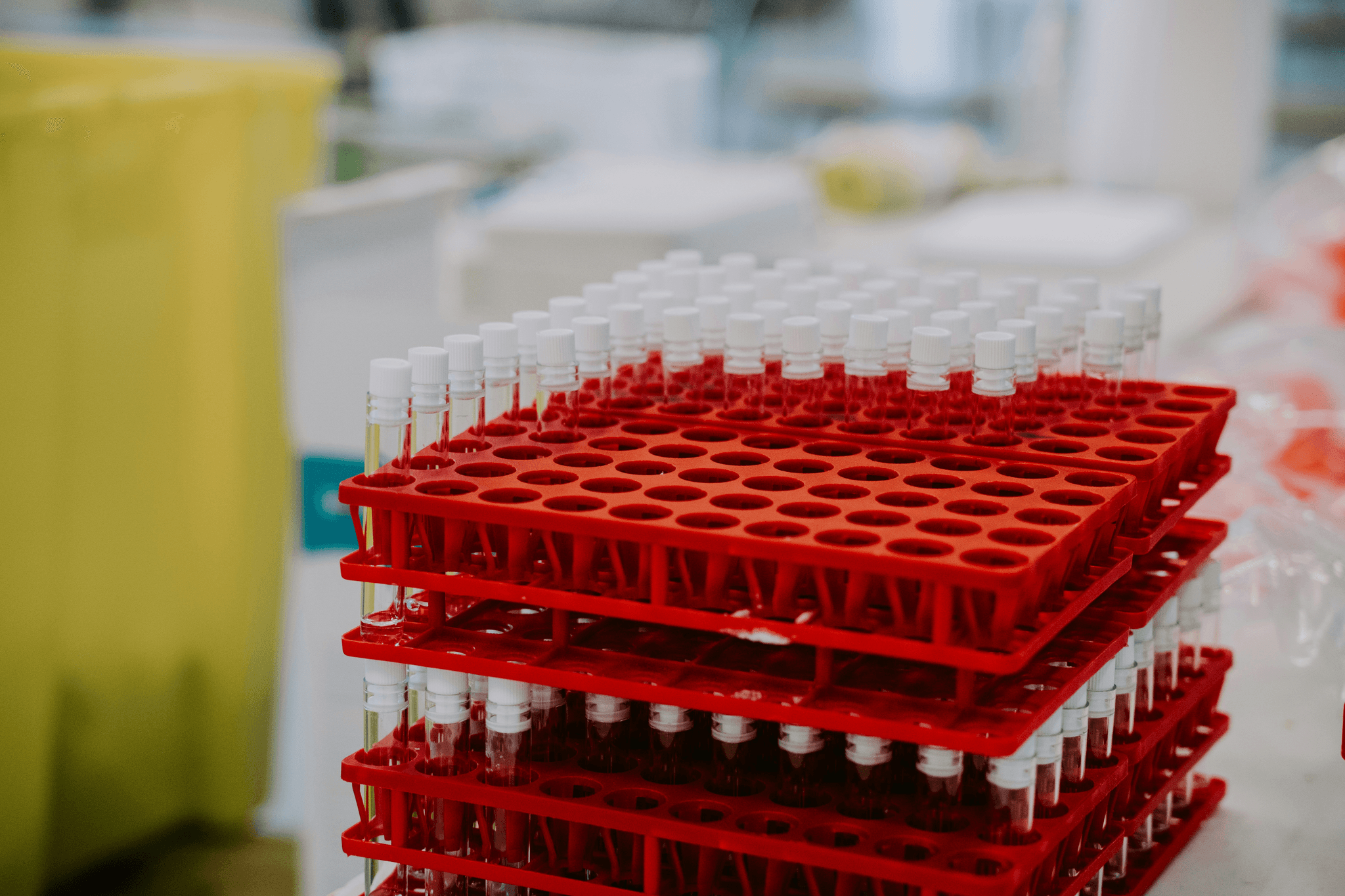
Navigating the world of food contact materials requires a solid understanding of the FDA Regulations and Standards that govern their safety and compliance. These regulations serve as the backbone for ensuring that materials in contact with food do not pose health risks to consumers. When it comes to FDA Food Contact Materials Testing, knowing these standards helps your business stay ahead of potential compliance issues and avoid costly recalls.
Understanding What Are Food Contact Materials is crucial because not all materials are treated equally under FDA regulations. The FDA has strict guidelines on which types of materials are allowed in food packaging, utensils, and containers. These rules are designed to protect public health while fostering innovation in packaging technology.
The Steps for FDA Food Contact Materials Testing are part of a comprehensive process that ensures each material complies with existing standards. From initial sample collection to final testing results interpretation, following these steps guarantees your products meet all regulatory requirements. Proper testing is essential for maintaining consumer trust and avoiding legal complications.
Overview of FDA Food Contact Materials Regulations
The FDA Food Contact Materials Regulations set clear boundaries on what materials can be used safely in food packaging and contact surfaces. These regulations specify permissible substances, migration limits, and labeling requirements to ensure consumer safety. Conducting thorough FDA Food Contact Materials Testing is vital for verifying that your products align with these standards before they hit the market.
These regulations also mandate that manufacturers maintain detailed documentation demonstrating compliance, which underscores the importance of meticulous record-keeping throughout the testing process. By understanding What Are Food Contact Materials covered under these rules, businesses can better navigate complex compliance landscapes with confidence.
Moreover, staying updated with changes in FDA Regulations and Standards helps companies adapt swiftly when new substances or restrictions emerge. This proactive approach minimizes risks associated with non-compliance while reinforcing your commitment to safety through consistent testing protocols.
How the FDA Ensures Food Safety
The FDA ensures food safety by establishing rigorous standards for all aspects related to food contact materials, including ingredient approval lists and migration limits. Regular inspections and random sampling form part of their strategy to enforce compliance effectively—highlighting why thorough Steps for FDA Food Contact Materials Testing are essential components of quality assurance programs.
By requiring manufacturers to submit test results demonstrating adherence to these standards, the agency creates a robust barrier against unsafe substances entering the food supply chain. This process relies heavily on accurate laboratory analysis—making choosing a certified lab for FDA Food Contact Materials Testing a critical decision for producers committed to safety.
Furthermore, international standards influence how the FDA develops its policies; aligning global best practices ensures consistency across borders while safeguarding public health worldwide.
International Standards That Influence FDA Policies
Global harmonization plays a significant role in shaping theFDA Regulations and Standards governing food contact materials worldwide. International organizations like Codex Alimentarius provide guidelines that often influence U.S.-based policies—especially concerning harmful chemical migration limits or approved substances.
Understanding What Are Food Contact Materials from an international perspective helps companies streamline their compliance efforts across multiple markets by adopting universally accepted testing methods during their Steps for FDA Food Contact Materials Testing process.
Adopting internationally recognized standards not only simplifies regulatory hurdles but also enhances consumer confidence by demonstrating commitment to high-quality safety practices rooted in global consensus—making proper testing an indispensable element when navigating this complex landscape.
Steps for FDA Food Contact Materials Testing
Embarking on the journey of FDA Food Contact Materials Testing can seem daunting, but understanding each step makes it manageable. Knowing what are food contact materials? is fundamental because it helps identify which materials require testing to meet FDA Regulations and Standards. Proper preparation not only streamlines the process but also ensures your products stay compliant and safe for consumers.
Pre-Testing Preparation with China Inspection Pro
Before diving into testing, partnering with a knowledgeable agency like China Inspection Pro can make all the difference. They assist in understanding what are food contact materials? and help you prepare documentation that aligns with FDA Regulations and Standards. This pre-testing phase involves ensuring your materials meet initial criteria, filling out necessary paperwork, and scheduling sampling to avoid costly delays later.
Sample Collection and Testing Procedures
Collecting samples accurately is crucial for reliable FDA Food Contact Materials Testing results. This step involves selecting representative samples from production batches, following strict protocols to prevent contamination or alteration of the material's properties. Once collected, these samples are sent to certified labs that specialize in testing according to FDA regulations, ensuring your products meet all standards required for market entry.
Interpreting Results and Ensuring Compliance
After testing, the lab provides detailed reports indicating whether your materials comply with FDA Regulations and Standards related to food contact safety. Understanding what are food contact materials? helps interpret these results effectively—if any issues arise, corrective actions must be taken promptly to maintain compliance. Consistently reviewing test outcomes guarantees ongoing safety and smooth market access for your food packaging or containers.
Choosing the Right Testing Partner
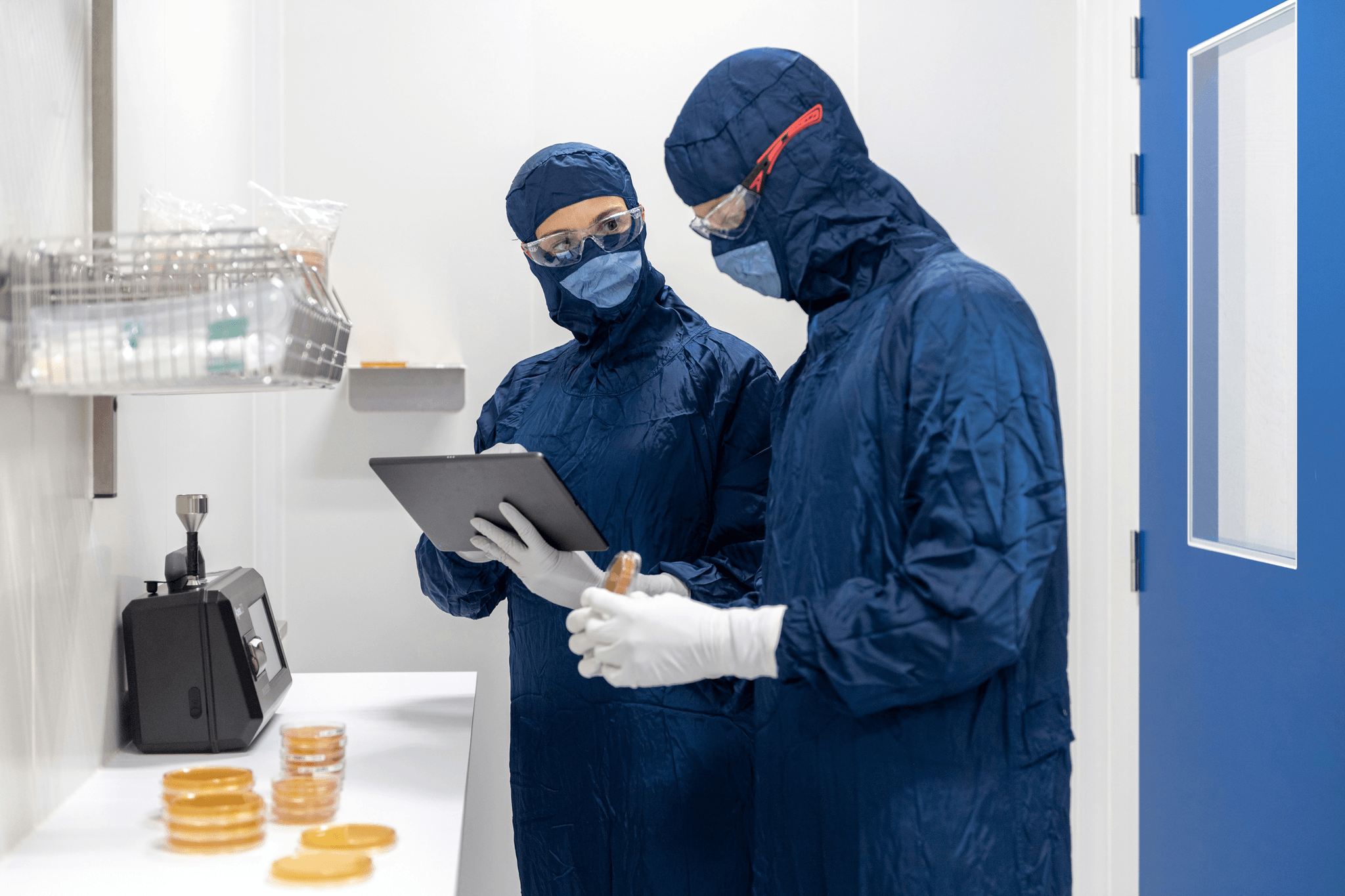
Selecting the right partner for FDA Food Contact Materials Testing is crucial to ensure your products meet regulatory standards and keep consumers safe. A reliable testing lab will help you navigate the complex landscape of What Are Food Contact Materials? and FDA Regulations and Standards, making sure your materials are compliant from the start. Remember, the steps for FDA Food Contact Materials Testing can be intricate, so partnering with experts simplifies the process while safeguarding your brand reputation.
Why Partner with a Certified Lab
When it comes to FDA Food Contact Materials Testing, certification isn't just a badge of honor—it's a necessity. Certified labs have proven expertise in understanding What Are Food Contact Materials? regulations and adhere strictly to FDA Regulations and Standards, ensuring accurate results that stand up to scrutiny. Working with such labs minimizes compliance risks and boosts confidence that your materials are safe for consumers.
Benefits of Working with China Inspection Pro
China Inspection Pro offers specialized expertise in FDA Food Contact Materials Testing, streamlining your path through the regulatory maze. Their team is well-versed in Steps for FDA Food Contact Materials Testing, providing thorough analysis and timely reports that keep you ahead of evolving standards. Partnering with them guarantees access to cutting-edge testing methods aligned with international standards influencing FDA policies—making compliance a breeze.
Critical Factors in Selecting Testing Services
Choosing an ideal testing service involves more than just price; consider their familiarity with What Are Food Contact Materials? regulations and their capacity to perform comprehensive FDA Food Contact Materials Testing efficiently. Ensure they follow rigorous Steps for FDA Food Contact Materials Testing protocols and maintain detailed documentation—crucial for audits and record-keeping. Additionally, verify their accreditation status and experience working within international standards that influence FDA policies to secure dependable results.
Maintaining Compliance and Safety
Staying on top of FDA Food Contact Materials Testing is crucial for any food business that wants to avoid costly recalls and reputation damage. Proper record-keeping and thorough documentation of all testing procedures ensure traceability and demonstrate compliance with FDA Regulations and Standards. When you keep detailed records, it becomes easier to navigate audits, prove your adherence to safety protocols, and quickly address any issues that might arise during FDA Food Contact Materials Testing.
Regular testing and quality checks are the backbone of maintaining safety standards in your supply chain. Implementing a consistent schedule for FDA Food Contact Materials Testing helps catch potential problems early before they reach consumers. Remember, what are food contact materials? They can change over time due to wear or environmental factors, making ongoing testing essential to stay compliant with FDA Regulations and Standards.
Staying updated with evolving regulations is no longer optional—it's a necessity in today’s dynamic regulatory landscape. The steps for FDA Food Contact Materials Testing often include reviewing new guidelines issued by the FDA or international standards that influence these policies. By keeping abreast of these changes, your business can adapt quickly, ensuring continued compliance with FDA Regulations and Standards while safeguarding consumer health.
Conclusion
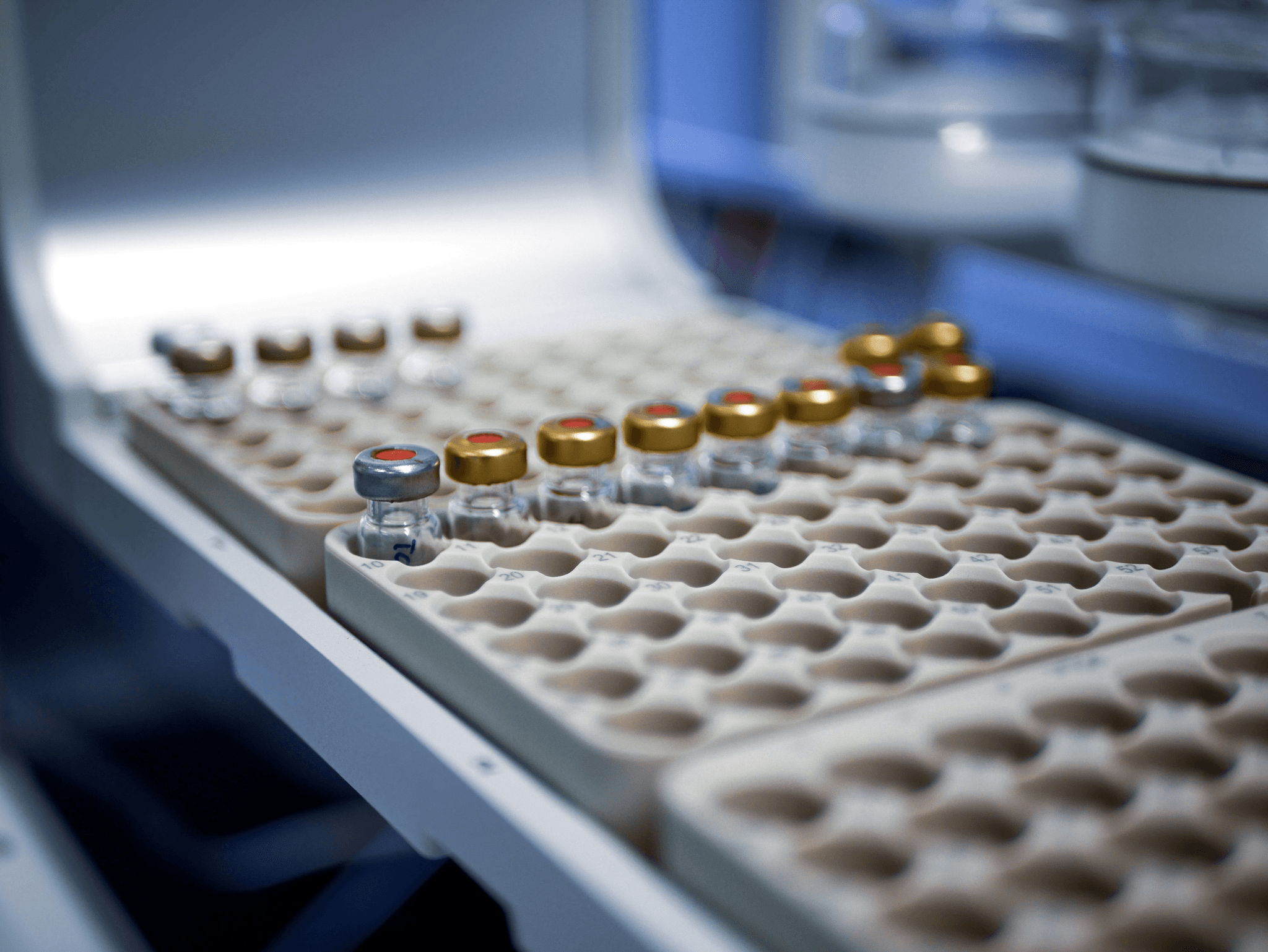
Ensuring that your food contact materials meet strict safety standards is crucial for safeguarding consumers and maintaining brand trust. Proper FDA Food Contact Materials Testing not only verifies compliance but also minimizes the risk of contamination or legal issues down the line. When you understand what are food contact materials and follow the steps for FDA Food Contact Materials Testing, you’re building a safer, more reliable product line that consumers can trust.
Ensuring Safe Food Contact Materials Protects Consumers
The primary goal of FDA regulations and standards is to protect public health by ensuring that food contact materials are safe and free from harmful substances. Conducting thorough FDA Food Contact Materials Testing helps identify potential risks before products hit the market, preventing consumer exposure to toxins or contaminants. Ultimately, knowing what are food contact materials and how they are tested demonstrates your commitment to safety and responsible business practices.
The Role of Proper Testing in Market Success
A solid understanding of FDA Regulations and Standards combined with diligent steps for FDA Food Contact Materials Testing can be a game-changer in gaining market acceptance internationally. Consumers today are more informed than ever, demanding transparency and quality assurance—something only proper testing can guarantee. By partnering with certified labs like China Inspection Pro, you streamline compliance processes, reduce delays, and position your brand as trustworthy—key ingredients for market success.
Partnering with Experts for Seamless Compliance
Navigating complex regulations requires expertise; partnering with specialists ensures your compliance journey is smooth from start to finish. Experts in FDA Food Contact Materials Testing know exactly what are food contact materials requirements and how to interpret results efficiently, saving time and resources. With the right partnership, you can confidently stay ahead of evolving regulations, maintain impeccable records, and focus on growing your business without worry.