
Introduction
Navigating the world of product safety requires more than just good intentions; it demands rigorous processes like Flammability Testing to ensure consumer safety and brand integrity. Understanding when and why conduct flammability tests? is crucial for manufacturers aiming to meet evolving safety standards and avoid costly recalls. This introduction provides a glimpse into the importance of Flammability Testing, how it shields both consumers and brands, and offers a brief overview of the process involved.
Understanding the Importance of Flammability Testing
Flammability Testing plays a vital role in assessing how materials or products react to fire, helping prevent potential disasters before they happen. Recognizing when and why conduct flammability tests? allows companies to identify hazards early in development, saving lives and reducing liabilities. Adhering to common standards for flammability testing ensures products meet industry benchmarks, whether under European Standards or United States Standards.
How Flammability Testing Protects Consumers and Brands
By implementing thorough flammability assessments, brands demonstrate their commitment to consumer safety while avoiding reputation-damaging incidents like fires or recalls. Flammability Testing acts as a safeguard against legal penalties by ensuring compliance with international standards such as EN 45545 or UL 94, depending on market requirements. Ultimately, it helps companies turn testing results into market advantages—proving their products are safe and reliable.
Overview of the Flammability Testing Process
The process involves evaluating materials through various tests aligned with common standards for flammability testing—like ASTM E84 or NFPA 701—tailored to specific industries or regions. Knowing when and why conduct flammability tests? guides manufacturers at critical product development stages, ensuring compliance from initial design through final certification. Partnering with experts such as China Inspection Pro can streamline this journey, turning rigorous testing into a competitive edge.
What Is Flammability Testing?

Flammability testing is the process of assessing how easily a material or product ignites and sustains combustion. It’s a crucial step in ensuring safety, especially when it comes to products that will be used in environments where fire hazards are a concern. Knowing when and why conduct flammability tests? Because it helps prevent potential disasters, avoids costly recalls, and ensures compliance with common standards for flammability testing across different regions.
Different industries rely heavily on flammability testing to meet strict safety guidelines. Whether it’s textiles, electronics, or building materials, these tests provide vital data that helps manufacturers improve product safety. Recognizing the importance of European standards and United States standards can make a significant difference in how products perform globally, making flammability testing an essential part of product development.
Defining Flammability Testing and Its Purpose
Flammability testing involves exposing materials to controlled fire conditions to evaluate their ignition resistance and flame spread characteristics. The purpose is clear: identify potential fire hazards before products reach consumers or the market. This process aligns with common standards for flammability testing like UL 94 in the U.S., or EN 45545 in Europe, which set the benchmarks for safe performance.
Understanding what is involved in flammability testing helps companies determine whether their products meet regulatory requirements or need modifications. The goal is not only compliance but also consumer safety—reducing risks associated with fire incidents. When and why conduct flammability tests? To ensure your products don’t ignite easily and to stay ahead of evolving international standards.
Common Types of Flammability Tests
There are several common standards for flammability testing designed for different applications, including vertical burn tests (UL 94), surface burning characteristics (ASTM E84), and fabric ignition resistance (NFPA 701). Each type targets specific material behaviors under fire exposure, helping manufacturers understand how their products will perform during real-world scenarios.
For example, European standards like EN 45545 focus on railway interior materials’ flame spread properties—highlighting how regional requirements influence test selection. Likewise, United States standards such as NFPA 701 emphasize fabric flame resistance for upholstery and curtains used indoors—making it clear that choosing the right type of flammability test depends on industry needs and regional regulations.
Knowing when and why conduct flammability tests? Because selecting appropriate test types ensures compliance with both common standards for flammability testing worldwide while addressing local safety concerns effectively.
Key Industries That Rely on Flammability Testing
Industries like automotive manufacturing, textiles, electronics, furniture production, and construction all depend heavily on flammability testing to meet regulatory demands. For instance, car interiors require rigorous European Standards like EN 45545 or U.S.-based NFPA 701 compliance before hitting the road—highlighting its importance across borders.
Similarly, apparel brands must adhere to strict United States Standards regarding fabric flame resistance—a critical factor for consumer safety and brand reputation alike. As global markets tighten regulations around fire safety, understanding when and why conduct flammability tests becomes essential for staying competitive while protecting consumers from potential hazards associated with non-compliant products.
When and Why Conduct Flammability Tests?
Understanding **when and why conduct flammability tests** is crucial for any manufacturer aiming for safety and compliance. These tests are not just a box to check; they are strategic tools to prevent disasters before products hit the shelves. Whether you're developing new textiles, electronics, or furniture, knowing the right moments to perform flammability testing can save your brand from costly recalls and reputation damage.
Timing is everything in the world of **flammability testing**. Conducting these tests early in product development allows designers to identify potential fire hazards before mass production begins. This proactive approach aligns with **common standards for flammability testing**, such as those outlined by European Standards or United States Standards, ensuring your product meets regional safety expectations from the get-go.
Knowing **when and why conduct flammability tests** also helps companies navigate the complex landscape of international regulations. For example, European Standards like EN 45545 specify stringent requirements for rail safety components, making early testing essential for compliance. Similarly, adhering to United States Standards such as UL 94 ensures that your product will pass U.S. market expectations without surprises at customs or retail points.
Recognizing Critical Moments for Testing
Timing your flammability testing at critical moments can make all the difference in product safety and market readiness. The ideal time to initiate these tests is during prototype development or before final production runs—this way, you can address any issues rooted in **common standards for flammability testing** early on. Ignoring this step until late-stage manufacturing increases risks of non-compliance with European Standards or United States Standards, which could delay launches or lead to costly redesigns.
Early recognition of when to conduct flammability testing also involves understanding industry-specific regulations that vary across regions. For instance, products destined for markets governed by European Standards like EN 45545 require thorough testing beforehand; otherwise, they may face barriers during CE marking procedures. Being proactive ensures your product aligns with international standards from the start, avoiding last-minute scrambles that could jeopardize deadlines.
Benefits of Early Flammability Testing in Product Development
Incorporating **flammability testing** early in product development offers numerous advantages beyond regulatory compliance—it enhances overall safety and consumer confidence. By identifying potential fire hazards through rigorous testing aligned with both European Standards and United States Standards, manufacturers can make informed design adjustments that improve safety ratings significantly. This preventative step often results in lower costs compared to fixing issues after production has begun.
Furthermore, early **flammability testing** streamlines certification processes across different markets by demonstrating due diligence upfront—saving time and resources later on. It also positions brands as responsible entities committed to consumer safety, which resonates well with today's conscious buyers who scrutinize product labels and certifications based on **common standards for flammability testing** worldwide.
Avoiding Recall Risks Through Proper Testing
Nothing derails a brand faster than a recall due to fire hazards or failure to meet regional regulations like those outlined by European Standards or United States Standards—especially when non-compliance stems from overlooked **flammability testing** requirements. Properly conducted tests help identify vulnerabilities before products reach consumers, significantly reducing recall risks associated with fire-related incidents.
By integrating comprehensive **flammability testing** into quality assurance protocols—covering both European Standards such as EN 45545 and U.S.-specific standards—you safeguard your reputation while ensuring legal compliance across markets. Remember: skipping this vital step might seem tempting but could cost millions if a fire hazard slips through unnoticed; prevention through diligent test timing is always smarter than damage control afterward.
Common Standards for Flammability Testing
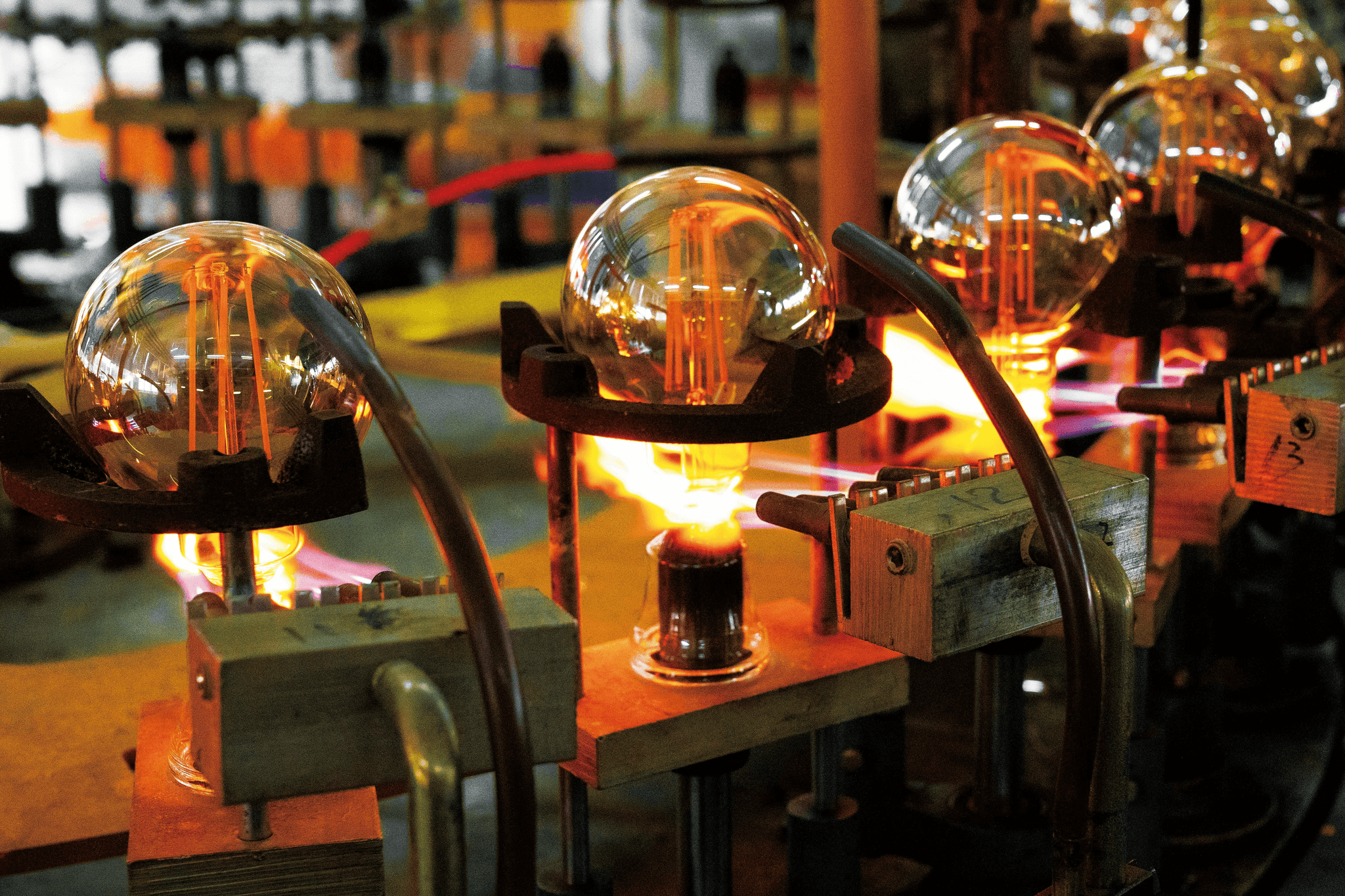
Navigating the world of Flammability Testing requires understanding the common standards that guide industry practices. These standards ensure products meet safety criteria and help brands avoid costly recalls or regulatory issues. Whether you're in Europe or the United States, knowing when and why conduct flammability tests according to these standards is crucial for staying compliant and competitive.
Overview of Industry-Accepted Standards
The backbone of Flammability Testing lies in industry-accepted standards that set uniform benchmarks for safety and performance. These standards are developed by recognized organizations to ensure consistency across different regions and industries. When and why conduct flammability tests? Because adhering to these benchmarks helps manufacturers demonstrate product safety, reduce fire risks, and meet legal requirements worldwide.
UL 94 and ASTM E84 Explained
Two of the most prominent standards in Common Standards for Flammability Testing are UL 94 and ASTM E84. UL 94 primarily assesses plastic materials' flammability by measuring their burning rate and resistance to ignition, making it essential for consumer electronics and appliances. ASTM E84, on the other hand, evaluates surface burning characteristics of interior finishes, which is vital for building materials used in construction projects—highlighting when and why conduct flammability tests becomes critical in product development.
Differences Between International and Local Standards
While European Standards like EN 45545 set rigorous requirements for railway applications, United States Standards such as NFPA 701 focus on fabric flame propagation resistance in textiles. The differences between international and local standards can influence how companies approach flammability testing; understanding these distinctions helps brands tailor their compliance strategies effectively. Knowing when and why conduct flammability tests under varying standards ensures products are market-ready across borders without surprises at customs or inspections.
Remember: mastering when and why conduct flammability tests under various common standards can be your best defense against fire hazards—and your ticket to global markets!
European Standards for Flammability Testing
European Standards play a pivotal role in shaping how industries approach flammability testing across the continent. EN 45545, in particular, sets rigorous guidelines for fire safety in railway vehicles, emphasizing the importance of thorough flammability testing to ensure passenger safety. When and why conduct flammability tests? It’s crucial during product development to meet these standards and avoid costly non-compliance issues that could delay market entry or lead to recalls.
Understanding common standards for flammability testing is essential for companies looking to navigate the European regulatory landscape effectively. EN 45545 provides detailed classifications based on fire behavior, which are often aligned with other international standards like those from the United States. This interconnectedness means that European standards not only influence local practices but also impact global manufacturing strategies, especially when considering international markets.
European Standards significantly influence global practices by setting benchmarks that many countries adopt or adapt into their own regulations. For businesses involved in Flammability Testing, staying ahead of these standards helps ensure compliance and enhances brand reputation internationally. When and why conduct flammability tests? Because adhering to European Standards can be the difference between seamless market access and costly legal hurdles.
United States Standards for Flammability Testing
In the U.S., ensuring your product passes the fire safety bar is no joke, and that’s where Flammability Testing comes into play. The Consumer Product Safety Commission (CPSC) sets the stage with regulations that require manufacturers to demonstrate compliance with specific standards to keep consumers safe. Knowing when and why conduct flammability tests? It’s crucial during product development stages to prevent costly recalls and safeguard brand reputation while meeting strict United States Standards.
Fire Safety Regulations by the Consumer Product Safety Commission
The CPSC enforces regulations that mandate Flammability Testing for various consumer products, including textiles, furniture, and children's toys. These rules are designed to ensure products do not pose an unreasonable fire hazard before they hit store shelves. When and why conduct flammability tests? Early testing aligns with U.S. standards, helping manufacturers identify potential hazards early in the process, saving time and money in the long run.
UL 94 and NFPA 701 Standards in Detail
Two of the most recognized common standards for flammability testing in the United States are UL 94 and NFPA 701. UL 94 focuses on plastics' ability to resist ignition and self-extinguish after exposure to a flame—crucial for packaging, electronics, and household items. Meanwhile, NFPA 701 evaluates fabric materials' flame resistance used in curtains or upholstery; understanding these standards is key when navigating American market expectations for flammability testing.
Ensuring Compliance with U.S. Market Expectations
To meet U.S. standards effectively, companies must incorporate comprehensive flammability testing into their product development cycle—timing is everything! When and why conduct flammability tests? Because compliance isn’t just about passing regulations but also about building trust with consumers who expect safe products under American standards. Staying ahead means aligning your testing protocols with both common standards for flammability testing and evolving federal requirements.
The Role of China Inspection Pro in Flammability Testing
China Inspection Pro plays a pivotal role in ensuring products meet the necessary standards for Flammability Testing, especially when and why conduct flammability tests? Their comprehensive approach guarantees that products adhere to both international and local regulations, reducing the risk of non-compliance. By integrating rigorous testing procedures, they help brands navigate complex standards for flammability testing across different markets.
How Quality Inspection Ensures Product Safety
When it comes to flammability testing, quality inspection is the first line of defense against potential safety hazards. China Inspection Pro employs advanced testing methods aligned with common standards for flammability testing, such as UL 94 and ASTM E84, to evaluate product materials thoroughly. This proactive approach ensures that products are safe before hitting the shelves, aligning with both European Standards and United States Standards for fire safety compliance.
Service Offerings for Flammability Testing
China Inspection Pro offers a wide array of services tailored to meet various industry needs for flammability testing. Their offerings include pre-compliance assessments, full-scale flammability tests according to international standards like EN 45545 or NFPA 701, and detailed reports that facilitate regulatory approval processes. These services help manufacturers understand when and why conduct flammability tests at different stages of product development—saving time and avoiding costly recalls later.
Turning Testing Results into Market Advantage
Utilizing the results from flammability testing can be a game-changer in competitive markets; China Inspection Pro helps brands leverage these insights effectively. By demonstrating compliance with common standards for flammability testing, companies can secure certifications such as CE marking or U.S. market approvals more swiftly. Ultimately, turning test results into a market advantage not only boosts consumer confidence but also positions your brand as a leader in safety and quality.
Conclusion

Making Flammability Testing an essential step in product development and safety protocols is no longer optional—it's a necessity. When and Why Conduct Flammability Tests? The answer is simple: to prevent fire hazards before they happen, saving lives, money, and brand reputation. Incorporating Common Standards for Flammability Testing ensures your products meet both regional and international safety benchmarks, giving you peace of mind across markets.
Staying ahead with European Standards and United States Standards demonstrates a proactive approach to compliance that can set your brand apart. European Standards like EN 45545 emphasize fire safety in transportation, while U.S. regulations such as UL 94 highlight the importance of rigorous testing for consumer products. Familiarity with these standards helps companies navigate complex regulatory landscapes efficiently and confidently.
Partnering with experts in Flammability Testing provides the insight needed to interpret standards correctly and implement best practices seamlessly. Whether you're aiming for CE marking or U.S. market approval, leveraging specialized knowledge ensures you’re not just meeting requirements but exceeding them. Remember, when it comes to safety and compliance, investing in comprehensive flammability testing pays off by protecting consumers and strengthening your market position.