
Introduction
Embarking on the journey of FDA Medical Device Registration can feel like navigating a maze—complex, confusing, and full of twists. Whether you're a seasoned manufacturer or just starting out, understanding who the FDA applies to and how to determine device classification is essential for smooth sailing. This guide aims to simplify the process by breaking down regulatory controls and helping you investigate specific requirements, so you can confidently move forward with your registration.
Navigating the World of FDA Medical Device Registration
The world of FDA Medical Device Registration is vast and often intimidating, especially when trying to figure out who does the FDA apply to and what steps are necessary for compliance. Knowing how to review regulatory controls is crucial in ensuring your device meets all federal standards. By understanding these key elements early on, you'll be better equipped to determine device classification and streamline your registration process.
Why Compliance Matters for Medical Device Manufacturers
Compliance isn't just about ticking boxes; it's about ensuring your device is safe, effective, and ready for market—all while avoiding costly delays or penalties. Properly investigating specific requirements allows manufacturers to stay ahead of regulatory hurdles, making the review of guidance documents an invaluable step in this journey. Ultimately, thorough adherence to FDA regulations enhances your credibility and paves the way for long-term success.
How This Guide Simplifies Your Registration Journey
This guide is designed with clarity in mind—helping you understand who does the FDA apply to, how to determine device classification, and how reviewing regulatory controls can make or break your registration efforts. We’ll walk through each step carefully so you can consult FDA guidance documents confidently and avoid common pitfalls along the way. Think of it as your roadmap through the sometimes foggy landscape of medical device regulation—making every turn predictable and manageable.
Understanding FDA Medical Device Registration
Navigating the world of FDA Medical Device Registration can feel like decoding a secret language—full of jargon, rules, and processes. But understanding what this registration entails is crucial for manufacturers aiming to bring their devices to market in the United States. It’s not just about ticking boxes; it’s about ensuring your device meets all regulatory standards to protect patients and avoid costly delays.
What Is FDA Medical Device Registration and Why It Matters
FDA Medical Device Registration is essentially your official entry ticket into the U.S. healthcare market, signaling that your device complies with federal regulations. While it may seem straightforward, registration is more than just paperwork—it’s a demonstration of your commitment to safety and quality. For who does the FDA apply? If you manufacture or distribute medical devices in the U.S., understanding this process is vital because non-compliance can lead to hefty fines or even market bans.
Knowing why FDA Medical Device Registration matters is simple: it helps you avoid regulatory pitfalls and accelerates your path to commercialization. It also establishes credibility with healthcare providers and consumers alike, reinforcing trust in your product’s safety standards. Plus, staying ahead with proper registration ensures you’re prepared for inspections and audits—critical steps in maintaining long-term success.
The Role of the FDA in Medical Device Oversight
The Food and Drug Administration (FDA) plays a pivotal role in overseeing medical devices sold within the United States, acting as both gatekeeper and guardian of public health. Their responsibilities include reviewing premarket submissions, conducting inspections, and enforcing compliance with regulatory controls designed to keep unsafe or ineffective devices off the shelves. So if you’re wondering who does the FDA apply to? The answer is any manufacturer or importer involved with medical devices intended for U.S. distribution.
Understanding how the FDA reviews these devices involves familiarizing yourself with their review regulatory controls—these are guidelines that ensure safety, effectiveness, and quality throughout a device's lifecycle. Whether you're registering a Class I device or seeking approval for a Class III implantable device, knowing how they oversee each category helps streamline your process significantly. Remember: investigating specific requirements early on can save time later by preventing costly rejections or delays.
Key Terminology You Must Know
Embarking on an FDA Medical Device Registration journey requires grasping some key terminology that pops up repeatedly during discussions or documentation review. Terms like “premarket notification,” “510(k),” “PMAs,” “device classification,” and “regulatory controls” are foundational concepts every manufacturer should understand thoroughly before proceeding further.
To navigate effectively through this landscape, consult FDA guidance documents—they’re treasure troves filled with clarifications on terminology, procedures, and expectations tailored specifically for different device types or classifications. Keeping these terms straight not only simplifies communication but also ensures you’re aligning your documentation accurately when investigating specific requirements applicable to your device category.
Determining Who the FDA Applies To and Device Classification
Understanding whether your medical device falls under FDA Medical Device Registration requirements is crucial for smooth sailing through regulatory waters. Not every device needs to go through the same hoops, so identifying who does the FDA apply to will save you time and headaches down the road. Once you know this, you can focus on reviewing regulatory controls and investigating specific requirements tailored to your device.
Identifying If Your Device Is Covered by FDA Rules
The first step in navigating FDA Medical Device Registration is figuring out if your device is covered by FDA regulations at all. Devices intended for use in the United States or marketed there generally fall under the FDA’s watchful eye, but some exceptions exist—like custom devices or certain investigational products. To determine this, you’ll want to review your device’s intended use, claims, and distribution plans carefully; if it’s meant for U.S. markets, chances are high that Who does the FDA apply to includes your product.
How to Determine Your Device Classification
Once you've established that your device is subject to FDA oversight, the next move is determining its classification—Class I, II, or III—since this impacts everything from registration process to review regulatory controls. The classification hinges on factors like risk level and intended use; Class I devices are low-risk (think bandages), while Class III are high-risk (like implantable pacemakers). Properly classifying your device involves reviewing relevant guidance documents and possibly consulting FDA guidance documents that clarify classification criteria; this step ensures you're aligned with all necessary regulatory controls.
Categories of Medical Devices and Their Impact on Registration
Different categories of medical devices come with their own set of registration requirements—and understanding these categories helps streamline compliance efforts. For example, Class I devices often require general controls and a simple registration process, whereas Class II devices may need premarket notifications (510(k)s), and Class III typically demand premarket approval (PMA). Recognizing which category your device falls into influences how you review regulatory controls and investigate specific requirements; knowing this early can make a significant difference in planning your registration strategy.
Reviewing Regulatory Controls and Investigate Specific Requirements
Understanding the landscape of FDA Medical Device Registration requires a thorough review of regulatory controls that govern device approval and compliance. These controls are designed to ensure safety, efficacy, and quality, making it essential for manufacturers to know how to navigate them effectively. Whether you're a newcomer or experienced player, investigating specific requirements tailored to your device type can save you time and headaches down the line.
Overview of FDA Regulatory Controls for Devices
The FDA Medical Device Registration process is built upon a framework of regulatory controls that vary depending on the device's risk classification. These controls include good manufacturing practices, labeling standards, and post-market surveillance measures that must be adhered to throughout your product’s lifecycle. To determine who does the FDA apply to in your case, you need to first understand how to classify your device—whether it falls under Class I, II, or III—and then review the corresponding regulatory controls applicable to each class.
What Are the Premarket Submission Options and When to Use Them
Navigating premarket submission options is a critical step in FDA Medical Device Registration; knowing when to submit a 510(k), PMA, or other documentation depends largely on your device classification. For instance, lower-risk devices often qualify for streamlined 510(k) clearance, while high-risk devices require more extensive Premarket Approval (PMA). Properly determining device classification helps you choose the right submission pathway and avoid unnecessary delays or rejections; consulting FDA guidance documents is invaluable here.
Investigating Device-Specific Requirements and Documentation
Each medical device has unique characteristics that demand tailored documentation during the registration process. Investigate specific requirements such as biocompatibility data, sterilization validation, or software verification based on your device’s features—these details are crucial for successful registration. Remember: reviewing regulatory controls thoroughly ensures you meet all necessary standards; this is where consulting FDA guidance documents becomes an essential part of your strategy.
The Registration Process Made Simple
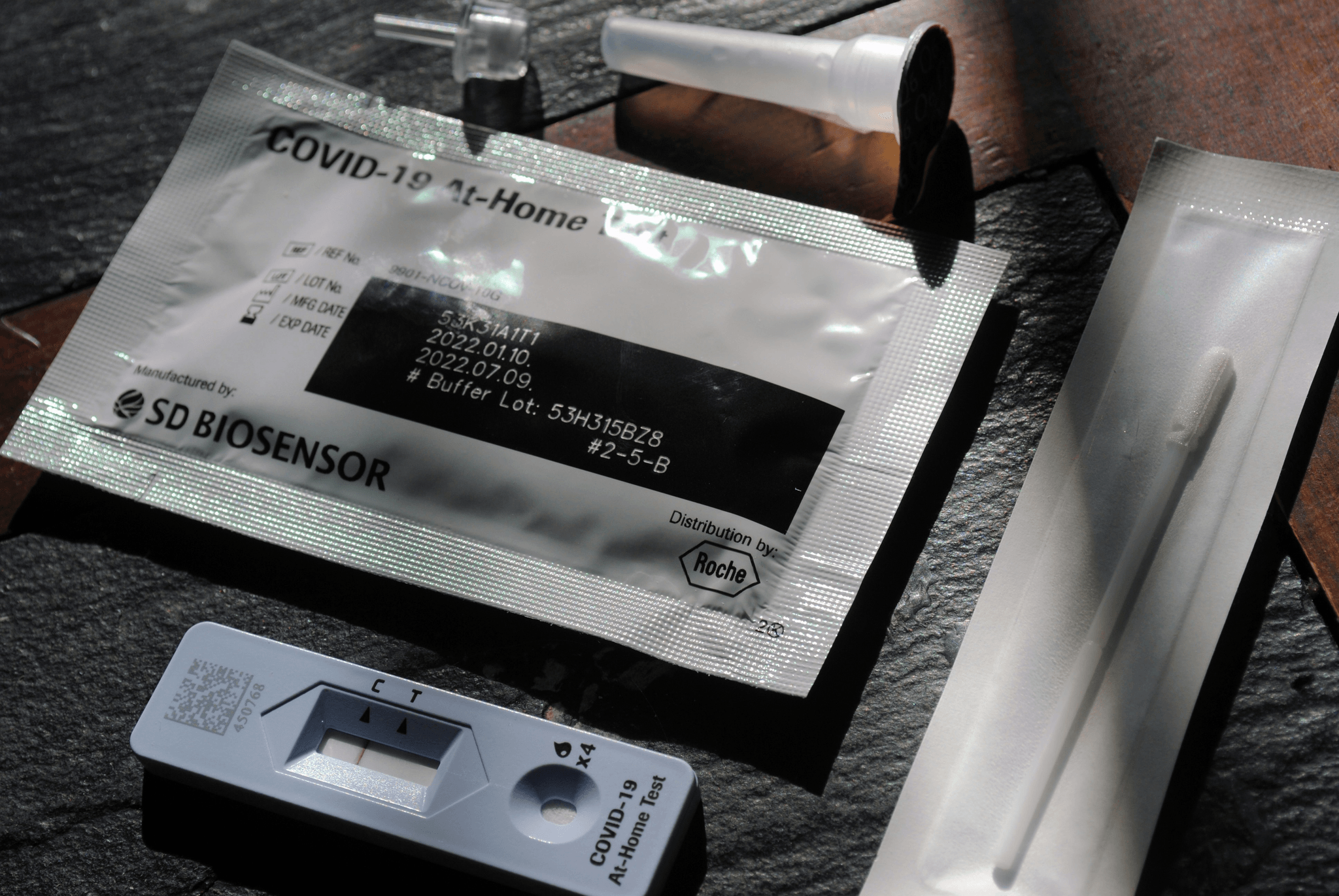
Embarking on the journey of FDA Medical Device Registration can seem daunting, but breaking it down into manageable steps makes it much easier. First, you need to determine who the FDA applies to—essential in understanding your obligations and whether your device needs registration. Once you've identified your device’s classification, you can review regulatory controls and investigate specific requirements that apply to your product, streamlining the entire process.
Step-by-Step Guide to FDA Medical Device Registration
Start by assessing if your device falls under the scope of FDA Medical Device Registration by asking: Who does the FDA apply to? If your device is regulated, determine its classification—Class I, II, or III—as this influences your registration pathway. Next, review regulatory controls relevant to your device type; for example, some devices may require premarket approval while others need only a 510(k) notification. After understanding these requirements, prepare all necessary documentation and submit your registration through the appropriate channels on the FDA’s website. Throughout this process, consult FDA guidance documents regularly—they provide invaluable clarity on each step and help ensure compliance.
Common Pitfalls and How to Avoid Them
One major pitfall is failing to properly determine device classification early in the process; misclassification can lead to delays or rejection of registration submissions. To avoid this mistake, thoroughly investigate specific requirements for your device type and consult FDA guidance documents—they are treasure troves of up-to-date information that clarify complex regulations. Another common issue is inaccurate labeling and packaging; these elements are scrutinized during registration and inspections alike. Ensuring labels meet all FDA standards from the start saves time and prevents costly revisions later—remember, accurate labeling is key for smooth navigation through regulatory controls.
The Importance of Accurate Labeling and Packaging
Accurate labeling isn’t just about good design—it’s a critical component of successful FDA Medical Device Registration that ensures compliance with regulatory controls. When investigating specific requirements for your device, pay close attention to labeling standards outlined in guidance documents; they specify what information must be included for different categories of devices. Proper packaging also plays a vital role because it protects the product during shipping while adhering to safety standards mandated by regulators—failing here could jeopardize approval or trigger audits down the line.
By following these steps carefully—determining who does the FDA apply to, reviewing regulatory controls thoroughly, investigating specific requirements diligently—you’ll set yourself up for success in navigating the complex world of medical device regulation with confidence!
Consulting FDA Guidance Documents and Industry Resources
Navigating the world of FDA Medical Device Registration can feel like decoding a secret language, but with the right resources, you’ll find it much more manageable. The key is knowing how to effectively use FDA Guidance Documents to clarify complex regulatory pathways. These documents serve as your roadmap, helping you understand who does the FDA apply to, how to determine device classification, and what specific requirements you need to investigate for your device’s successful registration.
How to Effectively Use FDA Guidance Documents
FDA Guidance Documents are treasure troves of vital information that can streamline your Medical Device Registration process. To make the most of them, start by identifying which guidance applies specifically to your device category and classification—this is crucial because determining device classification influences every step in review regulatory controls. Once you've pinpointed relevant guidance, read through it carefully, taking notes on key points such as premarket submission requirements or labeling standards; this ensures you're aligned with FDA expectations and helps avoid common pitfalls during registration.
Working with Industry Experts and Third-Party Reviewers
While FDA Guidance Documents provide valuable insights, collaborating with industry experts and third-party reviewers can give your application an extra edge in the world of FDA Medical Device Registration. These professionals are well-versed in how to interpret regulatory controls and investigate specific requirements tailored for different device types—making their expertise invaluable when determining who does the FDA apply to or understanding nuanced classification criteria. Engaging with trusted consultants not only helps ensure compliance but also accelerates approval timelines by catching potential issues early in the process.
Leveraging China Inspection Pro for Quality Inspection Services
When it comes to ensuring your device meets all necessary standards for FDA Medical Device Registration, leveraging quality inspection services like China Inspection Pro can be a game changer. They assist in investigating specific requirements related to manufacturing quality control and compliance documentation—crucial steps in review regulatory controls—and help verify that your product aligns with international standards before submission. By integrating these inspection services into your registration strategy, you reduce risk and enhance credibility with regulators while focusing on maintaining high-quality standards that satisfy both Chinese and US authorities.
Key Considerations for Successful Registration

Navigating the complex landscape of FDA Medical Device Registration requires more than just filling out forms; it demands ongoing diligence and strategic planning. Staying compliant with regulatory obligations is crucial to avoid costly delays or penalties that could jeopardize your device’s market entry. Regularly reviewing regulatory controls, understanding who the FDA applies to, and investigating specific requirements are essential steps in maintaining a smooth registration process.
Understanding who the FDA applies to can be tricky, especially when determining device classification. Properly determining device classification helps you identify the appropriate regulatory pathway and ensures you meet all necessary requirements for FDA Medical Device Registration. Consulting FDA guidance documents can provide clarity on how to classify your device correctly, avoiding missteps that could lead to rejection or additional scrutiny during inspections.
Reviewing regulatory controls is a fundamental part of staying compliant long-term. This process involves investigating specific requirements for your device type and ensuring all documentation aligns with current standards. Regularly updating your knowledge by consulting FDA guidance documents keeps you ahead of regulatory changes—helping you handle inspections and audits with confidence while safeguarding your registration status.
Conclusion
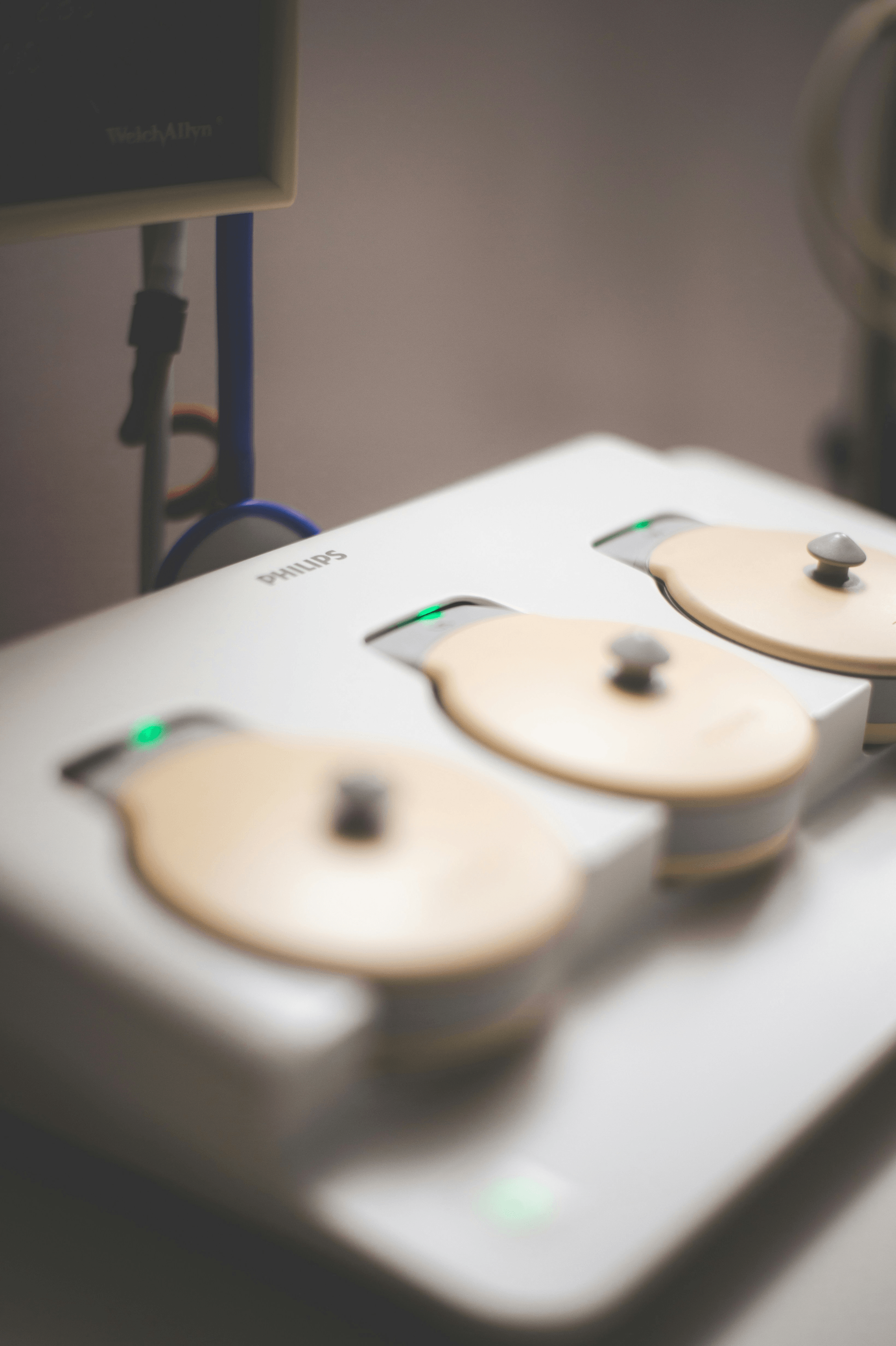
Navigating the complex landscape of FDA Medical Device Registration can feel like trying to decode a foreign language—unless you have a clear plan and the right guidance. Ensuring your device meets all FDA standards is not just about ticking boxes; it’s about building trust with regulators and your customers alike. When you understand who the FDA applies to, determine device classification accurately, review regulatory controls thoroughly, and investigate specific requirements diligently, you set yourself up for success from the start.
Having professional guidance during this process can make all the difference. Consulting FDA Guidance Documents regularly ensures you're aligned with current expectations, while expert advice helps you avoid common pitfalls in registration. Remember, mastering the intricacies of FDA Medical Device Registration isn’t a one-and-done deal; it requires ongoing attention to compliance and regulations that evolve over time.
Long-term regulatory success hinges on proactive planning and continuous learning. Staying informed about updates in regulations, maintaining accurate documentation, and preparing for inspections are crucial steps that keep your device compliant well into the future. By investing in thorough knowledge of how to determine device classification and review regulatory controls effectively, you're setting your business up for sustained growth and market confidence.