
Introduction
In a world where we are surrounded by countless household products, understanding the essentials of quality control for everyday household products is more important than ever. Quality control ensures that these items meet safety standards and perform as expected, making it a crucial aspect of consumer satisfaction. With increasing competition and consumer awareness, businesses must navigate the real challenges behind household product quality to maintain their reputation and market share.
Understanding Quality Control Essentials
Quality control is not just a buzzword; it’s the backbone of any successful product line, especially in the realm of household goods. It encompasses various processes designed to ensure that products consistently meet specific requirements and performance standards. For manufacturers, mastering quality control for everyday household products means implementing rigorous testing protocols and adhering to regulatory guidelines that safeguard consumers.
Why Household Product Quality Matters
The quality of household products directly impacts our daily lives, influencing everything from safety to functionality. Consumers today are more discerning than ever; they expect high-quality items that stand the test of time without compromising their health or well-being. As such, understanding why household product quality matters is essential for brands looking to build trust and loyalty among their customer base.
Exploring Quality Control Methods
To secure consistent product quality, manufacturers must explore a variety of quality control methods tailored to their specific needs. From statistical process control (SPC) to Six Sigma techniques, there are numerous strategies available that can help identify defects early in the production process. By embracing these methodologies, companies can mitigate key quality risks and defects to watch for while also enhancing overall customer satisfaction.
The Real Challenges Behind Household Product Quality

When it comes to Quality Control for Everyday Household Products, the challenges are as real as they are complex. Manufacturers face a myriad of obstacles that can compromise product quality, from sourcing materials to meeting consumer expectations. Understanding these hurdles is crucial for ensuring that top-selling household products maintain their reputation and reliability.
Identifying Common Quality Issues
Quality issues in household products can stem from various sources, including design flaws, material defects, and manufacturing inconsistencies. For instance, a popular kitchen appliance might work perfectly at first but then fail due to poor-quality components after a short period of use. Recognizing these common quality issues is vital for brands striving to uphold their reputation in an increasingly competitive market filled with top-selling household products across every space.
Navigating Regulatory Standards
Regulatory standards play a pivotal role in ensuring product safety and efficacy, but navigating this landscape can be quite challenging for manufacturers. Compliance with varying regulations across different regions adds another layer of complexity to Quality Control for Everyday Household Products. Brands must stay informed about local laws while maintaining high-quality production processes to meet consumer demands and avoid costly recalls or penalties.
The Role of Consumer Expectations
In today’s fast-paced market, consumer expectations are higher than ever; shoppers want not only functionality but also durability and sustainability from their household products. This shift means companies must continuously adapt their Quality Control strategies to meet these evolving demands or risk losing customer loyalty. As consumers become more discerning about the quality of everyday items, balancing cost-effectiveness with superior quality becomes a critical challenge for manufacturers aiming to produce top-selling household products across every space.
Top Selling Household Products Across Every Space
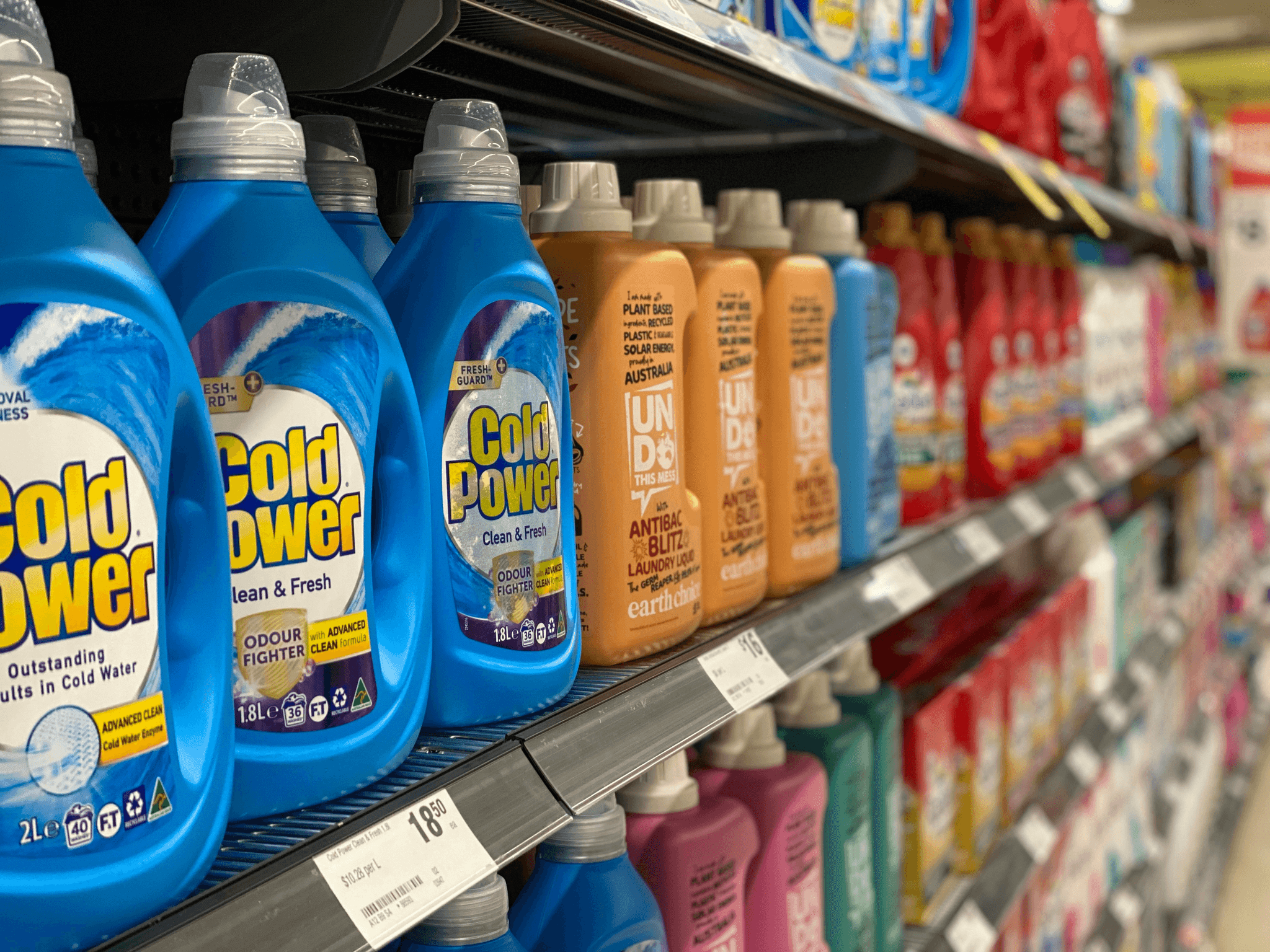
In today's fast-paced world, quality control for everyday household products is more crucial than ever. With countless options available, consumers are increasingly discerning about what they bring into their homes. This section will delve into the top-selling household products that have captured the hearts (and wallets) of shoppers everywhere.
Highlighting Everyday Must-Haves
When it comes to household essentials, some products stand out as absolute must-haves. Think about items like multi-surface cleaners, dish soaps, and laundry detergents—all of which play a vital role in maintaining a clean and functional home. These everyday items not only simplify our lives but also highlight the importance of quality control for everyday household products; after all, nobody wants to deal with ineffective cleaners or unreliable tools.
In this category, brands that prioritize quality often see higher sales and customer loyalty. Consumers have learned to appreciate those companies that maintain stringent quality control measures while delivering effective solutions. As we explore these must-have items, it's essential to recognize how quality impacts their performance and longevity.
Recognizing Brands Known for Quality
Some brands have built their reputations on a commitment to producing high-quality household products consistently. Companies like Tide for laundry detergent or Mrs. Meyer's Clean Day for cleaning supplies exemplify this dedication to excellence. Their success is not just due to clever marketing; it’s rooted in robust quality control processes that ensure each product meets consumer expectations.
These reputable brands understand the real challenges behind household product quality and actively work to overcome them through innovation and rigorous testing methods. When consumers trust a brand's commitment to consistent product quality, they are more likely to make repeat purchases—an essential factor in a competitive market landscape.
Analyzing Market Trends
Market trends in the household product sector reveal intriguing insights into consumer preferences and behaviors over time. Increasingly, shoppers are gravitating toward eco-friendly options that prioritize sustainability without sacrificing effectiveness—a trend driven by heightened awareness of environmental issues among consumers today. This shift underscores the importance of adapting manufacturing processes to meet evolving demands while ensuring key quality risks and defects are addressed proactively.
Moreover, as online shopping continues its rise, brand transparency regarding ingredients and manufacturing practices has become paramount. Consumers want assurance that they’re making informed choices based on reliable information—making it essential for companies to enhance their quality control measures continually.
Key Quality Risks and Defects to Watch For
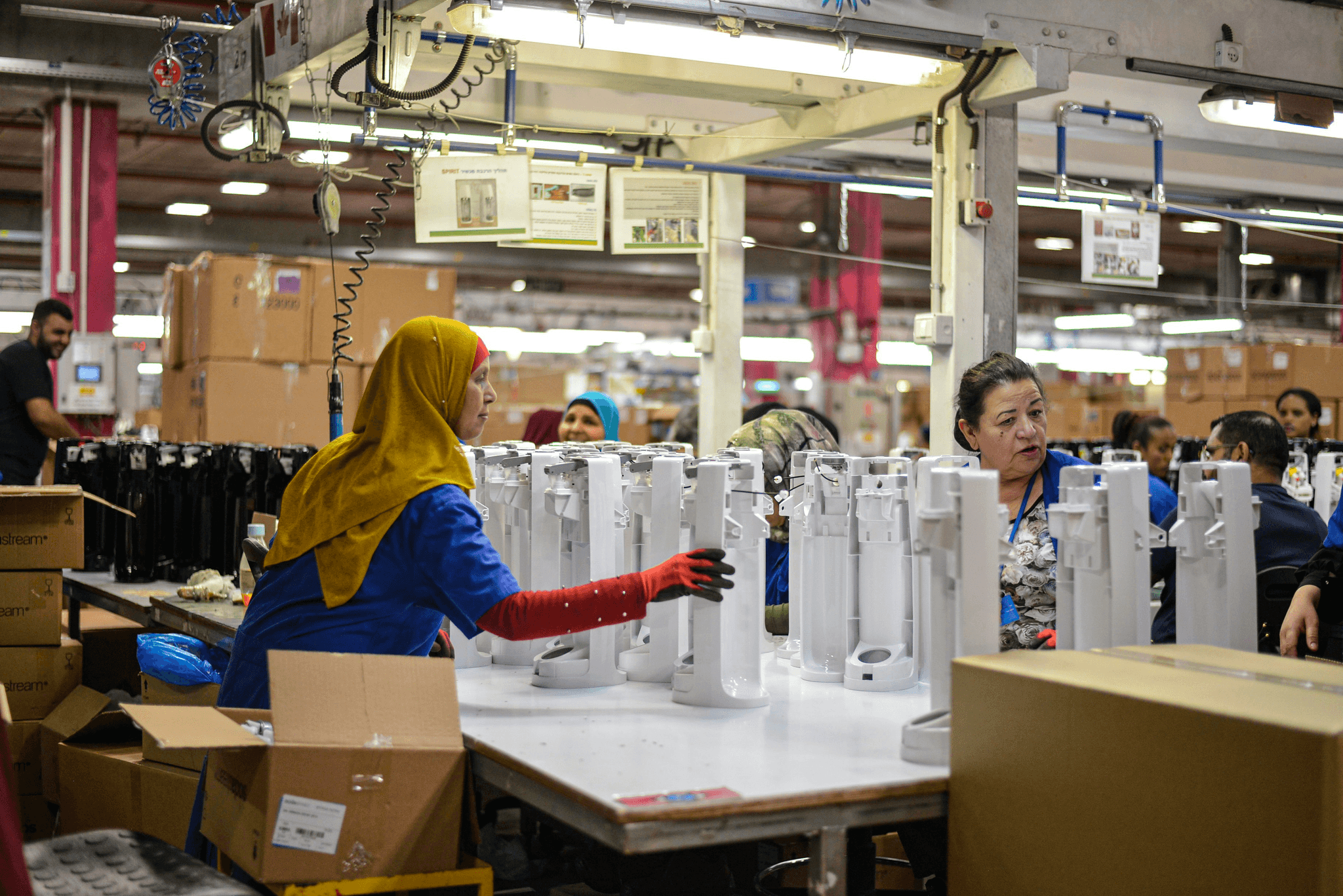
When it comes to ensuring quality control for everyday household products, being aware of potential risks and defects is essential. These issues can range from minor inconveniences to significant safety hazards, impacting consumer trust and brand loyalty. Therefore, understanding these challenges is crucial for manufacturers aiming to deliver top-selling household products across every space.
Common Defects in Household Products
Common defects in household products can manifest in various forms, such as packaging failures, functional malfunctions, or aesthetic flaws. For instance, consider a kitchen appliance that fails to operate as advertised; not only does this frustrate the consumer, but it also raises questions about the manufacturer's quality control processes. Identifying these defects early on is vital for maintaining a reputation for high-quality offerings in a competitive market.
Moreover, common defects often stem from lapses in quality control during manufacturing or inadequate testing protocols before product launch. Issues like improper assembly or substandard materials can lead to product recalls or negative reviews, which ultimately affect sales figures. By focusing on these common pitfalls and implementing stringent quality checks, brands can enhance their overall product integrity.
Understanding Material Quality Concerns
Material quality concerns play a pivotal role in the overall effectiveness and safety of household products. Low-grade materials not only compromise durability but may also pose health risks if they contain harmful substances or allergens. Thus, manufacturers must prioritize sourcing high-quality materials that meet regulatory standards while ensuring consumer safety.
Additionally, understanding material properties helps manufacturers predict how products will perform over time under various conditions—whether it's heat resistance for kitchenware or durability for cleaning supplies. Poor material choices can lead to increased failure rates and customer dissatisfaction; hence investing time into material research is key for securing consistent product quality across the board.
In an era where consumers are more informed than ever about what goes into their products, transparency regarding material sourcing can significantly boost brand credibility and loyalty.
The Impact of Manufacturing Processes
The impact of manufacturing processes on product quality cannot be overstated; even the best materials can fall short if not handled properly during production. Inefficient methods may introduce inconsistencies that result in defective items reaching store shelves—a nightmare scenario for any brand focused on maintaining high standards of quality control for everyday household products. Streamlining manufacturing processes through automation or adopting lean practices can greatly reduce error rates while enhancing efficiency.
Furthermore, understanding how different production techniques influence end-product performance helps manufacturers make informed decisions about process improvements or equipment upgrades necessary to maintain competitive advantage within the market landscape of top-selling household products across every space. The right balance between innovation and tradition ensures that brands stay ahead of potential pitfalls associated with outdated practices.
Ultimately, establishing robust manufacturing protocols leads not only to better-quality outcomes but also fosters a culture of continuous improvement—an essential aspect when navigating the real challenges behind household product quality today.
How to Secure Consistent Product Quality

Ensuring consistent product quality is essential for manufacturers of household products, especially given the increasing scrutiny from consumers and regulatory bodies. Quality Control for Everyday Household Products hinges on effective practices that can minimize defects and enhance overall satisfaction. By focusing on best practices, rigorous testing, and employing specialized services, businesses can navigate the landscape of The Real Challenges Behind Household Product Quality.
Best Practices in Manufacturing
Implementing best practices in manufacturing is crucial for achieving high-quality standards in household products. This includes adopting lean manufacturing techniques to reduce waste and streamline processes while ensuring that every step meets quality benchmarks. Additionally, fostering a culture of quality among employees helps maintain focus on producing Top Selling Household Products Across Every Space with minimal defects.
Training staff on the importance of quality control can also lead to better outcomes; when workers understand how their roles impact product integrity, they are more likely to take ownership of their work. Regular audits and process evaluations not only identify areas for improvement but also reinforce a commitment to excellence throughout the production line. Ultimately, these best practices create a robust foundation for securing consistent product quality.
The Importance of Testing and Inspection
Testing and inspection are non-negotiable components in the quest for consistent product quality in household goods. Comprehensive testing protocols help identify Key Quality Risks and Defects to Watch For before products reach consumers’ hands, thereby preventing costly recalls or negative reviews later on. Regular inspections during various stages of production ensure that any deviations from established standards are caught early.
Moreover, implementing third-party inspections can further bolster confidence in product reliability by providing an unbiased assessment of compliance with safety regulations and consumer expectations. This level of diligence not only protects brands but also builds trust with customers who increasingly prioritize quality over price when selecting household items. In an era where consumer feedback is immediate and impactful, rigorous testing becomes essential for maintaining a competitive edge.
Role of China Inspection Pro in Quality Control
China Inspection Pro plays a pivotal role in enhancing Quality Control for Everyday Household Products by offering tailored solutions that address specific manufacturing challenges faced by companies sourcing products from China. Their expertise lies in navigating the complexities involved with international supply chains while ensuring adherence to both local regulations and global standards—critical elements when tackling The Real Challenges Behind Household Product Quality.
By leveraging services such as pre-production inspections, during-production checks, and final random inspections, businesses can mitigate risks associated with subpar materials or workmanship before they escalate into larger issues like recalls or customer dissatisfaction. Furthermore, China Inspection Pro provides valuable insights into market trends which assist manufacturers in developing Top Selling Household Products Across Every Space that resonate with consumer needs while maintaining stringent quality measures.
In conclusion, securing consistent product quality requires a multifaceted approach encompassing best manufacturing practices, thorough testing protocols, and strategic partnerships like those offered by China Inspection Pro. By embracing these methodologies while remaining vigilant about Key Quality Risks and Defects to Watch For throughout the production cycle, companies position themselves favorably within an increasingly competitive market landscape.
Continuous Improvement in Product Quality

In the ever-evolving landscape of household products, continuous improvement is key to maintaining high standards and meeting consumer demands. Quality Control for Everyday Household Products hinges on understanding how to adapt and refine processes over time. By implementing effective strategies, companies can enhance product quality while staying ahead of competitors.
Implementing Feedback Loops
Creating a robust feedback loop is essential for identifying areas where product quality can be improved. This involves regularly collecting insights from consumers and stakeholders about their experiences with household products. By analyzing this feedback, manufacturers can address The Real Challenges Behind Household Product Quality, ensuring that common issues are resolved before they escalate.
Establishing these loops not only helps in pinpointing defects but also fosters a culture of transparency and trust with customers. When consumers feel their voices are heard, they are more likely to remain loyal to brands known for quality. This proactive approach ultimately leads to a cycle of continuous improvement that enhances the overall consumer experience.
The Value of Consumer Reviews
Consumer reviews serve as a treasure trove of information regarding Top Selling Household Products Across Every Space. These reviews provide valuable insights into what works well and what doesn’t, helping brands identify Key Quality Risks and Defects to Watch For. By paying attention to patterns in consumer feedback, companies can prioritize improvements that matter most to their audience.
Moreover, positive reviews can significantly boost a brand’s reputation, while negative ones highlight urgent areas needing attention. Manufacturers should actively engage with these reviews—responding to concerns and celebrating praise—to demonstrate their commitment to quality control for everyday household products. This engagement not only improves product offerings but also strengthens customer relationships.
Adapting to Market Changes
The market landscape is constantly shifting due to trends, technological advancements, and evolving consumer preferences; thus, adapting is crucial for sustained success in household product manufacturing. Organizations must stay vigilant about emerging trends that could impact Key Quality Risks and Defects to Watch For while ensuring they meet or exceed regulatory standards.
By analyzing market data and being responsive to changes in consumer behavior, brands can secure consistent product quality tailored to current demands. Embracing innovation allows manufacturers not only to improve existing products but also create new offerings that resonate with consumers’ needs—ultimately reinforcing their position as leaders in the market.
Conclusion

In the ever-evolving landscape of household products, understanding the nuances of quality control is paramount. Quality Control for Everyday Household Products not only ensures safety but also enhances user satisfaction and brand loyalty. By focusing on quality, manufacturers can create better products that meet consumer needs while navigating the challenges that come with maintaining high standards.
Enhancing Quality for Better Products
To truly enhance quality for better products, companies must prioritize rigorous testing and inspection throughout their manufacturing processes. This commitment to quality control allows businesses to identify The Real Challenges Behind Household Product Quality, such as material defects or inconsistencies in production methods. By addressing these issues head-on, brands can elevate their offerings and stand out in a crowded market filled with Top Selling Household Products Across Every Space.
Staying Ahead of Quality Risks
Staying ahead of key quality risks and defects requires a proactive approach to monitoring and adapting to consumer expectations. Businesses must remain vigilant about Key Quality Risks and Defects to Watch For, including potential recalls or negative reviews that could tarnish their reputation. By implementing robust feedback mechanisms and actively engaging with customers, manufacturers can anticipate problems before they escalate, ensuring consistent product quality.
Embracing Innovation in Quality Control
Embracing innovation in quality control is essential for maintaining relevance in today’s fast-paced market. Companies should explore new technologies and methodologies that streamline How to Secure Consistent Product Quality while simultaneously enhancing efficiency. By fostering a culture of continuous improvement and adaptation, brands can not only meet but exceed consumer expectations, solidifying their place among the top sellers in household products.