
Introduction

In the realm of welding, ensuring quality and safety is paramount, which is where a welding inspection checklist comes into play. This vital tool not only streamlines the inspection process but also helps in identifying potential issues before they escalate into costly problems. By adhering to a structured checklist, welders and inspectors can maintain high standards that protect both personnel and infrastructure.
Importance of a Welding Inspection Checklist
A welding inspection checklist serves as a critical guide throughout the welding process, ensuring that every step meets industry standards and project specifications. It helps to standardize inspections, making it easier for teams to communicate findings and address concerns efficiently. Without this checklist, vital details may be overlooked, leading to defects that could compromise structural integrity.
Overview of Essential Steps
The essential steps in utilizing a welding inspection checklist include preliminary evaluations, visual inspections, non-destructive testing (NDT), documentation reviews, and final assessments. Each step is designed to meticulously assess different aspects of the welds being inspected, from initial requirements through to post-weld evaluations. By following these steps closely with a well-structured welding inspection checklist template, inspectors can ensure comprehensive coverage of all necessary criteria.
Benefits of Using a Checklist
Employing a welding inspection checklist offers numerous benefits that enhance both efficiency and accuracy in inspections. It minimizes human error by providing clear guidelines on what needs to be checked at each stage of the process. Additionally, using a checklist fosters accountability among team members while also facilitating better compliance with industry regulations—ensuring that every weld meets the highest quality standards.
Preliminary Evaluation
Before diving into the nitty-gritty of welding inspection, it's crucial to lay a solid foundation through a preliminary evaluation. This phase sets the stage for a successful inspection by ensuring that all project requirements are understood, welding procedures are reviewed, and potential concerns are identified. A well-structured welding inspection checklist can guide you through these essential steps, making your job easier and more efficient.
Understanding Project Requirements
Every welding project comes with its own set of requirements, which can vary significantly based on factors like industry standards and client specifications. The first step in your preliminary evaluation is to thoroughly understand these requirements to ensure compliance throughout the process. Utilizing a welding inspection checklist during this stage helps you keep track of critical elements such as material specifications, joint types, and required certifications.
Project requirements often dictate not just what needs to be done but also how it should be done. For instance, specific codes may necessitate particular welding techniques or materials that must be adhered to closely. By referencing your welding inspection checklist early on, you can avoid potential pitfalls that could arise from misunderstandings or oversights.
Reviewing Welding Procedures
Once you have a clear grasp of the project requirements, it’s time to dive into reviewing the applicable welding procedures. This involves checking whether the specified procedures align with industry standards and best practices for quality assurance. Your trusty welding inspection checklist will serve as an invaluable tool here; it ensures that all necessary parameters—like preheat temperatures and filler materials—are appropriately documented.
In this phase, pay special attention to any deviations from standard procedures that might raise red flags during inspections later on. Any discrepancies need addressing before the actual work begins; otherwise, they could lead to costly rework or even safety hazards down the line. A detailed review using your checklist will help mitigate these risks effectively.
Identifying Potential Concerns
The final piece of your preliminary evaluation puzzle involves identifying any potential concerns before they become full-blown issues during the inspection process. This could range from assessing environmental conditions that may affect weld quality to evaluating worker qualifications and experience levels with specific techniques outlined in your welding inspection checklist template.
By being proactive in identifying these concerns early on, you not only safeguard against future complications but also enhance overall project efficiency and safety standards. Make sure your checklist includes sections dedicated specifically to risk assessment so nothing slips through the cracks! Remember: an ounce of prevention is worth a pound of cure when it comes to ensuring high-quality welds.
Visual Inspection
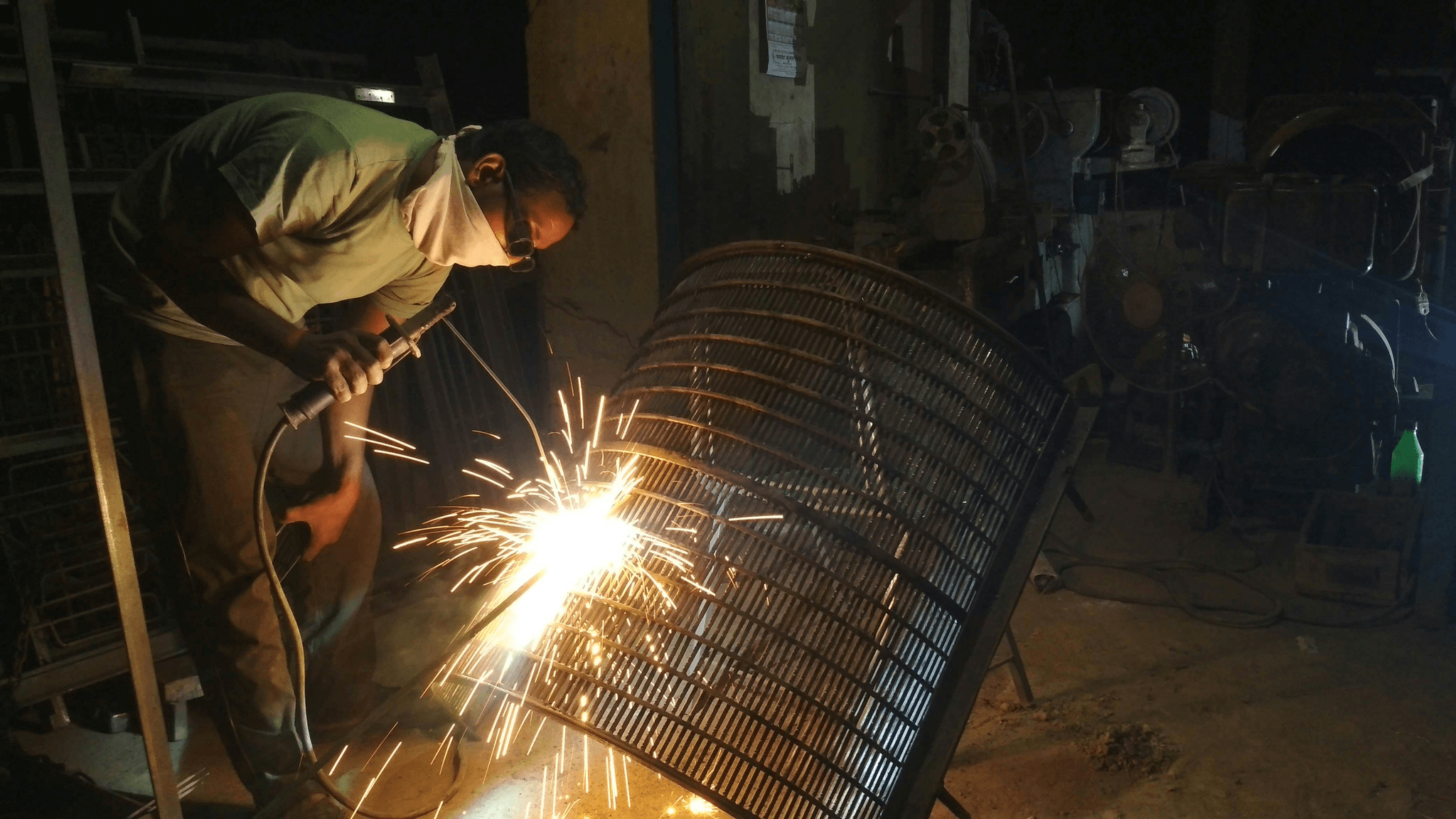
Visual inspection is a crucial component of the welding inspection checklist, serving as the first line of defense in ensuring weld integrity. This step involves closely examining the welds and surrounding areas to identify any visible defects that may compromise the quality and safety of the weld. A thorough visual inspection can often reveal issues that more advanced methods might miss, making it an indispensable part of any welding inspection checklist.
Checking for Surface Defects
When checking for surface defects, inspectors must be vigilant for signs like cracks, porosity, or inclusions that could indicate underlying problems. These imperfections can significantly weaken a weld's structural integrity and lead to catastrophic failures if not addressed promptly. Using a welding inspection checklist during this phase ensures that no defect goes unnoticed, allowing for immediate corrective action when necessary.
Surface defects are often visible to the naked eye, but some may require magnification tools to detect fully. Inspectors should also consider environmental factors such as rust or contamination that could affect surface quality. By documenting these observations on a welding inspection checklist template, teams can maintain accurate records and track improvements over time.
Assessing Joint Fit-Up
Joint fit-up is another critical aspect covered by your welding inspection checklist; it determines how well parts align before welding begins. Proper alignment ensures uniform heat distribution and minimizes distortion during the welding process, which ultimately affects weld quality. An effective assessment will involve measuring gaps between joints and ensuring they conform to specifications outlined in project requirements.
During this assessment phase, inspectors should also evaluate whether any misalignment exists due to fabrication errors or handling damage prior to welding. A well-documented joint fit-up evaluation on your checklist allows for timely adjustments before proceeding with actual welding operations. This proactive approach can save both time and resources while enhancing overall project efficiency.
Evaluating Weld Size and Shape
Evaluating weld size and shape is essential in determining whether a weld meets engineering specifications as outlined in your welding inspection checklist template. Inspectors must measure bead height, width, and overall profile to ensure compliance with design requirements while also considering aesthetics—because let’s face it; nobody wants a lumpy-looking weld!
A proper evaluation will not only confirm adherence to size specifications but also assess whether the shape supports optimal strength characteristics needed for specific applications. Any deviations from ideal measurements should be documented meticulously on your checklist so corrective measures can be taken immediately if needed—after all, better safe than sorry!
In conclusion, visual inspections form an integral part of maintaining high-quality standards in every welding project through careful observation of surface defects, joint fit-up assessments, and evaluating weld dimensions against established criteria from your comprehensive welding inspection checklist.
Non-Destructive Testing (NDT)

When it comes to ensuring the integrity of welds, Non-Destructive Testing (NDT) is an essential part of any welding inspection checklist. These methods allow inspectors to evaluate the quality of welds without causing damage, making them invaluable for maintaining safety and compliance. Incorporating NDT into your welding inspection checklist can significantly enhance the reliability of your assessments.
Overview of NDT Methods
NDT encompasses a variety of techniques aimed at detecting flaws in materials while preserving their structure. Common methods include ultrasonic testing, radiographic testing, magnetic particle testing, and dye penetrant testing, each with its unique advantages and applications. By integrating these methods into a welding inspection checklist template, inspectors can ensure thorough evaluations that meet industry standards.
Applications of Ultrasonic Testing
Ultrasonic testing (UT) is one of the most widely used NDT methods in welding inspections due to its precision and depth penetration capabilities. This technique involves sending high-frequency sound waves through materials to identify internal flaws such as cracks or voids that may not be visible on the surface. Including ultrasonic testing in your welding inspection checklist allows for early detection of potential issues, ultimately saving time and resources during project execution.
The Role of Radiographic Testing
Radiographic testing (RT) utilizes X-rays or gamma rays to create images of welds that reveal internal defects like porosity or incomplete fusion. This method is particularly effective for complex structures where other forms of inspection might fall short. By incorporating radiographic testing into your welding inspection checklist template, you can achieve a comprehensive understanding of weld integrity and ensure compliance with regulatory requirements.
Documentation Review
When it comes to welding, documentation isn't just a formality—it's a critical component that ensures quality and safety. A comprehensive welding inspection checklist serves as the backbone of this documentation process, guiding inspectors through essential steps and capturing vital information. Properly maintained welding records not only enhance accountability but also provide invaluable insights for future projects.
Importance of Welding Records
Welding records are like the fingerprints of a project; they tell the story of what was done, how it was done, and by whom. These records help in tracking compliance with specifications and standards, making them indispensable for audits and inspections. By maintaining accurate welding inspection checklists, teams can ensure that all parameters are met and any deviations are documented for future reference.
Moreover, having detailed welding records can significantly reduce liability in case of disputes or failures. They serve as evidence that due diligence was followed during the welding process, offering peace of mind to both contractors and clients alike. In essence, robust documentation is not just about compliance; it's about building trust through transparency.
Utilizing a Welding Inspection Checklist Template
A well-structured welding inspection checklist template acts like a roadmap for inspectors navigating the complexities of welding projects. This template should include various sections covering everything from material specifications to final weld assessments, ensuring no detail is overlooked. By standardizing these checklists across projects, teams can streamline their processes and enhance overall efficiency.
Using a consistent checklist template also facilitates training new inspectors by providing them with clear guidelines on what to look for during inspections. It allows for easier comparisons between different projects or phases within the same project since everyone is following the same format. Plus, who doesn’t love a good template? It saves time while boosting accuracy!
Ensuring Compliance with Standards
Compliance with industry standards is non-negotiable in any welding operation; it’s what separates good work from great work! The right welding inspection checklist plays an essential role in ensuring that all aspects align with regulatory requirements such as AWS (American Welding Society) or ISO (International Organization for Standardization). This alignment helps minimize risks associated with non-compliance while enhancing project credibility.
Regular reviews of documentation against these standards also offer opportunities to identify areas needing improvement or updates in procedures. By continuously refining your approach using feedback from your inspection checklists, you’ll elevate your team's performance over time. Ultimately, adherence to established standards not only protects workers but also bolsters your organization’s reputation in the industry.
Final Assessment and Reporting

After completing all inspections, it's time to wrap things up with a thorough final assessment and reporting. This stage is crucial as it consolidates all the information gathered throughout the inspection process into actionable insights. A well-structured report based on the welding inspection checklist will not only inform stakeholders but also guide future improvements.
Summarizing Inspection Findings
The first step in final assessment is to summarize your inspection findings clearly and concisely. This involves compiling data from your welding inspection checklist, highlighting key observations such as defects, compliance with standards, and any deviations from expected procedures. By organizing this information effectively, you create a snapshot of the overall quality of the welds inspected.
In addition to presenting what was found, it's essential to categorize these findings based on severity or impact on safety and functionality. This helps prioritize which issues need immediate attention versus those that can be addressed later. Remember, a clear summary not only aids in decision-making but also serves as an invaluable reference for future inspections using your welding inspection checklist template.
Creating Actionable Recommendations
Once you've summarized your findings, the next logical step is crafting actionable recommendations that address any concerns identified during inspections. Each recommendation should directly relate back to specific points noted in your welding inspection checklist, ensuring they are relevant and practical for implementation. Make sure these suggestions are clear and achievable; vague recommendations can lead to confusion and ineffective solutions.
It's beneficial to categorize recommendations based on urgency—immediate fixes versus long-term improvements—to help management prioritize actions effectively. Additionally, consider including potential resources or methods for implementing each recommendation; this will empower teams to take swift action without unnecessary delays. By aligning these recommendations closely with your findings from the welding inspection checklist template, you ensure they resonate with stakeholders.
Communicating Results Effectively
A well-crafted report should be structured logically—beginning with an executive summary followed by detailed sections that reflect each part of your welding inspection checklist process. Visual aids like graphs or charts can enhance understanding and retention of complex data.
When presenting results verbally or through written reports, tailor your language to suit the audience's level of technical expertise; avoid jargon if it's not necessary for comprehension among non-technical stakeholders. Effective communication ensures that everyone understands both the current state of quality assurance in welding practices and any necessary steps moving forward based on insights derived from your comprehensive checklist review.
Conclusion
In the world of welding, a thorough inspection checklist is not just a formality; it's a vital tool that helps ensure safety and quality. By following the essential steps outlined in this guide, you'll be well-equipped to conduct effective inspections. The welding inspection checklist serves as your roadmap to identifying issues early and maintaining high standards throughout the project.
Recap of Key Welding Checklist Steps
To recap, your welding inspection checklist should begin with a preliminary evaluation that includes understanding project requirements and reviewing welding procedures. Next, visual inspections are critical for checking surface defects, assessing joint fit-up, and evaluating weld size and shape. Don't forget to incorporate non-destructive testing methods like ultrasonic and radiographic testing to ensure comprehensive quality assurance.
How to Implement Your Checklist
Implementing your welding inspection checklist involves integrating it into your workflow seamlessly. Start by customizing a welding inspection checklist template that fits the specific needs of your project or organization. Regular training sessions can help familiarize your team with the checklist, ensuring everyone understands its importance in achieving compliance with industry standards.
Elevating Quality with China Inspection Pro
Partnering with experts like China Inspection Pro can elevate the effectiveness of your welding inspection checklist even further. Their experience ensures that all aspects of inspections are covered comprehensively, from initial evaluations to final assessments and reporting. With their support, you can enhance quality control measures while adhering strictly to industry standards.