
Introduction
In the fast-paced world of fashion, understanding clothing labeling regulations is crucial for manufacturers, retailers, and consumers alike. These regulations ensure that garments are accurately represented in terms of their fiber content, care instructions, and ethical sourcing. By adhering to these standards, businesses not only comply with clothing legal requirements but also foster trust with consumers who demand transparency.
Understanding Clothing Labeling Regulations
Clothing labeling regulations in the U.S. are designed to provide essential information about garments, guiding consumers in their purchasing decisions. Key laws such as the Textile Fiber Products Identification Act and the Wool Products Labeling Act outline specific requirements for identifying fiber types in garments and disclosing accurate content information. Complying with these legal requirements is not just a matter of following rules; it’s about ensuring that customers receive exactly what they pay for.
Importance of Compliance in Fashion Industry
Compliance with U.S. regulations concerning clothing labeling is vital for maintaining brand integrity and consumer confidence. Non-compliance can lead to severe penalties for failure to meet clothing labeling regulations, which can tarnish a brand's reputation and financial standing. By prioritizing compliance, companies can avoid pitfalls while enhancing their credibility in an increasingly competitive market.
Overview of Legal Requirements for Labels
Legal requirements for labels encompass various aspects such as fiber identification, care instructions under the Care Labeling Rule, and ethical disclosures related to fur products through the Fur Products Labeling Act. Each regulation serves a unique purpose but collectively aims to protect consumers from misleading claims while promoting fair competition among businesses. Understanding these legal frameworks is essential for anyone involved in the fashion industry looking to navigate this complex landscape effectively.
Overview of U.S. Regulations

Navigating the maze of clothing labeling regulations in the United States can be a daunting task for manufacturers and retailers alike. Understanding these U.S. regulations concerning clothing labeling is crucial to ensure compliance and avoid penalties for failure to meet clothing labeling regulations. This section will provide an overview of key federal laws that govern clothing labels, the role of the Federal Trade Commission, and highlight the importance of specific acts like the Textile Fiber Products Identification Act.
Key Federal Laws Governing Clothing Labels
In the U.S., several key federal laws dictate how clothing must be labeled, ensuring transparency and consumer protection. The Textile Fiber Products Identification Act (TFPIA) mandates accurate fiber content disclosure, while the Wool Products Labeling Act and Fur Products Labeling Act address specific requirements for those materials. Complying with these laws not only safeguards consumers but also helps businesses maintain their reputation in a competitive market.
These laws require that labels clearly identify fiber types in garments, including any blends present, which is essential for both consumer information and environmental considerations. For instance, if a garment contains wool or fur, it must adhere to stringent standards set forth by their respective acts to avoid misleading customers about product quality or ethical sourcing practices. Manufacturers should stay informed about any updates or changes in these regulations to ensure ongoing compliance.
Role of the Federal Trade Commission
The Federal Trade Commission (FTC) plays a pivotal role in enforcing clothing labeling regulations in the U.S., ensuring that businesses comply with legal requirements related to product information. The FTC oversees various aspects of advertising and marketing practices within the fashion industry, making it crucial for companies to understand its guidelines thoroughly. By setting clear expectations around truthful labeling and advertising claims, the FTC helps protect consumers from deceptive practices.
In addition to enforcing existing laws like the Care Labeling Rule, which outlines how care instructions should be presented on labels, the FTC also provides resources for manufacturers seeking guidance on compliance matters. Businesses that fail to adhere to FTC guidelines may face significant penalties for misleading consumers or providing inaccurate information on their labels—something no brand wants on its record! Staying aligned with FTC recommendations can help companies mitigate risks associated with non-compliance.
Importance of the Textile Fiber Products Identification Act
The Textile Fiber Products Identification Act is one of the cornerstones of U.S. regulations concerning clothing labeling; it requires clear identification of fiber content on all textile products sold in America. This act ensures that consumers can make informed decisions based on accurate information regarding what they are purchasing—an essential factor when considering allergies or sustainability concerns related to certain fibers! Complying with this act not only promotes transparency but also builds trust between brands and their customers.
Under this act, businesses must accurately label fiber types in garments by listing them in descending order based on weight percentage; this means that if a garment contains multiple fibers, they need to disclose them properly! Additionally, mislabeling fibers can lead to severe consequences such as fines or legal action from regulatory bodies—an outcome no company wants after investing time and resources into production efforts! Therefore, understanding and implementing TFPIA requirements is vital for any business operating within this space.
Fiber Identification Made Easy

In the world of fashion, knowing your fibers can be as critical as knowing the latest trends. Identifying fiber types in garments is essential not only for consumer satisfaction but also for compliance with U.S. regulations concerning clothing labeling. By understanding what materials are used, brands can ensure they meet the standards set forth by acts like the Textile Fiber Products Identification Act.
Identifying Fiber Types in Garments
Identifying fiber types in garments involves more than just a quick glance at a label; it requires knowledge and sometimes even testing! Common fibers include cotton, polyester, wool, and silk, each with distinct characteristics that affect their care and use. Familiarity with these fibers helps manufacturers comply with clothing legal requirements and avoid pitfalls associated with mislabeling.
To identify fiber types effectively, one can conduct burn tests or consult fiber identification guides that detail how different materials react to heat or chemicals. This knowledge is crucial for ensuring that labels accurately reflect what’s inside the garment—something consumers increasingly demand. Additionally, brands must adhere to U.S. regulations concerning clothing labeling to avoid penalties for failure to meet clothing labeling regulations.
The Importance of Accurate Labeling
Accurate labeling isn’t just about compliance; it’s about building trust with consumers who rely on labels for information regarding their purchases. When brands comply with clothing legal requirements by providing truthful information about fiber content, they enhance their credibility and foster customer loyalty.
The Textile Fiber Products Identification Act mandates specific disclosure of fiber content percentages in garments, ensuring transparency in the marketplace. This regulation not only protects consumers but also encourages manufacturers to take responsibility for their products’ quality and composition. Ultimately, accurate labeling serves as a foundation upon which brands can build lasting relationships with their customers.
Consequences of Mislabeling Fiber Content
Mislabeling fiber content can lead to significant repercussions—not just legally but also reputationally for brands operating within the fashion industry. Penalties for failure to meet clothing labeling regulations can range from fines to product recalls if mislabeling is discovered during inspections or consumer complaints arise due to misleading claims about fabric properties.
In addition to financial penalties associated with violations of acts such as the Wool Products Labeling Act or Fur Products Labeling Act, companies risk losing customer trust when they fail to provide accurate information about their products’ contents. Misleading labels can result in negative press coverage and damage brand reputation over time—an outcome no business wants! Therefore, ensuring accurate identification of fiber types in garments should be a top priority for any fashion brand committed to ethical practices.
Decoding the Care Labeling Rule
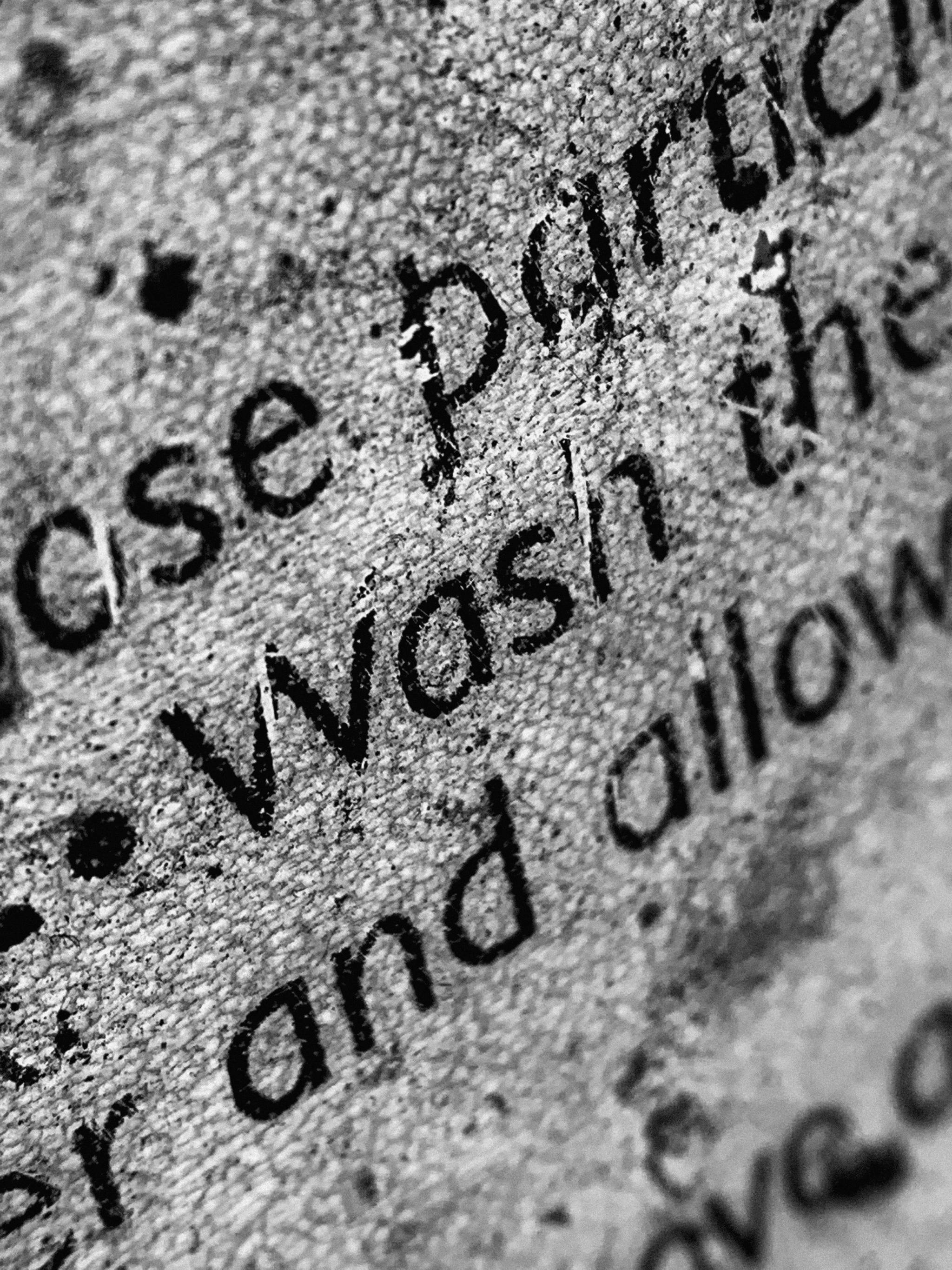
In the world of fashion, care labels are not just an afterthought; they are essential for ensuring that consumers know how to properly maintain their garments. The Care Labeling Rule, governed by U.S. regulations concerning clothing labeling, mandates specific instructions regarding the care of textile products. By adhering to these requirements, brands can avoid penalties for failure to meet clothing labeling regulations and foster trust with their customers.
Requirements of the Care Labeling Rule
The Care Labeling Rule requires that all apparel manufacturers provide clear and accurate care instructions on their labels. This includes information on washing, drying, ironing, and any necessary warnings about specific treatments. To comply with clothing legal requirements, brands must ensure that these labels are legible and placed in a location where consumers can easily see them before purchase.
Moreover, U.S. regulations concerning clothing labeling stipulate that care labels must be in English and should include symbols or words that convey the necessary information succinctly. It's essential to note that while compliance is mandatory under the Textile Fiber Products Identification Act and other related laws, providing comprehensive care guidance not only fulfills legal obligations but also enhances customer satisfaction.
Best Practices for Care Instructions
To craft effective care instructions that resonate with consumers while complying with clothing legal requirements, brands should consider using simple language and universally recognized symbols. For instance, using icons for machine wash versus hand wash can simplify choices for garment maintenance—especially when identifying fiber types in garments may lead to confusion about appropriate cleaning methods.
Additionally, including tips on stain removal or fabric-specific advice can elevate a brand’s reputation as a trusted source of information in the fashion industry. Brands should also consider updating their care labels as new cleaning technologies emerge or if they change suppliers—this ensures ongoing compliance with U.S. regulations concerning clothing labeling.
Benefits of Proper Care Labels
Properly executed care labels offer numerous advantages beyond mere compliance with regulations like the Wool Products Labeling Act or Fur Products Labeling Act; they enhance consumer trust and reduce return rates due to mishandling of garments. When customers understand how to properly care for their purchases—thanks to clear instructions—they are more likely to be satisfied with their items over time.
Furthermore, well-informed customers tend to share positive experiences through word-of-mouth recommendations or social media posts—an invaluable marketing tool in today’s digital age! Ultimately, investing time into crafting precise care labels will pay dividends by fostering loyal clientele who appreciate transparency and quality.
The Wool Products Labeling Act Explained

The Wool Products Labeling Act is a crucial regulation that governs how wool products are labeled in the U.S. This act ensures that consumers receive accurate information about the wool content in their garments, promoting transparency and trust within the fashion industry. Understanding these regulations is essential for manufacturers who want to comply with clothing legal requirements and avoid potential penalties.
Specifics of Wool Labeling Regulations
Under the Wool Products Labeling Act, all wool products must be labeled clearly to indicate their wool content. This includes not only pure wool but also any blends that contain wool fibers. Manufacturers must ensure that labels provide accurate descriptions of the fiber types in garments, which helps consumers make informed choices while shopping.
Additionally, the act mandates specific terminology and formatting for labeling, such as using terms like virgin wool or recycled wool. These specifications are designed to prevent misleading claims and ensure compliance with U.S. regulations concerning clothing labeling. Failure to adhere to these guidelines can lead to significant penalties for failure to meet clothing labeling regulations.
Standards for Wool Content Disclosure
Labels must indicate the percentage of wool present in a product, allowing consumers to understand exactly what they are purchasing. This level of transparency not only helps customers make educated decisions but also reinforces trust between brands and their clientele.
Moreover, if a product contains a blend of fibers, such as cotton and wool, it’s imperative that this information is accurately reflected on the label. Mislabeling can lead to consumer dissatisfaction and potential legal repercussions under both the Textile Fiber Products Identification Act and the Fur Products Labeling Act if applicable fibers are misrepresented or omitted entirely. Adhering to these standards is vital for any business looking to thrive in today’s competitive market.
Labeling Wool Blends Accurately
Accurate labeling of wool blends is particularly important in today’s diverse textile landscape where many products incorporate multiple fiber types. The Wool Products Labeling Act requires manufacturers to disclose not just the presence of wool but also its proportion relative to other fibers in blended products—this means being transparent about what's inside your favorite sweater!
For example, if a garment contains 60% acrylic and 40% lambswool, this should be stated clearly on its label so shoppers know exactly what they’re getting into when they decide on their purchase. Misleading labels can result in consumer mistrust and could expose companies to penalties for failure to meet clothing labeling regulations—an outcome no brand wants! Thus, understanding how best to label blends accurately ensures compliance with U.S. regulations concerning clothing labeling while also fostering goodwill among consumers.
Understanding the Fur Products Labeling Act

The Fur Products Labeling Act is a crucial piece of legislation that governs how fur products must be labeled in the U.S. To comply with clothing legal requirements, businesses must understand and adhere to these specific labeling standards.
What You Need to Know About Fur Labeling
When it comes to fur labeling, transparency is key. The Fur Products Labeling Act mandates that all fur products display clear labels indicating the animal from which the fur was sourced, as well as any other relevant information such as whether the fur is dyed or bleached. This level of detail helps consumers make informed choices and supports compliance with U.S. regulations concerning clothing labeling.
In addition to identifying fiber types in garments, proper labeling under this act also includes guidelines on how to disclose blended materials accurately. For instance, if a product contains both real and faux fur, this must be clearly stated on the label to avoid misleading consumers. Understanding these requirements not only fosters consumer trust but also protects brands from potential penalties for failure to meet clothing labeling regulations.
Compliance with Fur Content Standards
To ensure compliance with fur content standards, manufacturers and retailers must familiarize themselves with specific terminology defined by the Fur Products Labeling Act. For example, terms like fur and faux have precise meanings that must be adhered to in order for labels to be considered accurate and legally compliant. Moreover, businesses should regularly audit their labeling practices against current regulations to stay abreast of any changes.
Failing to comply can lead not only to financial penalties but also reputational damage within an increasingly conscientious consumer market. In addition, understanding how this act intersects with other laws—such as the Textile Fiber Products Identification Act—can provide a more comprehensive framework for compliance efforts across all product lines. By taking these steps seriously, companies can avoid pitfalls associated with mislabeling while reinforcing their commitment to ethical practices.
Ethical Considerations in Fur Products
The ethical implications surrounding fur products are significant and multifaceted; thus, compliance goes beyond mere legal obligations—it touches on moral responsibilities too. Many consumers today are highly aware of animal rights issues and prefer brands that align with their values regarding humane treatment of animals used for fashion purposes. Therefore, businesses should consider not just how they comply with clothing legal requirements but also how they communicate their sourcing practices transparently.
Moreover, ethical considerations may extend into marketing strategies where brands promote sustainable or cruelty-free alternatives alongside traditional fur products while still adhering strictly to regulatory requirements like those outlined in the Wool Products Labeling Act or Textile Fiber Products Identification Act when applicable. Engaging customers through education about responsible sourcing can build loyalty while enhancing brand image significantly.
In summary, understanding and complying with the Fur Products Labeling Act is essential for any business dealing in apparel containing real or faux fur components—not just from a legal perspective but also from an ethical one that resonates deeply within today's marketplace.
Penalties for Non-Compliance

Navigating the labyrinth of clothing labeling regulations can be daunting, but the consequences of failing to comply with clothing legal requirements are even more intimidating. The U.S. regulations concerning clothing labeling are not mere suggestions; they are binding laws that protect consumers and promote fair competition in the fashion industry. When brands overlook these rules, they risk financial penalties, legal action, and damage to their reputation.
Consequences of Failing to Meet Regulations
The repercussions for non-compliance can be severe and multifaceted. First off, businesses may face hefty fines imposed by regulatory bodies like the Federal Trade Commission (FTC), which enforces the Textile Fiber Products Identification Act, Wool Products Labeling Act, and Fur Products Labeling Act. Additionally, companies could find themselves embroiled in lawsuits from consumers or competitors who feel wronged by misleading labeling practices—an expensive endeavor that no brand wants to undertake.
Moreover, non-compliance can lead to product recalls and increased scrutiny from regulators in the future. This not only strains financial resources but also erodes consumer trust—a vital currency in today’s competitive market. In essence, neglecting to comply with clothing legal requirements is a gamble that few brands can afford to take.
Common Mistakes Leading to Penalties
Many businesses unknowingly trip over common pitfalls when it comes to clothing labeling regulations. One frequent misstep is failing to accurately identify fiber types in garments; this violation can trigger significant penalties under the Textile Fiber Products Identification Act if labels do not reflect true content percentages or mislead consumers about material origins. Another common error involves neglecting proper care instructions as mandated by the Care Labeling Rule—this oversight not only confuses customers but also opens the door for potential legal ramifications.
Additionally, brands sometimes mix up regulations between different categories of products—like confusing wool blends with fur products—which can lead to violations under both the Wool Products Labeling Act and Fur Products Labeling Act simultaneously! Such mistakes highlight how crucial it is for companies to stay informed about U.S. regulations concerning clothing labeling and ensure their teams are adequately trained on compliance matters.
How to Avoid Legal Troubles
Avoiding legal troubles related to clothing labeling starts with education and vigilance regarding compliance standards set forth by federal laws. Brands should invest time in understanding U.S. regulations concerning clothing labeling so they can accurately identify fiber types in garments and provide clear care instructions according to the Care Labeling Rule guidelines. Regular audits of labels against these regulations will help catch errors before products hit store shelves.
Moreover, consider collaborating with quality inspection services that specialize in garment compliance; these experts can help ensure adherence across all aspects of your product line—from materials used down to final packaging details—mitigating risks associated with non-compliance significantly! Ultimately, taking a proactive approach towards understanding and implementing proper labeling practices will save businesses from costly penalties for failure to meet clothing labeling regulations.
Conclusion
In the fast-paced world of fashion, understanding and adhering to clothing labeling regulations is not just a legal obligation but a cornerstone of brand integrity. As we've explored, U.S. regulations concerning clothing labeling, such as the Textile Fiber Products Identification Act, Wool Products Labeling Act, and Fur Products Labeling Act, set clear standards for manufacturers and retailers alike. By ensuring compliance with these laws, businesses can avoid the costly penalties for failure to meet clothing labeling regulations while building trust with consumers.
Key Takeaways on Legal Compliance
One of the most crucial aspects of running a successful fashion business is to comply with clothing legal requirements diligently. The importance of accurately identifying fiber types in garments cannot be overstated; it not only helps in meeting legal standards but also enhances customer satisfaction by providing transparency. Remember that mislabeling can lead to serious repercussions—both legally and reputationally—so staying informed about the latest U.S. regulations concerning clothing labeling is essential.
The Role of Quality Inspection Services
Quality inspection services play an invaluable role in ensuring that your products meet all necessary standards before they hit the market. These services help businesses verify compliance with various acts like the Care Labeling Rule and ensure that all garment labels are accurate and informative. By partnering with quality inspection services, brands can streamline their processes and significantly reduce the risk of penalties for failure to meet clothing labeling regulations.
Final Thoughts on Clothing Labeling Best Practices
In conclusion, effective clothing labeling is more than just a regulatory checkbox; it's an opportunity to connect with consumers through transparency and trustworthiness. By prioritizing accurate fiber identification and adhering strictly to guidelines set forth by acts like the Wool Products Labeling Act and Fur Products Labeling Act, brands can foster loyalty among their customers while steering clear of legal pitfalls. So take these insights on board—your brand's reputation may depend on it!