
Introduction

In the fast-paced world of fashion, garment labelling is often an overlooked yet crucial aspect of clothing production. Understanding the basics of garment labelling requirements for clothing is essential not only for manufacturers but also for consumers who seek quality and reliability in their apparel. From care labels that guide proper maintenance to eco-friendly custom clothing labels that reflect a brand’s commitment to sustainability, every detail counts in ensuring a positive experience.
Understanding Garment Labelling Basics
Garment labels provide vital information about a product, including its material composition, care instructions, and origin. Care labels are particularly important as they inform consumers how to properly wash, dry, and iron their garments without causing damage. Familiarity with these essentials helps brands meet legal requirements while enhancing customer satisfaction through clear communication.
Importance of Compliance in the Fashion Industry
Compliance with garment labelling requirements is not just a legal obligation; it’s also a matter of consumer trust and brand integrity. In an industry where transparency is increasingly valued, adhering to regulations ensures that customers know what they are buying and how to care for it effectively. This attention to detail can set brands apart in a crowded marketplace where eco-friendly custom clothing labels resonate strongly with environmentally conscious consumers.
Overview of Care Labels and Their Necessities
Care labels serve as the instruction manual for garments, detailing everything from washing temperatures to drying methods specific to materials like cotton or synthetic fibers. For cotton care labels, which require special attention due to the fabric's unique properties, providing accurate information can prevent mishaps like shrinking or fading. Ultimately, these small pieces of fabric hold significant power in guiding consumer behavior and fostering sustainable practices within the fashion industry.
The Essentials of Garment Labelling
Garment labelling is not just a regulatory requirement; it’s a vital aspect of clothing that connects manufacturers, retailers, and consumers. Proper labels provide essential information about the garment's composition, care instructions, and even ethical considerations. With the rise of eco-conscious consumers, understanding the essentials of garment labelling has never been more crucial.
Key Information Required on Labels
First and foremost, labels should indicate the fabric content—this is especially important for cotton care labels, which inform consumers about how to properly maintain their cotton garments. Additionally, details such as size, country of origin, and care instructions are critical; these elements help ensure that customers know exactly what they are purchasing and how to take care of it.
Another vital component is compliance with local regulations regarding textile labeling; failing to include required information can lead to fines or product recalls. Labels should also reflect any eco-friendly certifications if applicable; this not only enhances brand image but also appeals to environmentally conscious shoppers looking for sustainable options. In short, comprehensive labels enhance transparency and trust between brands and consumers.
The Role of Care Labels in Clothing Maintenance
Care labels play an indispensable role in prolonging the life of garments by providing clear maintenance instructions tailored specifically for each fabric type. For instance, cotton care labels often recommend washing temperatures or drying methods that prevent shrinkage or damage—critical information for anyone who wants their favorite shirt to last more than one season! When consumers follow these guidelines diligently, they can enjoy their clothing longer while minimizing environmental waste.
Moreover, effective care labels can educate customers on proper garment handling techniques such as ironing settings or whether a piece can be dry cleaned—a lifesaver when you’re standing before your closet wondering what’s safe! This fosters a sense of responsibility among users while enhancing brand loyalty; satisfied customers are likely to return when they feel their investment is protected through knowledgeable guidance from the label itself.
Common Labeling Mistakes to Avoid
Despite its importance, many brands fall into common pitfalls when creating garment labels that can lead to confusion or dissatisfaction among consumers. One frequent mistake is using vague language in care instructions—terms like “wash gently” without specific temperature guidelines leave too much room for interpretation! It’s essential that cotton care labels provide precise details so customers aren’t left guessing how best to treat their garments.
Another error involves neglecting local regulations surrounding garment labelling requirements for clothing; failing to include necessary details could result in penalties or damage your brand's reputation if customers feel misled. Additionally, overlooking eco-friendly options when selecting materials for custom clothing labels can alienate an increasingly green-minded consumer base eager for sustainable choices—don’t miss out on capturing this market segment by ignoring eco-friendly custom clothing labels!
Cotton Care Labels: A Deeper Dive
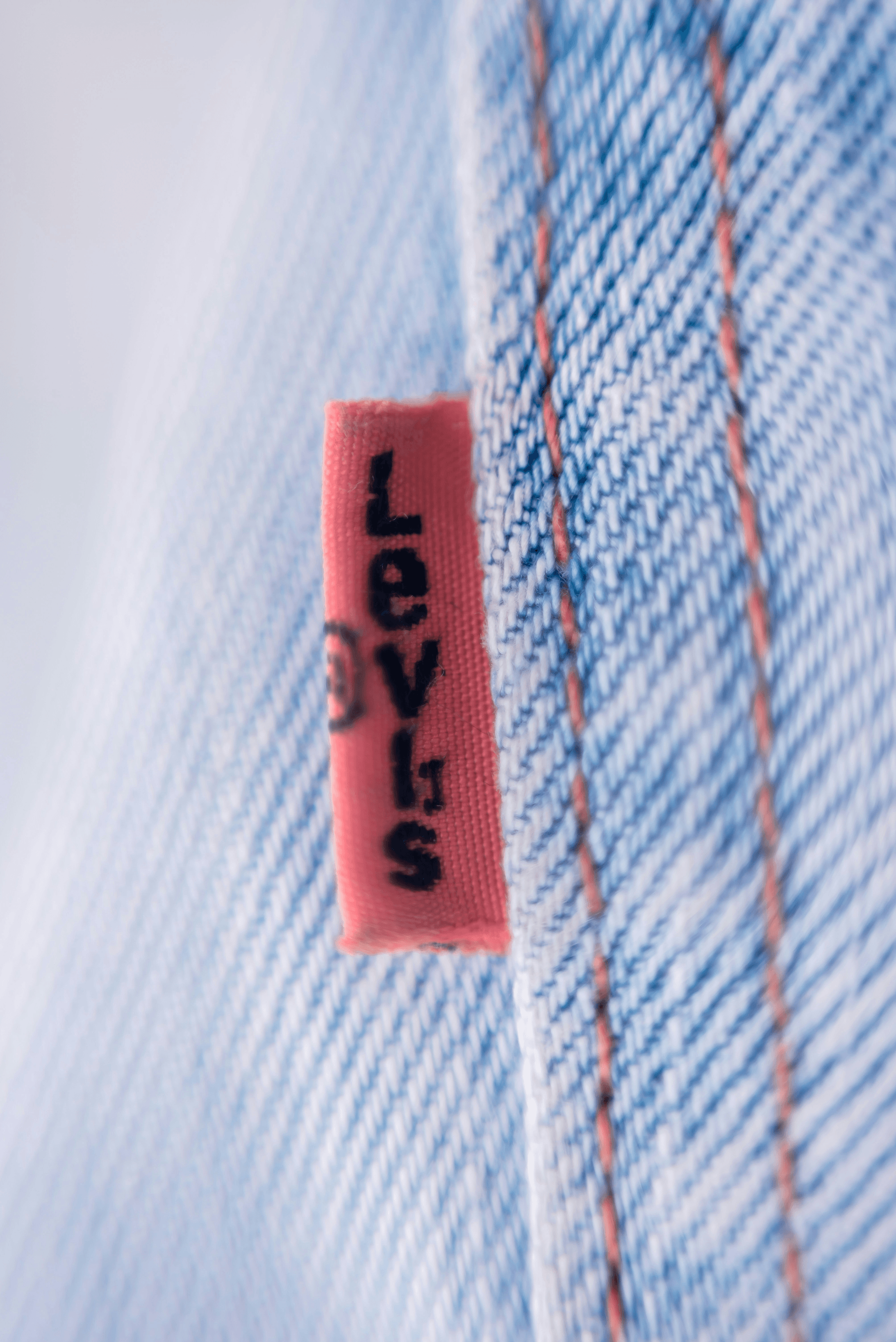
When it comes to garment labelling requirements for clothing, cotton care labels hold a special place in the hearts of both manufacturers and consumers. These labels not only provide essential information about the fabric but also play a pivotal role in maintaining the quality and longevity of cotton garments. Understanding the specifics of cotton fabric labelling is crucial for ensuring compliance with industry standards while also catering to eco-conscious consumers.
Specifics About Cotton Fabric Labelling
Cotton care labels must include specific information that reflects the nature of this beloved fabric. First and foremost, labels should clearly state the percentage of cotton in the garment, as many items blend cotton with other fibers for enhanced properties. Additionally, it's vital to include details such as washing instructions, drying methods, and ironing guidelines—after all, nobody wants their favorite shirt to shrink or lose its shape after one wash!
Another important aspect of cotton care labels is compliance with international regulations. Different markets have varying garment labelling requirements for clothing, which means that brands must stay informed about local laws to avoid costly penalties or product recalls. By providing accurate and comprehensive information on cotton care labels, brands can build trust with their customers while promoting responsible consumption.
Care Instructions for Cotton Garments
Care instructions are the heart and soul of any effective cotton care label; they guide consumers on how to keep their garments looking fresh and vibrant over time. Typical instructions may recommend machine washing in cold water to prevent fading or shrinking while suggesting gentle cycles for delicate items. Furthermore, including drying options—such as air drying versus tumble drying—can help maintain that coveted softness associated with high-quality cotton.
Ironing instructions are equally important; a simple iron on low heat can save customers from potential wardrobe malfunctions! Brands should also consider including symbols alongside written instructions since visual cues can transcend language barriers and ensure clarity across diverse markets. Ultimately, providing clear care instructions empowers consumers to make informed decisions about their laundry habits while extending the life cycle of their cherished cotton pieces.
Benefits of Using Eco-Friendly Cotton Care Labels
In today's environmentally conscious world, eco-friendly custom clothing labels are more than just a trend—they're becoming a necessity! By opting for sustainable materials in your cotton care labels, you not only minimize your environmental footprint but also resonate with an audience that values sustainability in fashion choices. Consumers are increasingly seeking brands that demonstrate commitment to eco-friendly practices; thus, using eco-friendly materials can enhance brand loyalty and attract new customers.
Moreover, eco-friendly custom clothing labels often come from renewable resources or utilize biodegradable materials that break down naturally over time—making them an excellent choice for brands aiming for sustainability without sacrificing quality or aesthetics. This commitment to environmentally friendly practices reflects positively on your brand image and helps cultivate trust among environmentally aware consumers who appreciate transparency regarding garment labelling requirements for clothing.
In conclusion, understanding the nuances surrounding cotton care labels is essential not only for compliance but also for fostering customer relationships built on trust and transparency. As we navigate through various garment labelling requirements worldwide—including those specific to our beloved cotton—it’s clear that well-crafted care instructions paired with sustainable practices will pave the way toward responsible fashion consumption.
Eco-Friendly Custom Clothing Labels Explained

The fashion industry is rapidly evolving, and so is the demand for eco-friendly practices, especially when it comes to garment labelling. Eco-Friendly Custom Clothing Labels not only help in promoting a brand's commitment to sustainability but also enhance consumer trust. By adopting these labels, brands can align themselves with the growing trend of environmental consciousness among consumers.
Why Sustainability Matters in Clothing Labels
Sustainability in clothing labels is crucial as it reflects a brand's values and responsibility towards the environment. In an age where consumers are increasingly aware of their purchasing choices, using Eco-Friendly Custom Clothing Labels can set a brand apart from its competitors. Moreover, sustainable practices in garment labelling contribute to reducing waste and pollution, making it a win-win for both businesses and the planet.
Options for Eco-Friendly Materials
When it comes to choosing materials for garment labelling requirements for clothing, there are several eco-friendly options available that don’t compromise on quality or aesthetics. Organic cotton is a popular choice, as it aligns perfectly with Cotton Care Labels while being gentle on the environment. Additionally, recycled polyester and biodegradable materials are great alternatives that can help brands maintain their eco-friendly ethos without sacrificing durability or design.
Crafting Your Brand Message with Custom Labels
Custom labels provide an excellent opportunity to communicate your brand’s message effectively while adhering to garment labelling requirements for clothing. Including information about your commitment to sustainability directly on your Care Labels adds authenticity and transparency to your brand narrative. By creatively incorporating eco-friendly elements into your label design—like using natural dyes or unique textures—you can engage consumers on a deeper level while reinforcing your dedication to sustainable practices.
International Garment Labelling Requirements
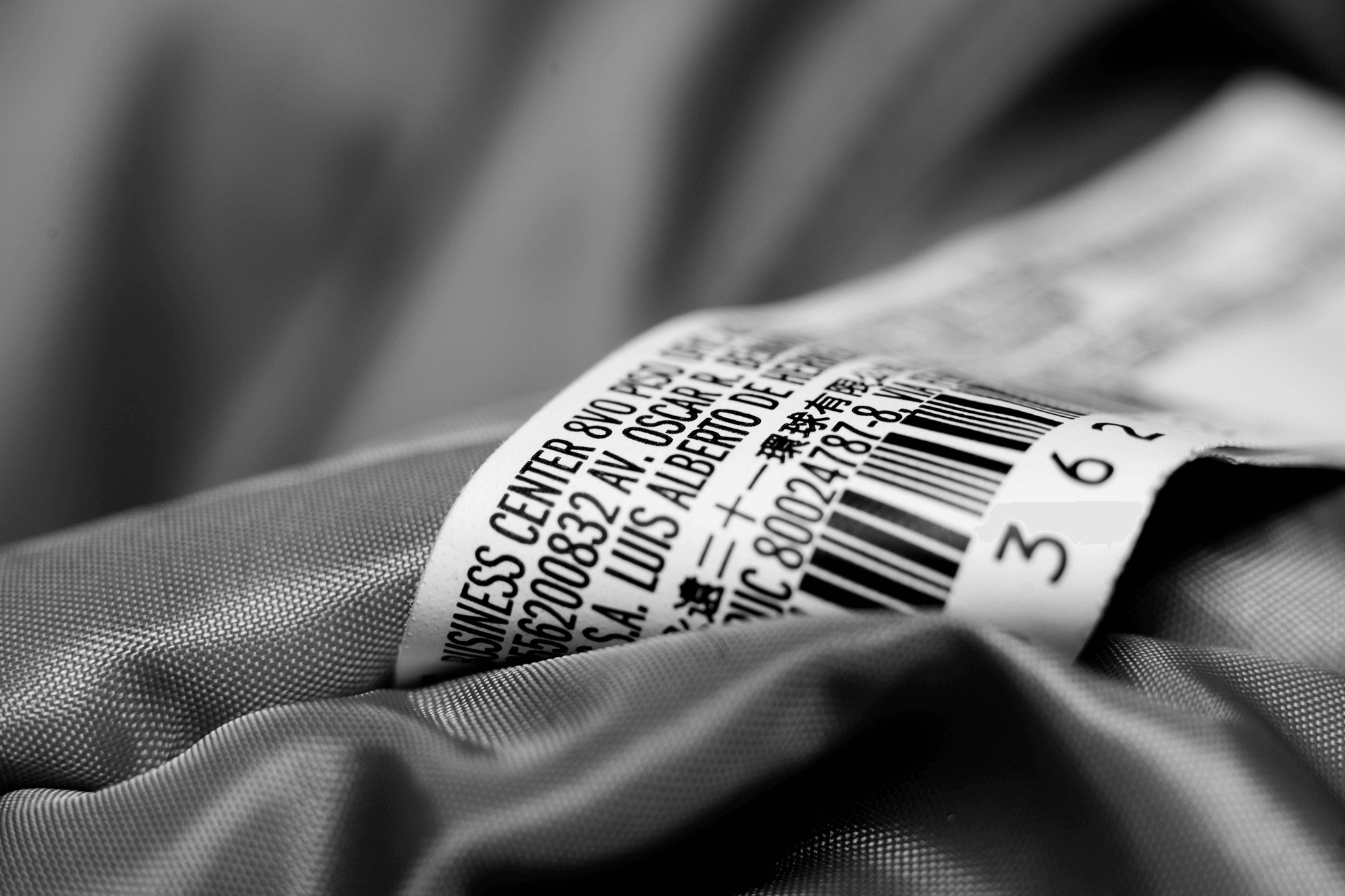
Navigating the world of garment labelling can feel like a linguistic puzzle, especially when you consider the myriad of international standards that govern it. Each country has its own set of rules regarding what information must be included on labels, particularly when it comes to Care Labels and Eco-Friendly Custom Clothing Labels. Understanding these regulations is crucial for brands aiming to sell in multiple markets while ensuring compliance with Garment Labelling Requirements for Clothing.
Overview of Global Labelling Standards
Global labelling standards are designed to ensure that consumers receive accurate information about the garments they purchase. These standards often cover essential details such as fiber content, care instructions, and country of origin, making Care Labels a vital component of any garment. While some countries may have similar requirements, others can be drastically different, emphasizing the need for brands to stay informed about international norms.
The International Organization for Standardization (ISO) plays a significant role in setting these global benchmarks, but national regulations often add layers of complexity. For instance, while most countries require basic fiber content disclosure on labels, specific care instructions might vary significantly from one region to another. This variation underscores the importance of being well-versed in local regulations when designing Cotton Care Labels or any other type of label.
Key Regulations in Major Markets
In major markets like the United States and European Union, strict guidelines dictate what must appear on garment labels. In the U.S., for example, the Federal Trade Commission (FTC) mandates clear labeling that includes fiber content and care instructions—making effective Care Labels not just helpful but legally required. Similarly, in the EU, Regulation (EU) No 1007/2011 outlines detailed requirements regarding textile labeling that all brands must adhere to if they wish to sell their products there.
Emerging markets are also tightening their regulations as consumer awareness grows around product safety and sustainability; this makes understanding Garment Labelling Requirements for Clothing even more critical than before. Countries like India and Brazil are developing their own frameworks that align more closely with international standards but still have unique twists that could catch unprepared brands off guard. Thus, staying updated on these evolving regulations is essential for maintaining compliance across diverse markets.
Navigating Cultural Differences in Labeling
Cultural differences can significantly influence how garment labels are perceived by consumers worldwide; what works well in one region might be completely misunderstood in another. For example, while concise care instructions may be appreciated in Western markets, some Asian cultures prefer more elaborate descriptions due to varying levels of familiarity with clothing maintenance practices—making effective Cotton Care Labels essential for cross-cultural success.
Moreover, eco-conscious consumers globally are increasingly drawn toward Eco-Friendly Custom Clothing Labels that reflect sustainable practices; however, how this message is communicated can differ greatly depending on cultural values surrounding sustainability and consumption habits. Brands should take time to research local preferences before finalizing their label designs so they resonate effectively with target audiences across different regions. Ultimately, understanding these cultural nuances not only ensures compliance but also helps build trust with consumers globally.
Partnering with Quality Inspection Services
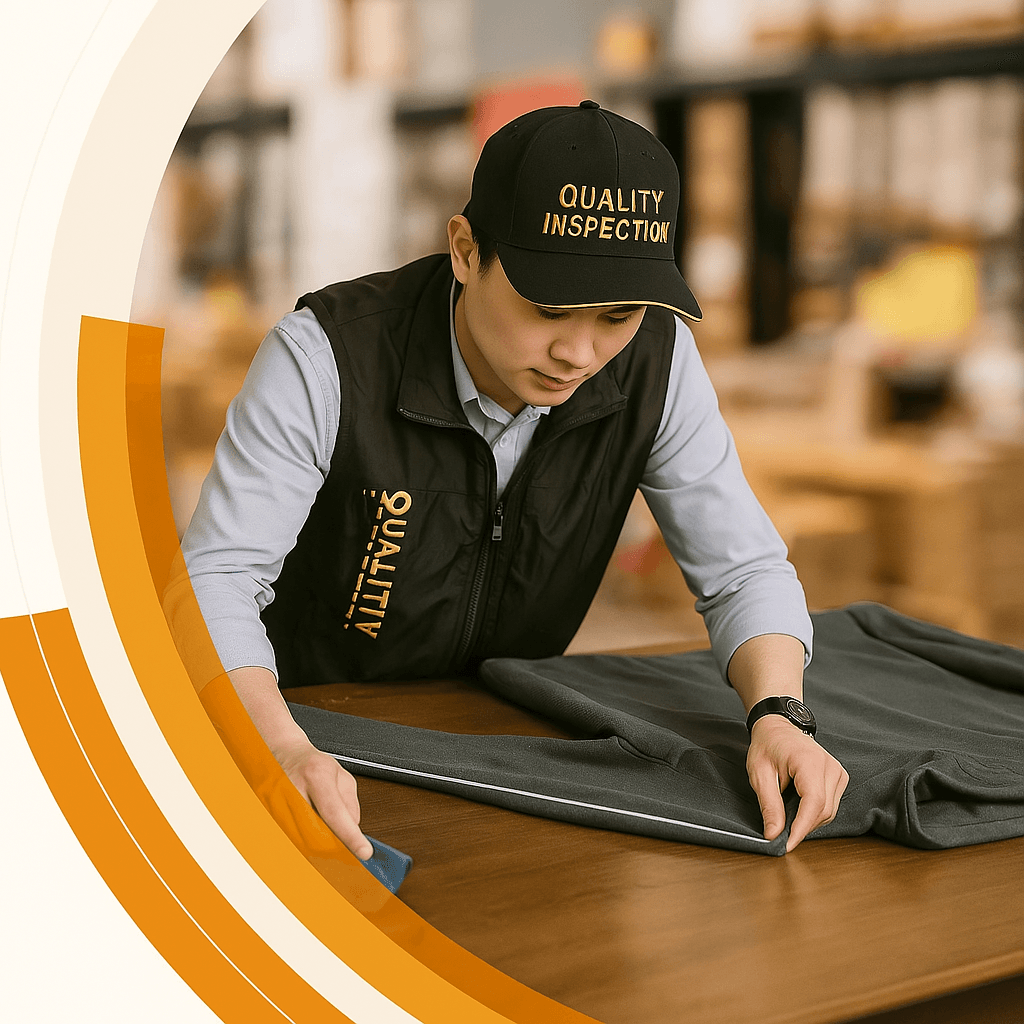
In the fast-paced world of fashion, ensuring that your garments meet quality standards is crucial. Quality control is not just a box to check; it’s the backbone of consumer trust and brand reputation. By partnering with quality inspection services, you can guarantee that your Care Labels, Cotton Care Labels, and Eco-Friendly Custom Clothing Labels are up to par and compliant with garment labelling requirements for clothing.
The Importance of Quality Control
Quality control is essential in maintaining the integrity of your clothing line. It ensures that every piece meets both aesthetic and functional standards, which includes proper labeling practices. When consumers see accurate and reliable Care Labels on their garments, they feel more confident in their purchase—knowing they can care for their items correctly.
Furthermore, consistent quality control helps minimize returns due to labeling errors or poor garment performance. This not only saves money but also enhances customer satisfaction and loyalty. In today's market, where sustainability is key, ensuring that your Eco-Friendly Custom Clothing Labels are correctly applied can set you apart from competitors.
How China Inspection Pro Can Help
When it comes to navigating the complexities of garment labelling requirements for clothing, China Inspection Pro stands out as a reliable partner. They specialize in thorough inspections that cover everything from fabric quality to compliance with international regulations on Care Labels. Their expertise ensures that your Cotton Care Labels are accurately produced and reflect the true nature of your products.
Additionally, China Inspection Pro provides insights into eco-friendly practices—perfect for brands looking to make a sustainable impact without sacrificing quality. Their team can help streamline your production process while ensuring all labels meet necessary guidelines. By leveraging their services, you can focus on what you do best: creating stylish garments while they handle the nitty-gritty details.
Ensuring Compliance with Industry Standards
Navigating industry standards may feel like wandering through a maze without a map; however, working with professionals makes it manageable. Compliance isn’t just about avoiding fines or penalties; it’s about building a reputable brand identity built on transparency and trustworthiness in garment labelling requirements for clothing. Accurate Care Labels ensure customers know how to care for their cotton items properly while also aligning with eco-friendly initiatives.
Moreover, understanding global labeling standards equips businesses to cater to diverse markets effectively—whether it's Europe’s stringent regulations or North America’s guidelines on Cotton Care Labels. This knowledge helps you avoid costly missteps during international shipping or sales processes. Ultimately, staying compliant means better market access and happier customers who appreciate brands committed to quality and sustainability.
Conclusion

Navigating the intricate world of garment labelling requirements for clothing can feel like a daunting task, but it’s essential for any brand aiming to thrive in the fashion industry. Understanding these requirements ensures compliance with regulations while also enhancing consumer trust. By implementing clear and informative care labels, brands not only fulfill legal obligations but also contribute to a more informed customer base.
Navigating Garment Labelling Requirements
Garment labelling requirements for clothing vary significantly across different regions and markets, making it crucial for brands to stay informed about local regulations. Whether you're producing cotton care labels or eco-friendly custom clothing labels, adherence to these standards is non-negotiable. Brands that take the time to understand and implement proper labelling will find themselves better positioned in a competitive marketplace.
Leveraging Care Labels for Consumer Trust
Care labels are more than just a piece of fabric stitched into your garments; they are an essential tool for building consumer trust. When customers see detailed care instructions on cotton care labels, they feel more confident in their purchases and how to maintain their items properly. This transparency can lead to increased brand loyalty as consumers appreciate brands that prioritize their needs through informative labelling.
Moving Towards Sustainable Clothing Practices
The shift towards sustainable clothing practices is not just a trend but an imperative choice for modern brands looking to make an impact. Eco-friendly custom clothing labels play a vital role in this movement by showcasing your commitment to sustainability and ethical practices. By embracing eco-conscious materials and transparent labelling, companies can appeal to environmentally aware consumers who value responsibility as much as style.