
Introduction
A well-maintained garage door is more than just a convenient entry point; it’s a crucial safety feature and an essential part of your home’s curb appeal. Regular Garage Door Inspection helps identify potential issues before they turn into costly repairs or safety hazards, especially for various types like Folding Garage Doors, Multi – Lead Garage Doors, or Rigid Garage Doors. Whether you own a residential garage door or operate a Rolling Curtain Garage Door, staying proactive ensures smooth operation and peace of mind.
Why a Garage Door Inspection is Key to Safety and Performance
Performing routine Garage Door Inspection is vital because it ensures all components—from the Power Assisted Garage Door system to the sectional panels—are functioning correctly. A thorough inspection can reveal hidden problems with springs, cables, hinges, or hardware that might compromise safety if left unchecked. When your garage door isn’t operating properly, it could pose serious risks to your family and damage your property; hence, inspecting regularly keeps everything in tip-top shape.
Common Signs Your Garage Door Needs a Checkup
Noticing unusual noises during operation or difficulty opening your garage door are clear signs it’s time for a professional inspection—whether you have a Multi – Lead Garage Door or a Rigid Garage Door. Other warning signs include uneven movement, visible damage on panels or tracks, or sensors that aren’t aligning correctly in systems like Power Assisted Garage Doors. If you see frayed cables or loose hinges on your sectional garage door—or any irregularities with your Folding Garage Door—don’t delay scheduling an inspection.
Tools and Preparations for a Successful Inspection
Before diving into your garage door checkup, gather basic tools such as screwdrivers, pliers, and lubricants suitable for hinges and rollers. It’s also helpful to have a flashlight handy to inspect hard-to-see areas on Rolling Curtain Garage Doors or other types like the Rigid Garage Doors thoroughly. Proper preparation makes the process smoother and ensures you catch every detail—from loose hardware on your sectional garage door to rust spots on multi-lead models—making sure your garage door remains safe and reliable.
Visual Inspection of Garage Door Components
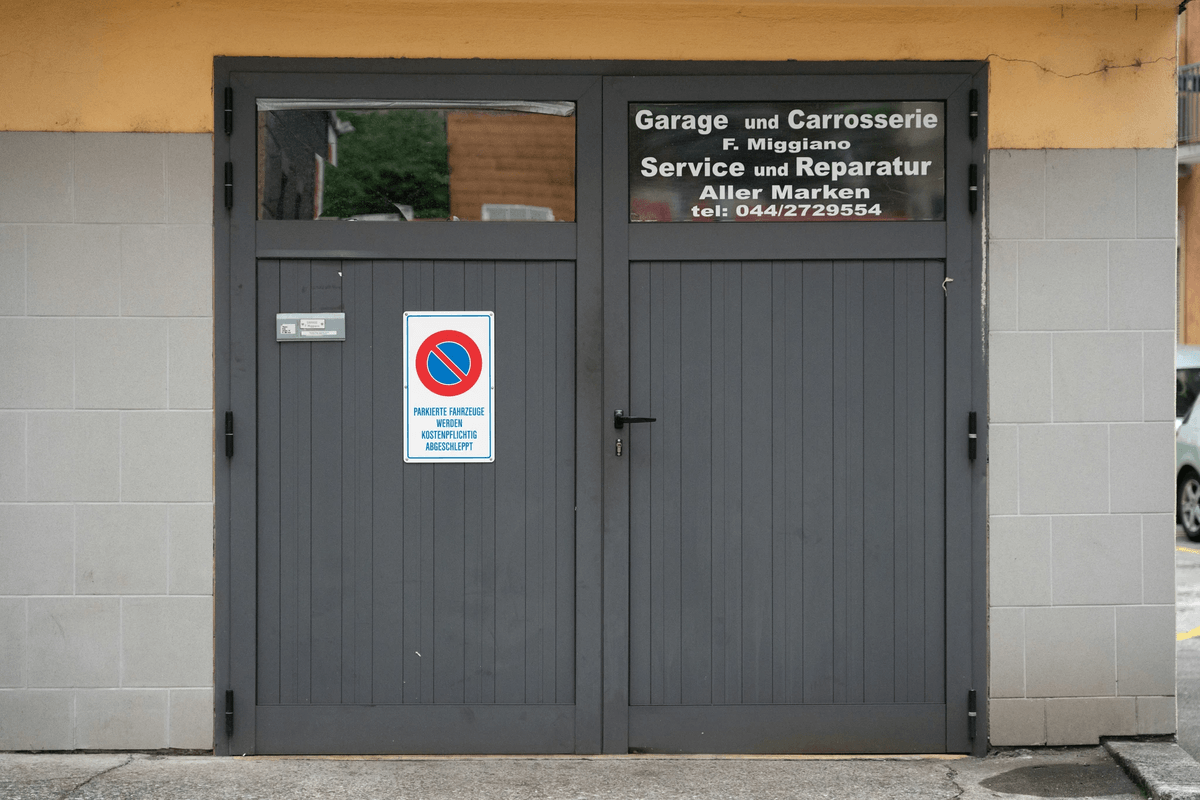
A thorough visual inspection is the foundation of any good Garage Door Inspection, whether you’re dealing with a traditional Residential Garage Door or a more specialized setup like a Folding Garage Door. During this process, look for obvious signs of wear and tear that could compromise safety or performance. Remember, catching issues early can save you from costly repairs down the line and keep your garage door functioning smoothly.
First, examine the garage door panels and surface carefully. For all types of garage doors—including Multi–Lead Garage Doors and Rigid Garage Doors—damaged or warped panels can indicate structural problems that need immediate attention. Cracks, dents, or warping not only affect the aesthetic but can also lead to operational issues during your next Garage Door Inspection.
Next up is inspecting the tracks and rollers for wear. Whether you own a Rolling Curtain Garage Door or a Sectional Garage Door, smooth operation depends heavily on well-maintained tracks and rollers. Look for bent tracks, misalignment, or debris buildup that could hinder movement; these are common culprits in malfunctioning Power Assisted Garage Doors as well.
Finally, check for rust, cracks, or other damage on all components. Rust tends to form on metal parts over time—especially in humid environments—and can weaken essential hardware like hinges and springs. Cracks in panels or structural components are red flags that demand immediate attention to maintain safety standards during your Garage Door Inspection.
Assessing the Garage Door Springs and Cables
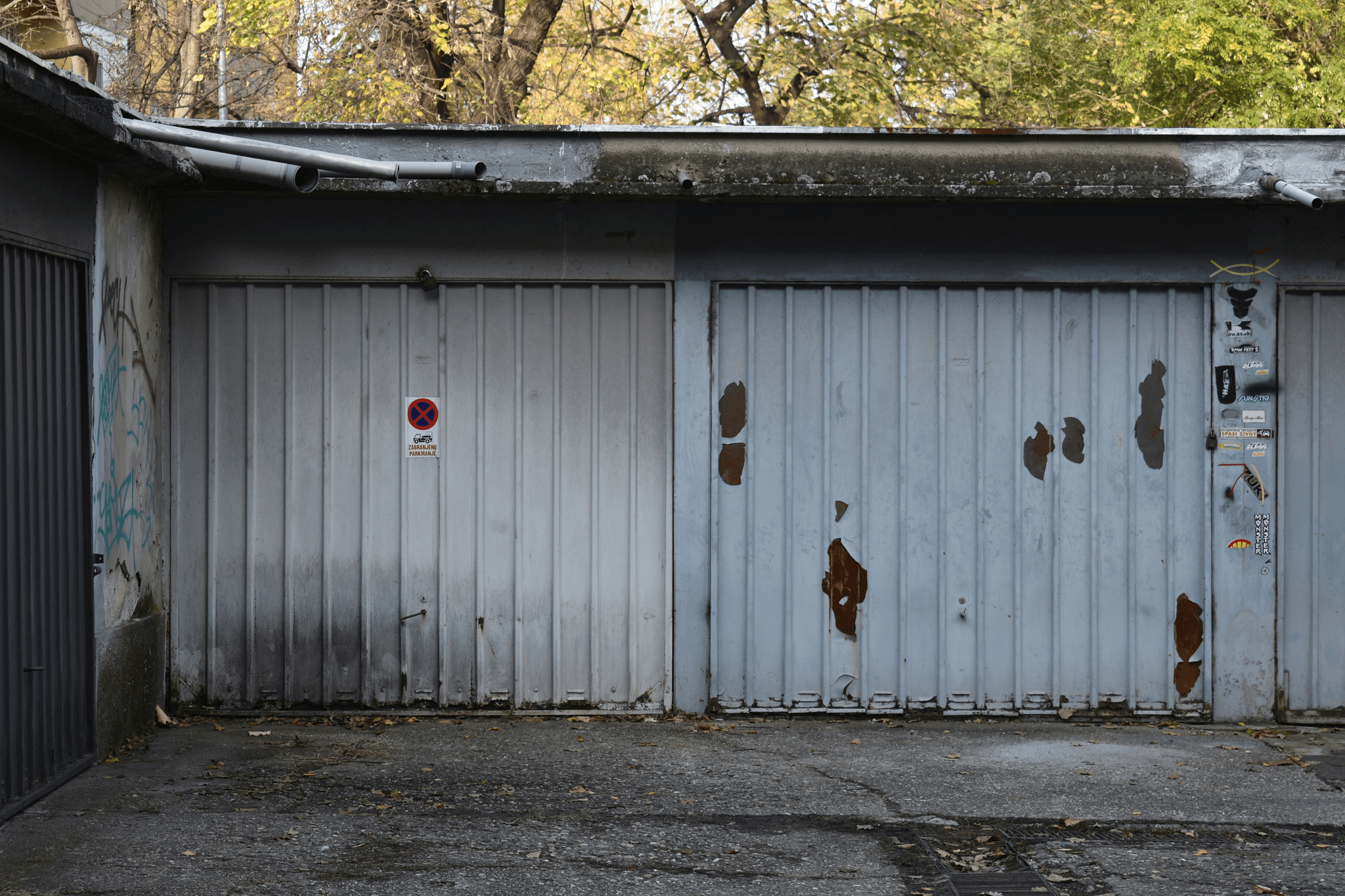
When performing a thorough Garage Door Inspection, paying close attention to the springs and cables is crucial because they are the backbone of your door’s operation. Whether you own a Residential Garage Door or a specialized Folding Garage Door, these components endure constant stress and can wear out over time. Ignoring signs of wear or fraying can lead to costly repairs or even dangerous situations, especially with Power Assisted Garage Doors that rely heavily on spring tension for smooth movement.
Identifying Signs of Wear or Fraying
During your Garage Door Inspection, look for visible signs of wear such as rust spots, corrosion, or frayed wires on the cables. Fraying cables are often a red flag indicating they are nearing failure and should be replaced promptly to avoid sudden breakdowns. For Multi – Lead Garage Doors or Rolling Curtain Garage Doors, inspect closely along the cable paths for any unraveling or damage that might compromise their structural integrity. Remember, a worn cable can cause uneven door operation or even pose safety hazards if left unchecked.
Ensuring Springs Are Properly Tensioned
Proper tension in garage door springs—whether torsion springs on a Sectional Garage Door or extension springs on Rigid Garage Doors—is vital for balanced movement and safe operation. During your inspection, gently test the door’s weight by opening it manually; if it feels unusually heavy or light at certain points, it may indicate improper tension. For garage doors like Multi – Lead types that require precise adjustments, ensuring correct spring tension helps maintain optimal performance and prolongs component lifespan.
Replacing Broken or Worn Cables
Once you've identified worn or broken cables during your assessment, replacing them becomes non-negotiable for safety reasons. Always use high-quality replacement cables compatible with your specific garage door type—be it a Folding Garage Door, Rigid Garage Door, or Rolling Curtain model—to ensure durability and safety standards are met. Professional inspection is recommended when replacing cables in Power Assisted Garage Doors to guarantee proper tensioning and secure attachment points.
Evaluating the Garage Door Opener System
A thorough garage door inspection isn't complete without evaluating the opener system, especially for different types like sectional garage doors or rolling curtain garage doors. Ensuring your Power Assisted Garage Door operates smoothly can prevent unexpected breakdowns and safety hazards. Remember, a well-functioning opener system is vital for all residential garage doors, whether they are rigid garage doors or folding garage doors.
Testing Power Assisted Garage Door Operation
Start by testing the Power Assisted Garage Door to see if it opens and closes seamlessly without any unusual noises or jerks. For sectional garage doors, this test confirms that the motor can handle the door's weight and movement efficiently. If you notice sluggish operation or strange sounds, it might be time to check the opener’s motor or consider a professional inspection to prevent further issues.
Inspecting Remote Controls and Safety Sensors
Next, examine remote controls to ensure they communicate properly with your garage door system—especially important for multi-lead garage doors that often come with multiple remotes. Safety sensors are crucial components that prevent accidents; verify they are aligned correctly and free of dust or obstructions. Whether you own a rolling curtain garage door or a rigid garage door, malfunctioning remotes or sensors can compromise safety and convenience.
Verifying the Auto-Reverse Feature
Finally, test the auto-reverse feature—an essential safety element for all types of residential garage doors including folding and sectional models. Place an object in path of closing to see if the door reverses automatically; this simple test ensures your garage door meets safety standards during a routine inspection. Regularly verifying this feature helps maintain reliable operation across different types like multi-lead or rolling curtain systems.
Inspecting the Garage Door Hinges and Hardware
A thorough garage door inspection isn’t complete without a close look at the hinges and hardware, especially for those with a variety of garage door types like folding garage doors or sectional garage doors. These components are the backbone of your garage door’s smooth operation, so it’s crucial to ensure they’re in top shape. Whether you own a rigid garage door or a rolling curtain garage door, inspecting hinges and hardware can prevent costly repairs down the line and keep your residential garage door functioning flawlessly.
Checking for Loose or Missing Bolts
Start by giving all bolts and screws on your garage door hinges a firm check—loose bolts are a common culprit behind squeaks, misalignments, or even complete failure of the system. For multi-lead garages or folding garage doors, these fasteners bear significant stress as they move through multiple sections or folds; neglecting them can lead to sagging or misaligned panels. Regularly inspecting these fasteners during your garage door inspection ensures that your power assisted garage door remains safe and reliable, preventing unexpected breakdowns.
Lubricating Moving Parts for Smooth Operation
Once you've tightened any loose bolts, don’t forget to lubricate all moving parts—hinges, rollers, springs—to keep everything sliding smoothly. Proper lubrication is especially vital for sectional garages or rolling curtain garage doors where friction can cause wear over time. Using a high-quality lubricant during your routine garage door inspection will extend the lifespan of these parts and keep your residential garage door operating quietly and efficiently.
Tightening or Replacing Faulty Hinges
If you notice any hinges that are cracked, bent, or showing signs of excessive wear during your inspection, it’s time to tighten them up or replace faulty hinges altogether. Faulty hinges can compromise the integrity of various types of garages such as rigid or multi-lead models—leading to dangerous situations if left unaddressed. Remember: keeping hinges in tip-top shape is key to maintaining safety standards for every type of residential garage door.
Special Focus on Different Garage Door Types

Different garage door types require tailored inspection techniques to ensure safety and longevity. Whether you have a sleek residential garage door or a more specialized setup like a rolling curtain garage door, understanding the unique features and common issues is essential. Regular garage door inspection helps identify potential problems early, saving you money and preventing accidents.
Multi – Lead Garage Doors and Their Unique Checks
Multi-lead garage doors are known for their durability and complex design, often used in commercial settings but also found in some residential properties. During a garage door inspection, pay close attention to the multiple tracks and hinges that support this type of door, as these components endure significant stress over time. Ensuring that all guides are aligned properly and that the power assisted garage door mechanism functions smoothly is crucial for safe operation.
Furthermore, inspecting the tension of springs and condition of cables on multi-lead garage doors is vital because these parts bear much of the load. Any signs of fraying or wear can lead to sudden failures, so replacing worn components promptly during your garage door inspection can prevent costly repairs later. Regular maintenance keeps your multi-lead garage door operating efficiently while maintaining safety standards.
Folding Garage Doors Maintenance Checklist
Folding garage doors are popular in spaces where overhead clearance is limited, but they require careful maintenance to stay in top shape. During a garage door inspection, check all hinges for loose bolts or corrosion since these are critical moving points in folding designs. Lubricating hinges and rollers ensures smooth operation while reducing wear on the folding mechanism.
Since folding garage doors often involve multiple panels connected by pivot points, inspecting each panel's surface for cracks or rust is essential—any damage could compromise structural integrity over time. Also, verify that the power assisted system functions correctly; if not, it might be time for some professional attention to keep your folding garage door reliable.
Rolling Curtain Garage Doors Inspection Tips
Rolling curtain garage doors are frequently used in industrial settings but also appear more often in modern homes with space constraints. These doors operate by rolling up into a compact coil at the top of the opening—meaning their condition heavily depends on track cleanliness and roller health during an inspection. Look out for debris buildup or misaligned tracks that could hinder smooth rolling action.
The cables supporting rolling curtain systems should be examined carefully—any fraying or slack indicates imminent failure risks requiring immediate repair or replacement during your routine checkup. Additionally, test whether the manual override works correctly; since many rolling curtain garages rely heavily on motorized operation with power assisted mechanisms, ensuring safety features like auto-reverse are functional remains vital.
Sectional Garage Doors and Their Key Points
Sectional garage doors dominate residential installations due to their ease of use and versatility but demand regular inspections to maintain performance standards. When inspecting this type during your routine checkup, focus on each section's surface—look for dents or cracks that could weaken overall stability—and ensure seamless movement along tracks.
The hardware connecting sections—hinges and rollers—must be tight without excessive play; loose components can lead to noisy operation or worse, derailment hazards during an automatic cycle powered by a reliable power assisted system. Remember: lubricating moving parts regularly will prolong lifespan while keeping your sectional gate functioning smoothly through every season.
Rigid Garage Doors and Structural Integrity
Rigid garage doors provide excellent security but are only as strong as their structural components allow; hence assessing their integrity should be part of every comprehensive garage door inspection routine. Check for bent panels or warping caused by weather exposure which could compromise safety if left unattended—a quick visual scan can reveal such issues early enough for timely repairs.
The frame’s anchoring points need special attention: loose bolts or rusted brackets diminish overall strength significantly over time—and if you're dealing with a rigid design featuring thick steel construction, maintaining tight hardware becomes even more critical during regular inspections to prevent potential failures down the line.
Professional Inspection and When to Call China Inspection Pro
While a DIY approach to Garage Door Inspection can catch minor issues, nothing beats the expertise of a professional team when it comes to ensuring your garage door’s safety and longevity. Whether you own a Folding Garage Door, Multi–Lead Garage Door, or a Rigid Garage Door, professional inspectors know exactly what to look for. They can identify subtle signs of wear or damage that might go unnoticed by the untrained eye, saving you from costly repairs down the line.
Benefits of a Professional Garage Door Inspection
Getting a professional Garage Door Inspection offers peace of mind that your residential garage door operates smoothly and safely. Experts are well-versed in inspecting various types like Rolling Curtain Garage Doors or Sectional Garage Doors, ensuring all components are in top shape. Regular inspections not only prolong the life of your Power Assisted Garage Door but also prevent potential accidents caused by faulty springs or misaligned tracks.
How China Inspection Pro Ensures Quality and Safety
China Inspection Pro specializes in comprehensive evaluations tailored for all garage door types—be it Rigid Garage Doors or Multi–Lead models—making sure every part meets strict safety standards. Their team uses advanced tools during each inspection to check hinges, cables, and hardware for signs of wear that could compromise your garage door’s integrity. By focusing on detailed assessments like those needed for Folding Garage Doors or Sectional systems, they guarantee your garage door system remains reliable and secure.
Scheduling Regular Maintenance for Longevity
To keep your garage doors functioning flawlessly over time, scheduling regular maintenance with China Inspection Pro is essential. Routine inspections help identify issues early before they escalate into expensive repairs—especially important for complex systems like Rolling Curtain Garage Doors or multi-panel designs. Remember: consistent professional checkups will extend the lifespan of your residential garage door while maintaining optimal safety standards.
Conclusion
A thorough Garage Door Inspection is essential to ensure your residential garage door operates safely and efficiently. Whether you have a traditional Sectional Garage Door or a modern Rolling Curtain Garage Door, regular checks help identify potential issues before they become costly repairs. By paying attention to components like hinges, springs, and hardware, homeowners can maintain optimal performance and safety standards for their garage doors.
Ensuring Your Garage Door Meets Safety Standards
Maintaining safety standards begins with a comprehensive Garage Door Inspection that covers all types of garage doors, including Rigid Garage Doors and Folding Garage Doors. These inspections verify that safety features such as auto-reverse mechanisms and sensors are functioning correctly, preventing accidents or injuries. For multi – lead garage doors and Power Assisted Garage Doors, adhering to safety protocols during inspection is vital to prevent malfunctions that could compromise security.
Keeping Your Garage Door Reliable and Secure
Reliability stems from consistent maintenance of every component involved in your garage door system—be it the tracks of a sectional garage door or the cables on a multi – lead garage door. Regular inspections help spot worn rollers or frayed cables early, ensuring your garage door remains dependable day after day. Investing in routine Garage Door Inspection also prolongs the lifespan of your Rigid or Folding garage doors while maintaining their structural integrity.
Regular Inspection as a Cost-Effective Maintenance Strategy
Scheduling regular Garage Door Inspections is one of the smartest ways to save money over time; catching issues early prevents expensive repairs down the line. Whether you own a rolling curtain garage door or a traditional sectional model, routine checks can identify rust, cracks, or hardware loosening before they threaten safety or functionality. Remember, proactive maintenance keeps your residential garage door secure without breaking the bank—making it an unbeatable cost-effective strategy.