
Introduction
Understanding how often you should conduct inspections might seem like a small detail, but it’s actually a cornerstone of maintaining product quality and safety. The right Inspection Frequency ensures that products meet your standards without overextending resources or missing critical issues. When you partner with China Inspection Pro, you gain insights into optimizing this balance based on your unique circumstances and the history you have with your supplier.
Understanding the Importance of Inspection Frequency
Knowing the right Inspection Frequency is essential because it directly influences your overall quality management system. It helps you identify when to ramp up inspections—especially if past data shows recurring defects—or dial back when everything has been consistent, saving costs and time. Your quality history with your supplier plays a vital role here; it informs how often inspections should occur to prevent issues from slipping through while avoiding unnecessary checks.
How Inspection Frequency Impacts Product Quality and Safety
The frequency of inspections can make or break your product’s reputation, impacting both quality and safety standards. Too infrequent, and defective items could reach customers, damaging trust; too frequent, and you risk inflating costs without proportional benefits. Evaluating the value of your product—whether high-end electronics or everyday essentials—helps determine an appropriate inspection schedule that balances safety and cost-effectiveness while considering the application of your product.
Partnering with China Inspection Pro for Optimal Results
Partnering with China Inspection Pro empowers you to tailor inspection frequency based on real-time data, industry standards, and specific product complexities. We analyze factors like your customers’ tolerance for quality issues alongside historical inspection data to craft a plan that aligns perfectly with your business goals. With our expertise, you'll ensure continuous monitoring and adjustment of inspection schedules for maximum impact—keeping quality high without breaking the bank.
Assessing Your Quality History with Your Supplier

Taking a deep dive into your quality history with your supplier is the first step toward optimizing your inspection frequency. By examining past inspection data, you can uncover valuable insights into how often issues arise and whether current inspection routines are effective. This review helps you identify patterns that inform smarter decisions about adjusting your inspection frequency to better align with your product's needs.
Reviewing Past Inspection Data
Start by gathering all previous inspection reports and records related to your products. This data provides a snapshot of defect rates, non-compliance incidents, and recurring quality issues over time. When you analyze this information, you can determine if your current inspection frequency is sufficient or if it needs to be increased for high-risk items, or perhaps decreased for consistently reliable products.
Identifying Patterns of Defects or Non-Compliance
Look for trends within the historical data—are certain defects happening more frequently? Do specific components or assembly processes show higher non-compliance rates? Recognizing these patterns enables you to tailor your inspection frequency based on actual performance rather than guesswork, improving overall product quality and safety.
Using Historical Data to Adjust Inspection Frequency
Armed with detailed insights from past inspections, you can fine-tune how often inspections occur based on the value of your product and its application. For high-value goods or those critical to safety standards, increasing inspection frequency might be justified; conversely, less complex products with fewer defect patterns could warrant a reduced schedule. Constantly reviewing this data allows for dynamic adjustments that optimize costs without compromising quality or customer satisfaction.
Remember, aligning your inspection frequency with your quality history ensures that both risks and costs are managed effectively while maintaining the standards expected by your customers.
Evaluating the Value of Your Product
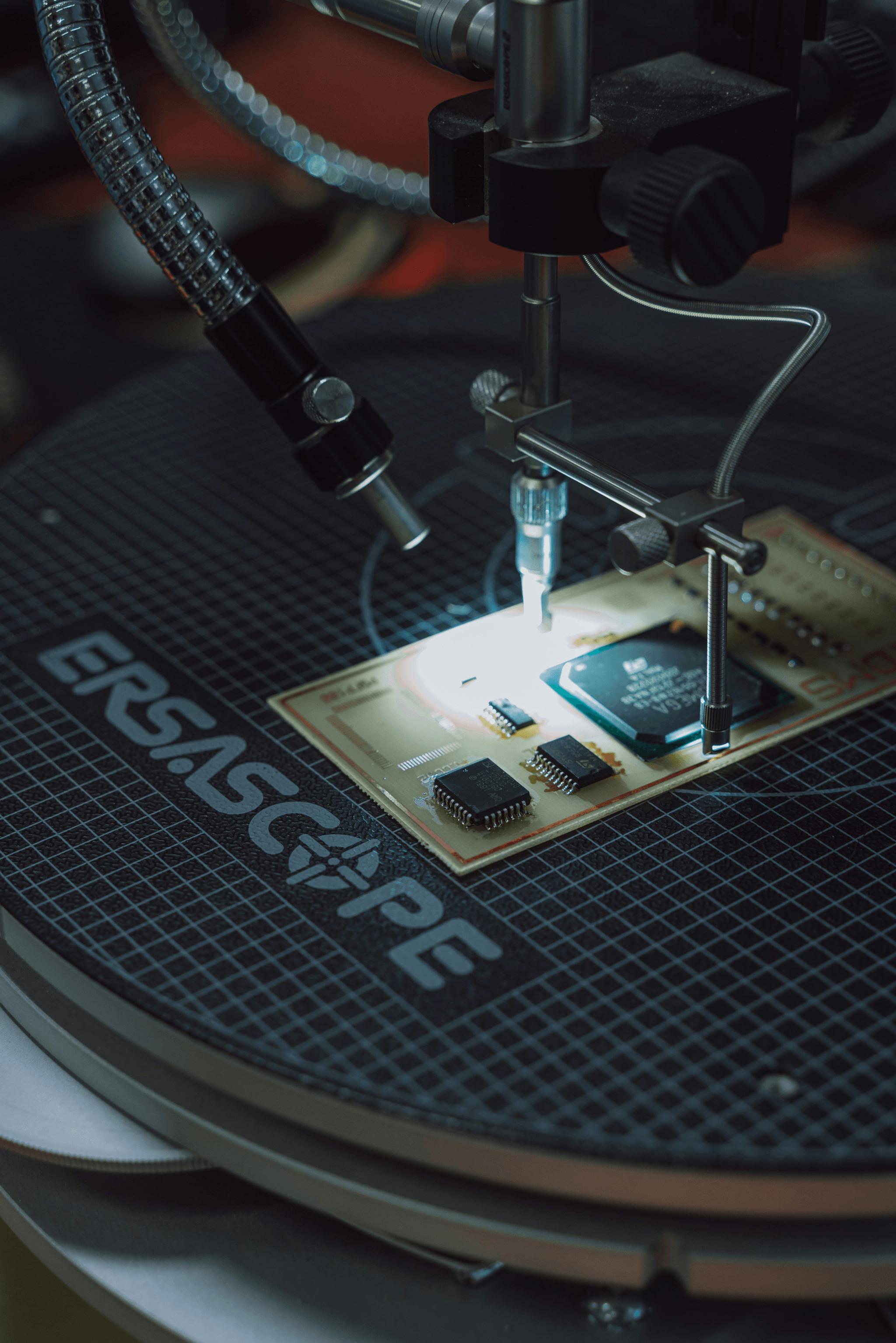
Understanding the value of your product is crucial when determining the appropriate Inspection Frequency. High-value goods demand more rigorous inspection plans because their worth justifies increased scrutiny, and a thorough review of your quality history with your supplier can reveal patterns that influence inspection needs. When you know how much your product is worth, you can better tailor your inspection efforts to ensure quality aligns with investment, minimizing risks of costly defects slipping through.
High-Value Goods and Their Inspection Needs
When dealing with high-value goods, Inspection Frequency should be elevated to safeguard your investment. These products often have complex components or sophisticated features that require detailed inspections to prevent costly failures down the line. Your quality history with your supplier plays a pivotal role here—if past inspections uncovered recurring issues, increasing Inspection Frequency makes sense to avoid future losses and protect the value of your product.
Cost-Benefit Analysis of Inspection Frequency
Balancing the costs and benefits of inspection involves weighing how much you invest in inspection against potential savings from avoiding defective products reaching customers. For high-value items, this analysis often favors more frequent inspections because the cost of failure outweighs inspection expenses. By evaluating your quality history with your supplier and considering the application of your product, you can determine if increasing Inspection Frequency provides a worthwhile return on investment, ensuring that quality control efforts are both effective and efficient.
Ensuring Investment in Quality Pays Off
Your customers' tolerance for quality issues varies depending on the product's value; high-end products typically demand stricter standards to meet expectations. Regularly assessing how well your inspections align with this tolerance—especially considering the complexity of your product—is essential for maintaining brand reputation and customer satisfaction. When you optimize Inspection Frequency based on these factors, you're making sure that every dollar spent on quality assurance pays off by delivering reliable, defect-free products that uphold their premium status.
Analyzing the Application and Usage of Your Product
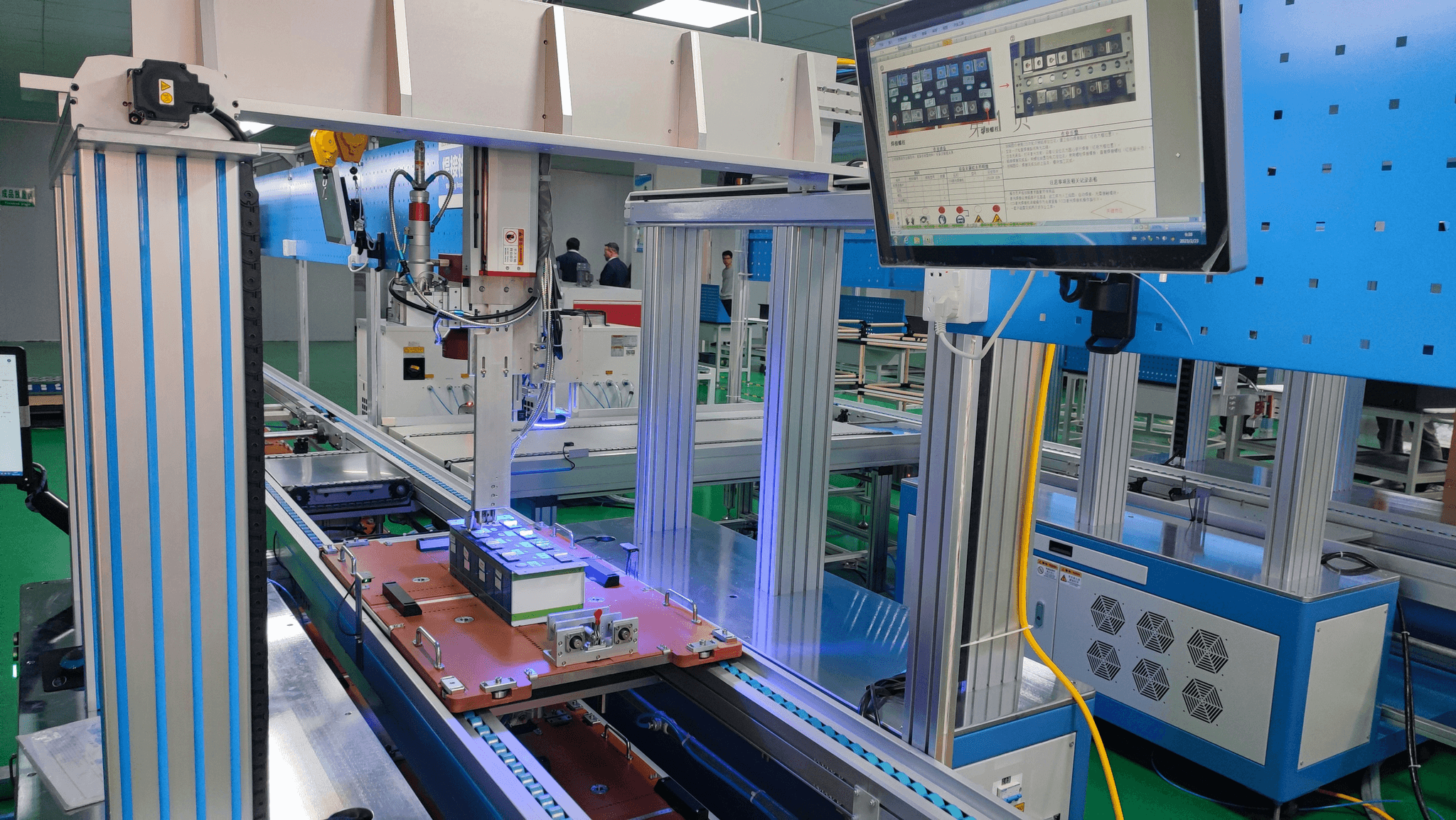
Understanding how your product will be used is a crucial step in determining the appropriate Inspection Frequency. The intended application influences not only how often inspections should occur but also the depth and focus of each check. Ignoring this can lead to either over-inspecting products that don’t need it or under-inspecting those that do, risking quality issues down the line.
The value of your product plays a significant role in shaping your inspection plan. High-value items demand a more rigorous approach, which often means increasing Inspection Frequency to safeguard your investment. Conversely, lower-value goods might justify a less frequent inspection schedule, especially if your quality history with your supplier has been consistently solid.
Your customers' tolerance for quality issues further impacts how you tailor inspection plans based on the application context. If your market expects flawless performance, then adjusting Inspection Frequency to meet these standards becomes critical. Balancing customer expectations with cost-effectiveness ensures you’re not over-inspecting while still maintaining high-quality standards.
Considering the Complexity of Your Product
When dealing with complex products, understanding how the components and assembly challenges influence your inspection frequency is crucial. The more intricate the product, the higher the likelihood of hidden defects slipping through if inspection isn’t tailored properly. Your quality history with your supplier plays a vital role here—if past inspections revealed issues in complexity, adjusting your inspection frequency becomes necessary to maintain product integrity.
Components and Assembly Challenges
Complex products often consist of numerous components that require precise assembly, which can make maintaining consistent quality a real challenge. These intricacies directly impact your inspection frequency because overlooked flaws in any part can compromise the entire product’s safety and performance. By analyzing your quality history with your supplier, you can identify recurring issues tied to specific components or assembly steps, helping you fine-tune how often inspections should occur to catch problems early.
Impact of Complexity on Inspection Depth
The more complex your product, the deeper and more detailed your inspections need to be—think of it as peeling an onion layer by layer. This increased depth influences inspection frequency because superficial checks might miss critical defects in intricate assemblies or delicate components. Evaluating the value of your product also comes into play; high-value items demand thorough inspections regardless of complexity but require even more frequent checks when their complexity increases.
Simplifying Inspection Schedules for Complex Products
While complexity can seem overwhelming, simplifying inspection schedules without sacrificing quality is achievable by leveraging insights from your application context and customer expectations. If your customers' tolerance for quality issues is low—say they expect flawless performance—you’ll want to increase inspection frequency accordingly. Balancing these factors ensures that even complex products meet industry standards while keeping inspection efforts efficient and cost-effective.
Understanding Your Customers' Tolerance for Quality Issues
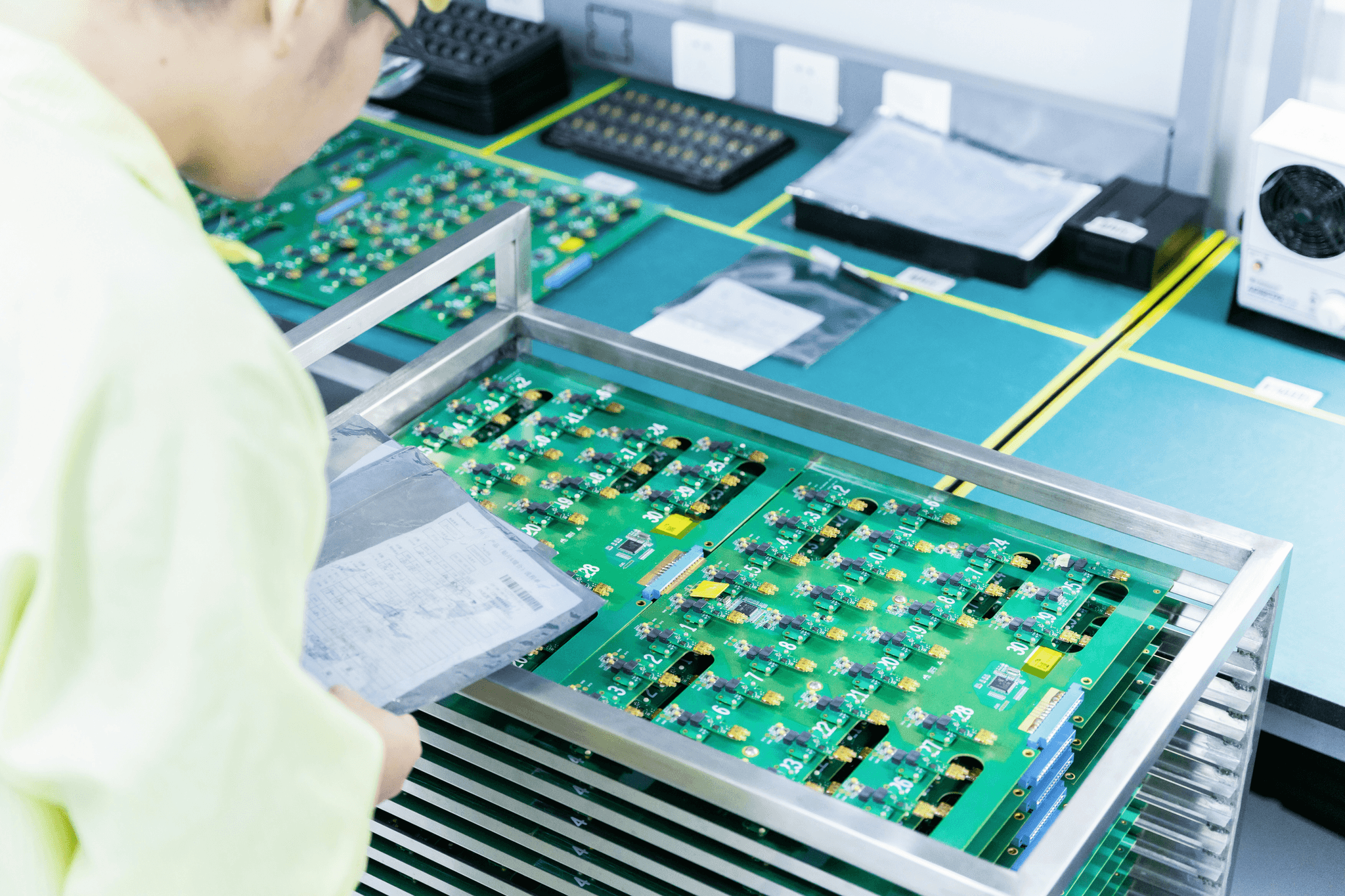
Knowing how much your customers are willing to accept when it comes to product quality is crucial in determining the right Inspection Frequency. If your market demands perfection, then a higher Inspection Frequency might be necessary, especially if your quality history with your supplier shows inconsistent results. Conversely, if your customers are more forgiving or your product’s value is lower, you might find that a less aggressive inspection schedule suffices.
Consumer Expectations and Market Demands
Your customers' tolerance for quality issues varies widely depending on industry standards and market expectations. For high-value products, such as electronics or luxury goods, consumers expect near-flawless quality, making Inspection Frequency a top priority. On the other hand, in markets where the application of your product is more utilitarian or budget-oriented, customer tolerance for minor defects decreases the pressure to inspect constantly.
Understanding these nuances helps you align your inspection plans with your overall business strategy. Your quality history with your supplier provides insight into whether current Inspection Frequency levels meet or exceed customer expectations. When product complexity increases or the application of your product becomes more critical, adjusting Inspection Frequency ensures you’re not risking customer satisfaction while managing costs effectively.
Balancing Inspection Frequency with Customer Satisfaction
Striking the right balance between Inspection Frequency and customer satisfaction requires careful consideration of how often issues arise versus how much they matter to end users. If past inspections reveal frequent defects impacting the application's performance or safety, increasing inspection efforts can safeguard customer trust and brand reputation. Conversely, over-inspecting—especially when dealing with less complex products—can inflate costs without proportional benefits.
Your value of the product plays a role here; premium items often justify higher Inspection Frequency because customers expect impeccable quality standards. When evaluating this balance, consider how your inspection routines align with industry standards and whether they reflect what customers are willing to accept based on their tolerance levels for quality issues.
Managing Risks of Quality Failures
The risk of a major quality failure can tarnish reputation faster than you can say recall, especially if it involves complex products or those used in critical applications. Your customers’ tolerance for quality issues influences how aggressively you should pursue inspections—more risk-averse markets demand higher Inspection Frequency regardless of past data trends.
By analyzing your quality history with your supplier alongside the application and complexity of your product, you can better predict potential failure points that could upset customer expectations. Adjusting Inspection Frequency accordingly helps manage these risks effectively—ensuring that even as market demands evolve, you're not caught off guard by unexpected defects that could damage trust and sales.
Conclusion
Fine-tuning your inspection frequency is the secret sauce to maintaining stellar product quality without breaking the bank. By customizing how often you inspect based on your quality history with your supplier, you can create a balanced approach that minimizes risks and maximizes value. Remember, the right inspection frequency isn't a one-size-fits-all—it’s a dynamic strategy that evolves with your product’s complexity and market demands.
Leveraging China Inspection Pro’s expertise turns this balancing act into a walk in the park. Their insights help you interpret your inspection data, consider the unique application of your product, and adapt inspection schedules accordingly. When you tap into their knowledge, you're better equipped to align inspection frequency with both your customers' tolerance for quality issues and the intricacies of your products.
Continuous monitoring and adjustment are key to staying ahead in quality management. As your product's complexity changes or as market expectations shift, revisiting your inspection frequency ensures ongoing success. Keeping an eye on how well inspections meet customer standards—and adjusting when needed—turns quality assurance into an ongoing competitive advantage.