
Introduction
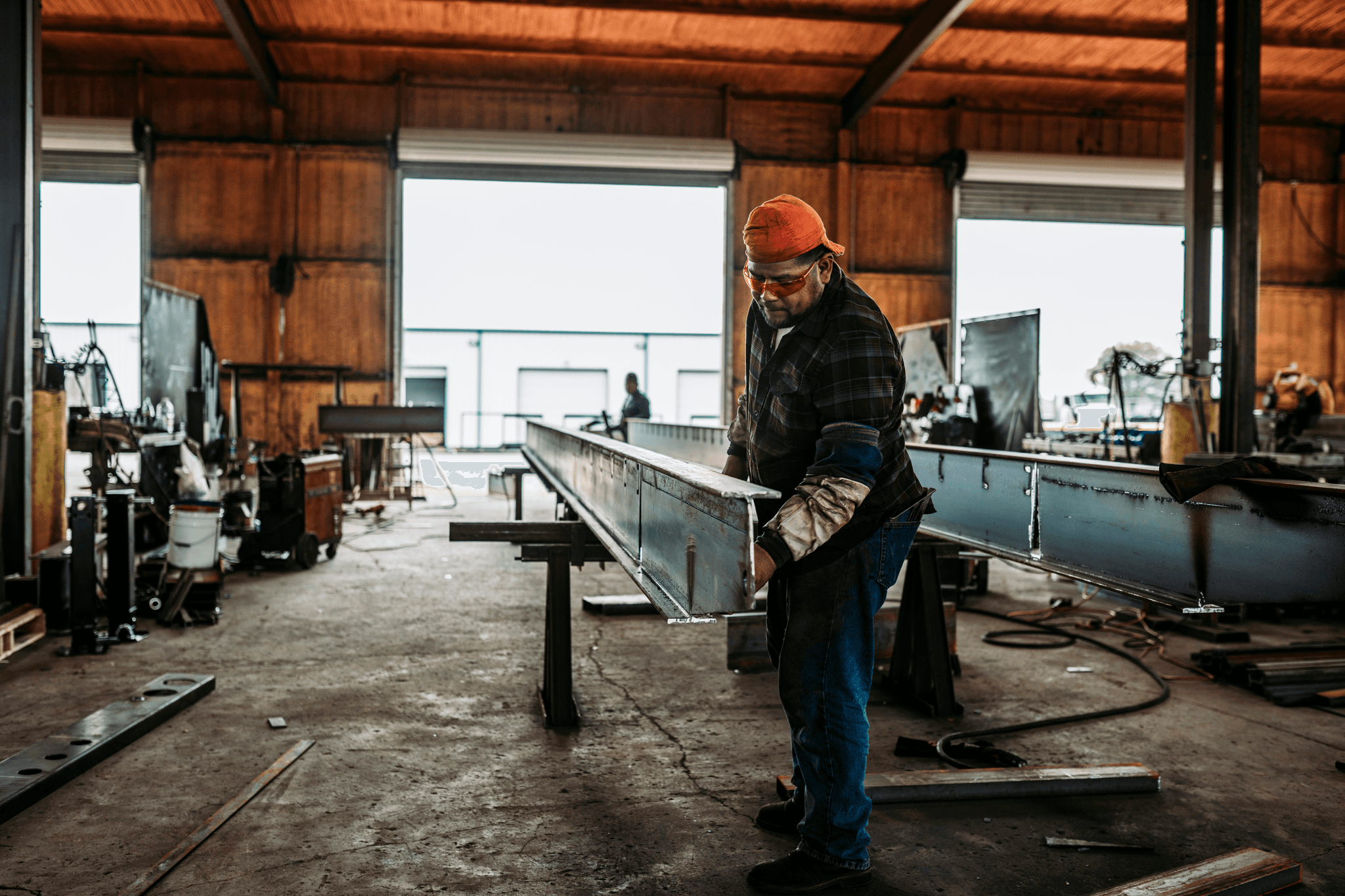
Steel structures are the backbone of modern construction, providing strength, durability, and safety for a variety of projects. Ensuring their integrity through thorough Steel Structure Inspection is essential for preventing costly failures and extending their lifespan. A comprehensive inspection process often involves a Third Party Inspection for Steel Structure, which adds an extra layer of credibility and objectivity to the evaluation.
One of the biggest challenges faced during Steel Structure Inspection is maintaining cleanliness and fit up of weld preparation, which directly impacts weld quality. Properly tacking up welds of good appearance before full welding ensures that the structure remains aligned and free from defects early on. Additionally, verifying that the welding process is approved and that welders are properly qualified helps prevent issues later in the project lifecycle.
Professional inspection services play a crucial role in ensuring structural integrity by meticulously documenting every step—using test coupons where necessary to verify weld quality—and confirming adherence to standards. These experts help identify potential issues early on, ensuring all aspects such as welding procedures are approved and that certification requirements are met before final acceptance.
Planning the Steel Structure Inspection Process
Kicking off a successful Steel Structure Inspection requires meticulous planning. This stage involves reviewing all relevant project specifications and standards to ensure the inspection aligns with industry benchmarks. A thorough understanding of these standards is crucial, especially when coordinating a Third Party Inspection for Steel Structure, as it guarantees impartiality and adherence to best practices throughout the process.
Once the standards are clear, scheduling a Third Party Inspection for Steel Structure becomes a top priority. Engaging an independent inspector helps catch potential issues early and provides an unbiased assessment of weld quality and structural integrity. Timing is key here; coordinating this inspection at optimal phases—such as after initial welding or before final coatings—ensures that critical elements like cleanliness and fit up of weld preparation are thoroughly evaluated.
Gathering essential inspection equipment and documentation forms the backbone of effective planning. This includes preparing tools for visual checks, ultrasonic testing, or radiography, depending on project needs. Additionally, compiling records such as welding procedures approved by standards, certifications verifying that welders are properly qualified, and test coupons compiled where necessary ensures that all data is readily available during inspections. Proper documentation streamlines communication with inspectors and supports compliance with safety regulations.
Initial Visual Inspection
The initial phase of Steel Structure Inspection is critical for catching obvious issues early on. During this step, inspectors focus on assessing the cleanliness and fit up of weld preparation, which ensures that the welding process approved by standards can be successfully executed. Properly evaluating these aspects helps prevent future complications and maintains the integrity of the overall structure.
A thorough visual check also involves verifying that tacking up welds are of good appearance, as these preliminary welds set the tone for quality work ahead. Tacking up welds of good appearance serve as a visual confirmation that the welding process approved has been followed correctly, reducing the risk of defects later in construction. This step is essential before proceeding to more advanced testing or third party inspection for steel structure.
Checking for visible defects and corrosion forms a vital part of this initial visual inspection. Any signs of corrosion or surface imperfections should be documented immediately to ensure they are addressed before further work continues. Regular inspections like these, carried out during third party inspection for steel structure, help maintain high standards and ensure safety throughout the project lifecycle.
Evaluating Welding Procedures and Qualifications
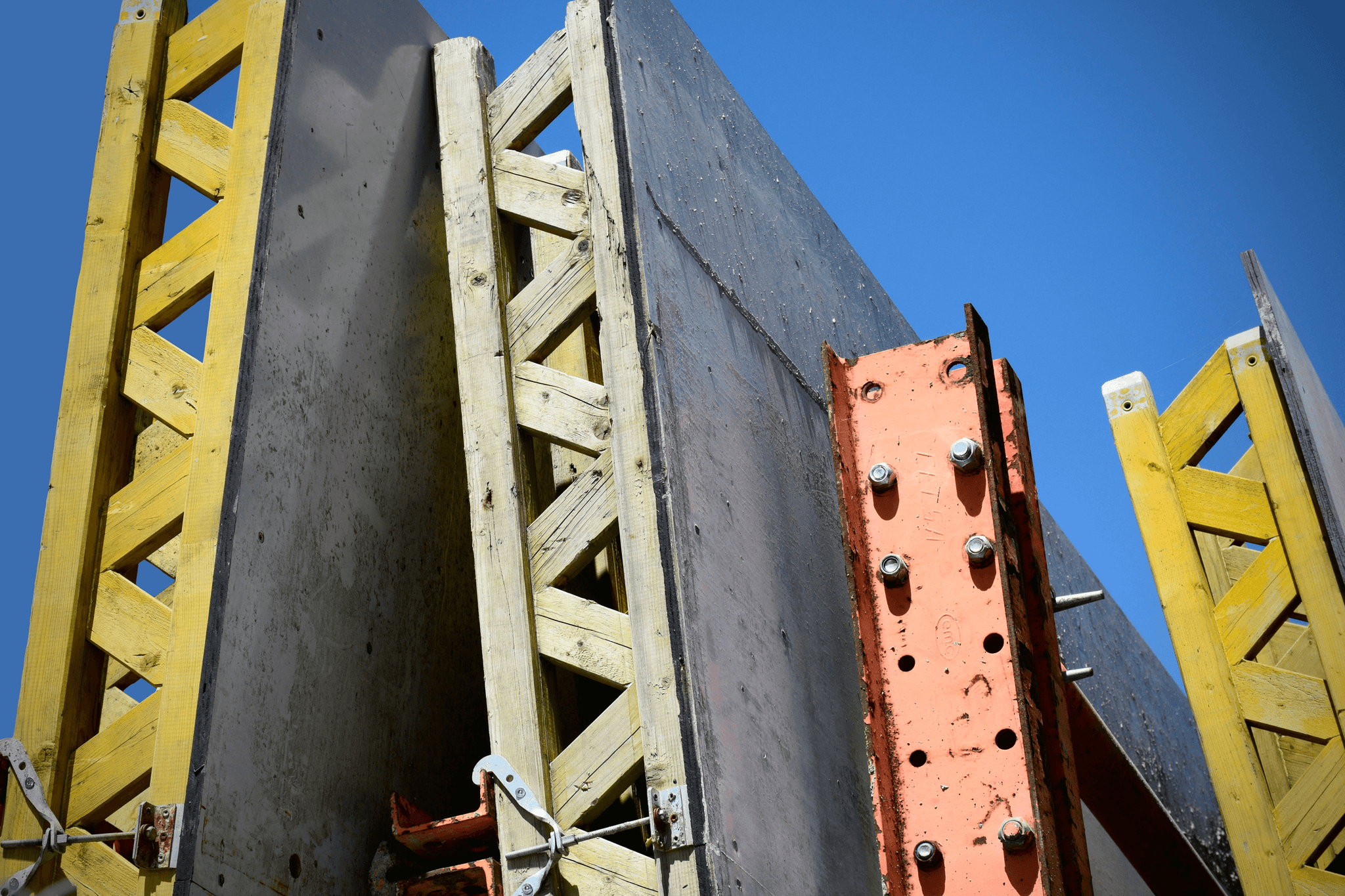
In the realm of Steel Structure Inspection, ensuring that welding procedures are properly approved is a critical step. During a Third Party Inspection for Steel Structure, inspectors verify that the welding process aligns with industry standards and project specifications. This helps prevent future issues related to weld quality and structural integrity, making it an essential part of the overall assessment.
Equally important is verifying that welders are properly qualified and certified before they begin work. A thorough review of welder certifications ensures they meet the necessary standards for the specific welding process approved for the project. This step guarantees that only competent personnel handle critical tasks, maintaining high-quality standards during Steel Structure Inspection.
Ensuring that welding equipment meets specifications is another vital aspect of evaluating welding procedures. Properly maintained and calibrated tools contribute to consistent weld quality, which can be confirmed during a Third Party Inspection for Steel Structure. When all equipment aligns with approved standards, it minimizes defects and enhances the safety and longevity of the structure.
During inspections, special attention is paid to cleanliness and fit up of weld preparation to facilitate effective welds. Tacking up welds of good appearance allows inspectors to assess initial joint quality before final welding, reducing errors later on. When these preliminary steps are correctly executed, subsequent welding processes become more reliable, reinforcing the importance of thorough evaluation in Steel Structure Inspection.
Test coupons are compiled where necessary to verify weld quality through non-destructive testing methods like ultrasonic or radiographic inspections. These samples provide tangible proof that the welding process meets all applicable standards and specifications. Incorporating test coupons into your inspection process ensures comprehensive documentation and confidence in structural integrity.
Conducting Non-Destructive Testing and Testing
Once the initial visual inspection confirms that the steel structure meets basic standards, the next step involves deploying non-destructive testing (NDT) methods to ensure internal quality and structural integrity. This phase is critical in a thorough Steel Structure Inspection, especially when third-party inspection for steel structure emphasizes unbiased results. Using ultrasonic or radiographic methods where necessary allows inspectors to detect hidden flaws such as cracks or voids that are not visible to the naked eye, thereby securing the safety and longevity of the structure.
Using Ultrasonic or Radiographic Methods Where Necessary
Ultrasonic testing (UT) and radiographic testing (RT) are often employed in Steel Structure Inspection to verify weld quality beyond surface appearances. These methods help confirm whether welding processes approved by industry standards have been correctly applied, ensuring welds are free from internal defects. When third-party inspection for steel structure is conducted, these advanced techniques provide an objective assessment of weld integrity, giving stakeholders confidence that all welding procedures were properly followed and welders properly qualified.
Collecting Test Coupons for Quality Verification
In some cases, collecting test coupons becomes an essential part of non-destructive testing during a Steel Structure Inspection. These small samples are taken from welded joints or critical areas to evaluate welding quality in a controlled environment later on. Test coupons compiled where necessary serve as tangible proof that welding procedures approved by standards were adhered to and that welders were properly qualified; these samples can be analyzed further to verify material properties and welding consistency before proceeding with construction.
Documenting and Analyzing Test Results
After conducting ultrasonic or radiographic tests and collecting test coupons where necessary, meticulous documentation is essential for comprehensive reporting during a Steel Structure Inspection. The results should be carefully analyzed to identify any deviations from project specifications or standards—such as issues related to cleanliness and fit up of weld preparation or tacking up welds of good appearance—so corrective actions can be recommended promptly. Proper documentation ensures transparency in third-party inspections for steel structures, ultimately supporting certification processes like those coordinated with China Inspection Pro.
Documenting and Reporting Findings
Effective documentation is the backbone of any thorough Steel Structure Inspection. It ensures that all observations, test results, and recommendations are clearly communicated to stakeholders. A well-compiled report not only highlights the current condition but also serves as a reference for future inspections and maintenance planning, especially when involving Third Party Inspection for Steel Structure.
Compiling a Comprehensive Inspection Report
The first step in documenting findings is to gather all relevant data collected during the inspection process. This includes detailed notes on the cleanliness and fit up of weld preparation, as well as records of tacking up welds of good appearance. Incorporating photographs and test coupons compiled where necessary helps provide visual evidence to support conclusions drawn during the inspection.
The report should systematically cover each inspection phase, from initial visual checks to non-destructive testing results. It’s crucial to verify that welding processes approved by standards were followed and that welders properly qualified for their tasks. Including details about equipment used and any deviations observed ensures transparency, especially when conducting Third Party Inspection for Steel Structure.
Highlighting Areas Needing Repair or Rework
Identifying areas requiring repair or rework is essential in maintaining structural integrity. During documentation, clearly mark sections where visible defects or corrosion were detected—these are often points of concern in Steel Structure Inspection. Emphasizing issues related to cleanliness and fit up of weld preparation can help prioritize repairs before further testing.
In addition, noting discrepancies such as improper welding procedures or unqualified welders can alert project managers to potential risks early on. When compiling these findings, referencing test coupons compiled where necessary provides concrete evidence supporting repair decisions—this bolsters confidence in the inspection process conducted by third-party services.
Providing Actionable Recommendations for Improvement
A detailed report should culminate with actionable recommendations tailored to address identified issues effectively. For instance, if welds show signs of poor appearance or defects, suggest re-welding following approved procedures with qualified personnel—ensuring compliance with standards is key in Steel Structure Inspection.
Encouraging routine third-party inspections can prevent overlooked flaws from escalating into costly repairs later on. Recommending periodic testing with test coupons compiled where necessary guarantees ongoing quality assurance; this proactive approach helps maintain safety and longevity of the structure while streamlining future inspections.
Final Review and Certification
The final stage of the Steel Structure Inspection process is crucial to ensure that all construction meets the highest safety and quality standards. During this phase, a thorough review confirms that every aspect of the inspection criteria has been satisfied, including cleanliness and fit up of weld preparation, proper tacking up welds of good appearance, and adherence to approved welding processes. Engaging a reputable third party inspection for steel structure adds an extra layer of confidence, verifying that all documentation and test results align with project specifications.
Ensuring All Inspection Criteria Are Met
In this critical step, inspectors meticulously verify that the steel structure complies with established standards by cross-checking the visual inspection findings against approved welding procedures. Confirming that welders are properly qualified and certified ensures each weld was performed correctly, while reviewing test coupons compiled where necessary provides tangible proof of material quality. This comprehensive review guarantees that every element—from cleanliness to weld integrity—meets the stringent requirements set forth in the initial planning stages.
Coordinating with China Inspection Pro for Certification
Partnering with China Inspection Pro streamlines the certification process by leveraging their expertise in third party inspection for steel structure projects. Their team carefully evaluates all documentation, including test coupons compiled where necessary, to validate compliance with international standards. Effective coordination ensures timely approval and certification, giving stakeholders peace of mind knowing that every aspect of steel structure inspection has been thoroughly vetted by professionals familiar with local regulations and global best practices.
Securing Final Acceptance and Sign-Off
Once all inspection criteria are met and certification is secured from China Inspection Pro, the project moves toward final acceptance and sign-off. This milestone signifies that the steel structure has successfully passed rigorous inspections—covering everything from visual assessments to non-destructive testing—and is ready for operational use. Securing final approval not only demonstrates compliance but also underscores a commitment to safety, durability, and quality assurance across every phase of construction.
Conclusion
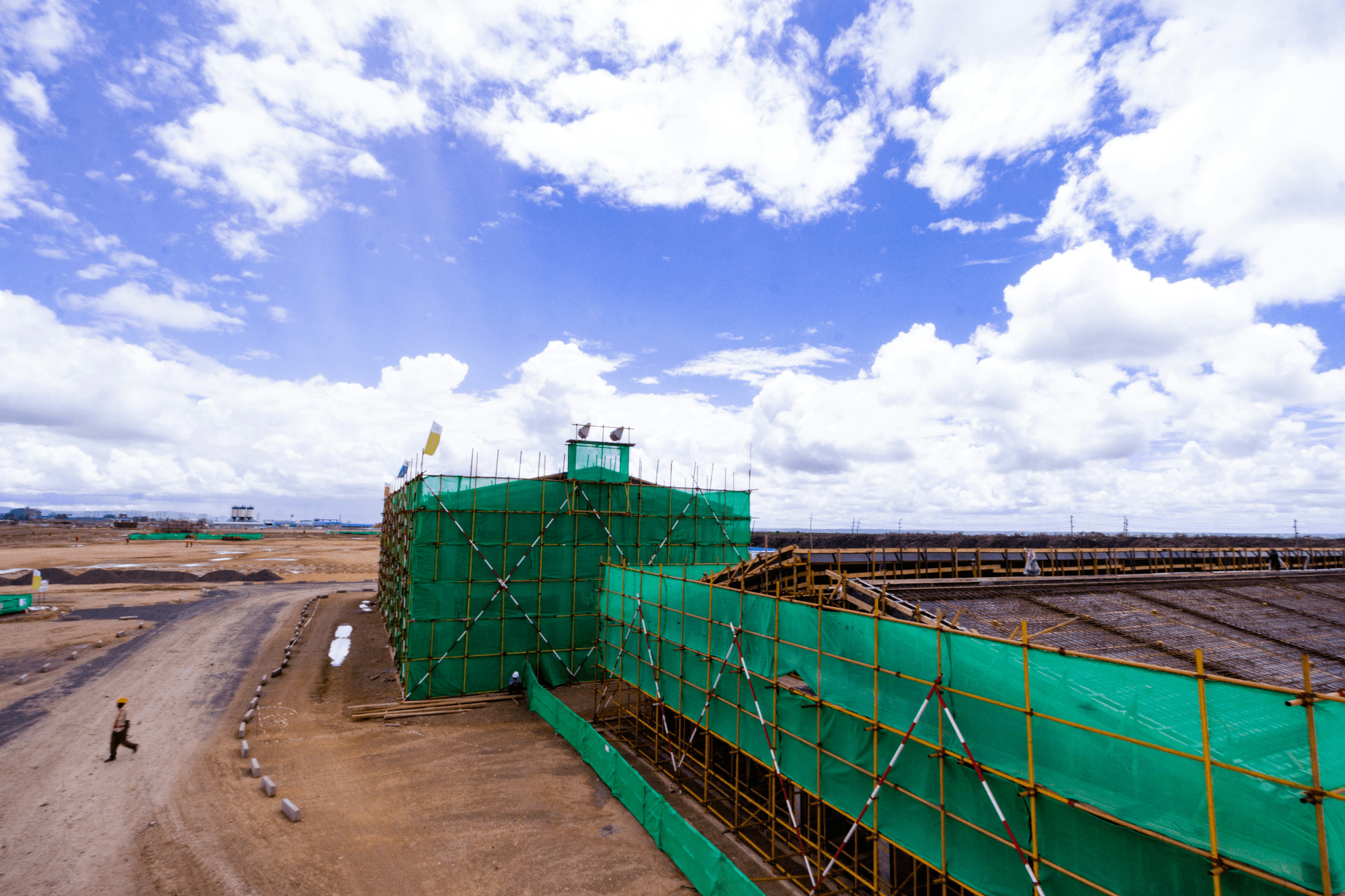
Regular Steel Structure Inspection is the backbone of ensuring safety, durability, and longevity in construction projects. By conducting thorough inspections, including third party inspection for steel structure, stakeholders can catch potential issues early before they escalate into costly failures. Staying vigilant with ongoing inspections helps maintain the integrity of the structure over time, saving money and lives alike.
China Inspection Pro plays a pivotal role in enhancing inspection accuracy through meticulous evaluation processes. Their expertise ensures that every aspect of Steel Structure Inspection—from verifying that welding process approved standards are met to confirming welders properly qualified—is thoroughly checked. Incorporating test coupons compiled where necessary adds an extra layer of confidence that the entire process adheres to strict quality controls.
Moving forward with confidence in structural integrity requires embracing regular inspections and leveraging professional services like China Inspection Pro. This proactive approach guarantees that cleanliness and fit up of weld preparation are maintained at high standards, tacking up welds of good appearance are scrutinized, and all welding procedures are approved by relevant standards. With these measures in place, project owners can confidently trust their structures will stand strong for decades to come.