
Introduction
In today's fast-paced manufacturing environment, ensuring quality and compliance is more critical than ever. Third-party inspection has emerged as a crucial component in this process, acting as a safeguard to verify that products meet industry standards and regulatory requirements. By employing third-party inspection services, companies can enhance their credibility and build trust with stakeholders.
Understanding Third-Party Inspection
Third-party inspection refers to an unbiased evaluation conducted by an independent organization to assess the quality of products, processes, or systems. This type of inspection is particularly vital in industries like construction, where footing inspections and on-site evaluations can make or break a project’s success. Engaging third-party home inspection services not only assures compliance but also provides manufacturers with valuable insights into their operations.
The Importance of Compliance
Compliance with industry regulations is not just about avoiding fines; it’s about fostering a culture of quality that resonates throughout the entire supply chain. In many cases, statewide inspections are mandated to ensure that factories adhere to safety standards and environmental regulations. Failure to comply can lead to severe repercussions, including legal action and damage to a company’s reputation—making third-party inspections indispensable in maintaining high standards.
Common Factory Concerns
Despite the clear benefits of third-party inspections, many factories express concerns about external evaluations disrupting their operations or revealing shortcomings. These worries often stem from misconceptions about the purpose of inspections; rather than being punitive, they are designed to identify areas for improvement and ensure quality assurance. Addressing these common factory concerns head-on is essential for fostering collaboration between manufacturers and inspectors.
Recognizing Factory Resistance
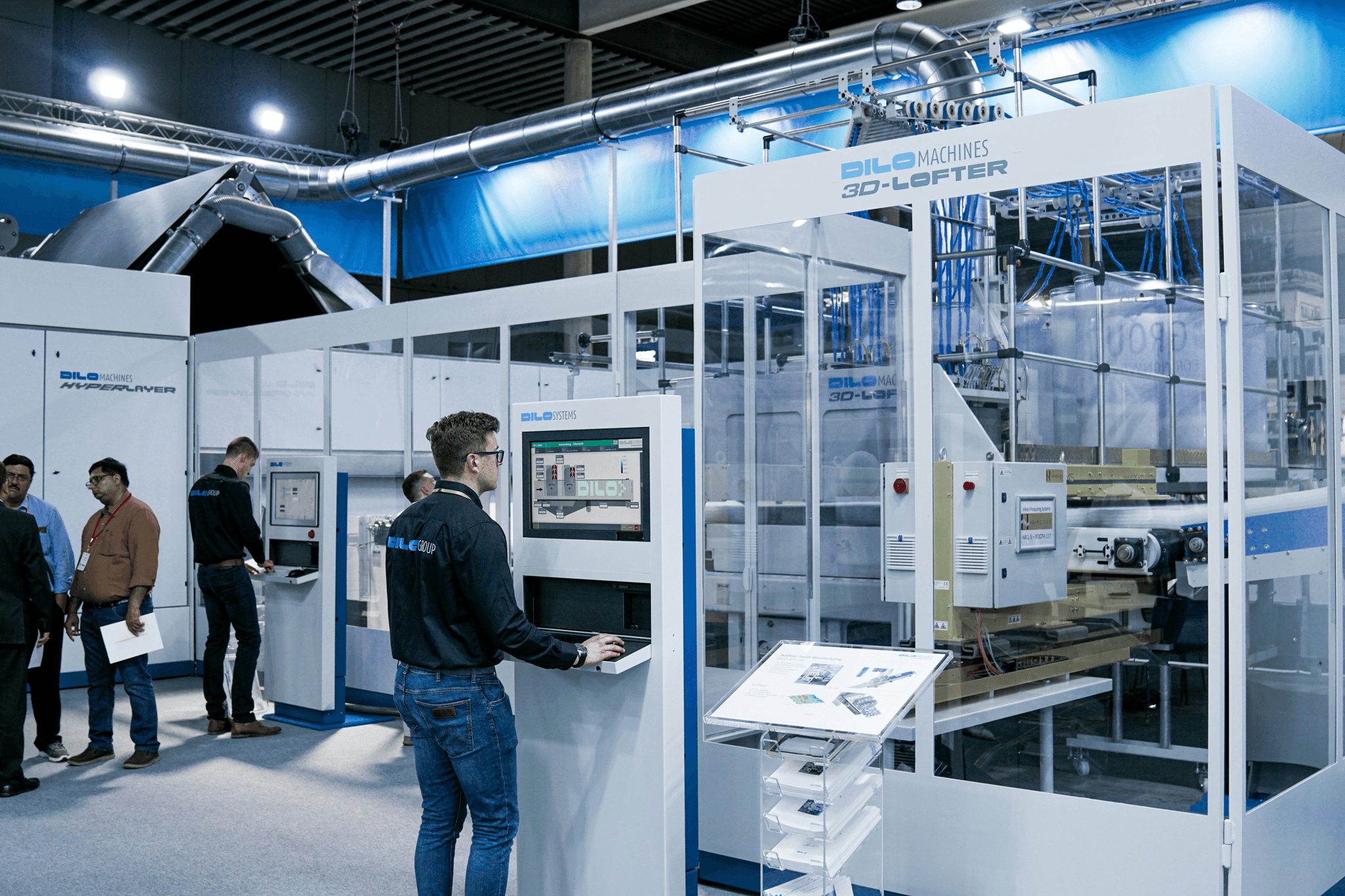
Navigating the landscape of third-party inspections can be a tricky endeavor, especially when faced with factory resistance. Understanding the signs of this resistance is crucial for ensuring effective inspection processes. By identifying these red flags early on, stakeholders can address concerns proactively and foster a more cooperative atmosphere.
Identifying Red Flags
When it comes to third-party inspections, certain behaviors can signal underlying resistance from factories. For instance, if management frequently reschedules or postpones inspections without valid reasons, it could indicate reluctance to comply with third-party inspection protocols. Additionally, a lack of transparency in documentation or communication can be a significant red flag that suggests the factory may not be fully committed to meeting compliance standards.
Another indication might be the presence of limited cooperation during onsite inspections; if staff members are unresponsive or reluctant to provide necessary access for footing inspection or other evaluations, it raises concerns about their willingness to engage in the process. Furthermore, factories that resist open dialogue about compliance requirements may harbor fears regarding what these inspections entail and how they might affect their operations. Recognizing these signs early allows stakeholders to address issues before they escalate into larger problems.
Factors Behind Resistance
Understanding why factories resist third-party inspections is key to overcoming obstacles in the inspection process. Often, this resistance stems from fear—fear of potential findings that could lead to costly rework or damage their reputation in competitive markets. Many factory managers worry that third-party home inspection results might expose deficiencies they’re trying hard to hide rather than improve upon.
Additionally, there may be misconceptions about what third-party inspection services entail; some factories believe these inspections are merely punitive rather than beneficial opportunities for growth and improvement. Economic pressures also play a role; when margins are tight, management may prioritize immediate production goals over long-term quality assurance measures like statewide inspections and construction inspection protocols. Understanding these factors helps create tailored strategies that address specific concerns while promoting collaboration.
The Impact on Third-Party Inspections
Factory resistance significantly impacts the efficacy of third-party inspections and overall product quality assurance processes. When factories are uncooperative or defensive during an inspection on site, inspectors may miss critical issues that could compromise safety or quality standards later on down the line—issues that would otherwise have been identified through thorough scrutiny during footing inspections and other evaluations.
Moreover, persistent resistance can lead to delays in project timelines due to repeated attempts at scheduling and rescheduling necessary assessments by independent inspectors—a situation no one wants! If factories perceive third-party inspectors as adversaries rather than partners in quality assurance efforts, it undermines trust and cooperation essential for successful outcomes in any construction project involving extensive oversight by external parties.
Communicating Effectively

Effective communication is the cornerstone of successful third-party inspections. It not only helps in building trust but also ensures that all parties involved understand the necessity and benefits of these inspections. By fostering an environment of open dialogue, factories can overcome resistance and embrace compliance.
Building Trust with Factory Management
Building trust with factory management is crucial for a smooth inspection process. This involves establishing a rapport that allows for honest discussions about the benefits of third-party inspection services. When factory management sees you as a partner rather than just an inspector, they're more likely to cooperate during inspections, whether it's a construction inspection or a footing inspection.
To create this trust, it’s essential to engage in consistent communication and show genuine interest in their operations. Share success stories from past inspections to illustrate how third-party inspections have led to improved quality and compliance. Demonstrating commitment to their goals can turn skepticism into collaboration, making the entire process more effective.
Moreover, transparency is key; sharing your methodologies and explaining what happens during an inspection on site can alleviate fears and uncertainties. When factory management understands that third-party home inspections are designed to enhance their reputation rather than hinder their operations, they’re more likely to welcome your expertise.
Articulating the Benefits of Inspection
Articulating the benefits of third-party inspection is essential in addressing any doubts factory management may have. These benefits extend beyond mere compliance; they include enhanced product quality, reduced risks, and improved customer satisfaction. By emphasizing how statewide inspection standards help maintain industry credibility, you can make a compelling case for embracing these practices.
Highlighting specific advantages like cost savings from avoiding defects or recalls can resonate strongly with factory owners focused on their bottom line. Additionally, mentioning that regular construction inspections lead to fewer delays can further persuade them of the value added by third-party services. When factories recognize that these inspections are investments rather than expenses, resistance often diminishes significantly.
Furthermore, addressing how thorough footing inspections contribute to safer working environments adds another layer of appeal—everyone wants a safe workplace! By connecting these dots clearly and effectively, you make it easier for factory management to see why they should prioritize compliance through collaboration with third-party inspectors.
Addressing Misconceptions
Misconceptions about third-party inspection services abound in many factories; addressing them head-on is vital for fostering cooperation. Some may view these services as unnecessary hurdles or even as threats to their autonomy—this couldn’t be further from the truth! Clarifying that independent inspectors are there to support quality assurance rather than undermine operations can shift perceptions dramatically.
Another common misconception is that third-party home inspections are only relevant when issues arise or when products fail testing standards; however, proactive engagement through regular statewide inspection helps prevent such problems before they escalate into costly disasters! Emphasizing preventative measures highlights the true value of ongoing compliance efforts within manufacturing processes.
Additionally, educating factory personnel about how thorough construction inspections contribute not only to regulatory adherence but also enhance overall operational efficiency will mitigate fears surrounding external oversight. By breaking down these misconceptions into easily digestible pieces of information and engaging all stakeholders in this dialogue, factories will begin viewing third-party inspectors as valuable allies rather than adversaries.
Legal and Regulatory Framework
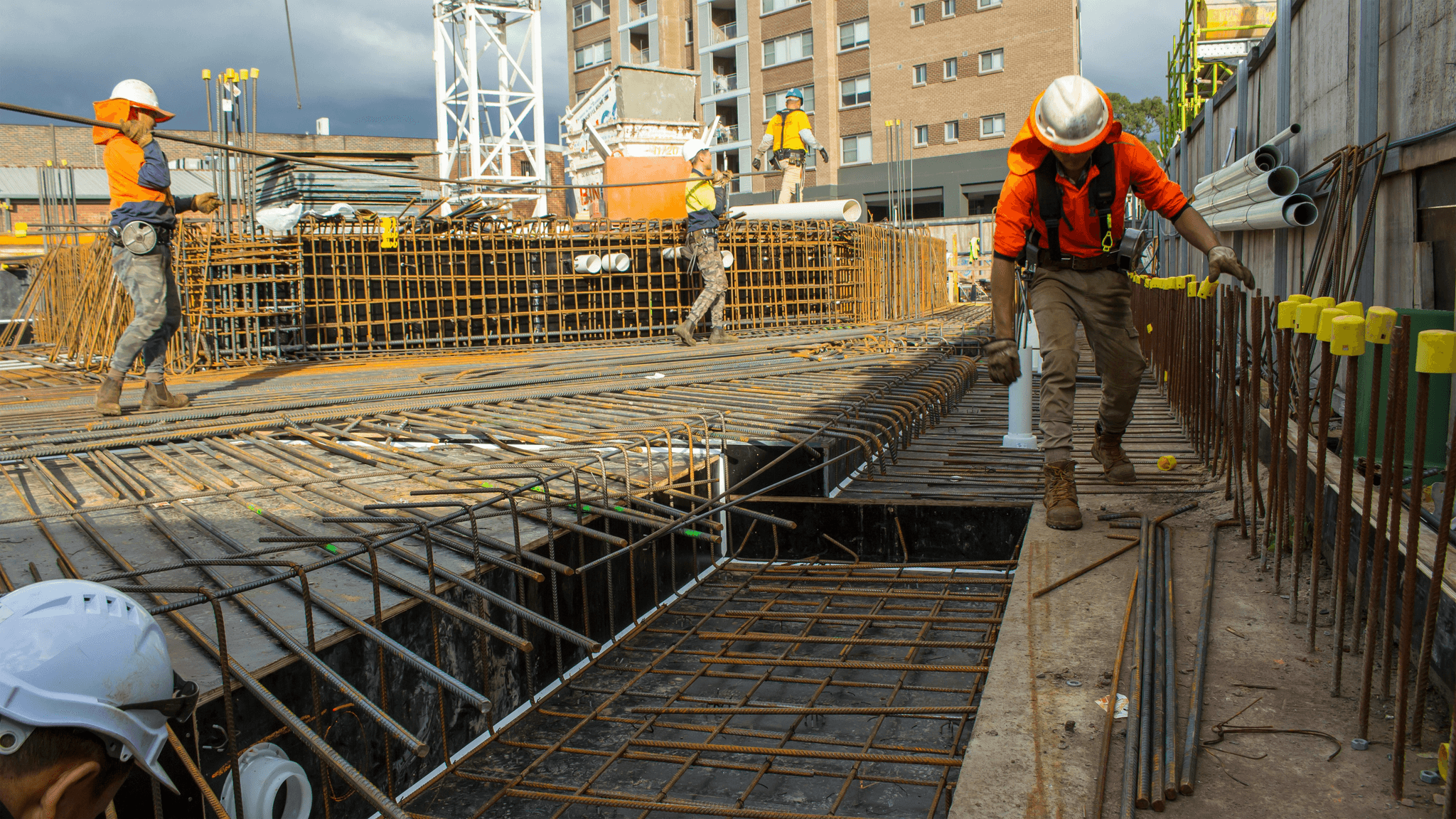
Navigating the complex world of legal and regulatory frameworks is crucial for ensuring compliance in any industry. Third-party inspection services play a vital role in aligning with industry standards, which can vary widely from construction to manufacturing. Understanding these standards is essential for businesses looking to maintain quality while meeting legal requirements.
Insight into Industry Standards
Industry standards are the backbone of any successful third-party inspection process. They provide guidelines that ensure products and services meet specific safety, quality, and performance criteria. In construction inspection, for example, adherence to these standards ensures that structures are safe and reliable, preventing costly mistakes down the line.
Moreover, statewide inspection regulations often dictate how inspections should be conducted, including what needs to be inspected during footing inspections or other critical stages of a project. By familiarizing themselves with these standards, factories can better prepare for third-party home inspections and avoid potential pitfalls. Ultimately, understanding industry standards fosters a culture of quality that benefits everyone involved.
Navigating Compliance Requirements
Compliance requirements can feel like navigating a labyrinth; however, they are essential for maintaining operational integrity. Businesses must understand both local and international regulations applicable to their sector—especially when it comes to third-party inspection services. For instance, specific compliance mandates may arise during an inspection on site that could affect timelines or budgets.
It's important to note that compliance isn’t just about avoiding penalties; it’s also about building trust with consumers who increasingly demand transparency in manufacturing practices. By engaging with third-party inspection companies knowledgeable about compliance requirements, factories can streamline their processes and ensure they meet all necessary guidelines efficiently. This proactive approach reduces the risk of non-compliance issues down the road.
The Role of Third-Party Inspection Services
Third-party inspection services act as impartial watchdogs in various industries by providing unbiased assessments of products and processes. Their role extends beyond mere oversight; they help identify potential issues early on—be it during footing inspections or general quality checks—which saves time and money for manufacturers and builders alike.
Additionally, these services offer specialized knowledge tailored to specific sectors such as construction or manufacturing, ensuring adherence to industry standards throughout the entire process—from initial design through final delivery. By leveraging expert support from third-party inspectors during inspections on site or at factories worldwide, companies not only comply with regulations but also improve their overall product quality significantly.
Creating a Collaborative Approach

Creating a collaborative approach is essential for successful third-party inspections. By fostering an environment of cooperation, all parties involved can work together to ensure that compliance and quality standards are met. This collaboration not only enhances the inspection process but also builds lasting relationships between factories and inspection services.
Engaging in Open Dialogue
Engaging in open dialogue is the cornerstone of effective collaboration during third-party inspections. Factories often have concerns about compliance, costs, and disruptions caused by the inspection process; addressing these openly can alleviate anxiety. When factory management feels heard, they are more likely to embrace third-party inspection services as valuable allies rather than obstacles.
Moreover, regular communication helps clarify expectations regarding statewide inspections and specific requirements such as footing inspections or construction inspections. This transparency creates a platform for sharing insights, which can lead to improved practices and enhanced trust between all stakeholders involved in the inspection on site. Ultimately, open dialogue paves the way for smoother processes and better outcomes.
Encouraging Participation from All Stakeholders
Encouraging participation from all stakeholders is crucial for successful third-party home inspections. Involving everyone—from factory management to workers—ensures that diverse perspectives are considered when discussing compliance issues or potential improvements. When everyone has a voice in the process, it fosters a sense of ownership that leads to greater commitment to quality standards.
Stakeholder engagement can take many forms: workshops, feedback sessions, or even informal gatherings where everyone shares their thoughts on how third-party inspection services could be optimized. By encouraging such participation, factories not only benefit from varied insights but also create an inclusive culture that values each person's input during the inspection process. This collective effort ultimately leads to more effective solutions tailored to meet mutual goals.
Developing Mutual Goals
Developing mutual goals helps align interests among factories and third-party inspectors alike. By establishing shared objectives—such as improving product quality or ensuring safety compliance—both parties can focus their efforts on what truly matters: delivering safe and reliable products to consumers while minimizing risks associated with non-compliance during construction inspections or other areas requiring oversight.
Setting these goals collaboratively makes it easier for both sides to understand each other's priorities and challenges related to third-party inspection processes. Regularly revisiting these objectives ensures they remain relevant as conditions change over time—be it new regulations or evolving market demands—and allows stakeholders to adapt accordingly without losing sight of their shared vision for success in quality assurance initiatives like footing inspections or statewide inspections.
Leveraging Expert Support
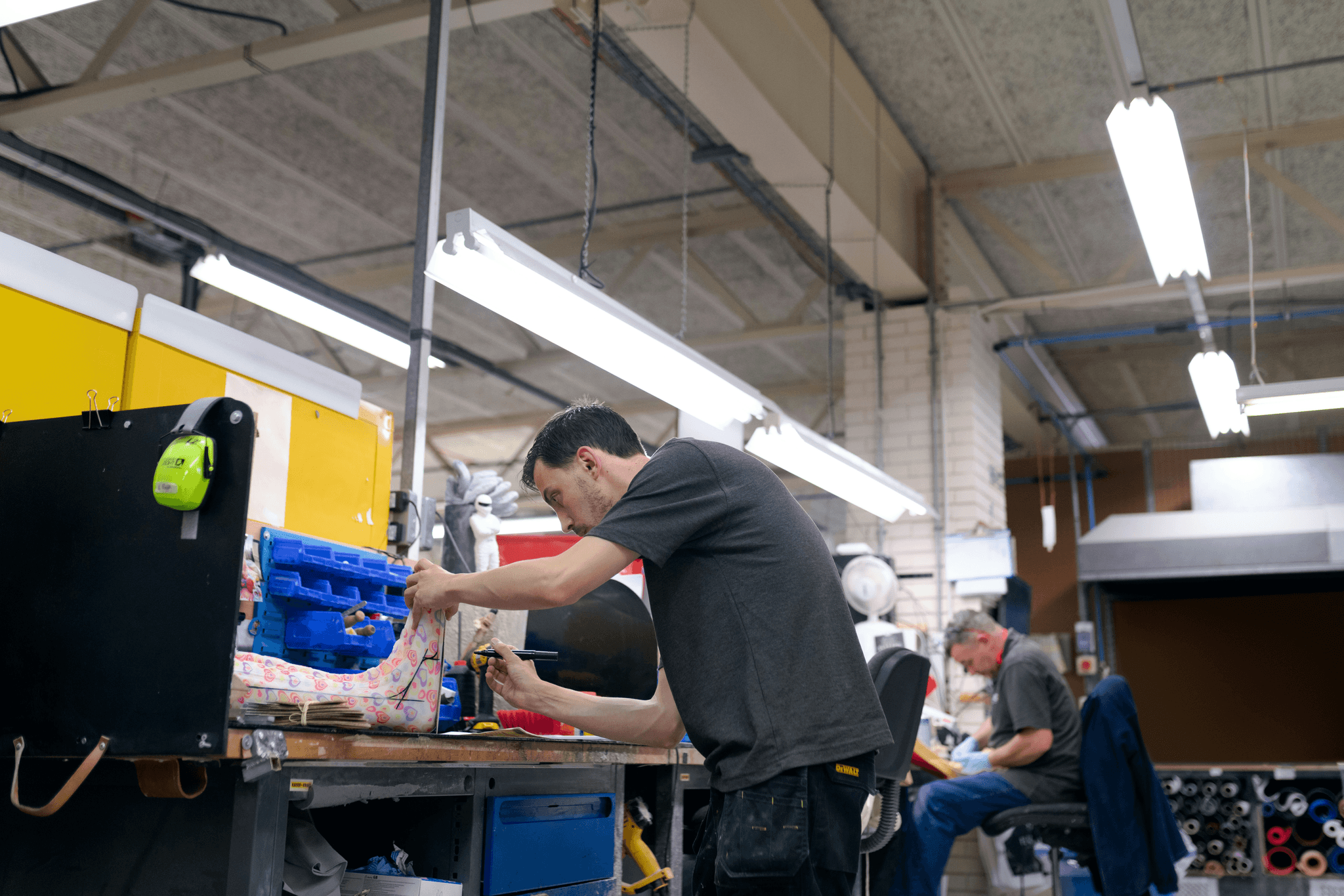
In the realm of third-party inspection, having expert support can make all the difference. Companies like China Inspection Pro specialize in providing comprehensive third-party inspection services that ensure compliance and quality control across various industries. Their expertise streamlines the inspection process, making it easier for factories to navigate the complexities of compliance while maintaining high standards.
The Role of Companies Like China Inspection Pro
China Inspection Pro is a prime example of how specialized companies can enhance third-party inspections. They offer a range of services, from construction inspection to footing inspections, ensuring that every aspect meets industry standards. By utilizing their extensive network and knowledge base, factories can avoid costly mistakes and improve their overall operational efficiency through effective third-party inspection.
Accessing Specialized Knowledge and Resources
One significant advantage of partnering with experts is access to specialized knowledge and resources that may not be available in-house. Third-party home inspection experts bring insights into best practices, industry trends, and regulatory requirements that are crucial for compliance success. This depth of understanding allows factories to implement necessary changes swiftly while minimizing resistance during inspections.
Benefits of Professional Guidance
Engaging with professional guidance offers numerous benefits beyond mere compliance; it fosters a culture of quality assurance within factories. When businesses invest in third-party inspection services, they not only elevate their operational standards but also build trust with stakeholders by demonstrating commitment to quality control measures. Ultimately, this collaborative approach enhances product reliability and boosts consumer confidence in the marketplace.
Conclusion
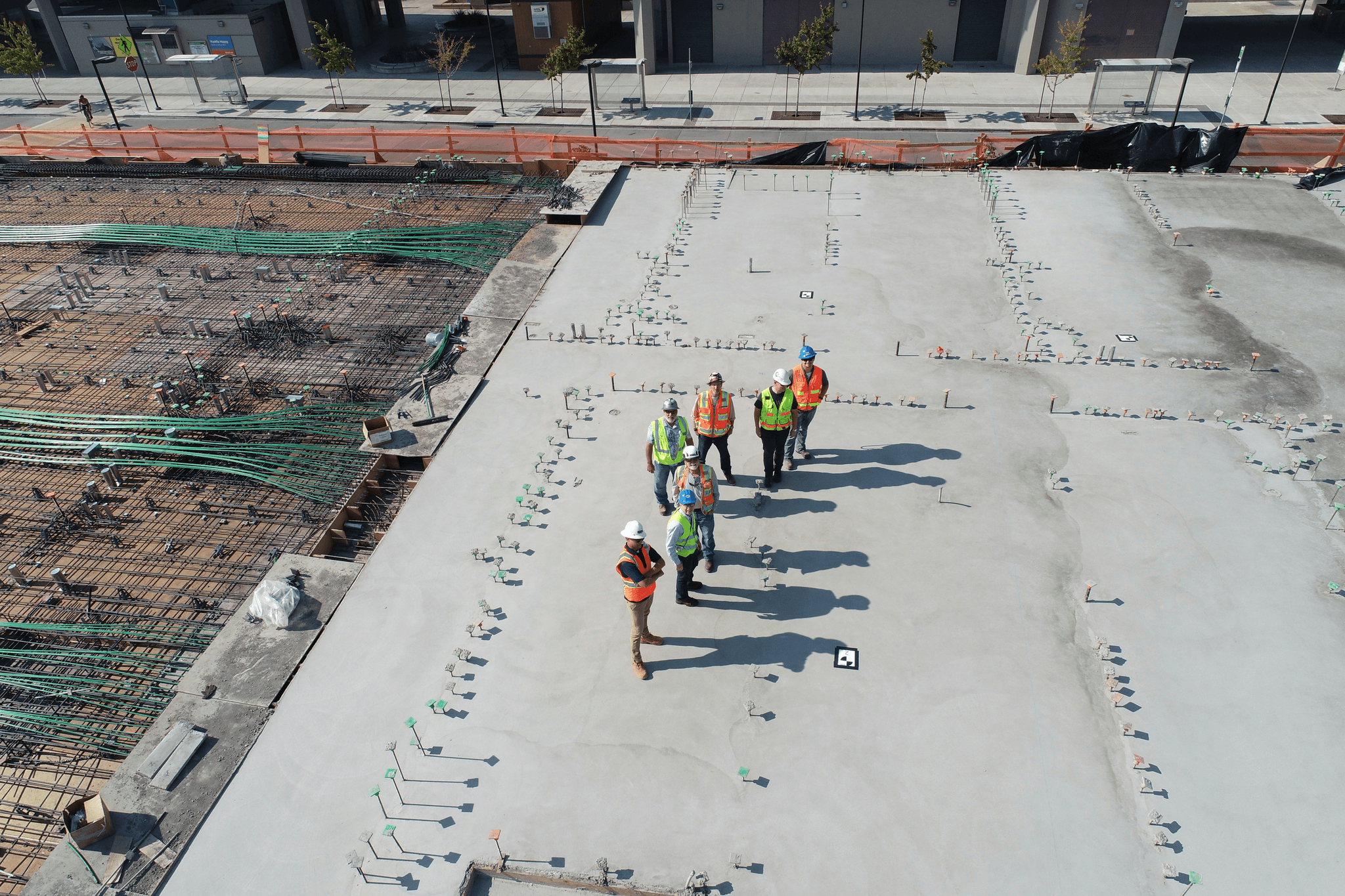
In the realm of manufacturing and construction, the importance of third-party inspection cannot be overstated. It serves as a crucial mechanism for ensuring compliance, quality, and safety. As industries evolve, so must our strategies to overcome resistance from factories and stakeholders who may be hesitant about these inspections.
Strategies for Overcoming Resistance
To effectively tackle resistance to third-party inspection, it's vital to identify the underlying concerns that factories may have regarding statewide inspections or construction inspections. Open communication is key; engaging in discussions that address their fears can help demystify the process. By showcasing real-world examples where footing inspections led to significant improvements in quality and safety, we can shift perceptions and foster a more collaborative environment.
Moreover, emphasizing the benefits of third-party inspection services is essential in overcoming objections. Factories often worry about costs or disruptions; however, highlighting how thorough inspections can prevent costly errors down the line can change minds. Ultimately, it’s about creating a culture where inspection on site is viewed as an ally rather than an adversary.
Ensuring Quality Through Collaboration
Collaboration between factory management and third-party inspectors is fundamental for ensuring quality outcomes in any project. By working together toward mutual goals, all stakeholders can benefit from improved processes and enhanced product quality. This partnership approach not only streamlines operations but also builds trust among teams who previously might have been at odds.
Encouraging participation from all levels within a factory helps cultivate an environment where everyone feels invested in the success of third-party home inspection initiatives. When employees understand how their roles contribute to overall compliance and safety standards, they become more engaged participants rather than passive observers. Together, we can create a culture of continuous improvement that prioritizes quality above all else.
The Future of Third-Party Inspections
Looking ahead, the future of third-party inspections appears promising yet challenging as industries adapt to new regulations and technologies. As businesses increasingly recognize the value of comprehensive inspections—whether through construction inspection or specialized footing inspection—the demand for reliable third-party services will continue to grow. Embracing innovative solutions will be key in enhancing efficiency while maintaining rigorous compliance standards.
The integration of technology into third-party inspection processes offers exciting possibilities for real-time monitoring and data analysis that were previously unimaginable. This evolution will empower stakeholders with insights needed to make informed decisions quickly while minimizing risks associated with non-compliance or poor-quality products. As we move forward into this new era of collaboration in third-party inspection services, one thing remains clear: fostering strong relationships among all parties involved will be paramount for success.