
Introduction
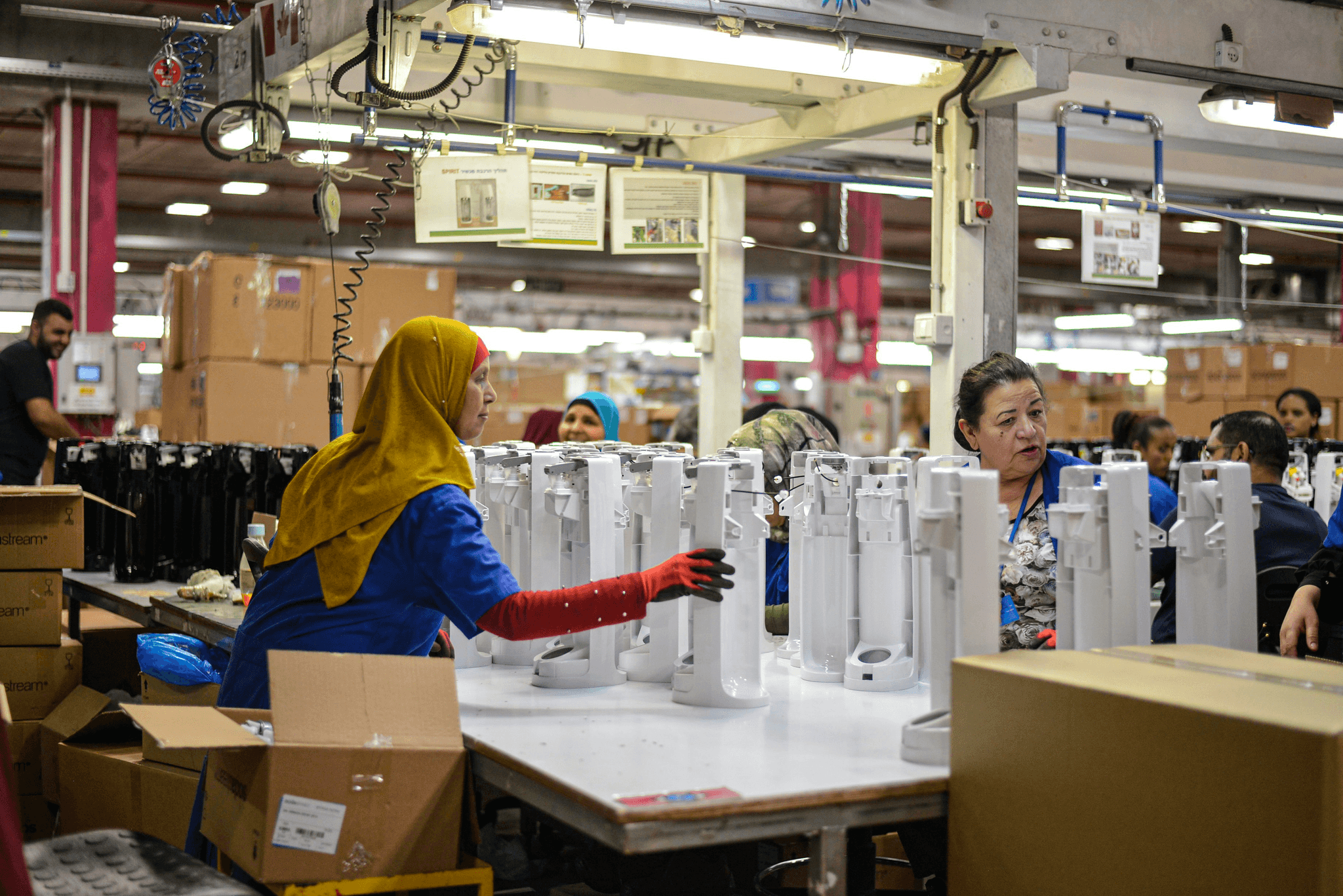
In the fast-paced world of manufacturing, maintaining quality and efficiency is paramount. This is where During Production Inspection (DPI) steps in as a crucial component of the production process. By ensuring that products meet specific standards throughout their creation, DPI plays a vital role in bolstering overall product quality and minimizing defects.
Understanding During Production Inspection
During Production Inspection refers to the systematic evaluation of products while they are being manufactured. This proactive approach allows manufacturers to identify issues early on, rather than waiting until the final inspection stage. Understanding DPI means recognizing its importance in maintaining consistent quality and addressing potential problems before they escalate.
Significance of DPI in Manufacturing
The significance of DPI in manufacturing cannot be overstated; it serves as a safeguard against defects and ensures that products meet both quality standards and customer expectations. By implementing During Production Inspection, manufacturers can enhance supplier accountability and foster trust with their clients. Ultimately, this leads to improved brand reputation and customer satisfaction.
Key Stages of the DPI Process
The key stages of the DPI process include pre-inspection preparation, on-site inspections, documentation, and reporting results back to relevant stakeholders. Each stage plays a critical role in ensuring that inspections are thorough and effective at identifying any issues early on. By understanding these stages, manufacturers can better align their production schedules with inspection timelines for optimal results.
What Are the Objectives of During Production Inspection?
During Production Inspection (DPI) serves several critical objectives that are essential for maintaining high standards in manufacturing. Understanding these objectives can help stakeholders appreciate the value DPI brings to the production process. By focusing on ensuring product quality, reducing risks and defects, and enhancing supplier accountability, organizations can significantly improve their manufacturing outcomes.
Ensuring Product Quality
One of the primary objectives of During Production Inspection is to ensure product quality throughout the manufacturing process. DPI allows inspectors to evaluate products against predefined specifications and standards at various stages of production. This proactive approach helps identify any deviations early, ensuring that only products meeting quality benchmarks reach consumers.
Regular checks during production also foster a culture of quality within manufacturing teams. When workers know inspections will occur, they are more likely to adhere to quality protocols diligently. Ultimately, ensuring product quality through DPI not only satisfies customers but also strengthens brand loyalty.
Reducing Risks and Defects
Reducing risks and defects is another crucial objective of During Production Inspection that cannot be overlooked. By identifying potential issues early in the production cycle, companies can mitigate the risk of producing defective goods that could lead to costly recalls or customer dissatisfaction later on. DPI acts as a safety net, catching problems before they escalate into larger concerns.
Moreover, reducing risks through effective inspection processes helps manufacturers avoid financial losses associated with rework or scrap materials. This aspect is vital in today's competitive market where profit margins are often tight and every defect counts against overall profitability. Therefore, prioritizing risk reduction during inspections contributes significantly to operational efficiency.
Enhancing Supplier Accountability
Enhancing supplier accountability is an objective that plays a pivotal role in establishing strong partnerships between manufacturers and suppliers during the inspection process. By conducting regular During Production Inspections, companies can hold suppliers responsible for adhering to agreed-upon standards and practices throughout production runs. This transparency fosters trust and improves collaboration between all parties involved.
Furthermore, when suppliers know their work will be scrutinized through DPI processes, they are more likely to maintain high-quality production practices consistently. This accountability not only benefits manufacturers but also encourages suppliers to invest in better processes and technologies for improved outcomes overall. As a result, enhancing supplier accountability through effective DPI leads to superior products reaching consumers while strengthening business relationships.
Why Is During Production Inspection Important?
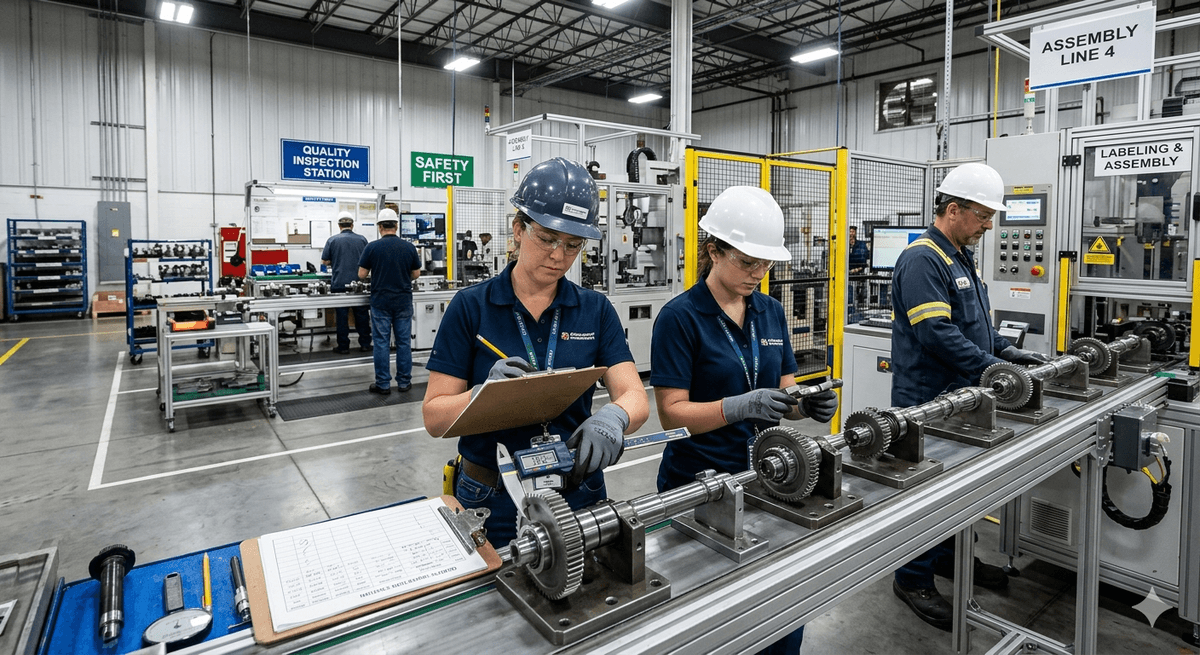
During Production Inspection (DPI) plays a crucial role in the manufacturing process, ensuring that products meet quality standards before they reach consumers. The significance of DPI extends beyond mere quality checks; it encompasses brand reputation, operational efficiency, and regulatory compliance. By understanding why DPI is important, manufacturers can better appreciate its objectives and integrate it into their production cycles effectively.
Maintaining Brand Reputation
In today’s competitive market, maintaining brand reputation is paramount for any manufacturer. During Production Inspection helps ensure that products are consistently high-quality, which directly impacts customer satisfaction and loyalty. A single defect can tarnish a brand's image and lead to lost sales, making it essential to prioritize DPI in the production process.
Moreover, when manufacturers invest in robust DPI practices, they send a clear message to consumers about their commitment to quality. This proactive approach not only enhances trust but also differentiates brands from competitors who may overlook the importance of quality assurance. In essence, effective During Production Inspection safeguards a brand's reputation while fostering long-term relationships with customers.
Avoiding Costly Delays
Costly delays can arise from various issues during manufacturing processes—issues that could have been avoided with proper inspection protocols like DPI in place. By conducting inspections throughout production cycles, potential problems can be identified early on rather than at the end of the line or after shipment. This foresight minimizes disruptions and keeps projects on track.
Additionally, timely identification of defects allows manufacturers to address issues swiftly without incurring excessive costs associated with rework or returns later on. Implementing During Production Inspection not only streamlines operations but also optimizes resource allocation by reducing wasteful practices associated with late-stage problem-solving efforts. Ultimately, avoiding costly delays through effective DPI contributes significantly to overall operational efficiency.
Compliance with Regulatory Standards
Compliance with regulatory standards is non-negotiable for manufacturers aiming to operate legally and ethically within their respective industries. During Production Inspection serves as a vital checkpoint to ensure that products adhere to safety regulations and industry guidelines throughout the manufacturing process. This diligence protects both consumers and businesses from legal repercussions stemming from non-compliance.
Furthermore, staying compliant through regular inspections fosters accountability within supply chains—encouraging suppliers to maintain high standards themselves as they know they will be held accountable during DPI checks. As industries continue evolving under stricter regulations globally, implementing rigorous During Production Inspection protocols becomes increasingly essential for sustainable business practices and long-term success.
When Should DPI Be Conducted?

Determining the right timing for During Production Inspection (DPI) is crucial to ensuring product quality and compliance throughout the manufacturing process. The ideal moments for DPI are strategically selected to maximize its effectiveness, thereby aligning with the overall production timeline. By understanding when to conduct DPI, manufacturers can better manage risks and uphold their commitment to quality.
Timing During the Production Cycle
Timing is everything in the world of manufacturing, especially when it comes to During Production Inspection. DPI should not be an afterthought; rather, it should be integrated into various stages of the production cycle. Conducting inspections at key intervals allows for early detection of defects and ensures that any issues are addressed before they escalate into costly problems.
Identifying Critical Control Points
Identifying critical control points is essential for effective During Production Inspection (DPI). These points are specific stages in the production process where potential risks or defects may arise, making them prime candidates for inspection. By focusing on these critical areas, manufacturers can ensure that their products meet quality standards and align with what are the objectives of during production inspection.
Aligning with Production Schedules
Aligning DPI with production schedules is vital for seamless operations and optimal resource allocation. Coordinating inspections with manufacturing timelines helps prevent bottlenecks while ensuring that all parties involved understand when checks will occur. This alignment not only enhances efficiency but also reinforces why is during production inspection important—maintaining a steady flow of high-quality products without unnecessary delays.
What Are Key Procedures in During Production Inspection?
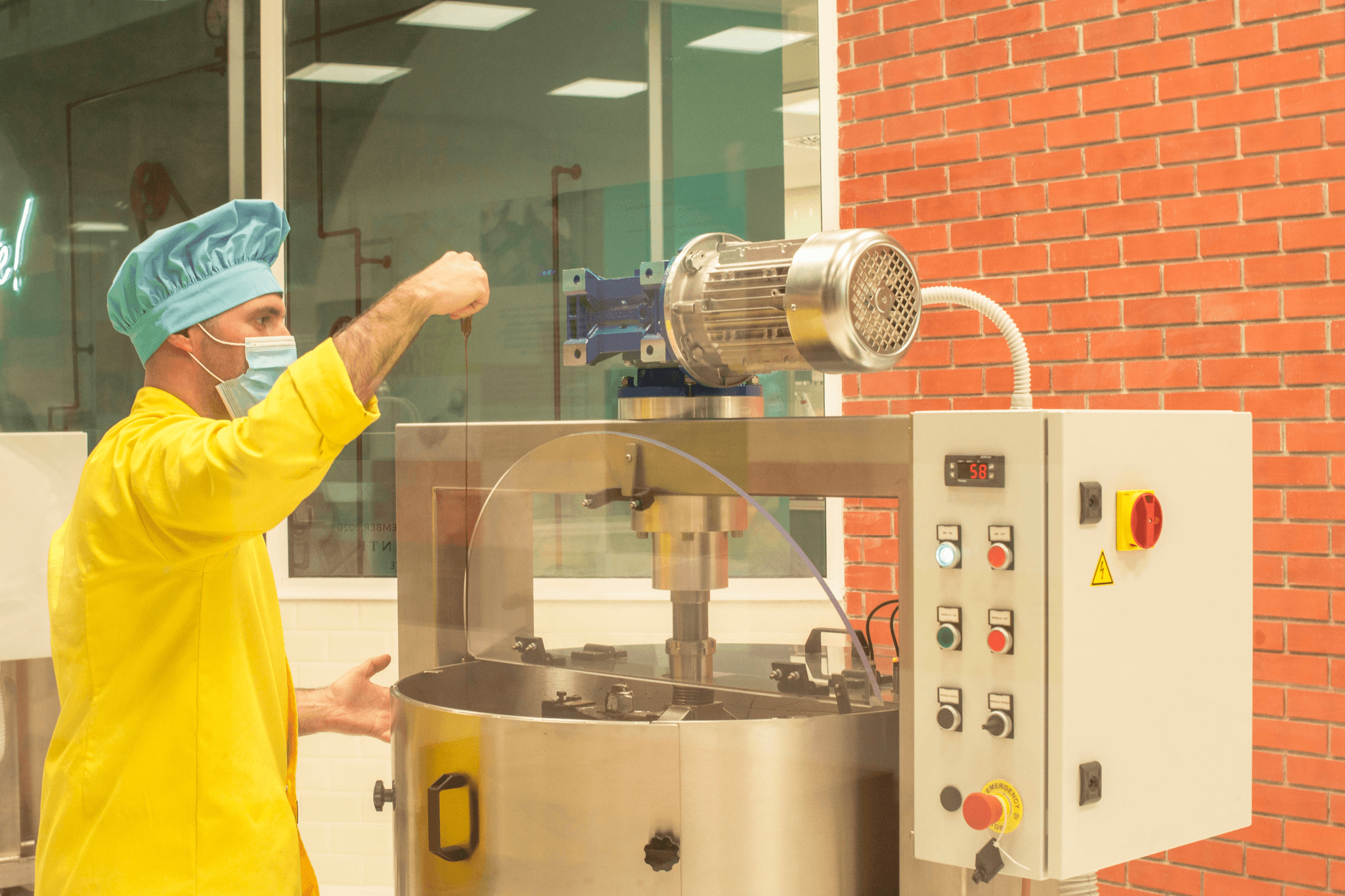
During Production Inspection (DPI) is a structured process that ensures products meet quality standards while they are still being manufactured. To effectively implement DPI, several key procedures must be followed, including pre-inspection preparation, on-site inspection methods, and thorough documentation and reporting. Each of these components plays a critical role in achieving the objectives of During Production Inspection.
Pre-Inspection Preparation
Before any inspection can take place, pre-inspection preparation is essential to set the stage for success. This phase involves gathering all relevant information regarding the product specifications and production processes to ensure inspectors know what to look for during DPI. Additionally, it's crucial to coordinate with manufacturers to confirm production schedules and identify any potential challenges that may arise during the inspection.
Having a well-defined checklist can greatly enhance the efficiency of During Production Inspection by ensuring that no critical aspects are overlooked. Inspectors should also familiarize themselves with applicable regulatory standards and customer requirements before stepping onto the factory floor. Ultimately, thorough preparation helps streamline inspections and aligns them with key objectives of During Production Inspection.
On-Site Inspection Methods
Once preparations are complete, it's time for on-site inspection methods to take center stage in During Production Inspection. Inspectors typically employ various techniques such as visual inspections, measurements, and functional tests to evaluate product quality against established criteria. These methods not only help identify defects but also provide insights into the manufacturing process itself.
Incorporating modern technology—like digital measuring tools or cameras—can enhance accuracy during DPI by enabling inspectors to capture detailed data efficiently. Moreover, inspectors often focus on critical control points identified during pre-inspection preparation to ensure that high-risk areas receive appropriate attention during evaluation. This careful approach underscores why During Production Inspection is important for maintaining product integrity.
Documentation and Reporting
After completing on-site inspections, documentation and reporting become vital steps in ensuring transparency throughout the During Production Inspection process. Inspectors compile their findings into detailed reports that outline compliance with specifications and highlight any issues encountered during evaluation. Effective documentation not only serves as a record of quality control but also facilitates communication between manufacturers and stakeholders regarding necessary corrective actions.
Moreover, these reports play an essential role in maintaining supplier accountability by providing evidence of adherence—or lack thereof—to agreed-upon standards during production cycles. By keeping meticulous records of inspections conducted under DPI guidelines, companies can strengthen their overall quality assurance efforts while minimizing risks associated with defects or non-compliance down the line. In short, thorough documentation reinforces why it’s crucial to conduct DPI efficiently.
What Does DPI Check For?

During Production Inspection (DPI) serves as a crucial checkpoint in the manufacturing process, ensuring that products meet established standards before they reach the market. This phase of quality assurance is designed to catch any discrepancies early on, preventing potential issues from escalating into costly problems later. Understanding what DPI checks for is essential for manufacturers aiming to uphold product integrity and maintain customer satisfaction.
Product Specifications and Compliance
One of the primary objectives of During Production Inspection is to verify that products adhere to specified requirements and compliance standards. Inspectors meticulously assess dimensions, materials, and functionality against predefined criteria to ensure that every item meets quality benchmarks. This step not only safeguards brand reputation but also aligns with regulatory mandates, making it a fundamental aspect of DPI.
Safety and Functionality Standards
Safety is paramount in any manufacturing process, which is why During Production Inspection places significant emphasis on safety and functionality standards. Inspectors evaluate whether products operate safely under intended conditions while also checking for potential hazards that could pose risks to users. By addressing these concerns during production, manufacturers can mitigate liability issues and enhance customer trust in their brand.
Packaging and Labeling Accuracy
Another critical area covered by DPI involves packaging and labeling accuracy; after all, first impressions matter! Inspectors ensure that packaging protects the product adequately while also confirming that labels provide clear information about contents, usage instructions, and safety warnings. Accurate labeling not only complies with regulations but also enhances consumer confidence—making this aspect of During Production Inspection indispensable for successful market entry.
What Are the Tools and Techniques Used in DPI?
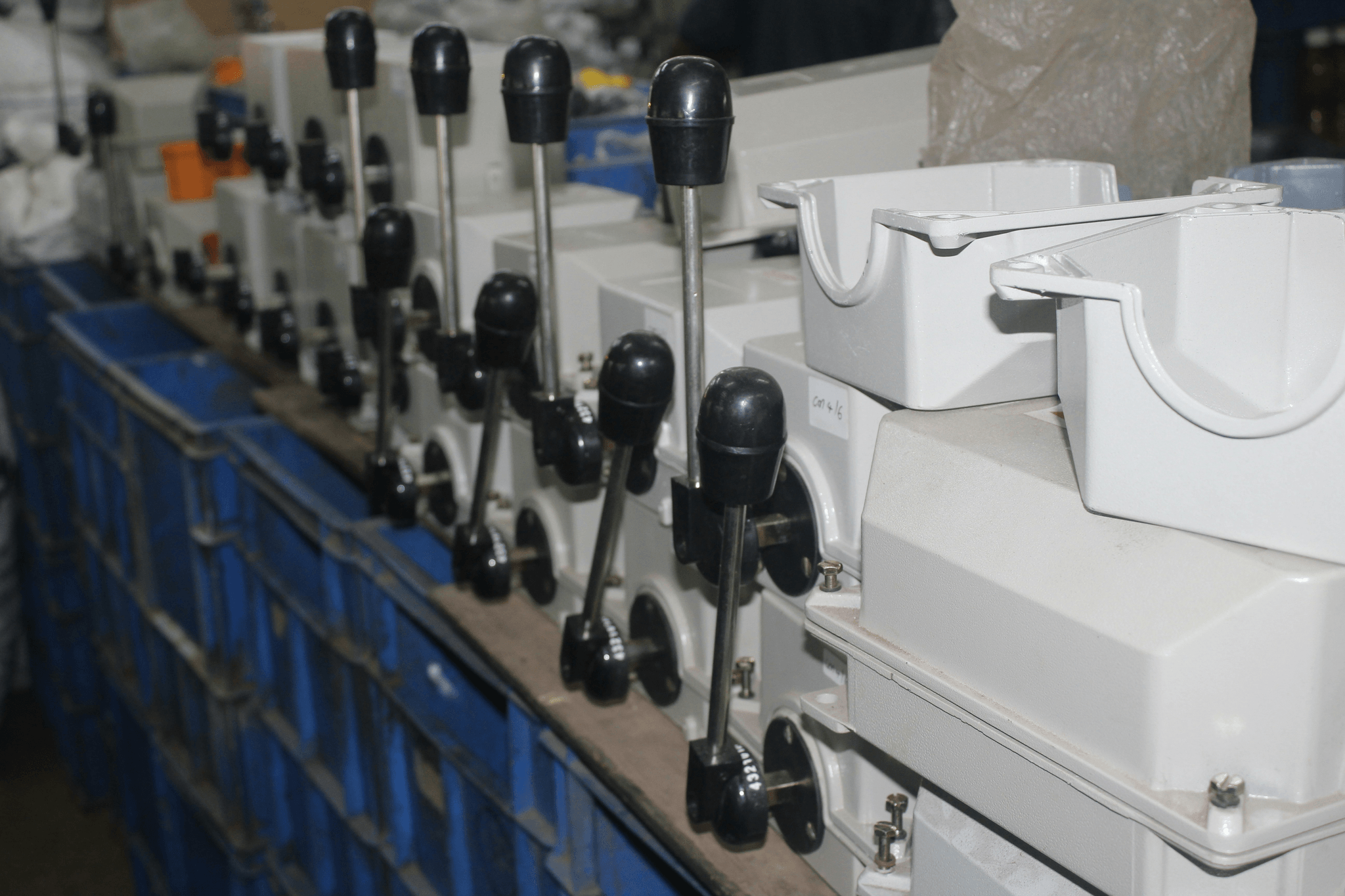
During Production Inspection (DPI) utilizes a variety of tools and techniques to ensure that quality standards are met throughout the manufacturing process. These instruments not only facilitate accurate assessments but also streamline the inspection workflow, making it easier to identify potential issues early on. Understanding what tools are available is essential for anyone involved in the DPI process.
Inspection Equipment and Technology
The backbone of any During Production Inspection is its inspection equipment and technology, which can range from simple measuring tools to advanced automated systems. For example, calipers, gauges, and scales help inspectors measure product dimensions accurately, while more sophisticated technologies like X-ray machines can detect internal flaws without damaging the product. Investing in high-quality inspection equipment is crucial for meeting objectives such as ensuring product quality and enhancing supplier accountability during production.
Sampling Methods for Quality Assurance
Sampling methods play a pivotal role in During Production Inspection by determining which products will undergo detailed scrutiny. Common approaches include random sampling, where items are selected at random intervals during production, and stratified sampling that targets specific batches or shifts based on historical data or risk factors. By employing effective sampling methods, manufacturers can significantly reduce risks and defects while maintaining compliance with regulatory standards.
Data Analysis and Reporting Tools
Data analysis and reporting tools are essential components of any robust During Production Inspection strategy. These tools allow inspectors to compile findings into actionable reports that highlight trends, anomalies, or areas needing improvement within the production cycle. Leveraging data analytics not only enhances transparency but also supports continuous improvement efforts by providing insights into how well objectives of During Production Inspection are being met.
Who Conducts DPI?
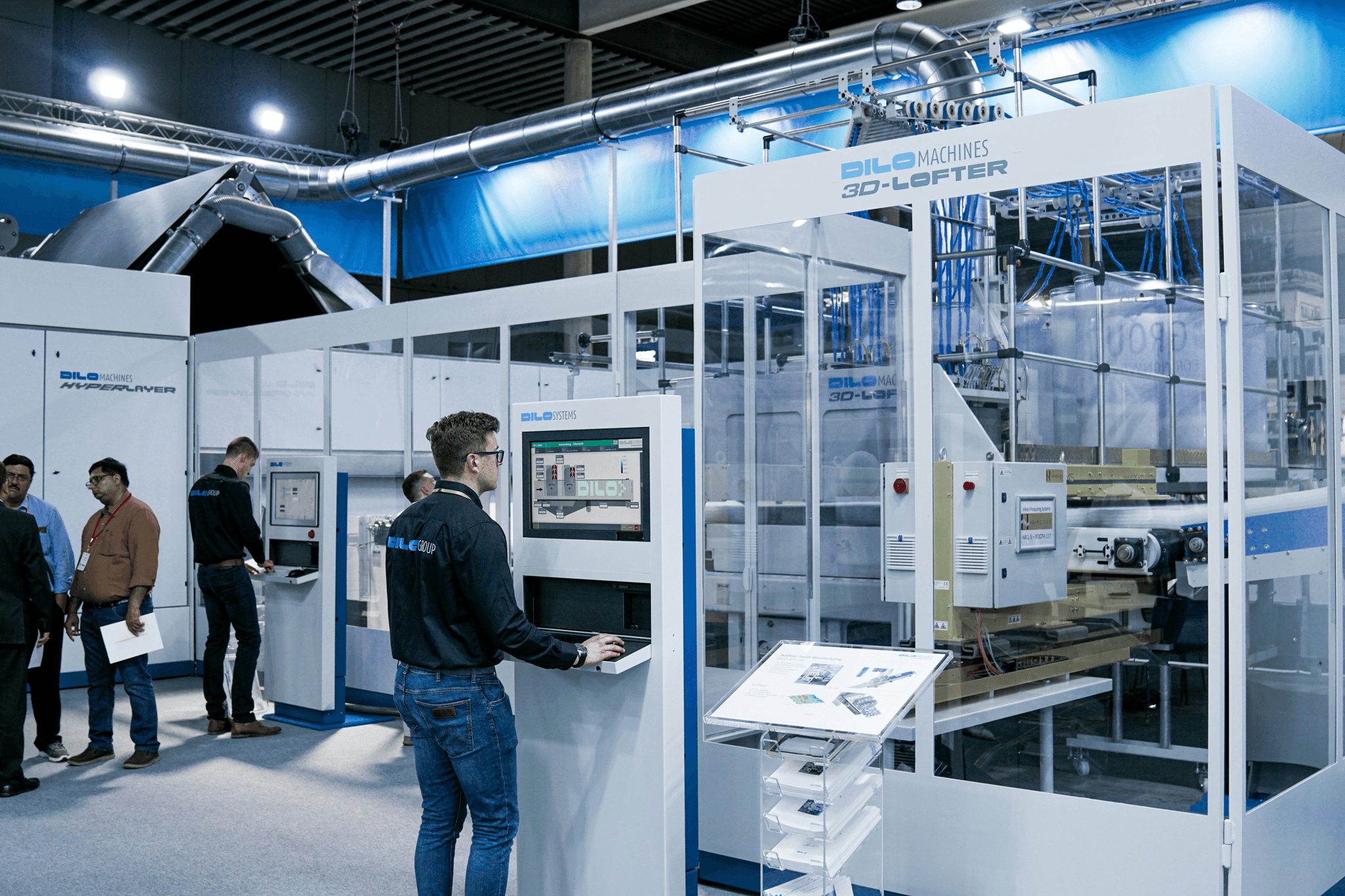
During Production Inspection (DPI) is a critical process in the manufacturing world, and its success hinges on the professionals who oversee it. Quality inspectors play a pivotal role in ensuring that products meet specified standards throughout the production cycle. Their expertise not only helps in identifying defects but also ensures compliance with regulatory standards, making them indispensable in the DPI process.
Roles of Quality Inspectors
Quality inspectors are the frontline warriors of During Production Inspection. They meticulously examine products against established criteria, checking for adherence to product specifications and safety standards. Beyond just spotting flaws, their role involves documenting findings and providing actionable insights to manufacturers, thereby enhancing overall product quality.
These inspectors are trained to recognize nuances that may escape an untrained eye, which is crucial when considering the objectives of During Production Inspection. By focusing on risk reduction and supplier accountability, they ensure that any issues are addressed promptly before they escalate into larger problems. Ultimately, their diligence contributes significantly to maintaining brand reputation and preventing costly delays.
Collaboration with Manufacturers
The relationship between quality inspectors and manufacturers is a symbiotic one; both parties benefit immensely from effective collaboration during DPI. Manufacturers rely on inspectors not just for feedback but also for guidance on best practices throughout production cycles. This partnership fosters an environment where continuous improvement can thrive, aligning closely with key procedures in During Production Inspection.
By engaging with manufacturers early on, quality inspectors can identify critical control points where inspections should be concentrated—this is essential for maximizing efficiency during DPI processes. Regular communication ensures that any changes in production schedules or objectives are seamlessly integrated into inspection plans, reinforcing the importance of timely inspections aligned with production timelines.
Importance of Expertise in Inspections
Expertise is non-negotiable when it comes to conducting effective During Production Inspections; after all, you wouldn’t want someone without experience handling your prized possessions! Knowledgeable inspectors bring a wealth of understanding about what DPI checks for—product specifications, safety standards, packaging accuracy—and how to utilize various tools and techniques effectively.
Moreover, skilled inspectors are adept at employing advanced inspection equipment and data analysis tools that enhance accuracy during evaluations. Their familiarity with sampling methods for quality assurance allows them to make informed decisions quickly while minimizing errors during inspections—crucial elements when considering why During Production Inspection is so important in today’s manufacturing landscape.
Conclusion
In the ever-evolving landscape of manufacturing, During Production Inspection (DPI) emerges as a critical component in ensuring quality and compliance. The objectives of DPI are clear: to guarantee product quality, reduce risks and defects, and enhance supplier accountability. As we have explored, the importance of DPI cannot be overstated—it safeguards brand reputation, prevents costly delays, and ensures adherence to regulatory standards.
Key Takeaways about DPI
Understanding what During Production Inspection entails is essential for manufacturers seeking to optimize their processes. The objectives of During Production Inspection focus on maintaining high-quality standards while minimizing potential risks associated with defects. By identifying when DPI should be conducted and recognizing key procedures involved in the process, businesses can significantly enhance their production outcomes.
Enhancing Quality with China Inspection Pro
Partnering with a reputable service like China Inspection Pro can elevate your approach to During Production Inspection. They bring expertise in conducting thorough inspections that check for product specifications, safety standards, and packaging accuracy—all vital elements that ensure compliance with industry norms. By leveraging advanced tools and techniques used in DPI, companies can streamline their quality assurance processes while fostering stronger relationships with suppliers.
Future of During Production Inspection in Industry
Looking ahead, the future of During Production Inspection is poised for innovation as technology continues to advance within the manufacturing sector. With an increasing reliance on data analysis tools and automated inspection equipment, businesses will have more resources at their disposal than ever before. As we embrace these changes, understanding who conducts DPI will remain crucial; skilled inspectors will play a pivotal role in navigating this evolving landscape while ensuring that product quality remains uncompromised.